Mzima Springs sits in the northern half of Tsavo West National Park, about 48 km from Mtito Andei Gate. It is one of the few places in Kenya where you can walk on foot, with a ranger, right up to the edge of hippo territory. The main draw is the Mzima Springs hippo observatory, an underwater viewing chamber built as a submerged glass tank that lets you look into the pool from below the surface. It is a genuinely unusual experience. It is also not guaranteed to work the way the brochures promise.
What Mzima Springs Actually Is
Mzima means “alive” in Swahili, and the name fits. Around 250 million litres of water rise here every day, clear enough in good conditions to see 20 metres down. That water does not come from local rain. It falls on the Chyulu Hills, up to 48 km northeast, then filters through porous volcanic rock for roughly 25 years before it reaches the springs. By the time it surfaces, it has been naturally cleaned of sediment, which is why the pools look so different from the surrounding Tsavo bush, all dust and red soil.
The springs form a series of pools linked by short channels, shaded by raffia palms and fig trees. Vervet monkeys move through the trees overhead, and the birdlife is dense, kingfishers, herons, and fish eagles all working the water’s edge.
The Mzima Springs Hippo Observatory
The observatory is a concrete and glass tank built into the bank of the main pool, low enough that you step down and look out through the glass at eye level with the water. On a good day, you can watch Barbel catfish moving past the glass, and if you are patient, a hippo may drift into view.
Here is the part most tour pages leave out. The glass fouls with algae, and visibility in the tank depends entirely on recent rain, water flow, and how recently it was cleaned. Some weeks the view is sharp. Other weeks you are looking at green murk with vague shapes moving through it. Rangers and lodge staff at Kilaguni Serena, close by, will usually tell you honestly what the tank looked like that morning if you ask before setting off.
If the chamber is disappointing, the backup plan is simple and often better anyway: stand on the raised viewing platforms above the main pool. From there you get a wide view of the hippo pod on the surface, snorting, submerging, and re-surfacing every few minutes, plus a good chance of spotting crocodiles basking on the banks. Many visitors end up preferring the surface view. It shows more animals and more behaviour than the tank ever does on a murky day.
Hippos, Crocodiles, and the Food Chain Underneath
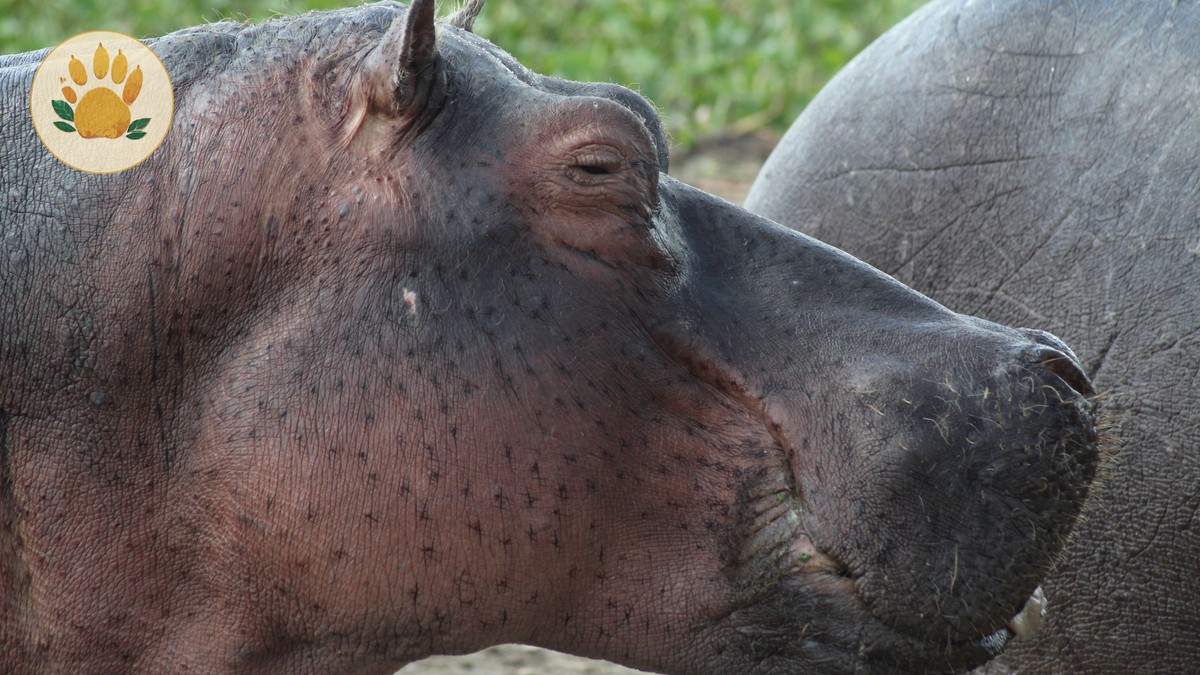
Mzima supports one of Tsavo’s densest hippo populations, along with a healthy number of Nile crocodiles that share the same pools. The two rarely clash directly. Hippos are grazers, not hunters, and crocodiles generally leave adult hippos alone.
The real ecological story is the dung. Hippos graze on land at night and return to the water by day, and their droppings feed an entire chain of life in the pools, from algae to the Barbel catfish that cluster around the observatory glass. This cycle is fragile. During the severe 2009 drought, Tsavo’s hippo population collapsed sharply as pools dried and grazing land vanished, a die-off that conservation groups still reference when discussing the springs’ long-term water security.
A Guided Walk, Not a Free Wander
You cannot walk to Mzima Springs on your own. KWS requires a ranger escort on the nature trail from the car park to the pools, and this is not a formality. Hippos kill more people in Africa than any other large mammal, mostly because they are fast on land and defensive of their territory near water. Crocodiles add a second reason to stay on the marked path. The walk itself takes about 20 to 30 minutes round trip at an easy pace, well within reach for most kids old enough to follow instructions and stay close to an adult.
Best Time to Visit
Early morning, shortly after the gate opens, is the calmest time at the springs. Fewer vehicles, cooler air, and hippos still settling into the pools after a night of grazing. Late afternoon works too, though tour groups tend to cluster then. Visibility in the tank tends to be best in the dry seasons, January to March and June to October, when less silt washes into the springs from rain runoff.
Getting There and What It Costs
Mzima Springs sits inside Tsavo West, so the KWS park entrance fee applies for the whole day, not as a separate charge. Non-resident adults pay USD 80 per day. Children and East African residents pay reduced rates, confirmed at the gate.
| Route | Approx. distance | Approx. drive time | Notes |
|---|---|---|---|
| Nairobi to Mtito Andei Gate | 233 km | 4 hours | Paved highway, direct route |
| Mombasa to Mtito Andei Gate | 250 km | 3.5 to 4 hours | Same highway, opposite direction |
| Mtito Andei Gate to Mzima Springs | 48 km | 1 hour | Murram track inside the park |
| Amboseli to Tsavo West (Kimana/Chyulu route) | approx. 120 km (indicative) | 2.5 to 3 hours (indicative) | Rough road, best with 4WD |
| Tsavo West entrance fee, non-resident adult | USD 80/day (KWS) |
Check Tsavo West gate opening hours before setting off, since gates close by evening and rangers will not escort walks after dark.
Where to Stay Nearby
For families, Kilaguni Serena Safari Lodge is the obvious base, about 15 km from Mzima Springs with interconnecting family rooms and a waterhole visible from the dining terrace. Ngulia Safari Lodge sits further east, closer to the Rhino Sanctuary, with similar family-friendly layouts. Severin Safari Camp and Finch Hattons Luxury Camp offer a quieter, more tented option for families comfortable with canvas walls. Expect roughly USD 250 to 450 per person per night on a full-board basis at these properties, a broad range since rates shift with season and room type.
Tsavo West sits in a malaria zone, so pack repellent and consider malaria precautions for a Tsavo safari before you travel, especially with young children in the group.
Fitting Mzima Springs Into a Longer Trip
Mzima Springs works best as a half-day stop, not a full day. Pair it with the Shetani Lava Flow, a stark black lava field about 45 minutes away, and the Ngulia Rhino Sanctuary further east, both easy additions on the same park circuit. Most families combine Tsavo West with Amboseli and the Masai Mara on a longer loop. If that is your plan, see our guide on fitting Mzima Springs into a combined Tsavo itinerary for how the driving days line up.
The SafariPure Difference
We tell clients what the tank actually looked like on our last visit, not what the brochure claims it always looks like. If visibility has been poor for weeks, we say so and plan the stop around the surface platforms instead, so nobody stands in front of green glass expecting a wildlife documentary. We also build in real drive times, not optimistic ones, so a Mzima Springs stop does not eat into game drive time elsewhere in Tsavo. That is the difference between a rushed tick-box stop and a visit that actually lands with kids and adults alike.
Plan Your Visit
Mzima Springs is a worthwhile stop on any Tsavo West itinerary, tank clarity permitting. If you would like help building it into a family-paced route through Tsavo, Amboseli, or the Mara, visit our Tsavo West tour page or get in touch and we will plan it with you.
More safari planning resources
- Amboseli National Park guide from Trunktrails Safaris
- Map of Tsavo from Valley Safaris
- Tsavo complete guide on Touring Insights
- Tsavo destination guide on FindMySafari
Related guides: Where to See Grevy’s Zebra: Samburu Sighting Guide, Lake Bogoria Hot Springs and Geysers Guide (2026), Mzima Springs: Kenya’s Underwater Hippo Viewing Point.