This Solio Sanctuary conservation guide is for repeat visitors who have already seen the Maasai Mara and want a quieter place with a sharper conservation story. Solio is one of those places. This guide covers access, fees, camps, wildlife, and the best months for a safari visit that supports rhino conservation.
What does this Solio Sanctuary conservation guide cover?
Solio is a privately owned Kenyan rhino sanctuary established in 1970 after part of Solio Ranch was fenced for wildlife protection. Its breeding and reintroduction work has supplied rhinos to other Kenyan parks and conservancies, making conservation, not simply game viewing, the central reason to visit.
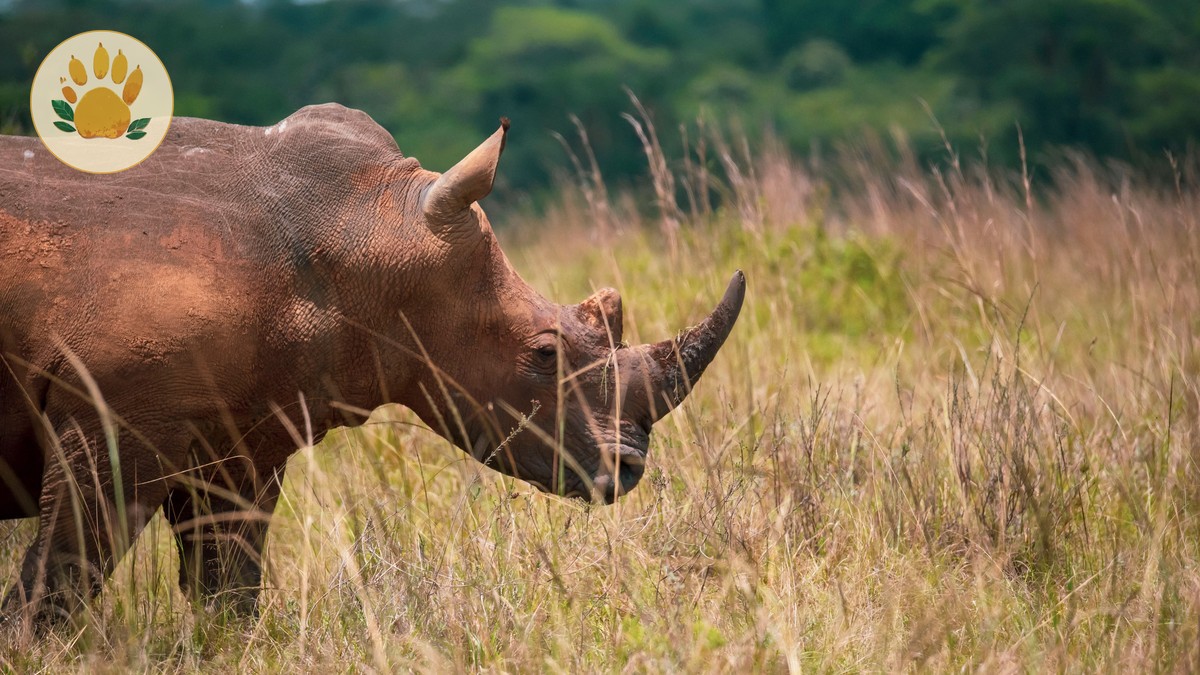
Solio sits between Mount Kenya and the Aberdare Range. The fenced area holds both black and white rhinos. Because the sanctuary is compact, rhino viewing here is often more focused than in a huge national park. You are not scanning endless horizons. You are reading rhino behavior in a landscape where they truly matter.
The history is important too. At the height of Kenya’s poaching crisis, Solio became a safe source of rhinos for restocking programs. In conservation language, it is a source site. That means every visit supports a breeding program with a long record.
If you like this style of private rhino management, our Lewa rhino tracking safari guide gives another comparison from northern Kenya.
Where is Solio located and how do you get there?
Solio lies near Nyeri in central Kenya, between Mount Kenya and the Aberdare Range, roughly 190 to 210 kilometres from Nairobi by road. Most travellers approach via Nyeri or Nanyuki, then continue on local roads toward the ranch. Confirm the final access route with the lodge or operator because Solio is not a standard public park entrance.
| Route | Main road | Approx distance | Typical drive time |
|---|---|---|---|
| Nairobi to Solio area | Via Thika and Nyeri | 200 km | 4 to 5 hours |
| Nanyuki to Solio area | Back roads west of Mount Kenya | 50 to 70 km | 1.5 to 2 hours |
| Nyeri to Solio area | Local ranch roads north of town | 20 to 30 km | 30 to 45 minutes |
Driving times depend on road condition and season. Download offline maps before leaving Nyeri or Nanyuki. Cell signal is not reliable across the whole area.
How do access, entry fees, and game drives work at Solio?
Plan Solio access in advance: casual walk-in entry and ordinary self-drive are generally unavailable, so visitors usually enter as lodge guests or through an operator with permission. Published non-resident conservation-fee figures vary around $106-$122 per adult per day, and the final quote may also include a vehicle, guide, or accommodation charge.
That range is not a standard national park ticket. It is a conservation contribution for a private sanctuary. If you stay at Solio Lodge, the conservation fee may be folded into your nightly rate. If you stay outside, your approved lodge or operator will arrange the vehicle, guide, and ranch permission. Ask for an itemized quote before you pay.
Most visits happen as a morning or late-afternoon game drive. A full day of driving inside Solio is usually unnecessary. Two unhurried drives, one early and one late, suit the pace of the sanctuary well.
What wildlife and conservation activities can you expect at Solio?
Rhino viewing is Solio’s main attraction, with black and white rhinos concentrated in a relatively compact sanctuary. Guided game drives are the core activity, and some stays may offer walking with an armed ranger, horse riding, or cycling.
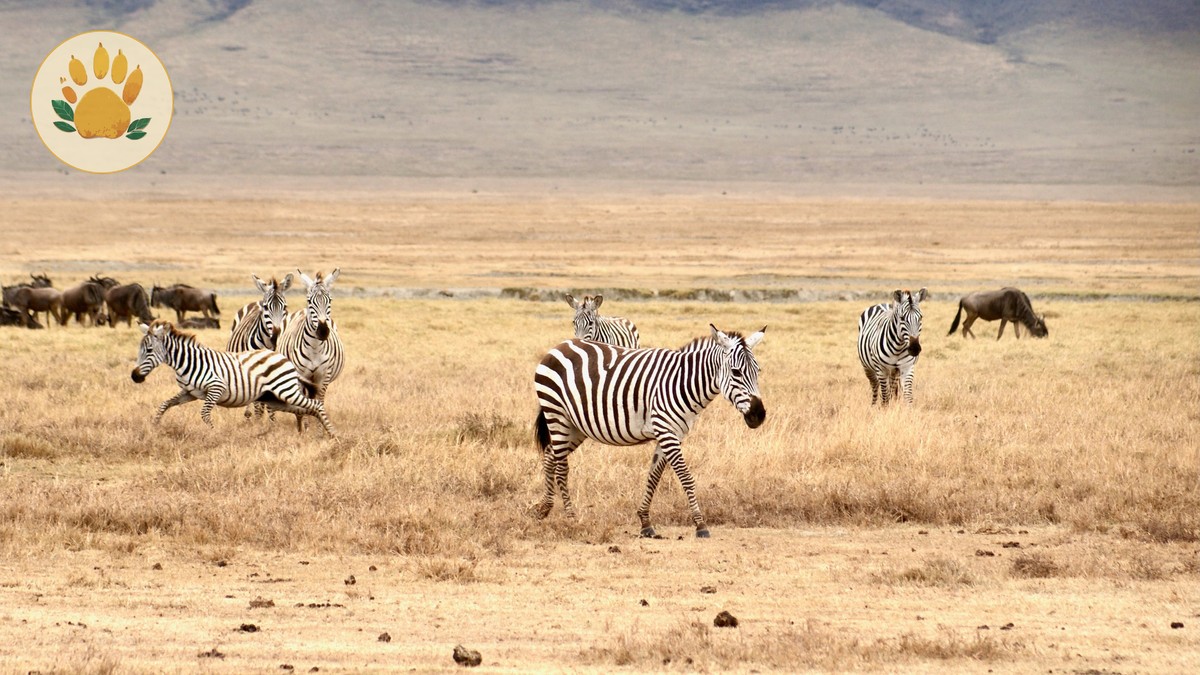
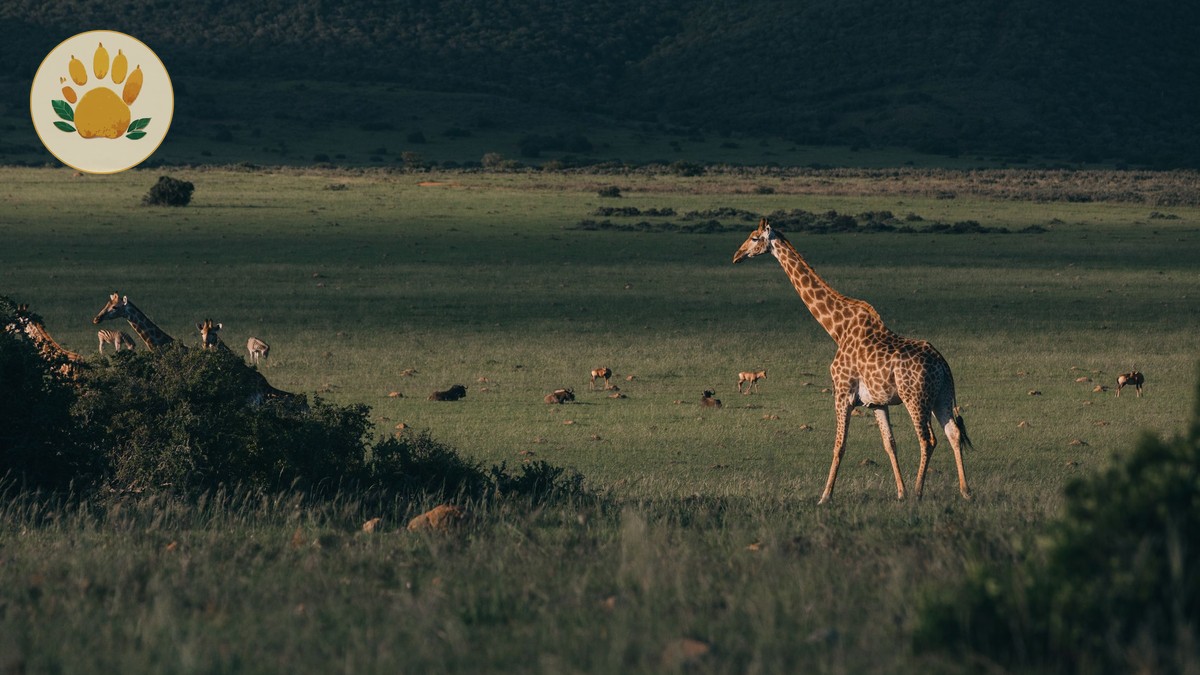
The game drive list usually includes plains zebra, buffalo, giraffe, several antelope species, and a range of birds. Lion and cheetah can occur, but predator sightings are less predictable than rhino sightings. Solio is not the place to count Big Five species. It is the place to watch rhinos move, feed, and rest without crowds.
If your group wants a larger reserve with more varied conservation work, our detailed list of conservation activities at Ol Pejeta shows a very different model.
Where should you stay near Solio Sanctuary?
Solio Lodge is the principal luxury option inside the ranch, while Rhino Watch Lodge provides a more practical base on the sanctuary’s edge. Nearby Aberdare-area lodges can widen the price range, but staying farther away may reduce time inside Solio and complicate early or late game drives.
Visitors who want priority access and a shorter morning commute often choose Solio Lodge. It is not a budget option, and rates are usually quoted alongside meals and scheduled activities. Rhino Watch Lodge is more suitable for travellers who want a simpler stay with easy drives into the sanctuary. Ask whether the quoted rate includes conservation fees and activities.
What is the best time to visit Solio Ranch?
June to October and January to February are the most practical months for Solio because dry conditions improve road access and wildlife visibility around water. The reserve can be visited year-round, but March to May and some short-rain periods may produce muddy tracks and less reliable driving.
December to February can also be strong for birding. The dry months concentrate game around water, which makes planning simpler. Before a wet-month booking, ask the lodge about current track conditions. Solio rewards patience more than speed.
What rules, limitations, and practical trade-offs should you know?
Solio’s private, conservation-led model protects wildlife but limits spontaneity: access must be arranged, routes follow ranch rules, and visitors should not expect a public gate, unrestricted off-road driving, or a low-cost day visit. The trade-off is a quieter, focused experience with unusually strong rhino prospects and direct support for a long-running breeding program.
That tension matters when you choose between Solio and a larger reserve. Solio gives focused rhino time, but it does not offer the same scale of public visitor facilities. Our side-by-side Solio Ranch versus Ol Pejeta comparison explains the difference clearly.
Solio also works best as part of a broader northern Kenya safari route. Many travellers pass through after Samburu or before heading toward Laikipia. A short stay of one to two nights is usually enough to understand the sanctuary.
What do most travelers ask about Solio Ranch?
How much does it cost to visit Solio Sanctuary?
Published conservation-fee figures are approximately $106-$122 per non-resident adult per day, although the exact amount varies by source. Lodge and operator quotes may bundle the fee with a vehicle, guide, meals, or accommodation, so request an itemized price before booking.
Can you visit Solio Ranch without staying at Solio Lodge?
Yes, but access normally needs to be arranged through another approved lodge or a licensed operator with permission from the ranch. Solio is not generally a walk-up park with a public ticket booth, so confirm entry before planning a standalone day visit.
What animals can you see at Solio Sanctuary?
Solio is best known for black and white rhinos, but game drives can also produce zebra, buffalo, giraffe, antelope, lion, cheetah, and many bird species. Rhino sightings are usually more dependable than predator sightings because the sanctuary’s conservation focus and compact landscape concentrate rhino viewing.
What is the best time to visit Solio Ranch?
June to October and January to February generally offer the clearest game viewing and firmer tracks. Solio remains open beyond those periods, but the long rains from March to May can make some roads difficult and may reduce operational flexibility.
Is Solio Sanctuary worth visiting?
Solio is especially worthwhile for travellers who prioritize rhino conservation, focused game drives, and a private sanctuary experience. It is less suitable for visitors seeking spontaneous public access, a wide range of budget day-trip choices, or extensive predator viewing compared with larger reserves.
What does the SafariPure Difference mean for a Solio visit?
At SafariPure, planning Solio starts with access, not just accommodation. We confirm the lodge or operator has current permission, ask whether quoted fees include conservation and guide charges, and then place Solio inside a route that makes sense for your time.
A SafariPure planner will also be honest about the trade-offs. Solio is not for everyone. Some travellers find the quiet focus perfect. Others prefer the larger scale and wider activity list at Ol Pejeta or Lewa. Our job is to match you with the right rhino sanctuary, not the most famous one.
Repeat visitors often want off-peak months and less crowded routes. When we design a Kenya safari route that includes Solio, we look at access windows, the condition of tracks, and how the sanctuary connects with the rest of your trip.
How do you start planning a Solio rhino safari?
Tell us when you want to travel and which other parts of Kenya are on your mind. We will check current access, accommodation options, and fees before we send a route.
Start the conversation by visiting our contact page and describing the kind of safari you want. Solio is a small, serious sanctuary. It deserves a calm and intentional plan. That is exactly how SafariPure likes to work.