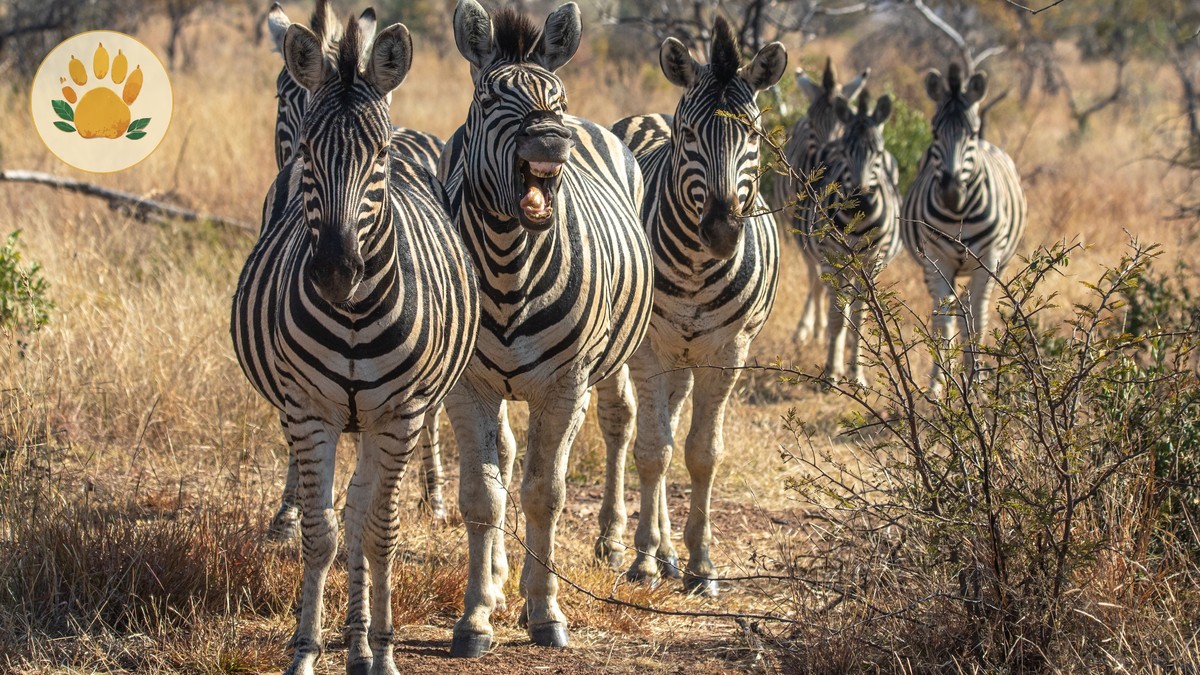
If you have already done the Mara, the question changes. It stops being “where are the animals” and becomes “where are the animals nobody else is photographing.” This grevy zebra conservation samburu sighting guide answers that question directly. Grevy’s zebra is the world’s largest and rarest wild equid, and the Samburu-Laikipia landscape in northern Kenya holds roughly 95 percent of the species left on earth.
This guide skips the taxonomy lecture you have probably already read. It gets to the part competitors leave out: which zones actually hold zebra by season, what the reserves and conservancies cost right now, and where the trade-offs sit.
Grevy’s Zebra vs Plains Zebra: The Quick Identification
You will see both species in Samburu, often in the same afternoon, so it helps to know the difference before you arrive.
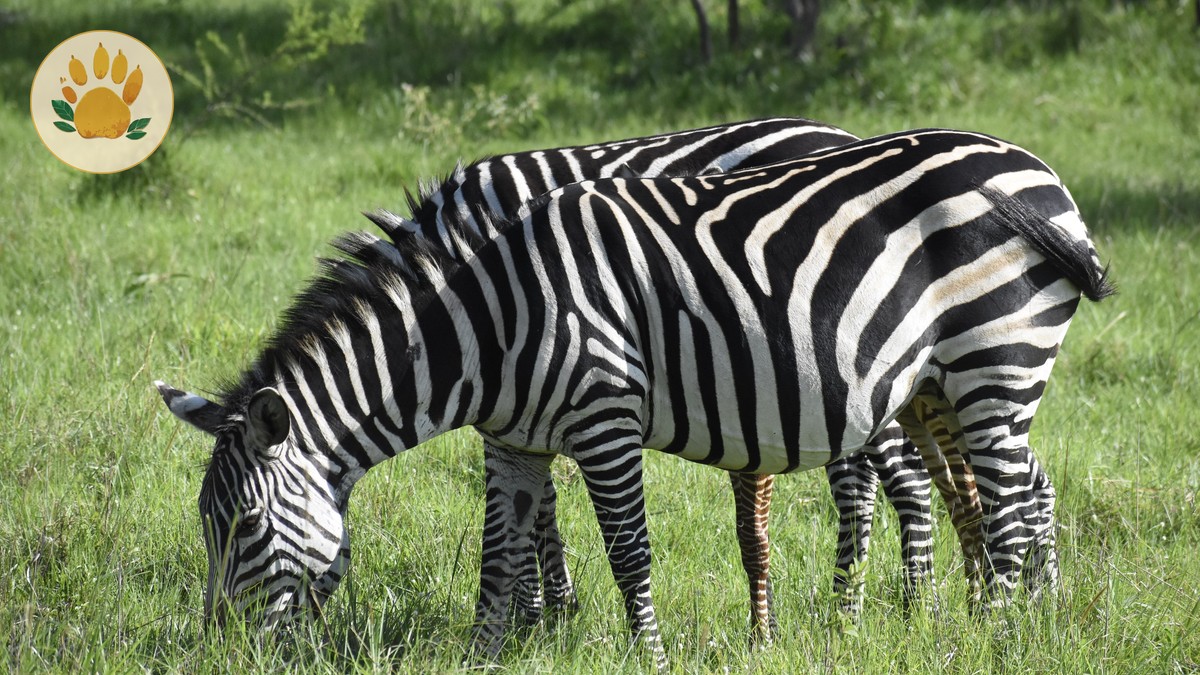
Grevy’s zebra is taller, with large rounded ears, a white belly with no stripes, and narrow stripes that run all the way down to the hooves. Plains zebra is smaller, has broader stripes, a striped belly, and a shadow stripe between the black bands. Grevy’s zebra also lives in loose, shifting groups rather than tight family herds. That is one reason it is harder to predict where you will find them on a given day.
Why Samburu Is a Stronghold
Grevy’s zebra evolved for arid country. It can go up to five days without drinking water and survives on coarse grasses that plains zebra mostly avoid. The Ewaso Ngiro river, which cuts through Samburu National Reserve and Buffalo Springs National Reserve, gives it a reliable water source in a landscape that gets under 400mm of rain a year. That combination, dry-adapted grazing plus permanent river access, is why the species persists here. It has vanished from most of its historic range in Ethiopia and southern Kenya.
Grevy Zebra Conservation Samburu Sighting Guide: Best Zones by Season
Grevy’s zebra movement follows a fairly predictable seasonal pattern, though many guides skip over it. Wet-season herds move out toward West Gate, Namunyak, and Kalama conservancies, chasing fresh grass away from the river. Dry-season herds pull back to permanent water in Samburu, Buffalo Springs, and the Laikipia ranches around Mpala and Ol Jogi.
That matters for trip planning. A June visit to Samburu National Reserve alone will likely outperform a March visit to the same reserve, because the zebra have moved out toward the conservancies when the rains bring grass further afield.
| Zone | Distance from Samburu gate | Best season for zebra | Access | Entry fee (indicative) |
|---|---|---|---|---|
| Samburu National Reserve | Base area, river frontage | Dry season (Jun-Oct, Dec-Mar) | Tarmac and murram, self-drive or guided | ~USD 70/adult/day, county-run, confirm on arrival |
| Buffalo Springs NR | 5 km, across Ewaso Ngiro | Dry season | Good murram roads | ~USD 70/adult/day, county-run |
| Shaba National Reserve | 15 km | Dry season, less crowded | Rougher tracks, 4×4 advised | ~USD 60/adult/day, county-run |
| West Gate Conservancy | 20 km | Wet season (Apr-May, Nov) | Conservancy road, guided only | ~USD 25-30/day, bundled with camp stays |
| Namunyak Conservancy | 45 km | Year-round, high density near Sarara | 4×4, longer transfer | ~USD 30-40/day |
| Kalama Conservancy | 10 km | Dry to shoulder season | Good access, near airstrip | ~USD 25-30/day |
Fees marked indicative are county or conservancy rates that change without much notice. Check current park entry fees before you travel. Budget conservancy fees separately from reserve fees since they are rarely bundled together.
The honest trade-off here: conservancies like Namunyak and West Gate often carry higher Grevy’s zebra density than the reserve itself, because grazing pressure and vehicle numbers are lower. But roads are rougher, transfers run longer, and you are paying a conservancy fee on top of any reserve fee if you combine both in one trip. If community-based tourism interests you beyond zebra sightings, our community conservancy guide covers how that model works elsewhere in Kenya.
Best Time of Year for Sightings
Two dry windows give the most reliable sightings: June through October, and December through March. Grazing thins out away from the river during these months, so zebra concentrate near permanent water in Samburu and Buffalo Springs. That means shorter drives and denser sightings.
April, May, and November bring the rains. Grass greens up across West Gate and the northern conservancies, and herds disperse. You will drive further and see fewer animals per hour, but you will also see far fewer vehicles. For a repeat visitor who has already logged big dry-season herds elsewhere in Kenya, the wet season in West Gate is a legitimate trade worth considering.
Conservation Status and Population
Grevy’s zebra is listed as Endangered by the IUCN. The most recent national census work, coordinated by the Grevy’s Zebra Trust, put the wild population at roughly 2,800 animals, down from an estimated 15,000 in the 1970s. Habitat loss, competition with livestock for grazing and water, and disease are the main pressures. Samburu-Laikipia is not a backup range for the species. It is close to the whole range.
Who Is Protecting Grevy’s Zebra
Three organizations do most of the work on the ground. The Grevy’s Zebra Trust runs community-based monitoring, using local scouts to track individual zebra by stripe pattern and flag disease outbreaks early. The Northern Rangelands Trust supports the community conservancies, including Namunyak, Kalama, West Gate, Meibae, and Sera, that now hold a large share of the population outside the formal reserves. Kenya Wildlife Service manages the national parks bordering this landscape and coordinates anti-poaching patrols with conservancy rangers.
Where to Stay
Camps here range widely by price and by proximity to zebra ground.
Budget to mid-range, inside or near Samburu National Reserve, runs roughly USD 150 to 350 per person per night and includes places like Samburu Simba Lodge. Mid to upper mid-range camps along the Ewaso Ngiro, such as Elephant Bedroom Camp, run roughly USD 400 to 550 per person per night, full board. Luxury camps inside the reserve or on its border, such as Sasaab or Saruni Samburu, run roughly USD 700 to 1,000 per person per night. Conservancy camps further out, such as Sarara Camp in Namunyak, run roughly USD 600 to 950 per person per night and put you closest to the higher-density wet-season herds.
All figures are indicative rates for double occupancy, subject to season and change.
The Samburu Special Five
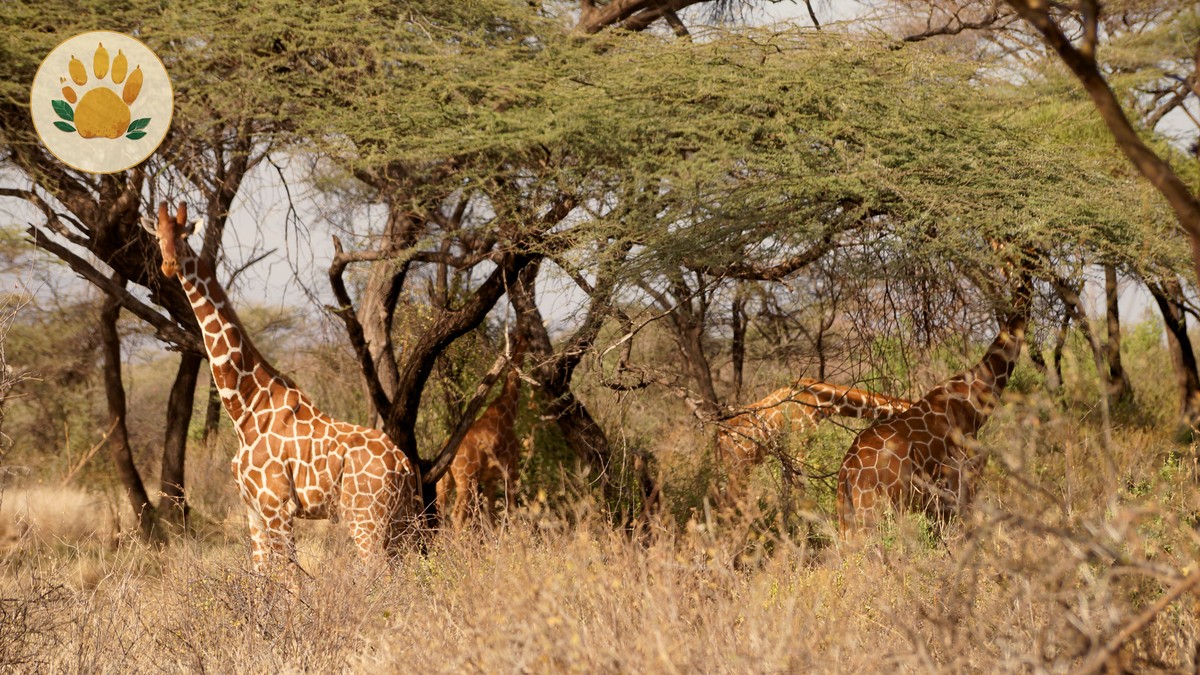
Grevy’s zebra shares this landscape with four other species rarely seen further south: the reticulated giraffe, Beisa oryx, gerenuk, and Somali ostrich. Together they are known as the Samburu Special Five. If you have already ticked the classic Big Five in the Mara or Amboseli, this is the set that makes a repeat trip worthwhile. Pack the best lens for photographing zebra. The striped detail on Grevy’s zebra, along with the long neck lines on gerenuk, rewards a longer focal length than you might use for bulkier game.
Does Tourism Actually Help
Yes, in a measurable way here. Conservancy fees fund the ranger salaries and scout programs that the Grevy’s Zebra Trust and NRT rely on. A guest staying at a conservancy camp is directly paying for the monitoring network that keeps this population stable rather than declining further. That is a different relationship than a day-trip through a national park, where entry fees fund infrastructure but not the community-level scouting that catches disease outbreaks or human-wildlife conflict early.
The SafariPure Difference
We plan around real seasonal movement patterns, not a generic “dry season is best” line. That means matching your travel dates to whichever zone, reserve or conservancy, is genuinely holding zebra that month. We are upfront when a conservancy detour adds cost or drive time for a real gain in sighting odds. We also build in realistic day counts. Three to four nights in the Samburu-Laikipia area, split between one reserve and one conservancy, gives most visitors a confirmed Grevy’s zebra sighting plus a shot at the rest of the Special Five.
FAQ
How many days do you need in Samburu to reliably see Grevy’s zebra? Three nights is a reasonable minimum. Two full days inside Samburu or Buffalo Springs during the dry season usually produces a sighting, and a third day gives room for a conservancy excursion if the reserve is quiet.
Can you see Grevy’s zebra outside Samburu National Reserve? Yes. Buffalo Springs, Shaba, and the community conservancies (West Gate, Kalama, Namunyak, Meibae, Sera) all hold populations, and several now report higher density than the reserve itself.
Is a Grevy’s zebra the same as an “imperial zebra”? Yes. Imperial zebra is an older common name for the same species, used less often today in favor of Grevy’s zebra.
What do Grevy’s zebra eat and how do they survive in dry land? Mostly coarse grasses that other grazers avoid, supplemented by browse in the driest months. They can survive up to five days without drinking, relying on moisture from vegetation in between.
How much does a Samburu safari cost overall? Beyond nightly camp rates, budget for reserve or conservancy entry fees per person per day, plus transport. A fly-in transfer to a Samburu airstrip typically costs more than a self-drive from Nairobi but saves a full day of travel each way.
Plan the Trip
Samburu rewards visitors who already know what a good sighting looks like and want the rarer, quieter version of it. If you are ready to plan a Grevy’s zebra trip built around real seasonal movement rather than guesswork, get in touch through our contact page and we will map the itinerary with you.