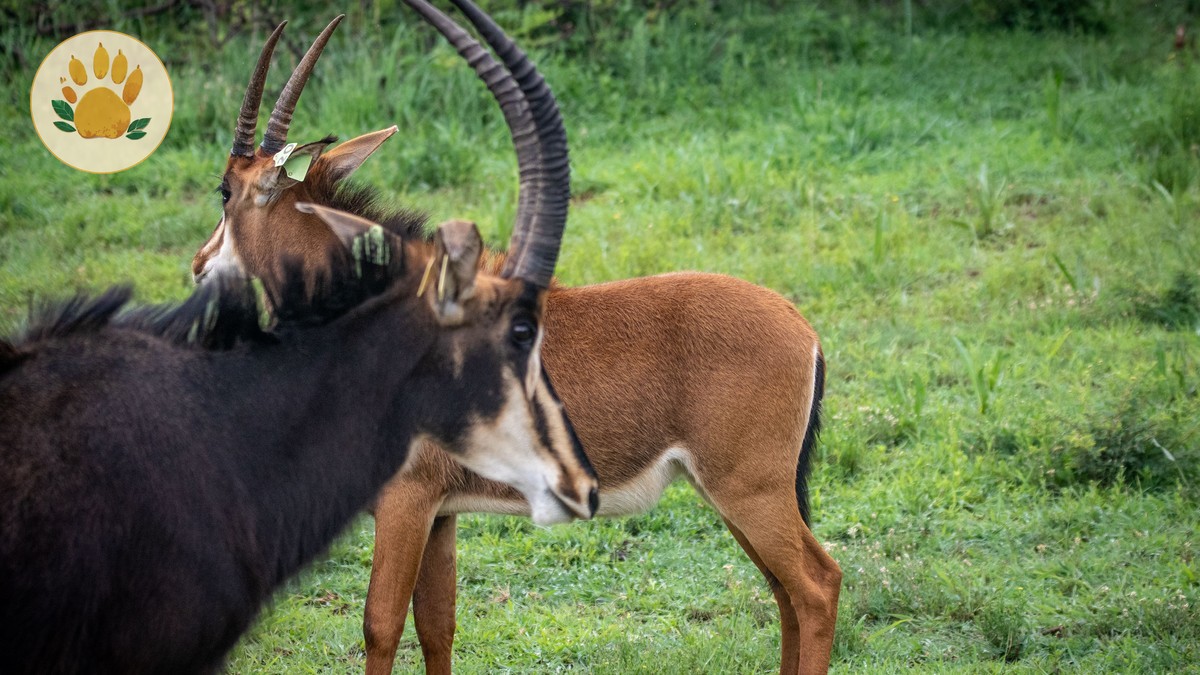
You have already done the Masai Mara. Maybe Amboseli too, with Kilimanjaro on the horizon and a dozen other vehicles at the same leopard sighting. That trip earns its reputation, but a second or third Kenya safari is different. This guide covers the least visited national parks in Kenya, the ones worth building a repeat trip around instead of repeating the same crowded circuit.
It covers Samburu, Meru, the Laikipia conservancies, Chyulu Hills, Ruma, and Kakamega Forest, with honest notes on what you gain and what you give up compared to the parks you already know. If planning your second Kenya safari is already on your mind, these are the places worth building it around.
Why the Least Visited National Parks in Kenya Are Worth It
The trade-off is straightforward. Wildlife density in Meru or Ruma is lower than in the Mara. You may go a full morning drive without a big cat sighting. In exchange, you get roads with no other vehicles, guides who know individual animals by name, and rates that are often 30 to 50 percent below Mara peak-season pricing. For a traveler who has already ticked off the big five, that trade makes sense. It is also a better fit for anyone who found the Mara’s July to October vehicle congestion at sightings more stressful than scenic.
There is a conservation angle too. Parks like Meru and Ruma depend on tourism revenue far more than the Mara does, since they get a fraction of the visitors. Choosing to stay there puts money into places that need it.
Samburu National Reserve
Samburu sits north of the equator on the Ewaso Nyiro River, about 325 km from Nairobi. The dry, red-soil landscape supports species you will not find further south: Grevy’s zebra, reticulated giraffe, gerenuk, Somali ostrich, and Beisa oryx, sometimes called the “special five” of the north. Elephant families come down to the river through the day, and leopard sightings along the riverine forest are reliable.
Drive time from Nairobi runs 5 to 6 hours via Nanyuki and Isiolo. Flights to Samburu airstrip take about an hour and cost roughly USD 200 to 300 one way, depending on the operator. The reserve is run by Samburu County, not KWS, and non-resident entry fees fall in the indicative range of USD 70 to 100 per adult per day. Confirm the current rate before booking, since county-run reserves adjust pricing independently of KWS.
Meru National Park
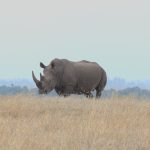
Meru is where Joy and George Adamson raised Elsa the lioness, and the park still carries that quieter, less-commercial identity. Doum palms line the rivers, and the terrain shifts between open grassland and dense bush, giving a different visual rhythm than the Mara’s flat plains. Black and white rhino live in a fenced sanctuary within the park, along with reticulated giraffe and healthy elephant numbers.
It is roughly 348 km from Nairobi, a 5 to 6 hour drive on tarmac most of the way. Charter flights to Kinna or Meru airstrip take 45 to 60 minutes. As a KWS park, expect non-resident fees in the indicative range of USD 60 to 75 per adult per day, likely adjusted from pre-2025 figures, so check current KWS rates directly.
Laikipia conservancies
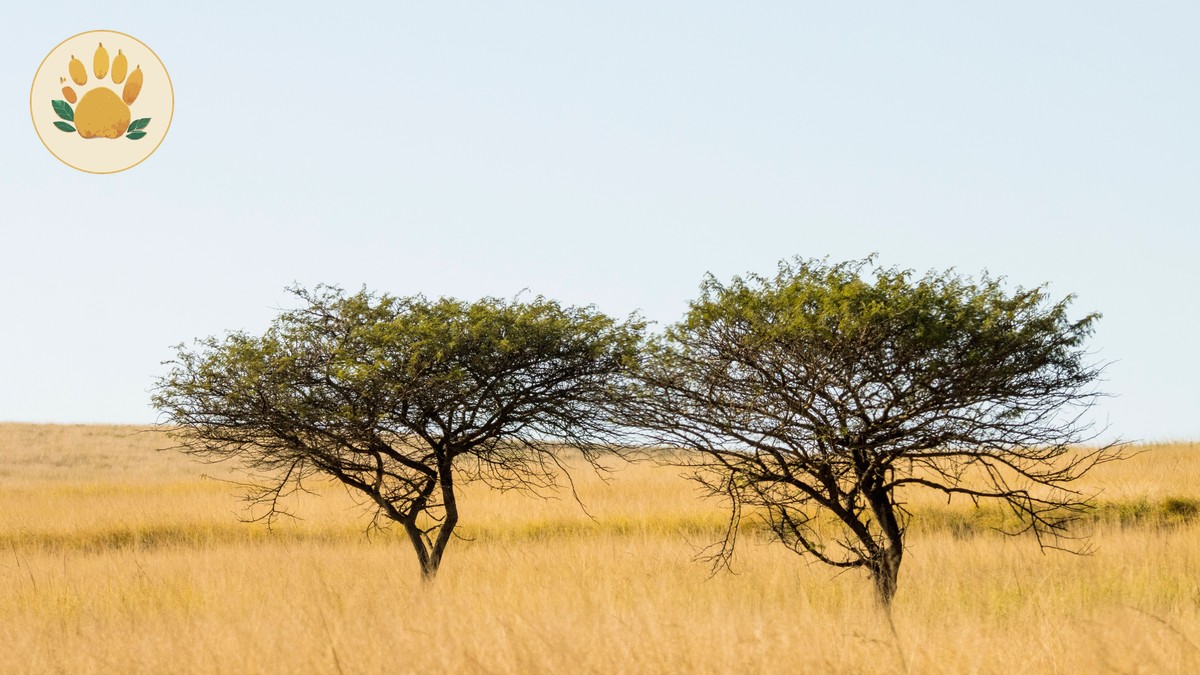
Laikipia is not one park but a patchwork of private and community conservancies, including Il Ngwesi, Loisaba, and Borana. This is where the repeat-visitor angle is strongest: walking safaris, night drives, and horseback safaris are permitted here in ways they are not inside most national parks. Il Ngwesi is run by the local Maasai community and shares profits directly with them.
Laikipia sits 3 to 5 hours from Nairobi by road, or about 45 minutes by air to airstrips like Loisaba or Nanyuki. Conservancy fees are bundled into lodge rates rather than charged separately, typically landing in the same indicative band as Naboisho or Mara North, around USD 80 to 150 per person per night on top of accommodation.
Chyulu Hills National Park
Chyulu Hills offers rolling volcanic hills with views of Kilimanjaro and Tsavo, plus lava tube caves and forest that feels closer to highland Scotland than typical savanna. Wildlife is thinner here than in a classic game park, but elephant, buffalo, and eland move through, and the birdlife is strong.
It sits about 250 km from Nairobi, roughly 4 to 5 hours by road via Emali, or 45 minutes by charter flight. As a KWS park, the non-resident entrance fee is USD 40 per adult per day, one of the lowest of any Kenyan national park.
Ruma National Park
Ruma, in Nyanza near Lake Victoria, is the only place in Kenya to reliably see roan antelope in the wild, alongside Rothschild’s giraffe and a small population of Jackson’s hartebeest. It is the least visited of the parks in this guide, and it shows in how few vehicles you will meet.
Getting there takes real commitment: about 400 km from Nairobi, 7 to 8 hours by road, or a flight to Kisumu followed by a 1.5 hour drive. Non-resident fees fall in the indicative range of USD 50 to 65 per adult per day. This is a park for travelers who value rarity over convenience.
Kakamega Forest
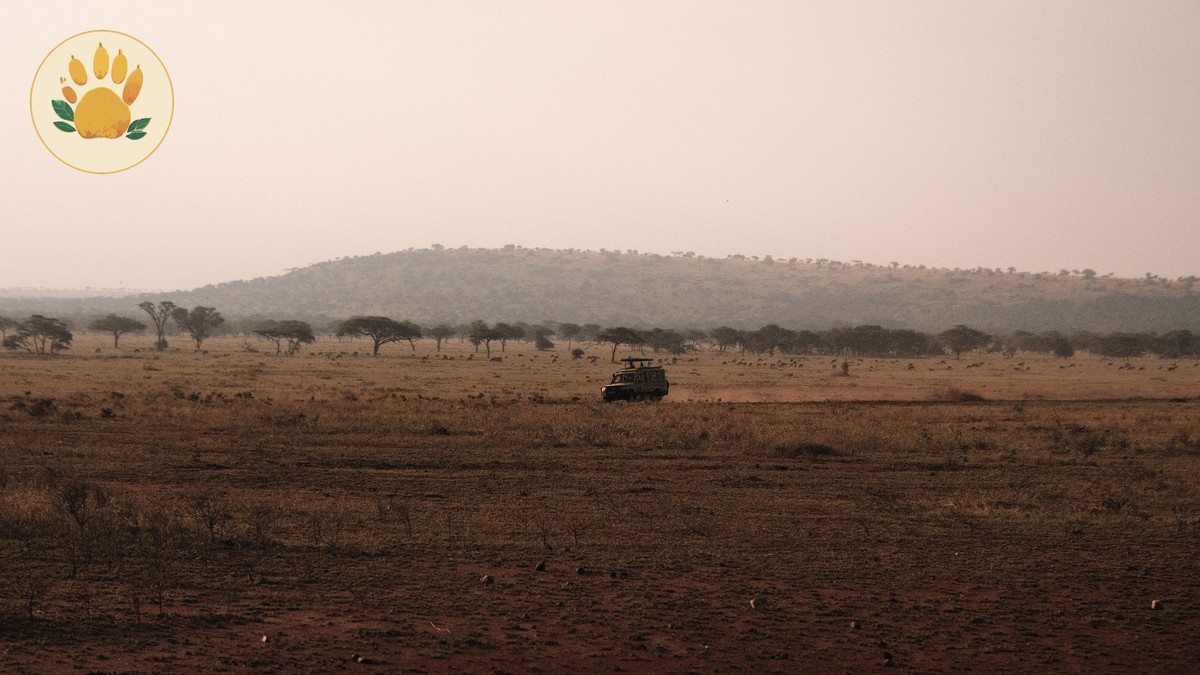
Kakamega is Kenya’s only tropical rainforest remnant, managed partly by the Kenya Forest Service rather than KWS. It rewards birders and walkers rather than game-drive visitors: over 360 recorded bird species, plus primates including the De Brazza’s monkey. For a full breakdown of species and trails, see our Kakamega Forest birding safari guide.
It lies about 415 km from Nairobi, near Kakamega town in western Kenya, roughly 7 hours by road or a flight to Kisumu plus a 1 hour drive. Forest entry fees are modest, in the indicative range of USD 20 to 30 per adult per day.
For a different flavor of quiet, the Kaya forests near Kilifi and Kwale on the coast offer sacred Mijikenda woodland sites rather than game parks. They are worth a day if you are already extending a trip coastward, though they sit outside the national park system covered here.
Distance, cost, and access at a glance
| Park / Reserve | Distance from Nairobi | Drive time | Flight time | Non-resident fee (per adult/day) |
|---|---|---|---|---|
| Masai Mara National Reserve | ~270 km | 5-6 hrs | ~45 min | USD 100 (Jan-Jun), USD 200 (Jul-Dec) |
| Amboseli National Park | ~240 km | 4 hrs | ~45 min | USD 90 |
| Samburu National Reserve | ~325 km | 5-6 hrs | ~1 hr | USD 70-100 (indicative) |
| Meru National Park | ~348 km | 5-6 hrs | ~45-60 min | USD 60-75 (indicative) |
| Chyulu Hills National Park | ~250 km | 4-5 hrs | ~45 min | USD 40 |
| Ruma National Park | ~400 km | 7-8 hrs | Kisumu + 1.5 hr drive | USD 50-65 (indicative) |
For a fuller picture of what a trip like this costs by comfort level, our Kenya safari cost breakdown by tier lays out camp pricing across budget, mid-range, and luxury options.
Best time to visit
June through October gives the driest roads and best game visibility across all these parks, same as the Mara. But the quieter parks handle the shoulder months better than the Mara does. Meru and Samburu stay accessible through November and into December, and rates at private camps often drop 20 to 30 percent outside July to October. Kakamega is a year-round destination since forest birding is not weather-dependent the way plains game viewing is.
A 4×4 is recommended for Meru, Ruma, and the Laikipia conservancies, especially after rain. Chyulu Hills and Kakamega have better all-weather road access. None of these require a charter flight, but flying in cuts a 6 to 8 hour drive down to under an hour, which matters if you are combining two or three parks in one trip.
The SafariPure Difference
We plan trips around what a traveler has already seen, not a generic circuit. If you have done the Mara and Amboseli, we will not sell you a repeat of the same drives with a different logo on the vehicle. Our guides know the individual conservancies in Laikipia, the rangers at Ruma, and which Meru camps are worth the extra hour of driving. We give straight answers on cost and access before you book, not after.
Plan your next Kenya safari
If Samburu, Meru, or the Laikipia conservancies sound like the right next step, we can help you build an itinerary around them. Visit our Kenya safari tours page to see current options, or reach out through our contact page to start planning.
More safari planning resources
- Kenya wildlife tours from Trunktrails Safaris
- Kenya national parks map from Valley Safaris
- Samburu National Reserve guide on Touring Insights
- Samburu destination guide on FindMySafari
Related guides: The Best Parks for Bird Photography in Kenya, Camera Permit Fee for Kenya’s National Parks: 2026 Guide, Meru National Park Safari Guide: Kenya’s Quiet Gem.