If you have already done the Masai Mara, watched a river crossing, and ticked off the Big Five in a day, Meru National Park asks something different of you. It asks for patience. In return it gives you rivers lined with doum palms, near-empty tracks, and the kind of quiet that the Mara stopped offering years ago.
This Meru National Park safari guide is written for travelers who already know Kenya. It covers the real numbers: distances, 2026 park fees, camp prices, and how many days you actually need. It also tells you plainly who should skip Meru.
Meru National Park Safari Guide: Overview, Location and History
Meru National Park sits in eastern Kenya, about 350 km northeast of Nairobi, on the eastern flank of Mount Kenya. The park covers roughly 870 square kilometers, part of a wider ecosystem that includes Bisanadi National Reserve, Mwingi, and Kora National Park.
Meru became internationally known through Joy and George Adamson’s work with Elsa the lioness, the story behind the book and film “Born Free.” Elsa was raised and released back into the wild here in the 1950s, and her grave still sits on the kopje where Elsa’s Kopje lodge now stands.
The park’s more recent history is harder. Elephant and rhino poaching gutted wildlife numbers through the 1980s and into the 1990s, and Meru was effectively closed to tourism for years. The Kenya Wildlife Service rebuilt it from the early 2000s, restocking rhino from Nairobi National Park and Solio Ranch and rebuilding roads and security. That rebuild is a large part of why Meru feels different today. Fewer vehicles, fewer visitors, and a park that had to earn its wildlife back.
Wildlife and the Big Five
Meru holds all of the Big Five, but finding them takes longer than in the Mara. Thick riverine vegetation and doum palm forest give lion, leopard, and buffalo more cover to disappear into.
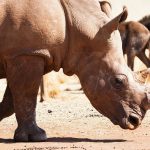
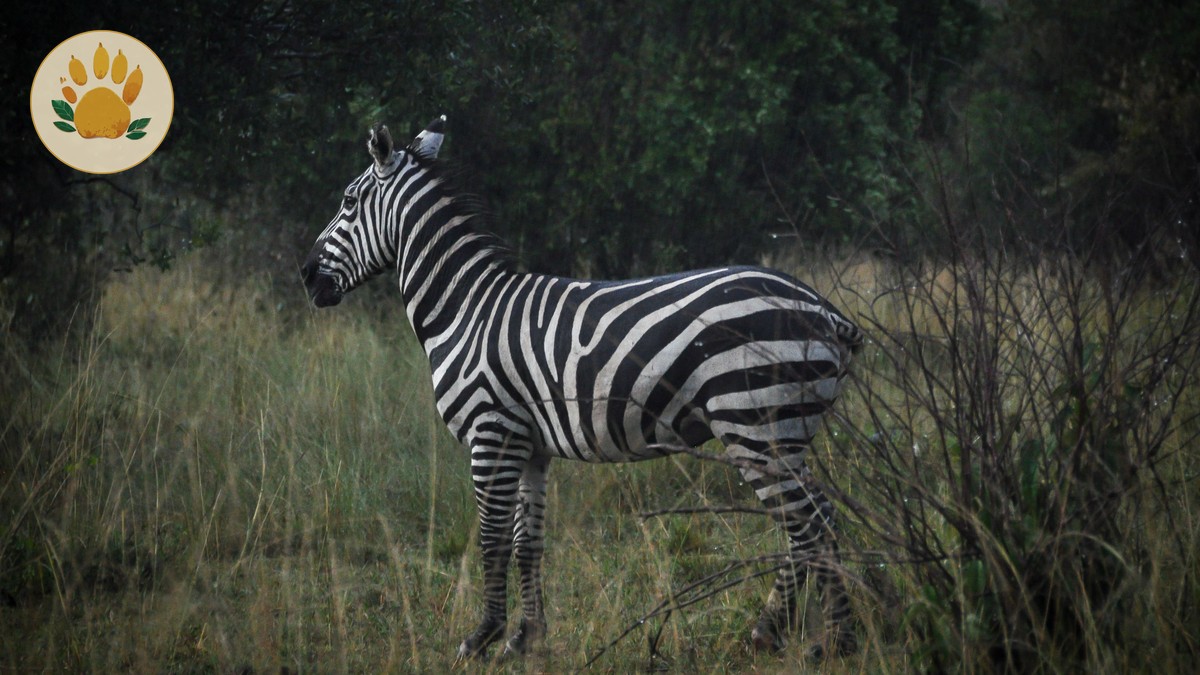
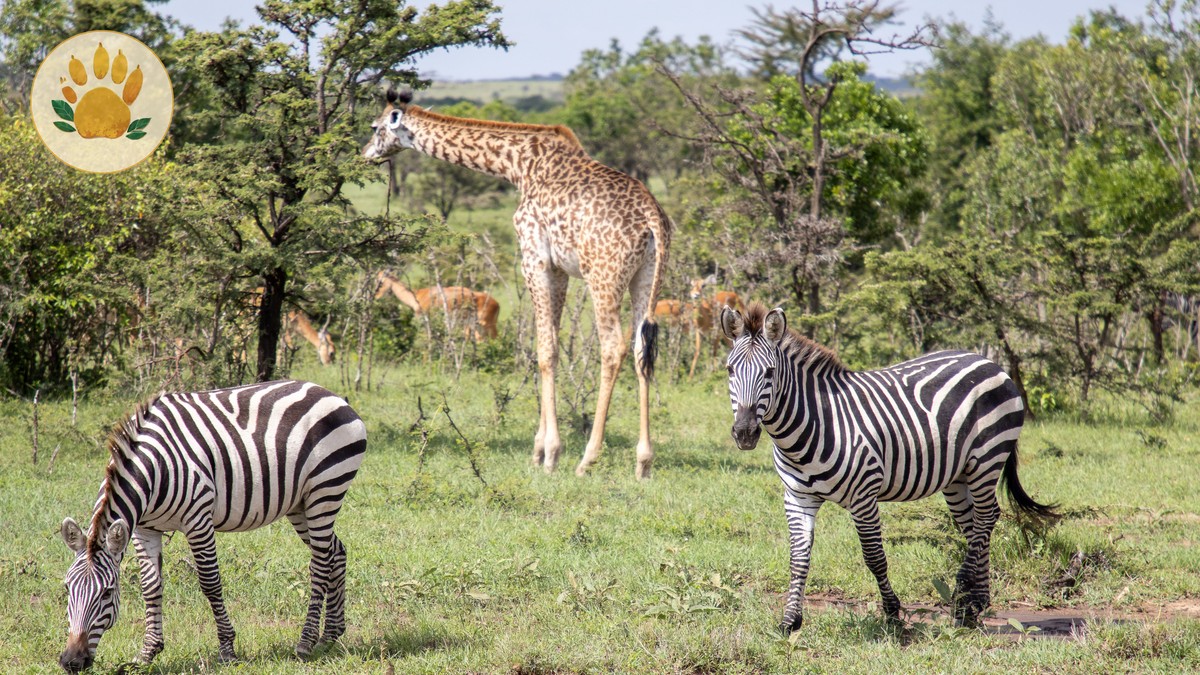
The fenced Meru Rhino Sanctuary, roughly 48 square kilometers within the park, protects both black and white rhino under armed KWS patrol. It is one of the more reliable rhino-viewing spots in Kenya outside Ol Pejeta and Lake Nakuru. Elephant, Grevy’s zebra, reticulated giraffe, gerenuk, and lesser kudu also appear here, species more associated with Samburu than with central Kenya. Cheetah and wild dog sightings happen but are genuinely uncommon.
Birdwatching
Meru’s rivers, swamps, and mixed woodland support more than 400 recorded bird species, including palm nut vulture, Pel’s fishing owl, and a long list of kingfishers along the Tana and Rojoweru rivers. For visitors chasing birds specifically, Meru sits alongside one of Kenya’s best parks for bird photography and rewards slow, still mornings by the water more than fast game drives.
Best Time to Visit
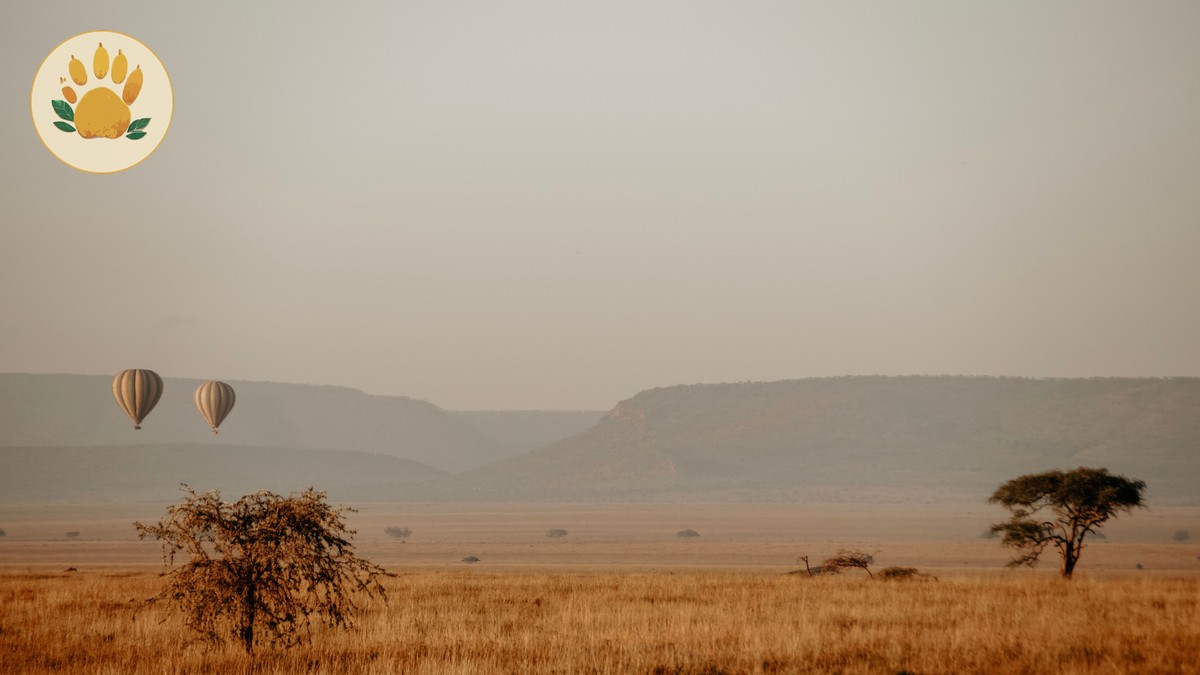
The dry seasons, June to September and December to March, offer the easiest game viewing and firmer roads. April, May, and November bring rain that turns black cotton soil into a real problem for two-wheel-drive vehicles. Even in the dry months, Meru’s permanent rivers keep the landscape green, which is part of its appeal. This is not the dust-bowl safari look many visitors expect.
Getting There
Self-drive from Nairobi takes about 5 to 6 hours, roughly 350 km via Nanyuki and Meru town, with the last stretch on murram road to Murera Gate. It is doable in a solid 4×4, but tiring as a same-day drive into a game drive.
Most repeat visitors fly. Safarilink and AirKenya run scheduled flights from Wilson Airport to Kinna or Elsa’s Kopje airstrip, about 45 to 60 minutes in the air. Combining Meru with Samburu National Reserve works well by air too, roughly 30 to 40 minutes between airstrips versus 4 to 5 hours by road.
2026 Park Fees
KWS places Meru in its “Wilderness B” park fee tier for 2026. Non-resident adults pay roughly $70 per person per day, booked and paid through the eCitizen portal. Children pay a reduced rate, typically around half that figure. Gates are cashless. No cash, and often no card, is accepted on-site, so payment has to go through eCitizen or an approved safari operator before you arrive. Rates change periodically, so confirm the current figure before you travel.
Activities
Meru offers more variety than a standard game-drive park. Morning and afternoon game drives are the backbone, but night drives are permitted in parts of the park under a licensed guide, something the Mara does not generally allow. Guided walking safaris near Kinna and Murera let you look at tracks and dung up close, with an armed ranger. Fishing is possible on the Tana and Ura rivers with a permit, mostly for catfish and tilapia. Cultural visits to nearby Meru and Tharaka communities can be arranged through camps, focused on farming and traditional medicine rather than staged performances.
Where to Stay
Camps range from KWS self-catering bandas to one of the more storied luxury lodges in Kenya.
| Camp or Lodge | Style | Approx. price per person/night (USD) | Notes |
|---|---|---|---|
| Elsa’s Kopje | Luxury, Elewana Collection | $700-950 | Built into the kopje where Elsa is buried |
| Leopard Rock Lodge | Luxury/mid-range | $350-550 | Rebuilt original 1970s lodge site |
| Offbeat Meru Camp | Mid-range tented | $300-450 | Small camp, six tents, riverside |
| Rhino River Camp | Mid-range tented | $250-350 | Close to the rhino sanctuary |
| Kinna and Murera Bandas (KWS) | Budget, self-catering | $25-40 | Basic, bring your own food and driver-guide |
Prices are indicative for 2026 and swing with season and operator. Compare that to a mid-range Mara camp, which regularly starts closer to $450 to $600 per person, and Meru’s value case gets clearer even before you account for the crowds you avoid.
How Many Days Do You Need
Two full nights, three days, is the practical minimum to justify the drive or flight and get a proper feel for the rhino sanctuary and river circuits. Three nights lets you add a walking safari and a slower birding morning without rushing.
Meru pairs naturally with a longer central Kenya loop. Ol Pejeta Conservancy is about 150 km away via Nanyuki, roughly 3 to 3.5 hours by road, and works well as a stop before or after Meru. Samburu is a similar distance by road but a short hop by air, and the two parks share species like Grevy’s zebra and gerenuk that neither the Mara nor Amboseli offer. If you are building a longer central and northern Kenya route, Aberdare National Park is another underrated Kenyan park worth adding to your itinerary, particularly for its moorland and waterfalls.
Meru vs Masai Mara
Both parks are excellent. They are not interchangeable, and being honest about the difference matters more than praising Meru uniformly.
| Factor | Meru National Park | Masai Mara |
|---|---|---|
| Distance from Nairobi | ~350 km (5-6 hrs road) / ~1 hr flight | ~270 km (5-6 hrs road) / ~45 min flight |
| Park size | ~870 sq km | ~1,510 sq km (reserve only) |
| Non-resident entry fee (adult/day) | ~$70 | ~$100 (peak season, Narok County + reserve fees) |
| Predator sighting odds | Moderate, dense cover | High, open grassland |
| Vehicle density on a sighting | Usually 0-1 other vehicles | Often 5-20+ in peak season |
| Best for | Repeat visitors, birders, solitude | First-time visitors, guaranteed predator action |
If this is your first trip to Kenya, or you need dependable predator sightings for a short window, the Mara is the safer choice. Meru rewards visitors who already have their Big Five photos and want a park where the wildlife feels earned rather than staged for a vehicle queue.
Frequently Asked Questions
Is Meru National Park worth visiting? Yes, for repeat visitors or anyone prioritizing quiet over guaranteed sightings. First-timers wanting fast, reliable predator action may prefer the Mara first.
Is Meru National Park safe to visit? Yes. KWS security has been strong since the post-poaching rebuild in the early 2000s, and the rhino sanctuary carries armed patrols.
Can you self-drive in Meru National Park? Yes, with a capable 4×4, especially in dry season. Roads soften quickly in the rains.
Can Meru be combined with Samburu or Ol Pejeta on one trip? Yes. Both work well by road or light aircraft, and pairing Meru with either avoids backtracking to Nairobi.
The SafariPure Difference
We do not sell Meru as a substitute for the Mara. It is a different kind of park, and we say so before you book. Our itineraries pair Meru’s rivers and rhino sanctuary with Samburu or Ol Pejeta when the trade-offs suit you, and we skip it entirely when a client needs guaranteed predator sightings on a short trip. We quote 2026 KWS fees accurately, book eCitizen payments in advance since gates are cashless, and match you with camps like Elsa’s Kopje or Offbeat Meru Camp based on budget, not commission. If you are new to planning trips like this, our guide to choosing a safari operator you can trust covers what to ask before you sign anything.
Plan Your Trip
Meru rewards travelers who know what they are choosing and why. If you want a Kenya itinerary built around real trade-offs rather than uniform praise, get in touch with SafariPure and we will help you decide whether Meru, Samburu, or a combination of both fits your trip.