If you have already done the Mara, Kakamega Forest asks a different question. Not “how many big cats today” but “what just called from that canopy.” This is Kenya’s only surviving patch of Guineo-Congolian rainforest, a habitat type more typical of Uganda and the Congo Basin than East Africa’s grass and acacia country. For a repeat visitor who wants Samburu-style novelty without leaving Kenya, that alone makes it worth a serious look.
This Kakamega Forest birding safari guide covers what most tour pages skip: the real entry fee structure, named lodging with current prices, and an honest read on whether the detour fits your itinerary.
Kakamega Forest Birding Safari Guide: What Makes This Forest Different
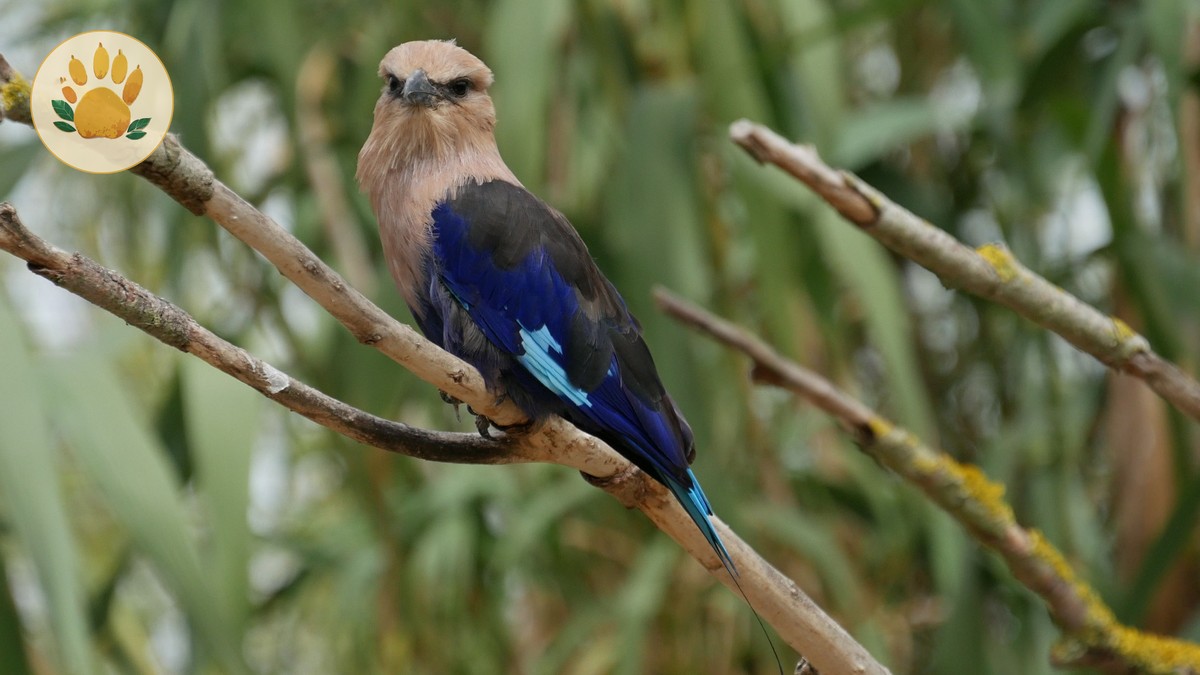
Most Kenyan safari circuits run through savanna. Kakamega is closed-canopy rainforest, a 238 square kilometer remnant of forest that once stretched across the continent. That means different birds, different light, and a different pace. You walk instead of drive. You listen before you look. Species found here, such as the great blue turaco, do not turn up anywhere else in Kenya’s main safari circuit.
For visitors who have already covered the Mara, Amboseli, and Tsavo, this is the closest thing Kenya offers to a genuinely new ecosystem.
Birds Worth the Trip
Kakamega’s checklist runs past 360 species, with a set of regional specials that draw serious birders:
- Great blue turaco – large, loud, and hard to miss in the canopy
- Blue-headed bee-eater – a Kakamega specialty rarely seen elsewhere in Kenya
- Red-headed malimbe – a weaver-family bird tied closely to this forest type
- Turner’s eremomela – small, quiet, and a genuine target bird for listers
- Chapin’s flycatcher – uncommon and a reason serious birders fly in specifically
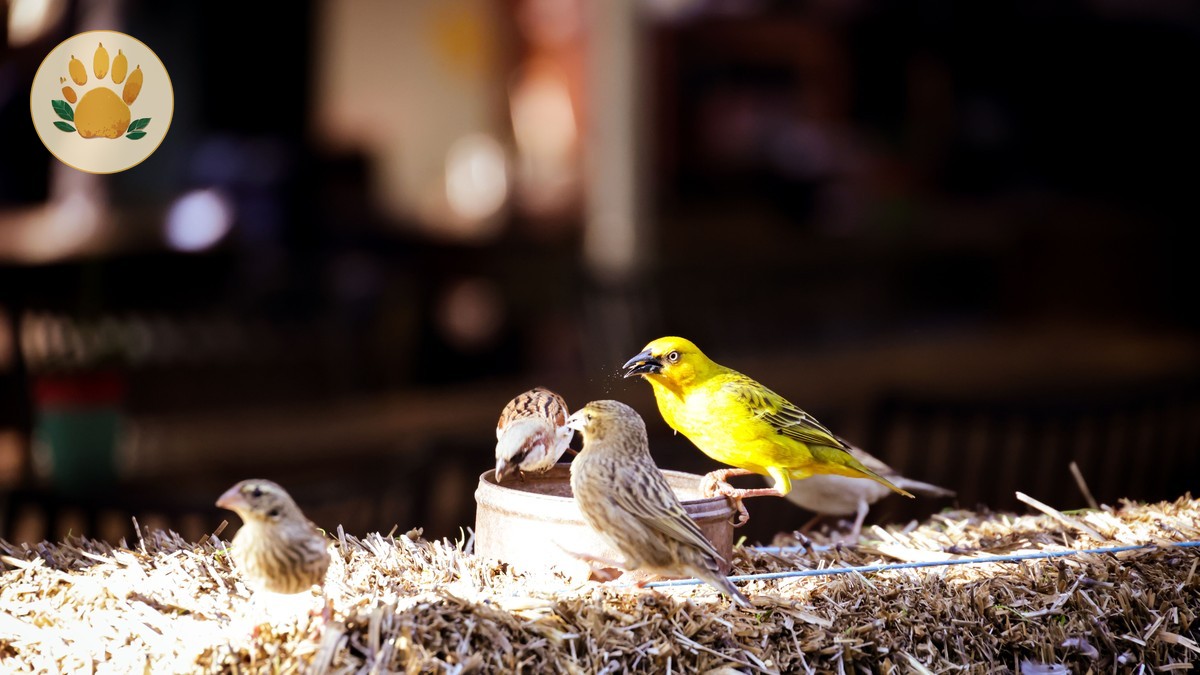
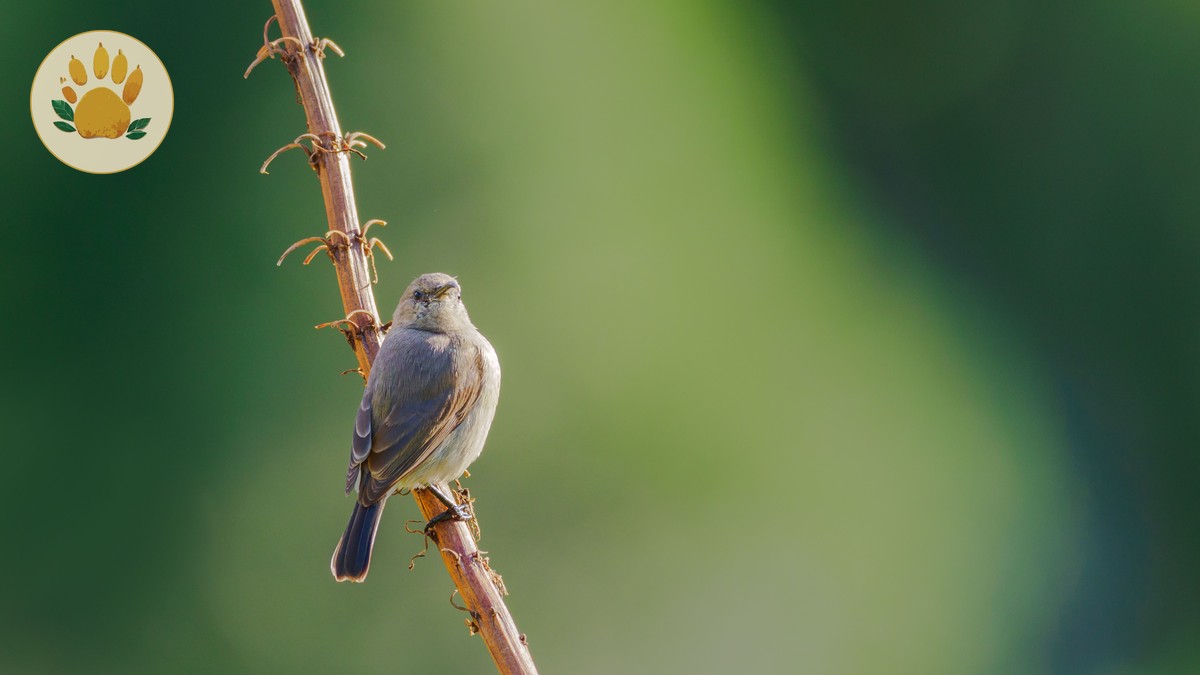
Beyond the specials, expect hornbills, sunbirds, greenbuls, and a steady stream of migrants between November and April.
Best Time to Visit for Birding
The dry seasons, from June to September and again from December to February, give the easiest walking conditions and the clearest forest views. Trails turn muddy fast in the long rains of March to May, though birding itself stays productive since rain draws out insects and fruiting trees.
Palearctic migrants pass through from November to April, adding volume to an already long species list. If you want maximum diversity, aim for December or January. If you want quieter trails and drier feet, June through August works well.
Getting There From Nairobi
Kakamega sits in western Kenya, well off the standard Nairobi-Mara-Amboseli loop. Budget a full travel day either way.
| Route | Distance | Travel Time | Notes |
|---|---|---|---|
| Nairobi to Kakamega by road | ~415 km | 7-8 hours | Tarmac most of the way, via Nakuru and Kisumu |
| Nairobi to Kisumu by air | ~350 km | 45 minutes | Daily scheduled flights |
| Kisumu to Kakamega by road | ~55 km | 1-1.5 hours | Easiest transfer option |
| Nairobi to Eldoret by air | ~310 km | 50 minutes | Then roughly 1 hour by road to Kakamega |
Flying into Kisumu and transferring by road is the most practical option for a shorter trip. Driving the whole way makes sense only if you are combining Kakamega with other western Kenya stops, such as Lake Victoria or Kericho’s tea country.
Entry Fees and Permits: The Part Nobody Explains Clearly
This is where most guides go vague, and it matters because Kakamega Forest is split between two separate authorities with two separate fee structures. Which gate you enter through decides what you pay.
| Zone | Managed By | Non-Resident Entry Fee | Extra Costs |
|---|---|---|---|
| Kakamega Forest National Reserve (Buyangu gate) | Kenya Wildlife Service (KWS) | Indicative range: around $20/adult/day, confirm before travel | Vehicle and camping fees may apply |
| Kakamega Forest Reserve (Isecheno / Rondo side) | Kenya Forest Service (KFS) | Indicative range: around $5-6/adult/day | Guided walk fee of roughly Ksh 500-1000 per walk |
The Buyangu side, run by KWS, is the more developed entrance with a visitor center and defined trail network. The Isecheno and Rondo side, run by the Kenya Forest Service, is quieter, cheaper to enter, and closer to Rondo Retreat. Most serious birding trips base themselves on the KFS side and walk with a local guide.
Because these figures shift and the two-agency split confuses even seasoned travelers, it helps to understand how Kenya’s park entry fees work before you budget the rest of your trip. It is also worth reading up on hidden extra costs on safari tours, since guided walk fees, community levies, and vehicle charges rarely appear in the headline price.
Guides and Forest Walking Rules
Walking alone in Kakamega is discouraged and, on the KFS side, generally not allowed without a registered guide. This is not bureaucracy for its own sake. The forest is dense, trails fork often, and local guides know call notes that turn a walk into an actual bird list. Expect to pay the guide directly, on top of the entry and walk fees noted above.
Early morning walks, starting around 6 am, give the best activity before the canopy heats up and birds go quiet. A second walk near dusk covers different species, including some nocturnal primates.
Long sleeves and closed shoes are worth packing. Forest trails bring biting insects, and it is worth reading up on protecting yourself from insect bites on forest walks before you go.
Where to Stay
Rondo Retreat is the anchor property for Kakamega, a colonial-era guesthouse set inside the KFS-managed forest reserve, from roughly $165 per night including meals. It puts you within walking distance of the best birding trails on the Isecheno side, which matters when your best birding hours start before breakfast.
Alternatives are limited compared to mainstream safari circuits:
- Isecheno Forest Station bandas, basic KFS-run accommodation near the forest reserve entrance, priced well below Rondo Retreat
- Kakamega town hotels, a 20-30 minute drive from the forest, useful as a budget fallback but adding daily transfer time
- Community campsites near Buyangu gate on the KWS side, for self-sufficient travelers with camping gear
Rondo Retreat books up during the December and January migrant season, so reserve well ahead if that is your target window.
How Many Days to Allow
Two full days of walking is the practical minimum to see a representative slice of Kakamega’s specials, since forest birding is slower and more concentrated than savanna game drives. Three days suits dedicated birders chasing the harder targets like Chapin’s flycatcher. A single overnight is workable if you are already in western Kenya and just want a taste of the rainforest, but expect a shorter species list.
Other Wildlife Beyond Birds
Kakamega is not only a bird destination. The forest holds several primate species, including red-tailed monkeys, blue monkeys, and de Brazza’s monkeys, along with over 400 recorded butterfly species. Night walks turn up bushbabies and, occasionally, the elusive potto, a slow-moving nocturnal primate rarely seen elsewhere in Kenya.
Is It Worth the Detour?
For a birder building a trip around species lists, yes, without much debate. Kakamega delivers birds found nowhere else on the standard Kenya circuit.
For a general safari traveler on a first or second trip focused on the Mara and Amboseli, the honest answer is more mixed. The 7-8 hour drive from Nairobi, or the flight-plus-transfer combination, is a real commitment for a forest that does not offer classic big game. It suits repeat visitors who have already covered the marquee parks and want something genuinely different, paired well with Samburu or a Laikipia conservancy stop on the same western or northern loop.
The SafariPure Difference
We do not sell Kakamega Forest as an add-on because it photographs well. We recommend it when it fits the traveler, typically someone who has already done a Mara safari and wants a rainforest ecosystem with a real species list to show for it. We name the actual gate, the actual guide arrangement, and the actual lodge rate, because vague itineraries are how people end up paying twice for the same permit or arriving at the wrong entrance. Where a competitor page lists five turaco photos, we would rather tell you which side of the forest to book and why.
FAQs
Is Kakamega Forest worth visiting for birding? Yes, for anyone building a serious Kenya bird list. It holds species found nowhere else in the country’s main safari circuit.
How many days do you need? Two full days covers the highlights. Three suits dedicated birders after harder targets.
What is the best time of year? June to September and December to February for easier walking. November to April adds migrants to the list.
How much does it cost to enter? Roughly $20 per adult per day on the KWS-run National Reserve side, or roughly $5-6 plus a guided walk fee of Ksh 500-1000 on the Kenya Forest Service side. Confirm current rates before you travel.
What is the difference between the two Kakamega zones? The National Reserve, entered via Buyangu gate, is run by KWS. The Forest Reserve, entered via Isecheno or Rondo, is run by the Kenya Forest Service. Fees and facilities differ between them.
Do you need a guide? Yes, in practice. Registered local guides are required on the KFS side and strongly recommended everywhere in the forest.
Where should I stay? Rondo Retreat, from around $165 per night, is the established option on the Forest Reserve side. Budget bandas and Kakamega town hotels are the main alternatives.
Can it be combined with a Masai Mara trip? Yes, though it requires a separate leg through western Kenya. It pairs more naturally with a northern or western circuit including Samburu or Laikipia.
Plan Your Kakamega Forest Trip
If a rainforest detour fits your next Kenya itinerary, we can help you sequence it against the Mara, Samburu, or Laikipia without wasting travel days. Get in touch with SafariPure to start planning.