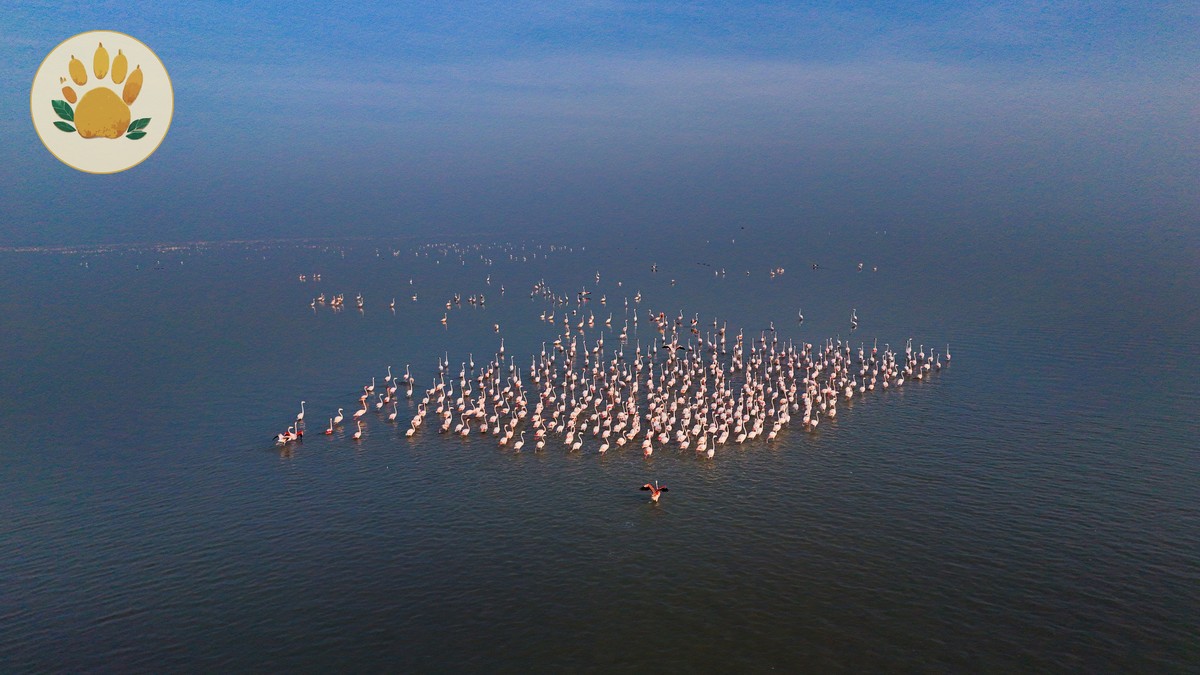
If you have already done the Mara, you are probably looking for the best places to see flamingos in Kenya right now. Here is the honest answer: that classic shot of a soda lake turned pink by millions of flamingos is probably not happening at Nakuru anymore.
Since 2013, rising water levels have pushed Lake Nakuru’s soda concentration down and its algae blooms with it, and the flamingos that made the park famous have mostly moved on. Most roundup posts still lead with Nakuru out of habit. This one leads with where the birds actually are in 2026: Lake Bogoria and, on a good week, Lake Elmenteita.
Best Places to See Flamingos in Kenya: Which Lake Should You Choose
There is no single right answer, because flamingos follow algae blooms, not a calendar. But the three lakes behave differently enough that you can plan around the odds rather than luck.
| Lake | Distance from Nairobi | Drive time | Entry fee (indicative) | 2026 flamingo reliability |
|---|---|---|---|---|
| Lake Nakuru National Park | approx. 160 km | 2.5 to 3 hours | USD 90/adult/day (KWS) | Low. Numbers down sharply since 2013 |
| Lake Bogoria National Reserve | approx. 230 km | 3.5 to 4 hours | approx. USD 20 to 25/adult/day (Baringo County reserve, confirm before travel) | High. Currently the most reliable of the three |
| Lake Elmenteita | approx. 120 km | 2 hours | approx. USD 20 to 30/adult/day (private conservancy access, confirm before travel) | Medium. Smaller flocks, strong on the right week |
If flamingos are your main goal and you only have one day, Bogoria is the safer bet. If you want flamingos alongside rhino, buffalo and a full game drive, Nakuru still delivers on the rest of the park even in a thin flamingo year. Elmenteita works well as a half-day stop between Nairobi and Nakuru town.
Greater and Lesser Flamingos: What You Are Actually Seeing
Kenya’s soda lakes host two species. Lesser flamingos are smaller, deep pink, and feed on the blue-green algae that gives the lakes their color and the birds their pigment. Greater flamingos are taller, paler, and eat small crustaceans and invertebrates, often standing at the edges of the same flocks. For a closer look at telling greater and lesser flamingos apart, bill shape is the fastest tell. Lesser flamingos have a dark, almost all-black bill, while greater flamingos show pink with a black tip.
Both species are soda-lake specialists. Rising or falling water changes salinity, which changes algae growth, which decides whether a lake is worth visiting that month.
Lake Nakuru National Park Today
Lake Nakuru National Park covers about 188 square kilometers and sits inside a fenced park with healthy rhino, lion and buffalo populations. The lake itself has more than doubled in surface area since 2010, diluting the soda concentration flamingos need. Some birds still pass through, and a lucky week can bring thousands back. But if you’re asking do flamingos still live at Lake Nakuru?, the fair answer is: sometimes, in smaller numbers, and never guaranteed. Go for the park’s other wildlife and treat flamingos as a bonus.
Entry is USD 90 per adult per day (KWS non-resident rate).
Lake Bogoria National Reserve
Lake Bogoria sits in a steep, hot valley in Baringo County, ringed by hot springs and geysers near the Loboi Gate. It has become the most consistent flamingo lake in Kenya over the past decade, often hosting large concentrations of lesser flamingos along its southern and eastern shores. The reserve is quieter than Nakuru, with far fewer vehicles, and the hot spring stops add something Nakuru does not offer.
Entry fees are set by Baringo County and typically run in the USD 20 to 25 per adult per day range. Confirm the current rate before you travel, since county-run reserves adjust pricing outside the KWS schedule.
Lake Elmenteita
Lake Elmenteita is a shallow, unfenced soda lake between Nakuru and Naivasha, accessed mainly through Soysambu Conservancy on its southern shore. It is smaller than Nakuru or Bogoria and does not always hold flamingos, but when algae bloom here the flocks can be dense and the birds approachable. It also has pelicans and a resident population of Rothschild’s giraffe, so it rarely feels like a wasted stop even on a slow flamingo day.
Conservancy access fees vary by operator, generally in the USD 20 to 30 per adult per day range.
Other Lakes Worth Knowing
Lake Naivasha is freshwater, not soda, so it rarely holds flamingos, though it is worth visiting for hippos and Crescent Island. Lake Magadi, south toward the Tanzania border, is a working soda lake that occasionally hosts flamingos in its shallow margins, though facilities are basic. Lake Turkana, far north, holds breeding colonies at Central Island but is a multi-day trip on its own. Amboseli’s swamps attract flamingos only occasionally and should not be the reason you visit that park.
Best Time of Year and Viewing Responsibly
Flamingos in Kenya do not follow a strict season. They move between lakes as algae blooms shift, sometimes within weeks. June through September tends to bring stronger sightings at Bogoria, but this changes year to year, so check current reports before booking around a specific lake. Early morning, from sunrise to around 9am, is when birds feed most actively and light is best for photographs.
Stay on marked tracks and keep a reasonable distance. Flamingos are easily disturbed by vehicles that approach too fast or too close, and a spooked flock can abandon a feeding ground for days. If birding interests you beyond flamingos, a birding-focused safari itinerary through Kakamega Forest pairs well with a Rift Valley lakes circuit.
Getting There from Nairobi
All three main lakes are reachable by road from Nairobi via the A104 highway through Naivasha and Nakuru town. Elmenteita is the closest turnoff, Nakuru National Park is next, and Bogoria requires continuing north past Nakuru town toward Marigat. Self-drive is possible on tarmac roads, though reserve tracks around Bogoria are rougher and better suited to a 4×4.
The SafariPure Difference
We check flamingo movement before we build an itinerary around it, not after. That means calling contacts at Bogoria and Elmenteita for current bird counts rather than repeating last year’s numbers, and being upfront when a lake is having a quiet month. We would rather send you to Bogoria for a real flock than to Nakuru for an empty shoreline, even if Nakuru is the name you already know.
FAQs
Where can I see flamingos in Kenya? Lake Bogoria currently offers the most reliable sightings, followed by Lake Elmenteita on a good week. Lake Nakuru still sees flamingos occasionally but in far smaller numbers than a decade ago.
Is Lake Nakuru or Lake Bogoria better for flamingos? Bogoria is better for flamingos specifically. Nakuru remains strong for rhino, lion and general game viewing.
Why did the flamingos leave Lake Nakuru? Rising water levels since 2013 diluted the lake’s soda concentration, reducing the algae blooms flamingos feed on.
How far is Lake Bogoria from Nairobi? About 230 km, roughly 3.5 to 4 hours by road.
Can you see flamingos year-round in Kenya? Not reliably at any single lake. Flocks move based on algae conditions, so checking recent reports before travel matters more than the calendar month.
What time of day are flamingos most active? Early morning, generally sunrise to around 9am, is best for feeding activity and light.
Can I combine flamingo viewing with a Masai Mara safari? Yes. Many itineraries add a Rift Valley lakes stop on the drive between Nairobi and the Mara, or as a separate two to three day extension.
Ready to see it for yourself? Talk to SafariPure about planning your Rift Valley lakes trip and we will build the route around where the flamingos actually are this month.