Most itineraries near the Masai Mara include an optional stop at a Maasai village, usually called a boma or manyatta. It sits between a real cultural exchange and a paid photo opportunity, and which one you get depends on where you go and what you know beforehand. This guide covers visiting Maasai village etiquette, the real costs, and how to tell a community-run visit from a roadside one built purely for tour buses.
Visiting Maasai Village Etiquette: What Actually Happens During a Visit
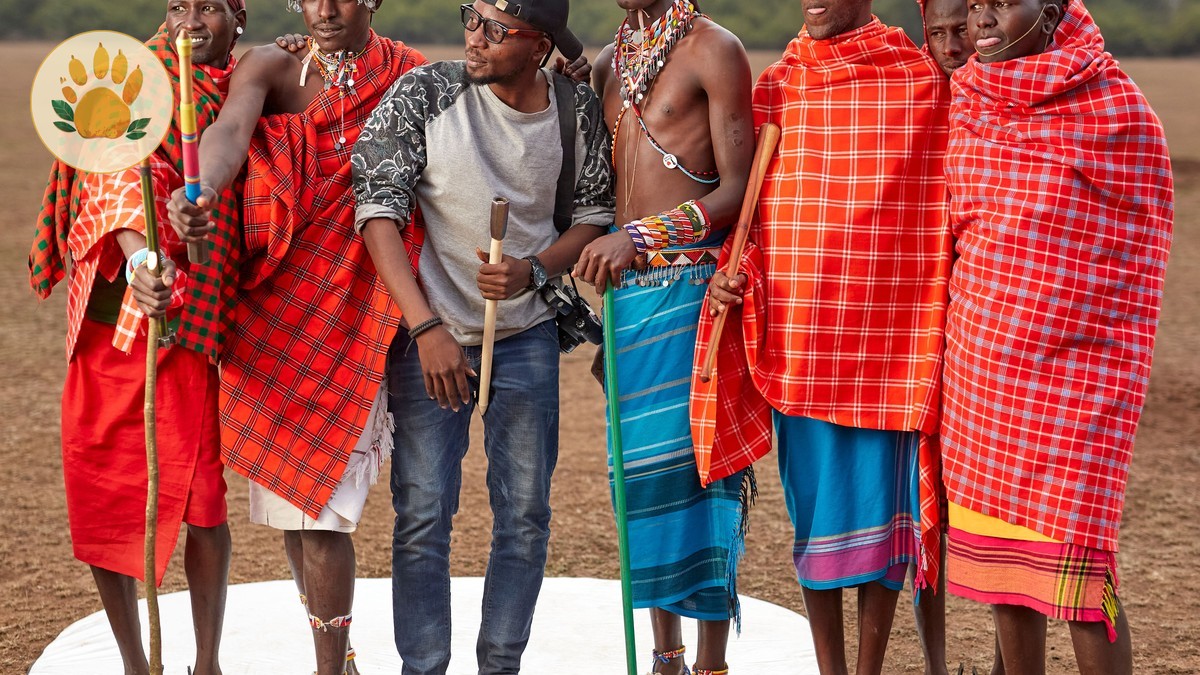
Most visits follow a similar pattern and last 45 minutes to an hour. A guide from the village meets your vehicle at the gate, often already dressed in a shuka, the red or patterned cloth wrap worn daily.
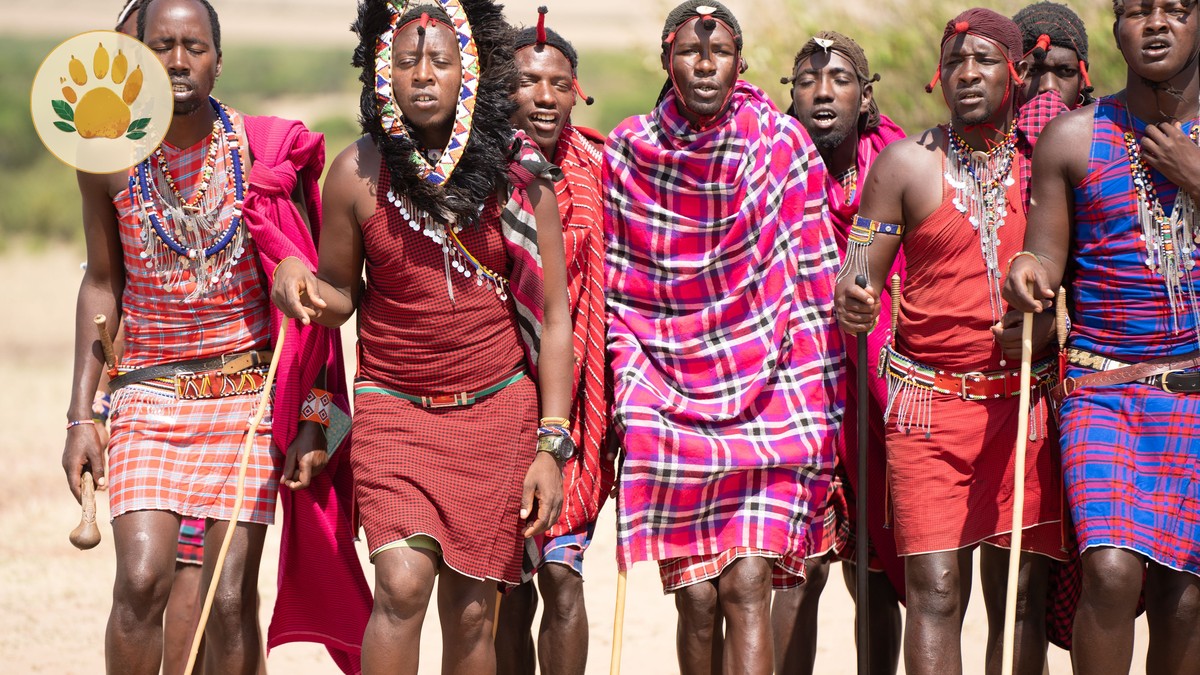
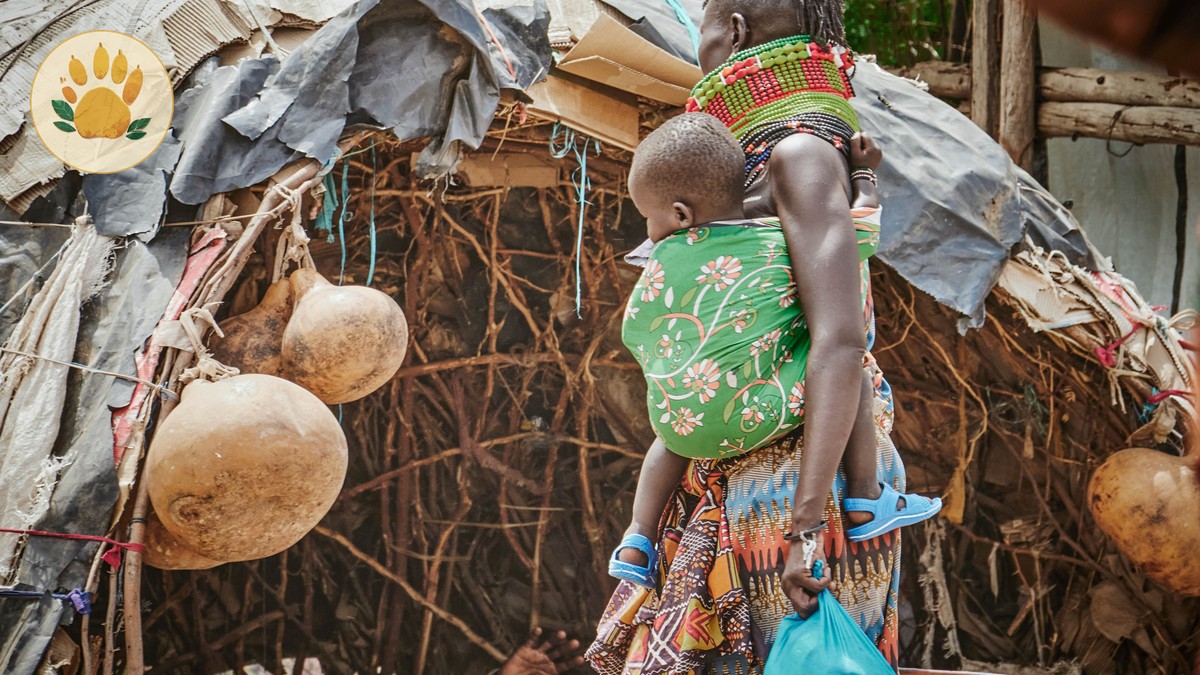
You are usually welcomed with a group song and the adumu, the jumping dance associated with young warriors called moran. Visitors are sometimes invited to join. After that, someone walks you through the boma itself, a circle of low huts built from mud, sticks, and cow dung, arranged around a central livestock enclosure.
Inside one hut, a woman or elder explains daily life: cooking, fire-starting without matches, herding routines, and how homes are built. The visit usually ends at a semicircle of stalls selling beadwork, spears, and carved items, where sales can feel more like the main event than the cultural talk that came before it.
Knowing this sequence in advance helps you understand what you are paying for at each stage, since the entrance fee and the market stop are two separate transactions.
Dress Code: What to Wear and What to Avoid
Cover your shoulders and knees. Loose trousers or a knee-length skirt with a t-shirt works well and keeps you comfortable in the heat.
Avoid pure white and pure black clothing where possible. White gets dusty fast and reads as impractical, while black is associated with mourning in some Maasai communities. Neutral safari colors, khaki, olive, tan, are a safe and practical choice.
Closed shoes matter more than most guides mention. Village ground is uneven, mixed with thorn branches and livestock waste, and flip-flops are a genuine hazard. Bring a hat and sunscreen too, since most of the visit happens outdoors with little shade.
Photography and Consent
Ask before you photograph anyone, every time, even if a stall is clearly set up for tourists. Some villages include photography in the entrance fee. Others charge a small per-photo or per-person fee, often KES 100 to KES 500, collected on the spot or built into a package rate.
If someone declines, put the camera down. Drones are not appropriate here and are banned in most conservancies bordering the Mara regardless. Photographing children without a parent’s clear consent is not acceptable, even if a child seems happy to pose.
Greetings and a Few Words of Maa
A simple greeting goes further than most guidebooks suggest. “Sopa” is a common Maasai greeting, used both to say hello and to check that someone is well. The reply is usually “Ipa,” meaning things are fine.
When greeting an elder, a slight bow of the head is customary, and some elders will touch the top of a younger visitor’s head as a blessing. Let your guide show you the local variation, since practices differ between clans and regions.
Should You Bring Gifts for the Children?
Do not hand out candy, pens, or small toys directly to children. It seems generous, but it encourages begging behavior and undermines how the community wants tourism to work. Sweets also cause real dental problems in areas with limited access to dentists.
If you want to give something back, ask your guide or the village leadership about a formal channel, often a school fund or a health post donation, and give through that instead. It reaches more people and does not turn children into a photo prop for a handout.
What a Visit Costs: Entrance Fees, Tipping, and Souvenirs
Prices vary by village and by how close it sits to the main gates of the Masai Mara. These figures are typical indicative ranges rather than fixed rates, since individual villages set their own prices.
| Item | Typical Range | Notes |
|---|---|---|
| Village entrance fee | USD 20 to USD 50 per person | Often collected in cash at the gate; some lodges bundle it into excursion pricing |
| Photography fee (if separate) | KES 100 to KES 500 | Not always charged; ask before shooting |
| Guide tip | USD 5 to USD 10 per group | Optional but expected; hand it to the guide, not a random villager |
| Souvenir prices (beaded jewelry) | USD 5 to USD 25 | Starting prices are often negotiable |
| Souvenir prices (carved items, spears) | USD 15 to USD 60 | Larger pieces cost more to transport, factor that in |
| Masai Mara Reserve entrance fee (context) | USD 100/day (Jan to Jun), USD 200/day (Jul to Dec), non-resident | Separate from the village fee, set by Narok County Government |
Buying a souvenir is rarely mandatory, but the sales pitch after the walk-through can feel pressured. It helps to decide beforehand what, if anything, you want to buy, and to carry small bills so you are not relying on someone else to make change.
Community-Run or Roadside? How to Tell the Difference
Villages fall roughly into two categories. Community-run visits are usually attached to a conservancy or a specific lodge partnership, with a fixed fee that funds a school, clinic, or grazing program. Roadside villages sit directly off the main access roads to the reserve and depend almost entirely on volume, one vehicle after another, each paying an entrance fee with limited transparency about where the money goes.
A few signs point to a genuine community-run visit. The guide explains where the fee goes, without you having to ask. The pace feels unhurried rather than rushed toward the stalls. And the lodge or camp you are staying at has an ongoing relationship with that specific village, not just a same-day arrangement with whichever group is nearest the gate.
If you are still building your itinerary, it’s worth reading up on planning a Masai Mara safari before locking in which villages or conservancies you will pass through, since proximity to your camp often decides which visit gets offered.
Common Scams and Red Flags
Watch for a few patterns. A quoted entrance fee that changes once you arrive. Pressure to buy from a specific stall because it belongs to the guide’s family. A “free” visit that turns into an aggressive souvenir sales pitch with no clear exit.
None of these are unique to Maasai villages. They show up across Kenyan tourism in various forms, and it’s worth reading a broader rundown of common safari scams to avoid in Kenya before your trip, so you recognize the pattern quickly rather than working it out on the spot.
Best Time and How Long to Spend
Most visitors combine a village stop with a morning or afternoon game drive, since the Mara’s wildlife viewing is strongest at dawn and dusk. A village visit fits naturally into the midday lull, when animals are less active anyway.
Plan for 45 minutes to an hour at the village itself, plus transit time from camp. During the July to December peak season, when Mara park fees rise to USD 200 per person per day, village visits get busier too, so book through your camp rather than arriving unannounced.
If you are still deciding what to ask your operator before you commit, our guide to questions to ask before booking your safari covers how to vet cultural excursions along with game drives and accommodation.
Is It Authentic or Staged? Setting Realistic Expectations
Most village visits are a mix of both. The homes are real, the people live there, and the daily routines shown are genuine. But the sequence, songs, and market stop are performed multiple times a day for different vehicles, which makes the experience feel rehearsed even when the underlying culture is not.
Go in expecting a curated introduction rather than an unfiltered glimpse of daily life. That framing tends to produce a more honest, less disappointed reaction than expecting something spontaneous.
The SafariPure Difference
We only include village visits at camps with a standing relationship to a specific community, not a rotating arrangement with whichever boma sits nearest the road. Our guides tell you upfront what the entrance fee funds and what is optional, including photography charges and souvenir pricing, before you arrive at the gate. We would rather you skip a visit than sit through one that feels like a sales funnel.
Plan Your Visit With SafariPure
If you want a Maasai village visit that fits naturally into a wider Masai Mara itinerary, without the pressure or the guesswork, we can build that in from the start. Explore our Masai Mara safari tours or get in touch to start planning.
More safari planning resources
- Masai Mara Great Migration guide from Trunktrails Safaris
- Interactive Maasai Mara map from Valley Safaris
- Maasai Mara National Reserve guide on Touring Insights
- Masai Mara destination guide on FindMySafari
Related guides: Mara River Crossing Points Guide: Best Vantage Spots, Predator-Proof Bomas: Maasai Conservation That Works, What Color Clothes Should You Wear on Safari?.