If you have already done the Mara, Aberdare National Park offers something different: a night parked above a floodlit waterhole, watching elephant and buffalo drift in and out of the dark. It will not out-wildlife Samburu or the Mara. It was never meant to. Aberdare National Park tree lodges make for a scenic, historic detour in the central highlands, built around a handful of properties that put you eye level with the forest instead of driving through it.
This guide covers the two famous names, Treetops and The Ark, plus the quieter alternatives, real price bands, and the waterfalls and moorlands that most write-ups skip entirely.
Treetops Lodge: where a princess became queen
Treetops opened in 1932 as a simple two-room tree house built into a wild fig. It earned its fame on the night of February 5, 1952, when Princess Elizabeth stayed there and, while she slept, her father King George VI died in England. She climbed down from Treetops the next morning as Queen.
The original structure burned in 1954 during the Mau Mau uprising and was rebuilt nearby in its current form, a long timber lodge on stilts overlooking a waterhole and salt lick. Rooms are compact and simple, more historic than luxurious, with shared corridors and thin walls. Guests come for the story and the game viewing deck, not the thread count.
The Ark: the modern tree hotel
The Ark, shaped like Noah’s namesake vessel, opened in 1969 a few kilometers away inside the same forest zone. It is the more comfortable of the two, with private bathrooms in every room, a lower observation deck close to the waterhole, and a buzzer system that wakes guests if rhino, leopard, or bongo show up overnight.
Design-wise, The Ark feels less like a colonial relic and more like a purpose-built wildlife hide. Safaribookings’ expert reviewers, among the few editorial sources covering both properties honestly, note that The Ark generally delivers better wildlife odds, while Treetops wins on history and prestige.
Aberdare Country Club and budget alternatives
Not every visit needs a tree lodge. Aberdare Country Club sits on a working farm at the park’s edge, with proper rooms, a golf course, and horseback riding, and it serves as the overnight staging point for Ark guests before their afternoon transfer into the park. It is a comfortable, conventional lodge rather than a wildlife hide.
For lower budgets, Rhino Watch Lodge near the Ruhuruini Gate offers simple rooms with forest views at a fraction of tree-lodge rates. Thomson’s Falls Lodge, an hour north in Nyahururu, works well if you are combining Aberdare with a Laikipia routing. KWS also runs self-catering bandas and campsites inside the park for travelers comfortable arranging their own food and transport.
Aberdare National Park Tree Lodges Compared: Treetops vs The Ark vs the Alternatives
| Property | Style | Approx. rate (per person/night, full board) | Wildlife viewing | Best for |
|---|---|---|---|---|
| Treetops Lodge | Historic tree lodge | USD 300-420 (indicative) | Good, upper deck | History and prestige |
| The Ark | Purpose-built tree hotel | USD 320-450 (indicative) | Very good, low deck + night buzzer | Best odds at the waterhole |
| Aberdare Country Club | Farm lodge, park gateway | USD 150-250 (indicative) | Limited, off-site | Comfort before/after the Ark |
| Rhino Watch Lodge | Budget forest lodge | USD 80-150 (indicative) | Moderate | Budget travelers |
| KWS bandas/campsites | Self-catering | USD 20-40 (indicative) | Variable | Independent travelers |
Rates shift by season and operator package, so treat these as planning bands rather than quotes, and confirm current pricing before booking.
What you can actually see from the waterhole
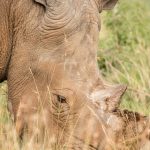
Elephant and buffalo are near-certain most nights, drawn by the salt lick both lodges maintain. Bushbuck, warthog, and genet show up reliably. Black rhino and the rare bongo antelope, a striped forest dweller found almost nowhere else in Kenya, are possible but not guaranteed. Leopard pass through occasionally, usually spotted by staff who ring room buzzers.
Set expectations honestly: this is forest-edge viewing from a fixed platform, not a game drive. Species diversity is lower than Samburu’s dry-country specialists or the Mara’s plains herds. Aberdare rewards patience with a small, dependable cast rather than volume.
Getting there
Aberdare National Park sits roughly 160-180 km north of Nairobi, depending on the gate, a drive of about 3 to 3.5 hours via Nyeri or Naivasha. Private vehicles cannot drive straight to Treetops or The Ark. Guests transfer at a meeting point instead: the Outspan Hotel in Nyeri for Treetops, or Aberdare Country Club for The Ark. From there they ride in on the lodge’s own vehicle, which keeps things secure and limits vehicle traffic near the waterhole.
Most itineraries combine Aberdare with Lake Nakuru or the Central Highlands rather than visiting it alone. If you are weighing how much time this detour deserves against the rest of your trip, it helps to first work out how many days you actually need for a Kenya safari. Also check national park gate opening and closing hours before setting your transfer time, since KWS gates run on a fixed schedule.
Waterfalls and moorlands beyond the waterhole
The tree lodges get the attention, but Aberdare’s upper zones hold real scenery. Karuru Falls drops about 273 meters in three stages, making it one of the highest waterfalls in Kenya, reached via a moorland track in the park’s higher, cooler section. Chania Falls, smaller and easier to access, sits closer to the main circuit.
Above 3,000 meters, the park opens into open moorland, tussock grass, giant lobelia, and cold mist that feels nothing like the forest below. Few visitors add this half-day extension, which means it stays genuinely quiet. A 4×4 and a KWS ranger guide are recommended for the moorland tracks, since weather changes fast and roads can be slick.
Best time to visit
The dry seasons, January to March and June to September, give the clearest roads and the best odds of moorland access. April, May, and November bring heavy rain, and some upper tracks close. The waterhole works year-round since animals need water most in dry months, so tree-lodge viewing is actually strongest exactly when road access is easiest.
Two nights is enough for most itineraries: one at a tree lodge for the waterhole, and a half day for the waterfalls or moorland if the weather cooperates. Travelers who want more forest and highland time before heading north sometimes pair this with a second-safari destination like Laikipia, which offers denser wildlife and a similar sense of open, uncrowded country.
The SafariPure Difference
Most pages on Aberdare either read like a hotel brochure or a bare directory listing. We would rather tell you plainly that Aberdare is not a wildlife-density destination and let you decide if the history and the waterhole still earn a night on your itinerary. We build routes that pair Aberdare’s tree lodges with the parks that do the wildlife heavy lifting, so you get the Treetops story and Samburu’s dry-country game in the same trip, without wasting drive days on overlap.
Plan your visit
If a night at Treetops or The Ark fits the trip you’re planning, we can build the routing around it, transfers, gate times, and the waterfalls included. Get in touch through our contact page to start planning.
More safari planning resources
- Kenya wildlife tours from Trunktrails Safaris
- Nairobi to Maasai Mara route guide from Valley Safaris
- Big Five safari parks guide on Touring Insights
- Big Five safari collection on FindMySafari
Related guides: Aberdare National Park Safari Guide: 2026 Fees & Wildlife, Are There Lions in Aberdare National Park? Real Answer, Mount Kenya National Park Safari: An Honest First-Timer Guide.