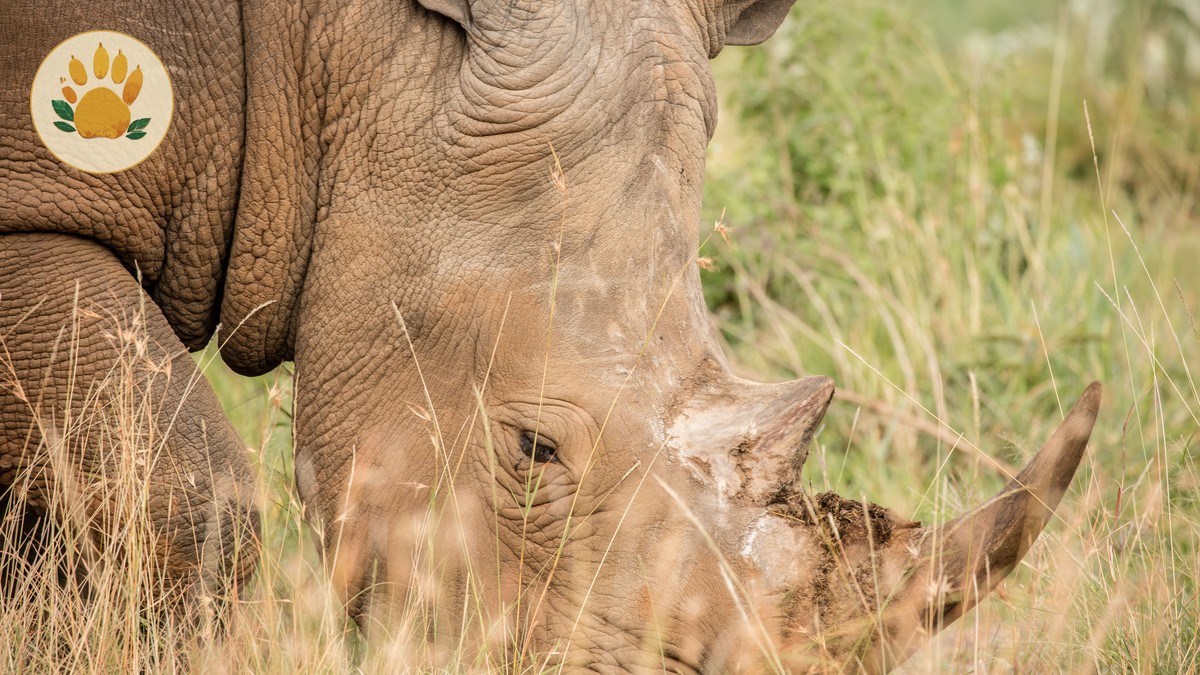
Black rhinos are browsers, not grazers. They move through thick bush alone, mostly at dawn, dusk and through the night, which is exactly why they are harder to photograph well than almost any other member of the Big Five. The best places to see black rhino in Kenya are four fenced or intensively monitored sanctuaries: Ol Pejeta, Lewa, Solio and Lake Nakuru. Kenya holds just over 1,000 black rhinos, close to one in six of the roughly 6,500 left in the wild worldwide. A small, closely guarded population also survives in the Masai Mara.
This guide names those places directly, with real distances, real fees and honest odds, rather than folding Kenya into a seven-country roundup the way most rhino articles do.
Best Places to See Black Rhino in Kenya at a Glance
| Location | Distance/drive from Nairobi | Entry fee (non-resident) | Black rhino odds | Best for |
|---|---|---|---|---|
| Ol Pejeta Conservancy | ~200 km, 3.5-4 hrs by road, or 30-min flight to Nanyuki | Indicative USD 90-100/adult/24hr (conservancy rate, confirm at booking) | Near-certain, largest population in East Africa | First-time visitors wanting a reliable sighting |
| Lewa Wildlife Conservancy | ~240 km, 4.5 hrs by road, or 45-min flight to Lewa Downs airstrip | Indicative USD 100-140/person/night, bundled into lodge rate | High, with far fewer vehicles per rhino | Photographers who want quiet, unhurried drives |
| Lake Nakuru National Park | ~160 km, 2.5-3 hrs by road | USD 90/adult/day (KWS) | Moderate to good, black and white rhino both present | Day visitors combining rhino with flamingos and lion |
| Solio Game Reserve | ~220 km, about 4 hrs, between Nyeri and Nyahururu | Indicative USD 50-80/person, arranged through your lodge | Very good, dense breeding population in a small sanctuary | Travelers wanting a quieter, lesser-known option |
| Nairobi National Park | 10 km from Nairobi’s CBD | USD 80/adult/day (KWS) | Low to moderate for black rhino specifically | A short visit before or after a flight |
Ol Pejeta Conservancy
Ol Pejeta, on the Laikipia Plateau, home to Ol Pejeta and Lewa, holds the largest black rhino population in East Africa, well over 150 animals inside a 360-square-kilometer fenced sanctuary. That density, combined with a resident tracking team, makes Ol Pejeta the closest thing Kenya has to a guaranteed sighting.
For a photographer, the trade-off is traffic. Ol Pejeta sits close to Nanyuki and draws day trippers alongside overnight guests, so popular sightings can pull in four or five vehicles. Ask your guide for early departures, before 6:30am, when light is low and gold and other vehicles have not yet left camp. Ol Pejeta also runs rhino tracking on foot with armed rangers, a slower, quieter way to work a sighting without a vehicle in the frame.
Lewa Wildlife Conservancy
Lewa, adjoining Ol Pejeta on the same plateau, carries a smaller rhino population but a much lower vehicle count. Conservancy rules cap the number of vehicles per sighting, usually at two, which matters if you are shooting and need clean space around the animal.
Lewa’s terrain is more open than Ol Pejeta’s, with rolling grassland that suits long lenses and low-angle light. Camps here run their own private conservancy vehicles rather than shared minibuses, so drives can be built around your schedule rather than a fixed loop. If Ol Pejeta is the sure thing, Lewa is the patient choice, better odds of an unhurried, uncrowded encounter than a guaranteed one within an hour.
Lake Nakuru National Park
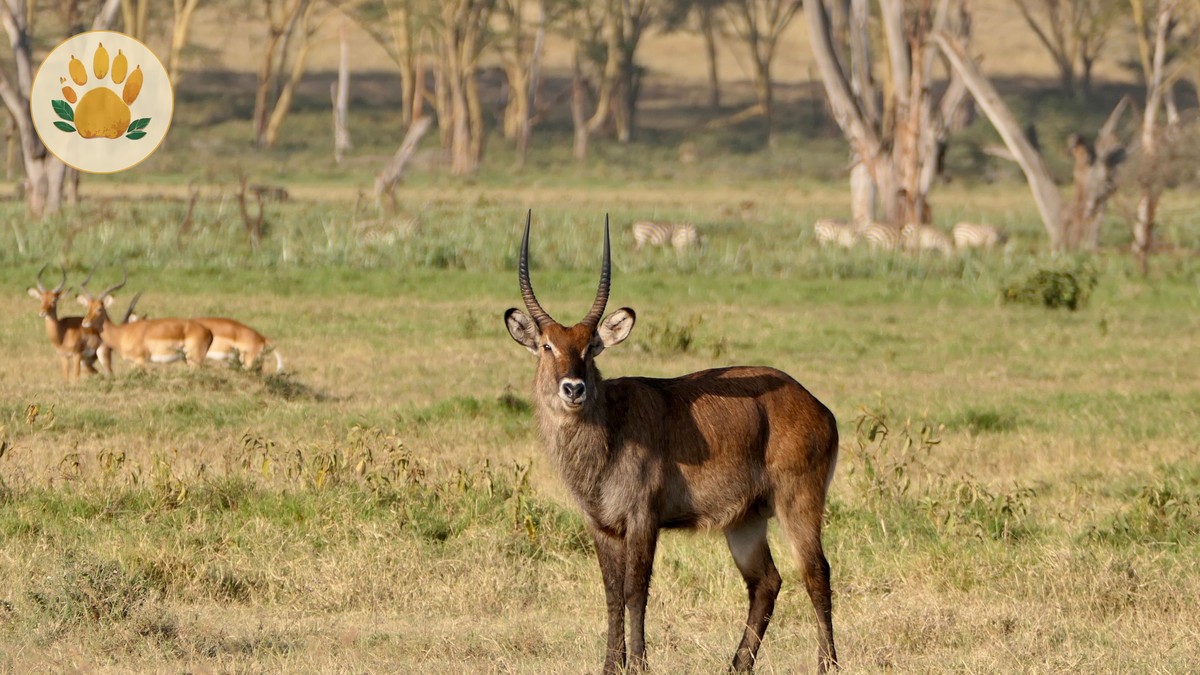
Nakuru is the most accessible of Kenya’s rhino sanctuaries, a 2.5 to 3-hour drive from Nairobi on a paved road, and it is fully fenced, protecting both black and white rhino inside a compact 188-square-kilometer park. Nakuru’s black rhino population is smaller than Ol Pejeta’s or Lewa’s, so treat a sighting as likely rather than certain.
The park works well as a first or last stop on a longer Kenya itinerary, since it also holds lion, leopard and, depending on lake levels, flamingo flocks along the shoreline. Photographers should note that Nakuru’s forest and acacia woodland cut light earlier in the afternoon than open savanna does, so midday sightings often photograph better than a 5pm chase for golden hour.
Solio Game Reserve
Solio is a private 70-square-kilometer sanctuary between Nyeri and Nyahururu, and it is genuinely underused by comparison to its results. It was Kenya’s first dedicated rhino breeding sanctuary, and its rhino density, both black and white, is among the highest in the country relative to the reserve’s size.
Solio is not open to independent self-drive visitors. Access runs through the handful of lodges bordering the reserve, which arrange entry as part of a stay. That gatekeeping is part of why it stays quiet: fewer vehicles, fewer people, and sightings that often unfold with no other vehicle in sight. For a photographer who has already ticked Ol Pejeta on a previous trip, Solio is the better second visit.
Nairobi National Park
Nairobi National Park sits ten kilometers from the city center, with the skyline visible behind grazing wildlife. It holds black rhino, but the population and open plains here make sightings less predictable than at the four sanctuaries above. Treat it as a bonus stop for a spare morning before a flight, not a primary rhino destination.
Black Rhino vs White Rhino
The two species share range across these same parks, and mixing them up is common enough that it is worth a plain answer.
| Feature | Black rhino | White rhino |
|---|---|---|
| Lip shape | Pointed, hooked, for browsing leaves | Square, wide, for grazing grass |
| Body size | Smaller, up to about 1,400 kg | Larger, up to about 2,300 kg |
| Head posture | Held up, alert | Held low, grazing |
| Temperament | Solitary, more easily startled | More sociable, often in small groups |
| Kenya population (approx.) | Just over 1,000 | Around 850 |
Despite the names, color is not a reliable way to tell them apart. Both are grey. The distinction comes from the shape of the lips and how each animal carries its head.
Conservation Status and Poaching Context
Black rhino remain critically endangered across their range. Kenya’s population fell below 300 animals in the 1980s after a poaching crisis driven by demand for rhino horn, then recovered slowly through fenced sanctuaries, ranger patrols and, at Ol Pejeta, dehorning programs. The current figure, just over 1,000, represents decades of that work, not a finished job. Every conservancy fee paid at the gate goes directly into that patrol and monitoring budget, which is worth remembering when comparing prices between parks.
Best Time of Year and Time of Day
Black rhino are visible year round in Kenya’s fenced sanctuaries, since the animals cannot leave the way lion or elephant can during migration months. That said, the dry seasons, January to March and June to October, thin out the bush and make spotting easier, since rhinos are not hidden behind tall, wet-season grass.
For photographers, the working hours matter more than the season. Black rhino are most active at dawn, dusk and overnight, so the first and last hour of a game drive produce the highest odds and the best light. Midday drives in the dry season can still work at Ol Pejeta and Solio, where density is high enough to find an animal resting in open shade.
Costs and Conservancy Fees
Fees vary by park type. KWS-run parks like Lake Nakuru (USD 90/adult/day) and Nairobi National Park (USD 80/adult/day) charge a fixed gate rate. Private conservancies like Ol Pejeta, Lewa and Solio set their own rates, generally in the USD 90 to 140 per person range, and Lewa and Solio typically fold that fee into the nightly lodge rate rather than charging it separately at a gate. Always confirm the current rate directly with your camp before travel, since private conservancies revise pricing more often than KWS parks. For a full picture of how conservancy fees fit into your overall safari budget, it helps to plan rhino days alongside the rest of your itinerary rather than as an isolated add-on.
How to Book and Getting There
Ol Pejeta and Lewa both have airstrips served by scheduled light aircraft from Nairobi’s Wilson Airport, a faster option than the 3.5 to 4.5-hour road transfer if you are short on time. Solio has no public airstrip and no gate for independent visitors, so a stay at a bordering lodge is the only route in. Lake Nakuru and Nairobi National Park are both reachable by road in a private vehicle or through any tour operator, with no advance permit required beyond the standard park entry ticket bought at or before the gate.
Many visitors combine a Laikipia rhino stop with a longer Kenya circuit. If you are also planning a Masai Mara itinerary, note that the Mara holds only a small, closely protected black rhino population, and sightings there are rare enough that it should not be your primary rhino destination.
The SafariPure Difference
We plan rhino days around light and patience, not just ticking a box. That means building in two nights at Lewa or Solio instead of one rushed afternoon at a busier gate, choosing open-sided vehicles suited to a long lens, and briefing guides in advance on what a photographer actually needs from a sighting, space, angle and time, not just proximity. We also give honest odds before you book, including where a guaranteed sighting matters more than a quiet one, and where the reverse is true.
Plan Your Rhino Safari
If you want an itinerary built around real sighting odds, the right season and a vehicle set up for photography, we can put one together with you. Visit our Kenya safari tours page or get in touch to start planning.
More safari planning resources
- Ol Pejeta Conservancy guide from Trunktrails Safaris
- Ol Pejeta and Sweetwaters safari package from Valley Safaris
- Big Five safari parks guide on Touring Insights
- Big Five safari collection on FindMySafari
Related guides: Best Time to See Predators Hunting in Kenya, Black Leopard Sightings in Laikipia Kenya: Where to Look, Black Rhino vs White Rhino: Kenya Field Guide.