If you have already watched wildebeest cross the Mara River, here’s why visit Laikipia Plateau Kenya should be next on your list. This high plateau north of Mount Kenya trades the Mara’s density of animals for space, walking safaris, and rhino numbers that few reserves in Africa can match.
Why Visit Laikipia Plateau Kenya: What Makes It Different
Laikipia sits between 1,700 and 2,000 meters above sea level, stretching north from the base of Mount Kenya toward Samburu. It is semi-arid country: open grassland, acacia woodland, and basalt outcrops that catch the evening light. Unlike the Mara or Amboseli, Laikipia has no single national park at its center. It is a patchwork of private and community conservancies, ranches, and community land spanning roughly 9,500 square kilometers, that together form one of East Africa’s largest connected wildlife areas outside a formal park boundary.
Why Laikipia Matters for Conservation
Laikipia holds the second-largest wildlife population in Kenya after the Mara ecosystem. It does so almost entirely on land owned by ranchers, communities, and conservancy trusts rather than the state. That model matters. Landowners earn income from tourism and livestock together, which gives them a reason to keep the land wild instead of fencing it for agriculture. The result is one of the few places in Kenya where black rhino, Grevy’s zebra, and African wild dog all hold stable or growing numbers.
The Key Conservancies
Each conservancy has its own character, fee structure, and specialty. Here is how the main ones compare.
| Conservancy | Size | Distance/Time from Nairobi | Known For | Indicative Rate (per person/night, all-inclusive) |
|---|---|---|---|---|
| Ol Pejeta | 90,000 acres | ~200 km, 3-3.5 hrs drive | Black and white rhino, chimpanzee sanctuary | USD 350-600 |
| Lewa Wildlife Conservancy | 55,000 acres | ~230 km, 4 hrs drive, or ~45-min flight | Black rhino, Grevy’s zebra, UNESCO site | USD 600-900 |
| Borana Conservancy | 32,000 acres | Borders Lewa | Rhino, elephant, guided walking safaris | USD 600-950 |
| Loisaba Conservancy | 58,000 acres | ~260 km, or fly to Loisaba airstrip | Elephant, leopard, star-bed sleepouts | USD 500-850 |
| Il Ngwesi | 16,500 acres, community-owned | Borders Lewa and Borana | Community-run lodge, elephant corridor | USD 300-450 |
Rates above are indicative ranges, not fixed prices. They usually bundle conservancy fees, meals, and game activities, but always confirm with the specific camp.
Wildlife You Can Expect to See
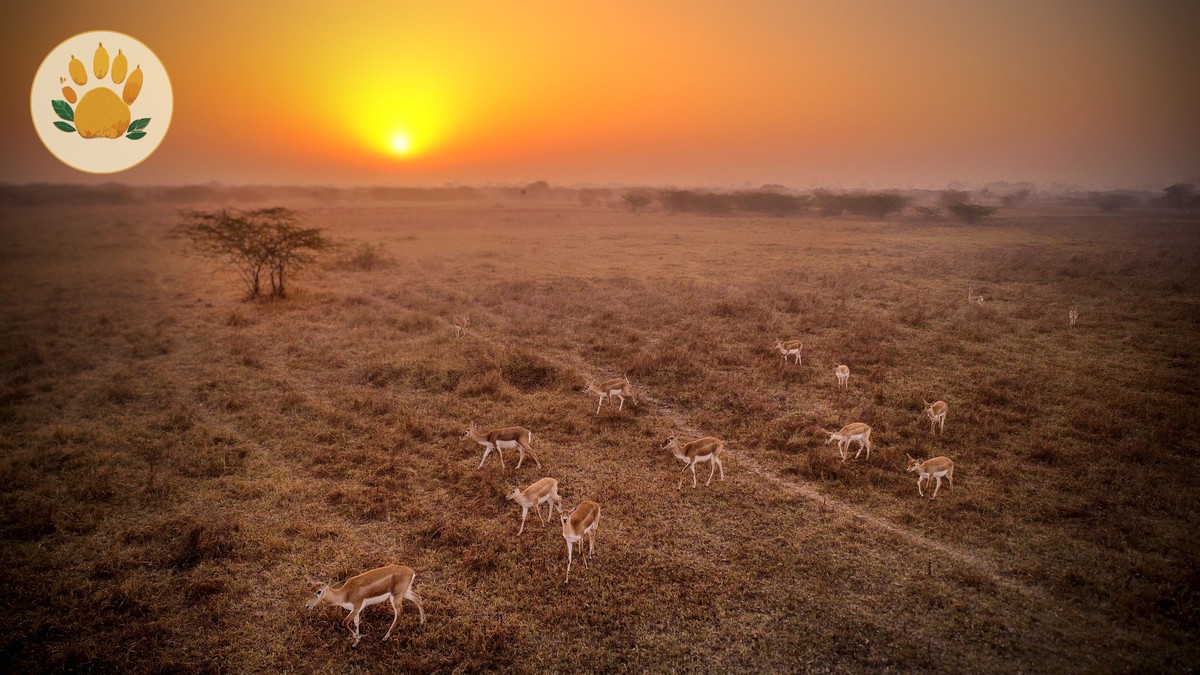
Laikipia is Kenya’s rhino stronghold outside Nairobi National Park. Ol Pejeta alone protects both black and white rhino, including the last two northern white rhino females on Earth. Lewa and Borana share an open rhino sanctuary across their common boundary. The plateau also holds the majority of Kenya’s Grevy’s zebra, an endangered species with a narrower range than the common plains zebra. It also has healthy packs of African wild dog and good numbers of elephant, lion, and leopard. Most conservancies also run the Big Five, so you are not trading variety for exclusivity, just density.
Activities You Won’t Find in the National Parks
National parks like Amboseli and Tsavo restrict visitors to vehicles on marked tracks. Laikipia’s conservancies allow walking safaris with armed guides, night game drives, horseback safaris across open plains, and camel safaris with Samburu handlers. These activities put you closer to animal behavior than a vehicle window ever will. They are the main reason experienced safari travelers return to Laikipia rather than another Mara trip.
Laikipia vs the Masai Mara
The honest trade-off is this: the Mara has more animals concentrated in less space, especially during the July to October migration. Laikipia has fewer animals spread across more ground, but far fewer vehicles and a wider range of activities. Entrance costs also differ. The Masai Mara, run by Narok County Government rather than Kenya Wildlife Service, charges non-residents USD 100 per adult per day from January to June and USD 200 per day from July to December during peak migration season. Laikipia’s conservancy fees are usually folded into nightly lodge rates instead of charged separately, which is why direct price comparisons can be misleading. For a deeper look at how Laikipia compares to Samburu and the Masai Mara, it helps to weigh sighting density against crowd levels rather than price alone.
Landscape, Culture, and Community
Laikipia’s scenery has its own draw. Mount Kenya dominates the southern horizon on clear mornings, and much of the plateau is covered in acacia scrub cut by seasonal rivers called laggas. Community conservancies such as Il Ngwesi are owned and staffed by local Maasai, and the model has spread to neighboring Samburu areas, where the Kaya forests and community-run reserves follow a similar approach. Visiting these conservancies puts tourism revenue directly into local hands rather than a distant concession fee.
Best Time to Visit
Laikipia is a year-round destination because it does not depend on a single migration event. The dry seasons, January to March and June to October, give the clearest game viewing as animals gather near rivers and waterholes. The long rains fall from March to May and the short rains in November, when the bush is greener and prices at most camps drop by 15 to 30 percent. Malaria risk is lower at Laikipia’s altitude than in Amboseli or the Mara, though prophylaxis is still advised.
Getting to Laikipia from Nairobi
Most visitors reach Laikipia through Nanyuki, a market town at the foot of Mount Kenya. The drive from Nairobi to Nanyuki, Laikipia’s main gateway town, covers about 198 km and takes 3 to 3.5 hours on a paved road. From Nanyuki, conservancy roads run another 30 to 90 minutes depending on the camp. Travelers short on time usually fly instead. Scheduled flights from Nairobi Wilson Airport reach Nanyuki, Lewa Downs, and Loisaba airstrips in 45 minutes to just over an hour.
Combining Laikipia With Samburu or the Mara
Laikipia sits within easy reach of Samburu National Reserve, about a 2.5 to 3-hour drive or a short charter flight north. Many repeat visitors build a circuit of four nights in the Mara for density. They add three to four nights in Laikipia and Samburu for walking safaris and drier northern scenery. This is why Laikipia is a favorite pick for a second Kenya safari: it adds a different kind of safari to a trip that already covered the classics.
Who Laikipia Suits Best
Laikipia rewards travelers who have already seen the Mara’s big herds. It suits people who want more time on foot, more privacy, and a chance to understand how conservancy tourism actually funds conservation. It is less suited to first-time visitors chasing guaranteed Big Five sightings in a short window, since animal density is lower and sightings take more patience.
What It Costs
Expect to pay more per night in Laikipia than at a mid-range Mara lodge, since conservancy fees, exclusivity, and activity variety are built into the rate. Budget roughly USD 300 to 950 per person per night across the conservancies listed above, all-inclusive of meals, park and conservancy fees, and two guided activities per day. Add roughly USD 150 to 300 per person for a one-way charter flight from Nairobi, or budget a full day for the drive if you are self-driving or using a private transfer.
The SafariPure Difference
We do not sell Laikipia as an add-on. We build itineraries that match the conservancy to the traveler. We pair Ol Pejeta’s rhino density with a Samburu extension, or Borana’s walking safaris with a final Mara stretch, for travelers who want both density and quiet. Every quote we send names the actual camp, the actual conservancy fee structure, and the actual drive or flight time, not a generic “from” price.
Plan Your Laikipia Trip
Laikipia works best as part of a considered itinerary, not a rushed add-on. If you are ready to talk through conservancy choices, timing, and how it fits with Samburu or the Mara, get in touch through our contact page or browse our Kenya safari tours to see where Laikipia might fit.
More safari planning resources
- Ol Pejeta Conservancy guide from Trunktrails Safaris
- Ol Pejeta and Sweetwaters safari package from Valley Safaris
- Samburu National Reserve guide on Touring Insights
- Big Five safari collection on FindMySafari
Related guides: Best Time to Visit Samburu National Reserve: Month by Month, Laikipia Conservancy Safari Guide for Repeat Visitors, Planning Your Second Kenya Safari: Where to Go Next.