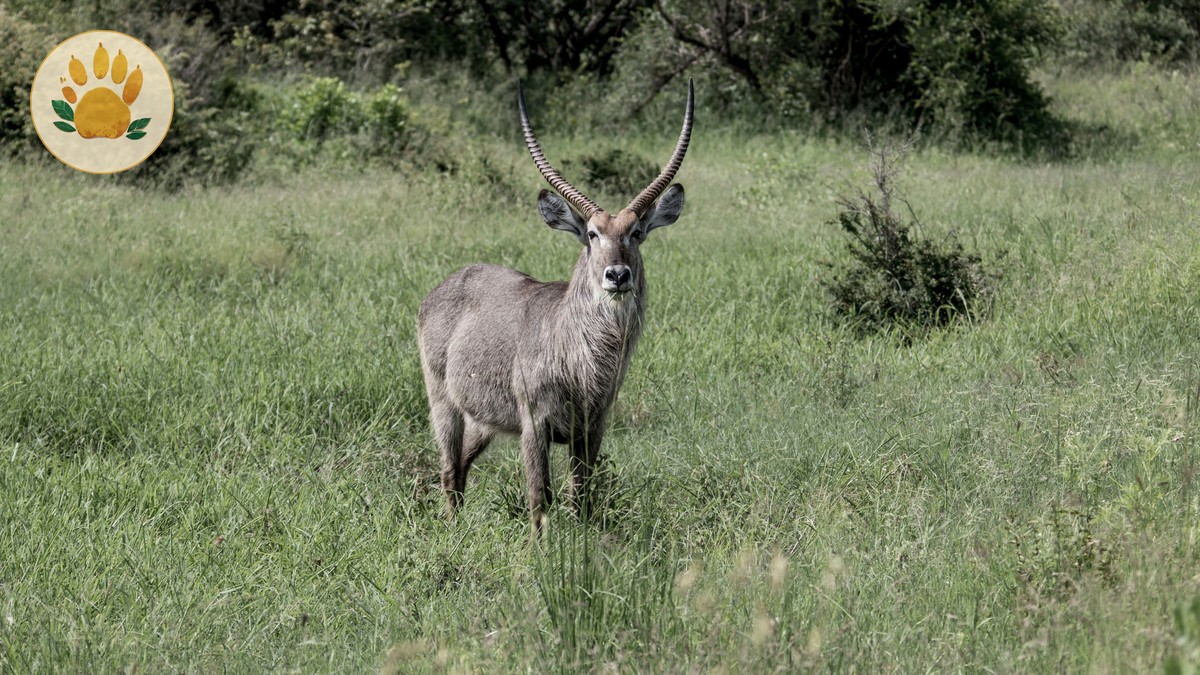
Most first-time travelers picture a safari game drive as one long cruise past lions. The real version is quieter, colder in the morning, and more about patience than speed. Here is what to expect on your first Kenya safari game drive, hour by hour, with real timing and real trade-offs.
What to Expect on Your First Kenya Safari Game Drive, Hour by Hour
Camps wake guests early. Expect a knock on your tent door between 5:30am and 6:00am, followed by tea or coffee and a biscuit before you climb into the vehicle. Full breakfast usually waits until you return.
Dawn drives leave around 6:00am to 6:30am, timed to catch the last cool hour before animals bed down for the heat of the day. A typical drive runs three to four hours, so you are back at camp between 9:30am and 10:30am for a proper breakfast.
The middle of the day is for resting, since most wildlife rests too. A second drive leaves in the late afternoon, around 4:00pm to 4:30pm, and runs until sunset, roughly 6:30pm to 7:00pm, often ending with a sundowner stop. Two drives a day is standard at most camps in the Masai Mara and Amboseli. Some lodges offer a third, shorter drive if you are staying three nights or more.
Inside the Vehicle: Seats, Seatbelts and Sightlines
Most camps use open-sided Land Cruisers or Land Rovers with a pop-up canvas roof, seating six to nine guests in rows of two or three. There is no assigned seating, though many guides rotate guests through window seats so everyone gets a clear view over a few days.
Seatbelts are used while the vehicle is moving between sightings. Once you stop near an animal, guides usually invite guests to stand and look out through the open roof, keeping shoulders below the roofline and voices low.
How Cold It Really Gets
This surprises almost everyone. Even in a hot country, dawn on an open vehicle is cold enough for a jacket, gloves, and sometimes a wool hat.
| Region | Elevation | Dawn temp (June-Sept) | Midday temp |
|---|---|---|---|
| Masai Mara | 1,500-2,100m | 10-14°C | 25-28°C |
| Amboseli | ~1,150m | 13-16°C | 28-32°C |
| Lake Nakuru | ~1,760m | 9-13°C | 24-27°C |
| Tsavo East | ~300-600m | 16-19°C | 30-34°C |
Pack layers rather than one heavy coat. A fleece and windproof shell over a t-shirt works better than a single thick jumper, since you will be peeling layers off by mid-morning as the sun climbs.
What You Will Actually See
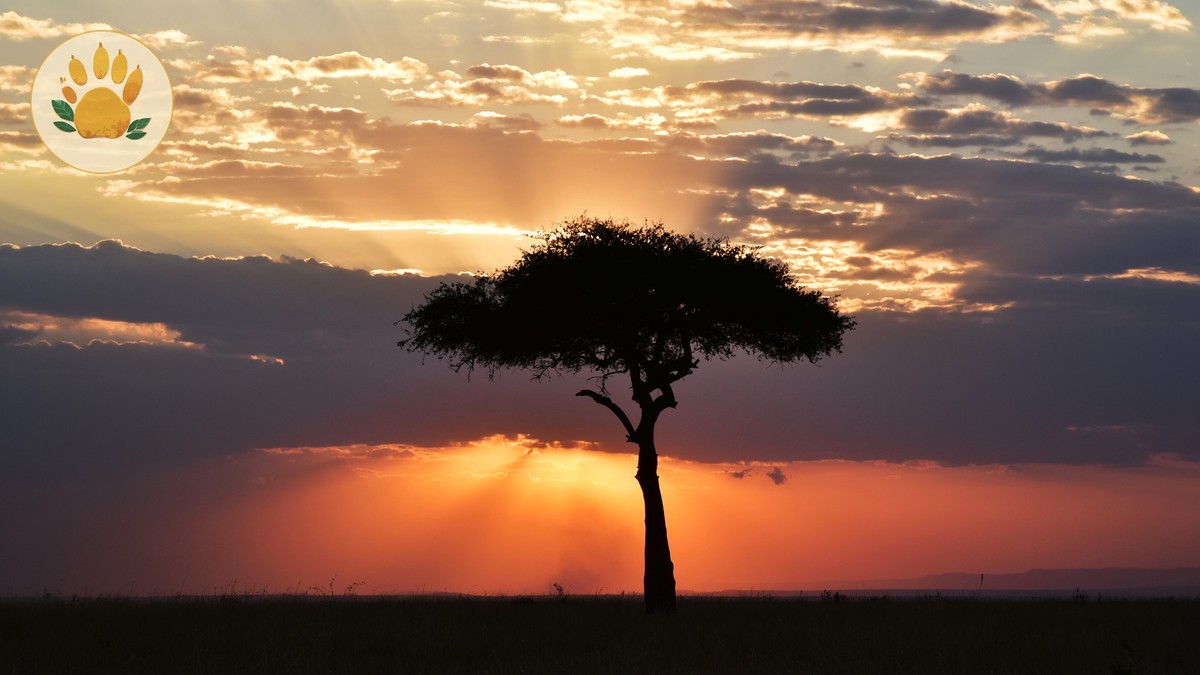
The Big Five, lion, leopard, elephant, buffalo, and rhino, get most of the marketing attention, but expecting all five on your first drive sets you up to be disappointed. Lions, elephants, and buffalo are genuinely common in the Masai Mara and Amboseli. Leopards are shy and often missed for days. Black rhino are absent from the Mara entirely and are better looked for at Lake Nakuru or Ol Pejeta Conservancy near Nanyuki.
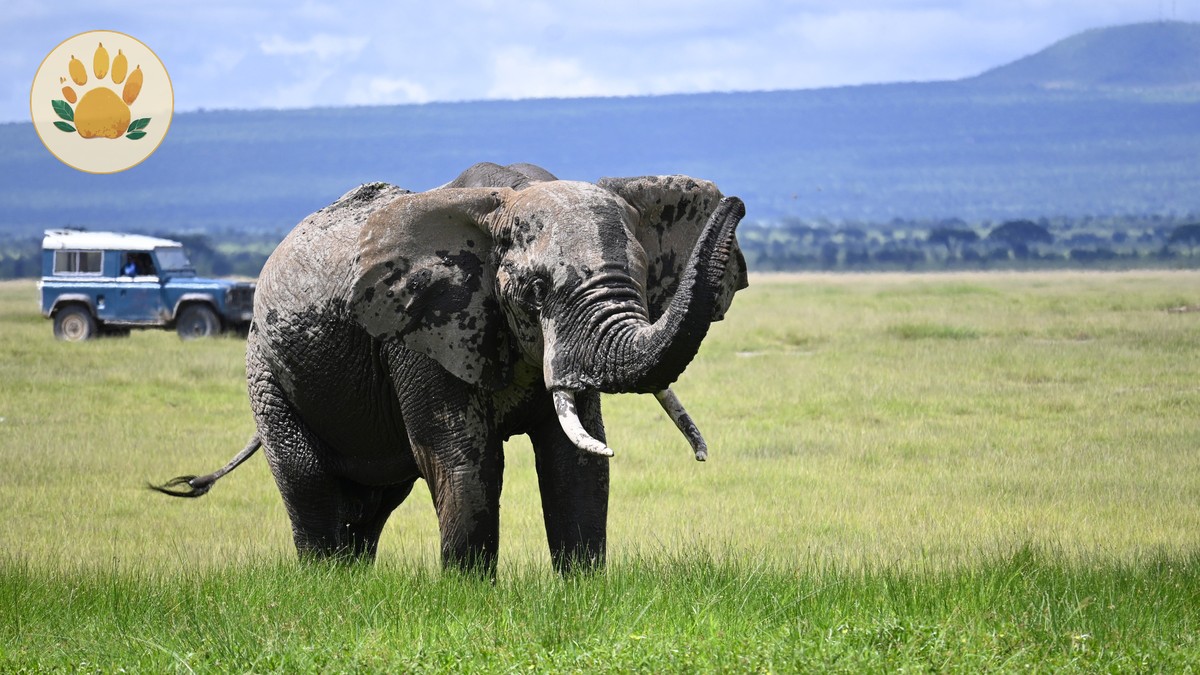
A stronger first-drive mindset is watching behavior rather than checking off species: a hyena clan at a den, elephants dust-bathing, a lilac-breasted roller hunting from a branch. Guides read these moments well, and they tend to matter more in memory than a distant rhino sighting ever does.
The Guide and Tracker
Your guide does more than drive. Guides in the Mara and Amboseli stay in radio contact with other vehicles across the reserve or conservancy, sharing sightings and directions in real time. Many also read tracks, dung, and alarm calls from impala or baboons to predict where predators are moving before they are visible. A good guide will explain what they are seeing as they see it, not just point and drive on.
If you want the vocabulary to follow along, this safari terms glossary for beginners covers the words guides use most, from “kopje” to “flehmen response.”
Vehicle Etiquette and Safety Rules
The rules are simple and exist for good reason. Stay seated while the vehicle is moving. Keep voices down near predators, since sound carries and can end a hunt or a rest period. Do not stand above the roofline when a vehicle is near a lion or elephant at close range. No sudden movements or reaching out with hands or cameras.
Getting out of the vehicle is not allowed inside national reserves like the Masai Mara, except at designated spots such as picnic sites. Some private conservancies permit short guided walks or bush breakfasts on open ground, always with an armed ranger present. Ask your guide before assuming you can step down anywhere.
Dust, Bumps and Motion Sickness
Game drive tracks are unpaved, rutted in places, and dusty in the dry season from June through October. Expect a bumpy ride, especially off the main circuits. If you are prone to motion sickness, take medication before the drive starts, sit toward the front, and keep your eyes on the horizon rather than a phone screen. A scarf or buff for dust is worth packing, particularly in Amboseli and Tsavo where the ground is drier and finer.
Bush Breakfast and Sundowner Stops
Many camps build a stop into the morning drive: a folding table set up under an acacia, coffee, fruit, and hot food carried out in flasks. It usually happens an hour or two into the drive, once the vehicle has found a scenic, safe spot away from predators.
Afternoon drives often end with a sundowner, a stop timed to the sunset where the crew sets out drinks and snacks on the vehicle’s bonnet or a folding table. It is a fixed ritual at most camps and a good moment to ask your guide questions from the day.
Conservancy vs National Reserve: What Changes
This is one of the biggest differences first-timers do not expect, and it shapes the whole feel of a drive.
| Feature | National Reserve (e.g. Masai Mara) | Private Conservancy (e.g. Mara North, Naboisho) |
|---|---|---|
| Off-road driving | Not permitted | Usually permitted |
| Night drives | Not permitted | Often permitted |
| Vehicle limit per sighting | No formal cap, can get crowded | Typically 5 vehicles or fewer |
| Walking safaris | Not permitted | Sometimes offered |
| Entry cost | USD 100/adult/day (Jan-June), USD 200/adult/day (Jul-Dec) | Roughly USD 80-150/person/night, bundled into lodge rates |
Conservancies bordering the Mara, like Mara North and Naboisho, trade a higher nightly rate for fewer vehicles, off-road access, and the chance of a night drive to spot nocturnal species like aardvark or genet. If you are still deciding where to base your trip, this guide to choosing between Amboseli and the Masai Mara for your first safari breaks down the terrain and wildlife differences in more depth.
Practical Logistics: Signal, Cash and Luggage
Mobile signal is patchy to nonexistent inside most reserves and conservancies, though many main lodges have wifi at the mess tent. Carry small denominations of US dollars or Kenyan shillings for tips and curio stalls, since card readers are unreliable in the bush.
If your itinerary includes a light aircraft transfer, typical for reaching the Mara or Amboseli from Nairobi’s Wilson Airport, luggage is usually capped at 15kg per person in a soft-sided bag. Hard suitcases often will not fit the cargo hold.
First-Timer Mindset
Go in expecting a rhythm, not a highlight reel. Some drives deliver a leopard in the first twenty minutes. Others spend two hours finding nothing but birds and a distant herd of zebra, and that is a normal, honest part of the experience, not a failure of the trip. Back at camp after dark, the sounds take over where the drive left off, and this piece on what you’ll hear back at camp after dark is worth reading before your first night out.
The SafariPure Difference
We plan drive timing around the season and the specific reserve or conservancy you are visiting, not a generic template. That means knowing when Mara North’s night drives are worth the extra cost, when Amboseli’s dawn light is better for photography than its afternoon heat, and when a second camp closer to Nakuru makes more sense for rhino sightings than an extra day in the Mara. We also brief every first-time guest before departure on layering, vehicle etiquette, and what to actually expect, so nothing on day one comes as a surprise.
Plan Your First Game Drive
If you are ready to build a first safari around real timing, real distances, and honest expectations, start planning your Kenya safari with SafariPure. We will walk you through park choice, season, and camp options before you commit to a single date.