A Kenya safari quote can read like a different language before you’ve even booked a flight. “Per person sharing,” “conservancy,” “non-resident rate,” “fly-in safari.” Each term changes your final price, so guessing at meanings is not a small thing.
This safari terms glossary for beginners in Kenya explains the words that actually show up on real quotes and park fee schedules. No filler, no recycled definitions. Just what each term means in Kenya, in 2026, with real numbers attached.
Using This Safari Terms Glossary for Beginners in Kenya
The terms below are grouped by topic, starting with what happens in the vehicle and out on foot, then moving through accommodation, wildlife, parks and fees, and the practical details you need before you fly.
Vehicle and activity terms
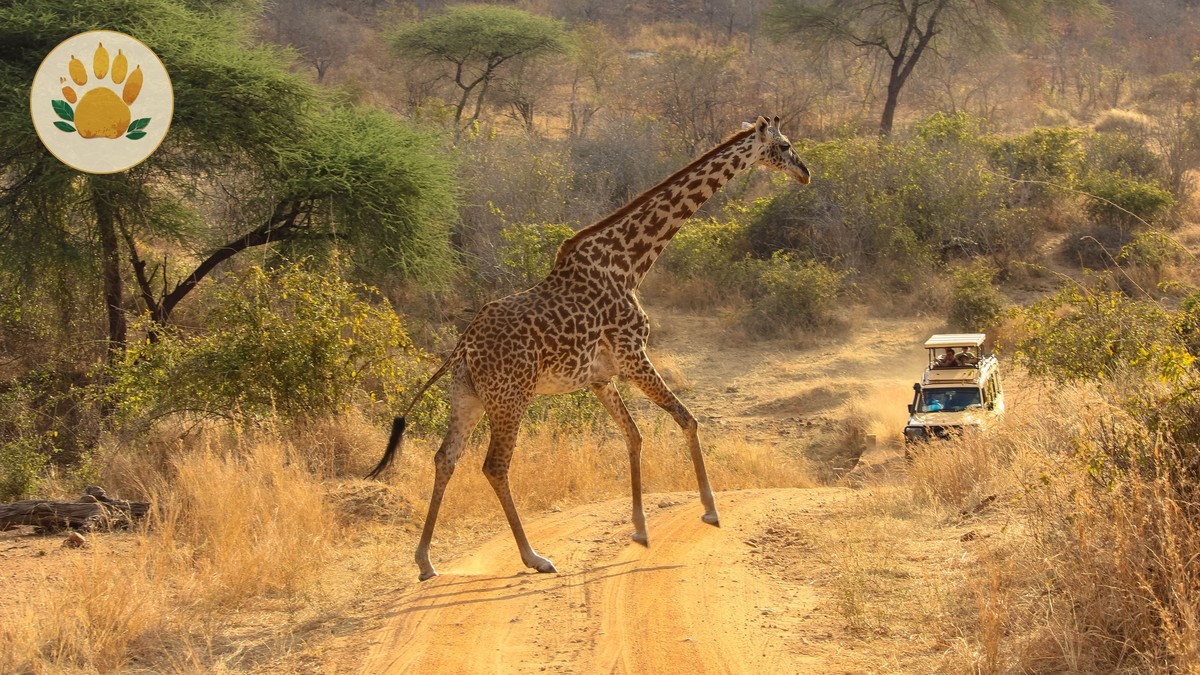
A game drive is a scheduled outing in a safari vehicle, usually two to four hours, timed for early morning or late afternoon when animals are most active. A night drive happens after dark with a spotlight, and it is only permitted in certain conservancies, not inside most national parks or the Masai Mara National Reserve.
A walking safari is a guided outing on foot, led by an armed ranger, typically at Ol Pejeta or in conservancies bordering the Mara. It is safe for beginners because guides keep groups small and stay well back from dangerous animals. A self-drive safari means you rent a vehicle and navigate the park yourself, which works in Nairobi National Park but is harder in the Mara’s unmarked tracks. A fly-in safari or bush flight replaces long road transfers with a short chartered flight to an airstrip near your camp, cutting a six-hour drive from Nairobi to the Mara down to about 45 minutes.
Accommodation terms
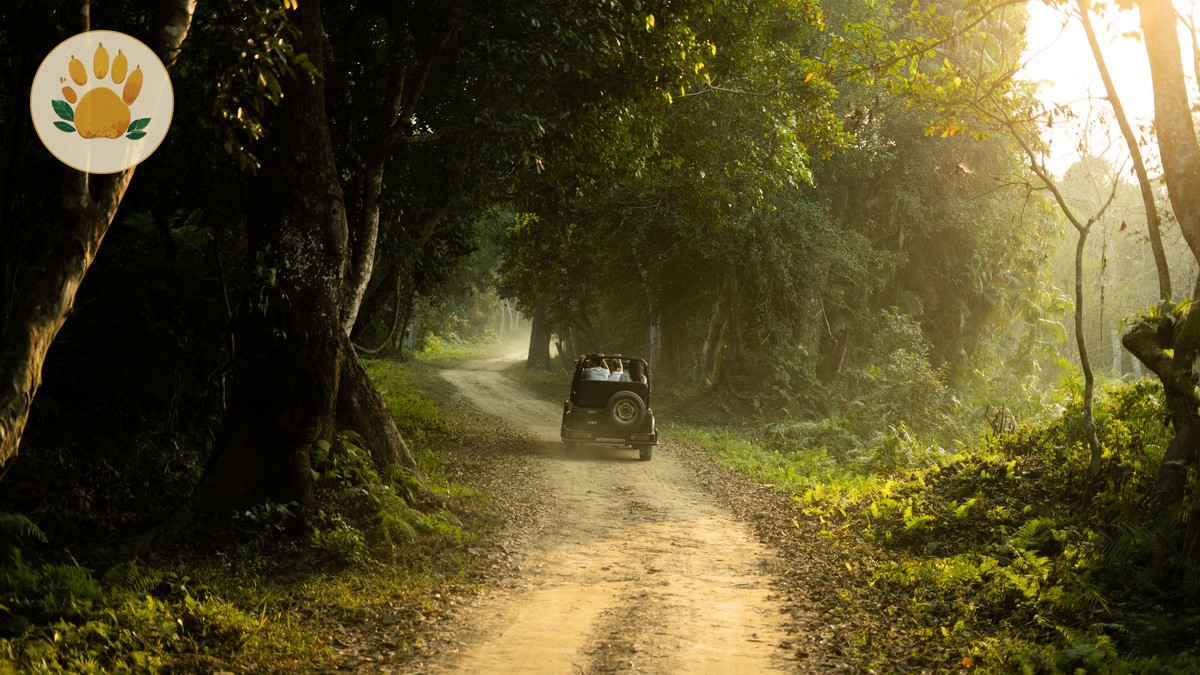
A tented camp uses canvas tents on raised platforms, usually with real beds, en-suite bathrooms, and a shared dining area. A permanent tented camp stays in one location year-round. A mobile camp physically moves, often following the wildebeest herds during the Great Migration, so its exact site changes with the season. A lodge is a fixed building with brick or stone rooms, often larger than a tented camp and sometimes with a pool. None of these terms tells you about quality on its own. A basic lodge and a well-run tented camp can cost the same per night.
Wildlife terms
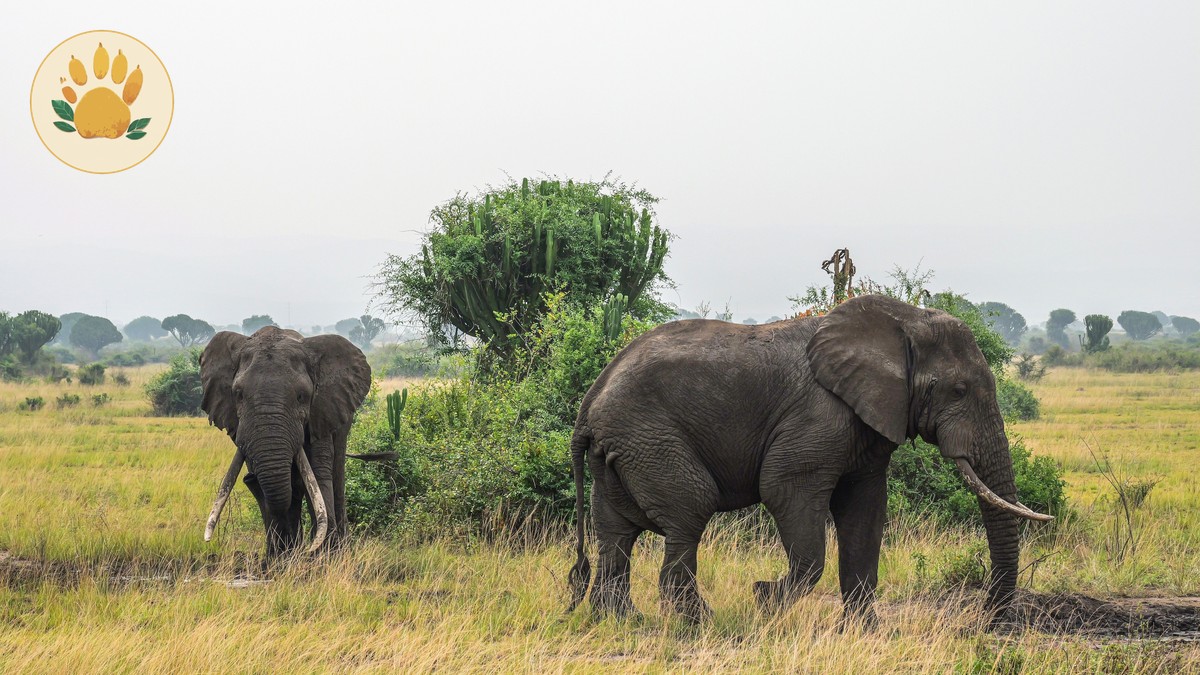
The Big Five are lion, leopard, elephant, buffalo, and rhino, named by old hunting parties for the animals hardest to track on foot, not for size or danger alone. The Ugly Five (marabou stork, warthog, spotted hyena, vulture, wildebeest) is a lighter, newer label used by guides to keep less glamorous sightings interesting. Diurnal animals are active by day, like most antelope. Nocturnal animals are active at night, like most genets and civets, which is why night drives exist in the first place. Endemic describes a species found only in one specific region, which in Kenya includes birds like the Sharpe’s longclaw.
Parks, reserves, and conservancies explained
This is where most beginners get confused, and it is also where price differences are largest.
A national park is run by the Kenya Wildlife Service (KWS), a national government body. A national reserve is run by county government, not KWS. The Masai Mara National Reserve, for example, is administered by Narok County, not KWS, despite being Kenya’s best known wildlife destination. A conservancy is private or community-owned land bordering a park or reserve, with its own separate entrance fees and usually far fewer vehicles per sighting.
| Park or Reserve | Managed by | Non-resident fee (adult/day) | Note |
|---|---|---|---|
| Masai Mara National Reserve | Narok County Government | USD 100 (Jan-Jun), USD 200 (Jul-Dec) | Fee doubles for peak migration season |
| Amboseli National Park | KWS | USD 90 | Elephant herds, Kilimanjaro views |
| Lake Nakuru National Park | KWS | USD 90 | Fenced park, rhino sanctuary |
| Tsavo East / Tsavo West | KWS | USD 80 | Kenya’s largest protected area |
| Nairobi National Park | KWS | USD 80 | 7 km from Nairobi’s city center |
| Chyulu Hills National Park | KWS | USD 40 | Least visited of this group |
| Naboisho / Mara North Conservancy | Private conservancy | USD 80-150 per person, per night (indicative, bundled into lodge rates) | Fewer vehicles, higher nightly cost |
Notice the conservancy row does not list a per-day park fee like the others. That is because conservancies fold their fees into the nightly lodge rate rather than charging separately at a gate. It sounds premium, and the wildlife experience often is quieter and less crowded, but it means a higher nightly cost and usually no shared vehicles with other travel parties. For a deeper breakdown, see how conservancy fees differ from national reserve fees.
Great Migration and seasonal terms
The Great Migration is the year-round movement of about 1.5 million wildebeest and zebra between the Serengeti and the Masai Mara, chasing fresh grass. Calving season runs roughly January to March in the southern Serengeti, when most wildebeest calves are born within a few weeks of each other. The dry season, June to October, pushes herds north toward the Mara River and produces the dramatic river crossings most people picture when they think of Kenya. The green season, November to May, means fewer tourists, lower rates, and lush scenery, but more scattered wildlife.
Cost and quote terms
Park fees and conservation fees are often the same charge under different names, the daily entrance cost set by KWS or a conservancy. Some parks also charge a separate camera or filming permit. You can check current camera permit fees for Kenya’s national parks before you pack a serious camera setup.
Per person sharing is the rate quoted when two people share a room, and it is almost always the headline price on a safari quote. A single supplement is the extra amount charged if you want, or need, a room to yourself, often 30 to 60 percent more than the sharing rate. The non-resident rate applies to international visitors and is always higher than the resident rate reserved for Kenyan citizens and East African residents, which explains why the figures in the table above only apply to non-residents.
Swahili words worth knowing
A handful of Swahili words appear on almost every safari itinerary. Simba means lion. Tembo means elephant. Chui means leopard. Twiga means giraffe. Kwaheri means goodbye, and asante means thank you, both useful with your guide and camp staff. A sundowner is not Swahili but a safari-wide term for the evening drink stop, usually timed to watch the sunset from the vehicle or a scenic overlook. For a longer list, see these basic Swahili phrases for safari travelers.
Entry, health, and safety terms
An eTA, Kenya’s electronic travel authorization, replaced the old visa-on-arrival system and must be approved before you fly. A yellow fever certificate is required if you are arriving from, or have transited through, a country with yellow fever risk, and border officials do check. Malaria prophylaxis refers to the preventive medication most doctors recommend for Kenya’s safari regions, since the Mara, Amboseli, and Tsavo all sit in malaria zones.
The SafariPure Difference
Most safari glossaries stop at definitions. We built ours around the actual decisions those words force you to make. When you see “conservancy” on a quote, we want you to know it means a higher nightly rate and a quieter game drive, not just a fancier word for park. When you see “non-resident rate,” we want the real 2026 figure attached, not a guess from an old blog post. That is the difference between a word list and a planning tool.
Quick-reference FAQ
What does Big Five mean on a Kenya safari? Lion, leopard, elephant, buffalo, and rhino, a term from hunting history now used for wildlife spotting.
What is the difference between a national park and a national reserve? National parks are run by KWS. Reserves like the Masai Mara are run by county government.
What is a conservancy? Private or community land next to a park, with its own fees folded into lodge rates and fewer vehicles per sighting.
What does per person sharing mean? The quoted rate assumes two travelers share one room. Solo travelers usually pay a single supplement.
When is the Great Migration? Year-round, but river crossings peak roughly June through October during the dry season.
Plan your trip with SafariPure
Once the terms make sense, the next step is matching them to an actual itinerary. Browse our Kenya safari tours or get in touch through our contact page to plan a trip built around the parks, seasons, and camps that fit what you actually want to see.