On a quiet evening in a mobile camp in the Mara North Conservancy, the generator runs for two hours. Guests gather at a wooden charging station, each with a labelled cable. By the next morning, every phone, tablet, and power bank is full again. That routine is normal on a Kenya safari.
So how do safari camps handle power banks? The simple answer is yes. Most safari camps can charge a power bank, phones, and camera batteries too. The practical answer is more useful. Camps do it in five different ways, and your experience depends on where you sleep. This guide walks through all five, with real camp types and real charging schedules.
How Do Safari Camps Handle Power Banks?
Yes, most safari camps can charge power banks, phones, and camera batteries, but the method depends on the property. Permanent lodges may provide live outlets in guest rooms, while remote mobile camps often use a shared charging station. Some camps offer power only during morning and evening generator windows, so charge whenever electricity is available.
That is the short answer. The longer answer is that a Kenya safari is not a hotel stay. Most camps generate their own power. The five ways camps handle power banks are in-room sockets, central charging stations, scheduled generator windows, solar-powered common areas, and vehicle charging ports. A single itinerary can use all five in one week.
Where Do Guests Charge Power Banks at Safari Camps?
Guests usually charge power banks in an in-room socket, the main lounge, reception, dining tent, or a central charging station. Mobile camps may collect labelled devices and return them at breakfast or after the evening charging period. Keep cables and batteries labelled, and ask at check-in whether unattended charging is permitted.
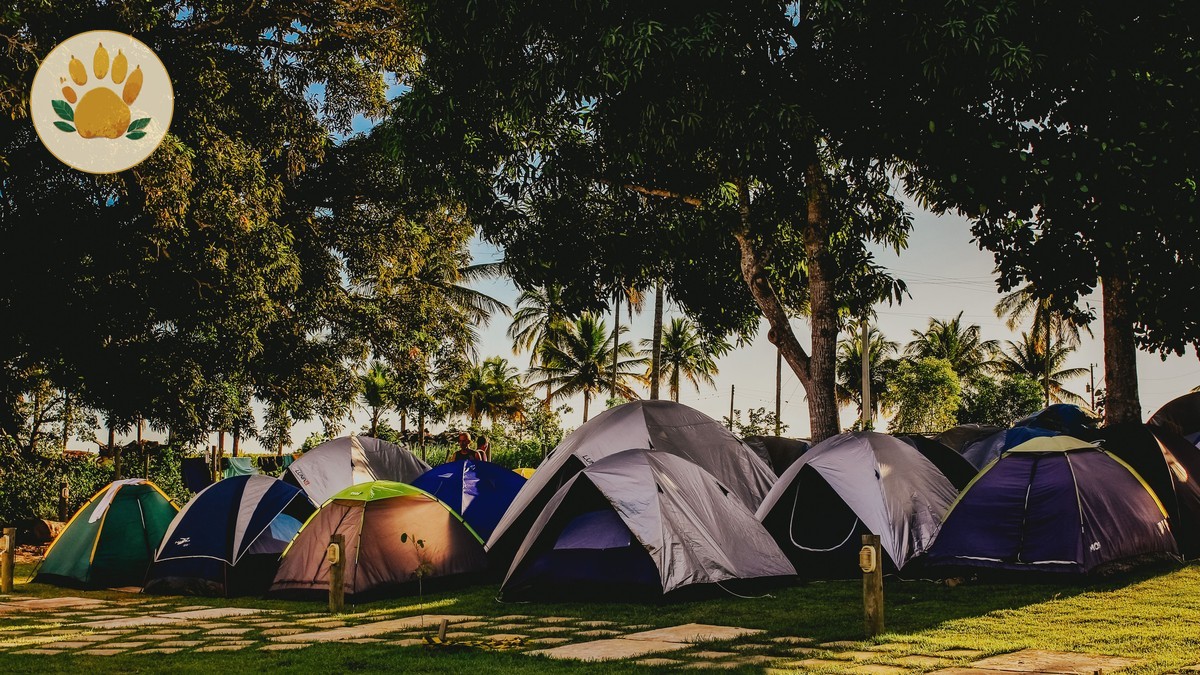
At permanent lodges near Amboseli National Park, most rooms have a live outlet. You can leave a power bank plugged in overnight, exactly as you would at home. In semi-permanent camps in Samburu and Laikipia, sockets often live in the lounge or dining tent rather than in the tent itself.
The Safari Camp Charging Station
A mobile fly-camp in Naboisho Conservancy may have no electricity in the tent at all. The camp sets up a single charging station, often a shelf or wooden box with adapters. You hand over your devices in the evening and collect them after the solar panels have done their work. This is the most honest system, because there are no surprises.
When Are Safari Camp Charging Hours?
Remote camps commonly provide electricity for a few hours in the early morning and again in the evening, often around 5:00 to 8:00 a.m. and 6:00 to 10:00 p.m. Solar-battery camps may keep common areas powered longer, while tent outlets can remain restricted. Missing a charging window may mean waiting until the next one.
Think of a camp as running on a schedule, not an endless supply. The generator starts for breakfast and again for dinner. The morning window lines up neatly with the first safari wake-up calls, so set your devices out before bed. The evening window covers dinner and a last cup of tea.
Some solar camps keep the lounge lit all evening but still limit sockets to certain hours. The battery stores enough for light, not for eight devices charging at once. Confirm the daily schedule when you check in. Write the times on your phone. Then build your day around them.
How Electricity Differs by Camp Type
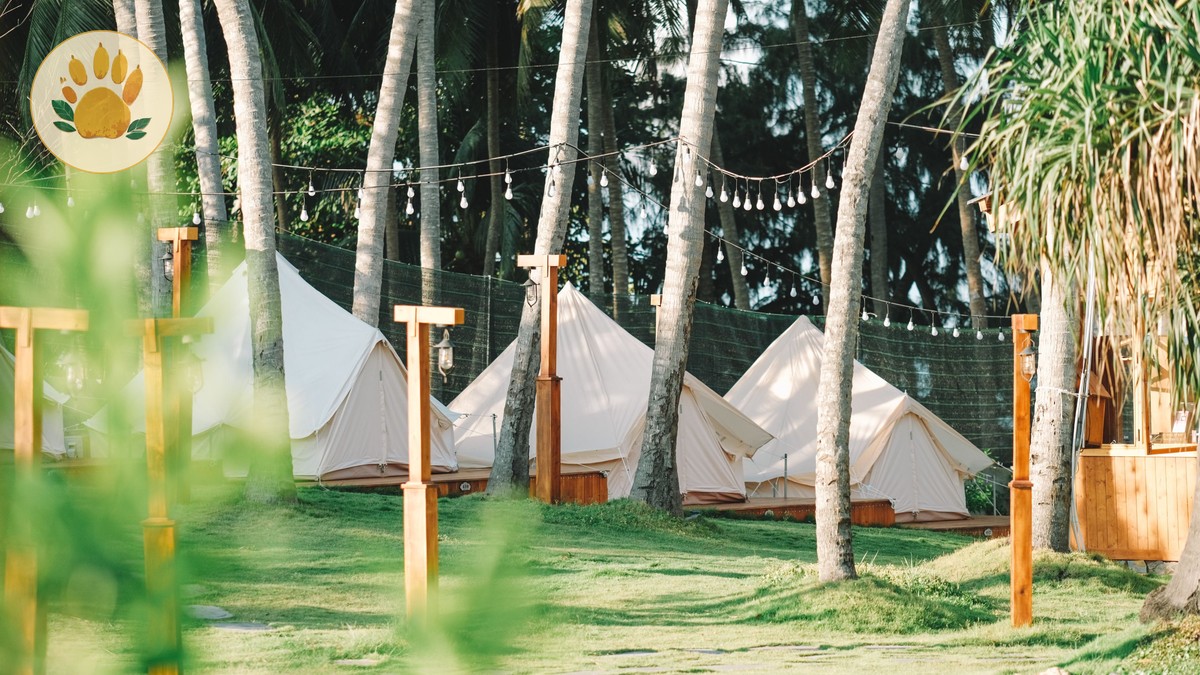
Permanent lodges near towns are most likely to offer near-24-hour electricity and in-room outlets. Mid-range or semi-permanent camps commonly use solar with generator backup and shared or limited tent charging. Mobile fly-camps may provide only a central station, vehicle charging, or no guest electricity, making a power bank essential.
The easiest way to compare electricity at safari camps is to look at camp type. Real camps in Kenya fall into three broad groups, and the differences matter for your camera kit.
| Camp type | Example areas | Access from Nairobi (indicative) | Entry or conservancy fee | Typical guest charging |
|---|---|---|---|---|
| Permanent lodge | Amboseli National Park | About 240 km by road, roughly 4 hours, or 50 min flight | USD 90 per adult per day | Live room sockets most of the day |
| Semi-permanent camp | Samburu National Reserve | About 330 km by road, roughly 5 to 6 hours, or 1 hour flight | Reserve fee roughly USD 70 to 90 per adult per day (indicative) | Shared lounge sockets; morning and evening windows |
| Mobile fly-camp | Naboisho or Mara North Conservancy | 45 to 60 min flight from Wilson Airport, then 30 to 90 min transfer | USD 80 to 150 per person per night, bundled into lodge rate | Central charging station; set generator hours |
Fees are for non-resident adults and current as of August 2026. Samburu is an indicative range because county-run reserves update fees separately from Kenya Wildlife Service. Always confirm the exact fee when booking.
The quietest camps run on solar power alone. A solar safari camp with a good battery bank can keep the lounge bright all evening, but sockets stay limited. Other camps run a diesel generator for set hours. Generators are louder, but they deliver steady power. If you have ever watched a camp generator start at 6:00 p.m., you know exactly when the dinner battery rush begins.
One more fee note: the Maasai Mara National Reserve is run by Narok County, not Kenya Wildlife Service. Its non-resident fee is USD 100 per adult per day from January to June and USD 200 from July to December. Camps inside the reserve pass this fee to you separately. Camps in Naboisho or Mara North bundle the conservancy fee into your nightly rate instead.
What Power Bank and Charging Kit to Pack
Pack a 20,000mAh power bank for most safari itineraries, plus the correct cables, a USB multi-port charger, and a Type G adapter for Kenya. One fully charged unit can cover several phone top-ups, but photographers should also bring spare camera batteries. Recharge the power bank every night instead of waiting until it is empty.
Why a 20,000mAh Power Bank Works
Choose the 20,000mAh size because it balances weight and capacity. It fits in a daypack and will top up a phone four or five times. That is enough for a full day of photos, navigation, and notes, even if the camp has no evening power.
For camera work, carry at least two spare batteries. Most camera batteries do not charge from a power bank unless you carry a USB charger for the specific model. Check whether your charger accepts 12V input, because that opens up vehicle charging during game drives.
If your main goal is Kenya safari leopard photography, you will spend long waits in the vehicle. A full 20,000mAh power bank and spare batteries let you keep shooting through the quiet hours without hunting for a socket.
Pack everything in a small dry bag. Dust and rain are the two biggest risks for electronics in the bush. A Type G adapter and a USB multi-port charger fit in the same bag. At a shared charging station, four guests and one socket will otherwise test your patience.
How to Charge During Game Drives and Power Cuts
Use a vehicle USB port or 12V socket during game drives when available, then rely on the power bank away from the vehicle. During a camp power cut, lights and essential operations usually receive priority while guest outlets may stop working. Keep one charged power bank accessible and treat vehicle charging as a backup, not a guarantee.
Game Drive Charging: Use the Vehicle as a Backup
Many safari vehicles in the Maasai Mara and Amboseli have a USB port or a 12V socket. The port may be shared by six guests, and it may not work at all. Start each drive with a full phone and a full power bank.
If the vehicle has a 12V socket but no USB, a car charger solves the problem. It is a small item that takes up almost no space. When the vehicle is running, the socket delivers enough power to charge a camera battery through the right cable. A vehicle charging port is a bonus, not a promise.
Power cuts happen in remote areas. A storm can knock out a solar system, and generators fail like any machine. When the camp lights flicker, the kitchen and the water pump get priority. Keep one charged power bank with you at all times, so a cut does not cost you tomorrow’s photographs.
Weather can also change your plans. If a storm rolls in and you wonder whether rain cancels game drives, the answer depends on the camp, the roads, and the light. Either way, the charging advice stays the same. Keep a dry, charged power bank in your daypack.
The SafariPure Difference
The SafariPure Difference is simple. We build safaris around how you actually travel, including how you keep your gear charged. We match you with camps that fit your charging style. A photographer who wants two clear charging windows can stay in a semi-permanent camp with a reliable generator schedule. A traveller who wants sockets in the room is better placed at a permanent lodge near Amboseli or on the Laikipia Plateau.
We also tell you the limits before you book. Some mobile camps in Naboisho and Mara North have excellent solar systems and no overnight sockets. You will know that before you arrive, not after. We choose camps that are honest about power, and we put a night-by-night charging routine in your travel notes. Time in the wild should be unhurried, and so should your photography.
Frequently Asked Questions
Can safari camps charge power banks?
Yes, most safari camps and lodges can charge power banks, phones, and camera batteries. Permanent lodges may have room outlets, while mobile camps usually use a shared charging station or limited generator hours.
Do safari camps have electricity in the tents?
Some permanent and high-end camps have live outlets in guest tents, but remote mobile camps often provide only lighting or no tent electricity. Ask whether tent sockets are live all day or only during scheduled solar or generator periods.
What time do safari camps turn on the generator?
Many remote camps run generators in the early morning and evening, commonly for a few hours around breakfast and dinner. Exact times vary by camp, so confirm the schedule on arrival and connect every device during the available window.
Do safari vehicles have charging ports?
Many modern safari vehicles provide USB or 12V charging, but availability and working condition are not guaranteed. Bring the correct cable and start each drive with a full phone and power bank rather than depending entirely on the vehicle.
What size power bank do I need for safari?
A 20,000mAh power bank is a practical choice for most travellers because it can provide several phone top-ups without being excessively heavy. Travellers carrying multiple cameras or spending nights without electricity may need a second unit or extra camera batteries.
Plan Your Safari With the Right Power Plan
Every camp handles power a little differently, and the right itinerary depends on matching your charging habits to the property. SafariPure can match you with lodges and mobile camps across Naboisho, Mara North, Samburu, Amboseli, and Laikipia. We also build a night-by-night charging routine into your travel notes. Browse our Kenya safari tours, or reach us through the contact page with your dates. We will confirm each camp’s power setup before you book.