
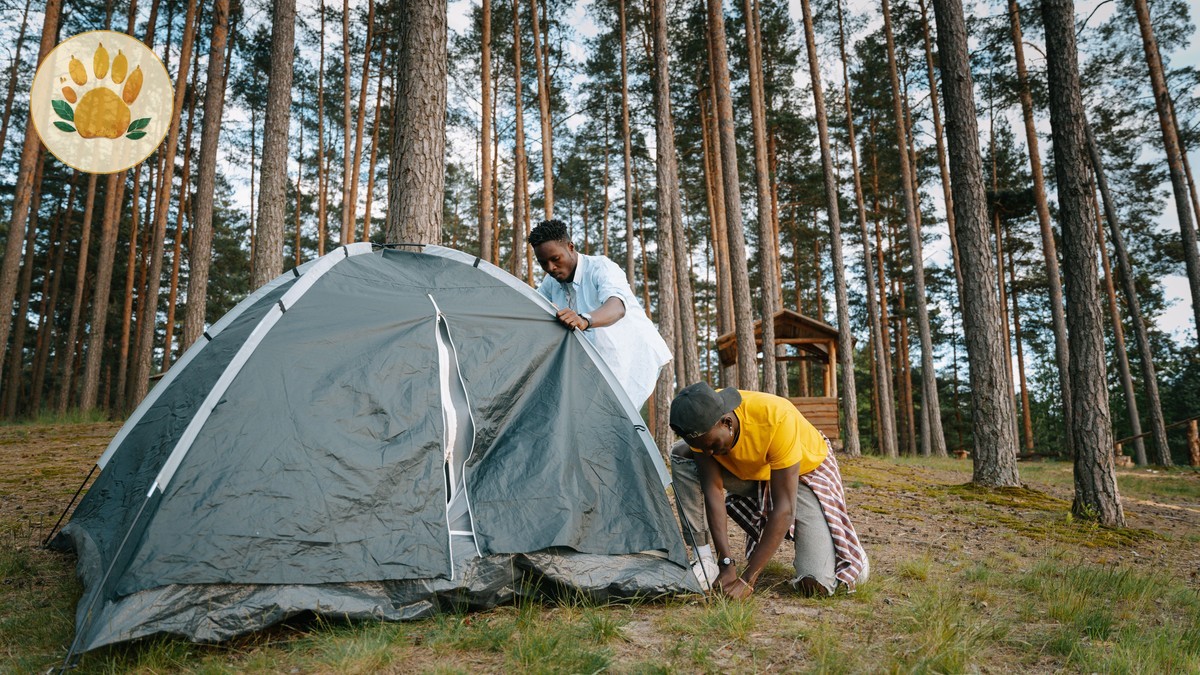
The first morning on safari starts before the sun. A soft knock, a quiet voice, and often the smell of fresh coffee. If you have wondered how are safari wake up calls made, the answer is simpler than you might think. Camp staff confirm your time the night before, wake you gently, and give you about 30 to 40 minutes to get ready. This guide explains the full routine, the timing, and the small details that make it feel personal.
How Are Safari Wake Up Calls Made? What It Feels Like
A safari wake-up call is usually a gentle knock at the tent or room entrance, followed by a staff member saying good morning and waiting for you to respond. In some camps, a guide or camp assistant delivers hot tea or coffee at the same time. The approach is personal and quiet, not an automated hotel telephone alarm.
You might hear footsteps on gravel first. Then comes a low knock, one or two soft taps. Camp staff rarely shout through the door. They wait until you call back, then ask if you are awake and remind you of the departure time. In a canvas safari tent, the sound carries clearly. You will know someone is there, but you will not feel rushed.
What Time Do Safari Wake-Up Calls Happen?
Most safari wake-up calls happen between 4:30 and 6:00 a.m., with the exact time set by sunrise, park opening hours, and the planned game-drive departure. A common Kenya schedule is a 5:00 or 5:30 a.m. call followed by a 6:00 to 6:30 a.m. departure, although private conservancies may leave earlier.
During the dry months in the Masai Mara, sunrise is around 6:30 a.m. Many camps call at 5:00 a.m. and have guests in the vehicle by 6:00. The idea is to catch the cool, early hours when wildlife is most active. The same pattern applies in Amboseli and Lake Nakuru. Park gates and reserve gates open at first light, so the call is timed to get you there as early as possible.
| Camp style | Wake-up call format | Typical call time | Example location | Non-resident entry fee |
|---|---|---|---|---|
| Tent camp | Staff knock and tray to tent | 5:00 to 5:30 a.m. | Masai Mara National Reserve | USD 200 per adult per day July to December; USD 100 January to June |
| Safari lodge | Knock or room phone; tea in dining area | 5:30 to 6:00 a.m. | Amboseli National Park (KWS) | USD 90 per adult per day |
| Private conservancy | Staff knock and walking escort | 4:30 to 5:00 a.m. | Naboisho Conservancy | Roughly USD 80 to USD 150 per person per night, bundled into lodge rates |
Masai Mara is run by Narok County, not KWS. The KWS fee shown for Amboseli is for non-resident adults per day. Conservancy fees in Naboisho are not paid at a gate. They are included in the camp price.
Who Makes the Wake-Up Call and How Is It Arranged?
A camp attendant, butler, guide, or other designated staff member normally makes the wake-up call in person. The time is commonly confirmed during dinner or the evening briefing, when guests can also request tea, coffee, or another drink. The camp then coordinates the call with the vehicle departure and any walking escort required.
Most camps ask for your preference at dinner. The waiter or camp manager may ask, “What time tomorrow and what would you like in the morning?” That is the moment to state your call time, drink order, and any special needs. The camp writes it down, briefs the night staff, and works with the guide on timing.
In a permanent lodge, the call may come through a room phone. In a tented camp, it is almost always a person. If you are staying in an unfenced camp, the same staff member or another attendant will often return after the call to walk you to the main area. This is part of the camp’s routine, not an extra step you need to arrange.
Tea, Coffee, and Snacks Before the Drive
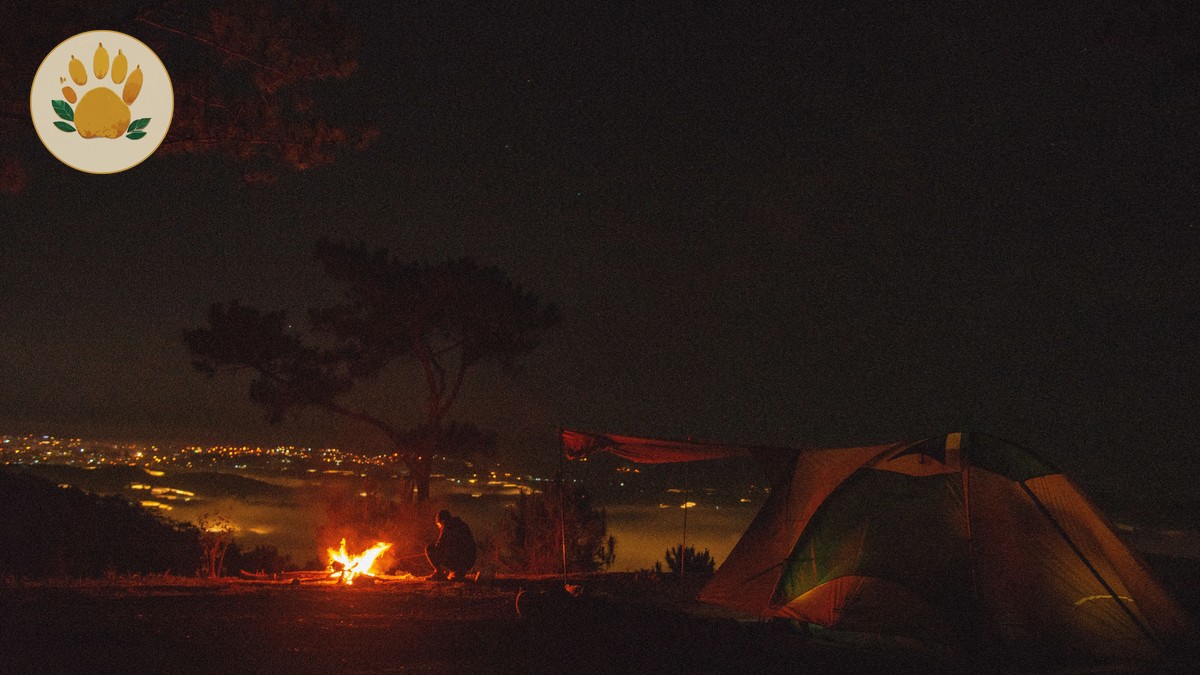
Before departure, camps commonly provide hot tea or coffee with biscuits, rusks, muffins, fruit, or another light snack. Some deliver a tray to the tent, while others serve refreshments at the main camp or around a fire. A full cooked breakfast usually comes later, after the morning drive, so the first offering is deliberately quick and light.
The first refreshment of the day is meant to be light. A few biscuits or a muffin give you energy without weighing you down on a bumpy road. Many camps bring a flask that stays in the vehicle, so you can pour a second cup while watching the sunrise. If you are staying in a private conservancy, the same tray may be set out under a tree at the meeting point. For a longer version of this idea, read our notes on Kenya safari morning coffee stops.
How Much Time Do You Get Before the Morning Game Drive?
Guests typically receive about 30 to 40 minutes between the wake-up call and departure. That window allows time to dress warmly, wash, pack a camera and water bottle, drink something, and reach the vehicle or meeting point. Camps may allow more time for elderly guests, families, or guests who need an escorted walk in darkness.
Thirty minutes sounds short, but it works. Most guests wash quickly, dress in layers, grab their camera, and walk to the vehicle. The camp has done the heavy lifting. Your bag is by the door, the vehicle is parked with the engine warm, and the route is planned. If you move slowly in the morning, tell the camp the night before. They can give you 45 minutes or arrange an escort. To understand the rest of the morning, read about how long safari game drives usually last.
What If You Do Not Want an Early Wake-Up Call?
Tell the guide or camp manager during the evening briefing if you want to skip the early drive or use a later call. Camps can usually adjust the timing for a private vehicle, arrange a later breakfast, or let you join a later activity, but a fixed shared departure may not be flexible. Confirm the alternative before going to bed.
You do not need to leave at dawn. Some people visit Kenya for walking safaris, cultural visits, or simply time to rest. If you share a vehicle with others, the group usually leaves together. If you have a private vehicle, camp staff can set a later time. A private conservancy stay also gives you flexibility, because there are no shared park gates. Confirm your plan before bed and the call will be adjusted.
The 5 Camp Steps of a Safari Wake-Up Call
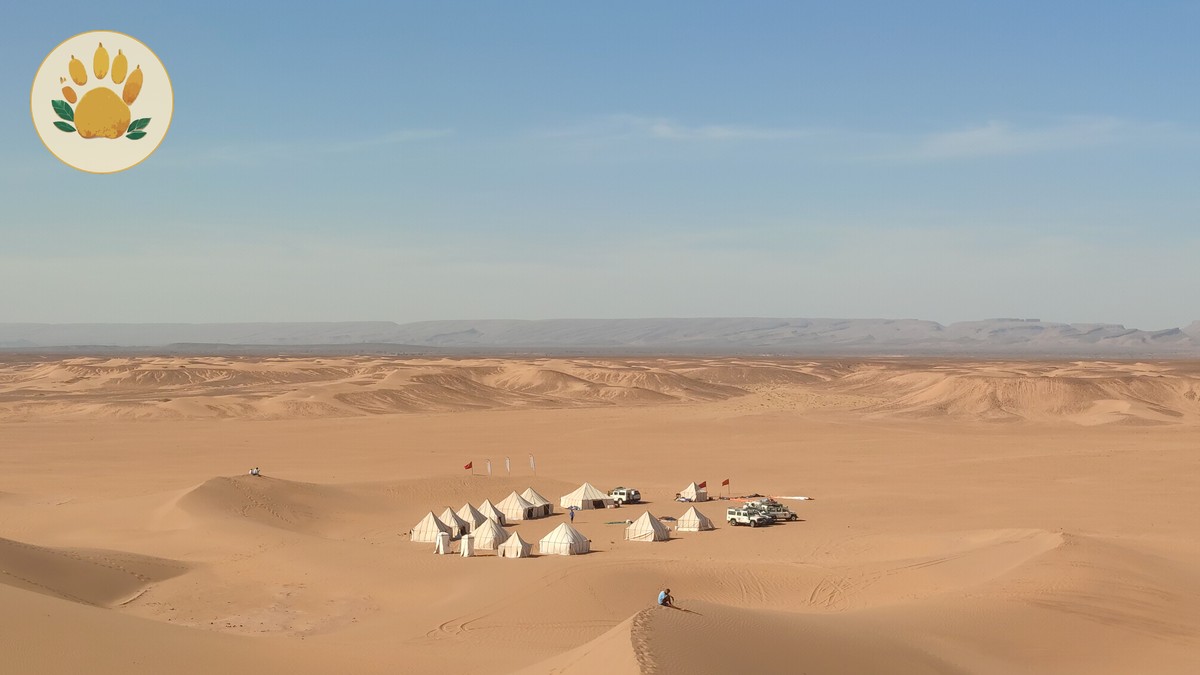
Every safari camp wake up call follows the same five steps, even when the details vary. This is the sequence you will experience.
- Evening briefing. At dinner, confirm your wake-up time and drink order. Ask about the departure time and whether you need an escort.
- The knock. Staff arrive at your tent or room, say good morning, and wait for you to respond.
- Refreshments. Tea, coffee, biscuits, or fruit arrive at your tent or at the main meeting area.
- Escort and safety. In unfenced camps, a staff member walks you with a torch. This is how safari camp safety works before sunrise.
- Departure. Meet at the vehicle about 10 minutes before the scheduled drive. Climb in, adjust your layers, and head out.
The key is the evening conversation. If the camp knows your time, drink, and pace, the morning runs smoothly.
The SafariPure Difference
The difference starts the evening before. SafariPure trips are arranged so the wake-up call, drink order, and departure time are confirmed over dinner. We match the camp style to your pace, and we tell you exactly what to expect in the morning. If you want to start before sunrise, we can place you in a private conservancy like Naboisho. If you prefer to sleep later, we choose a lodge with flexible departure times. You can also read about how private conservancy night drives work if you want to extend your wildlife hours. The goal is a calm start to every day, not a rushed one.
Frequently Asked Questions
How early is a wake up call on safari?
A safari wake-up call is commonly between 4:30 and 6:00 a.m. The exact time depends on sunrise, park opening hours, and the planned game-drive departure. Many Kenya morning drives use a 5:00 or 5:30 a.m. call and leave around 6:00 to 6:30 a.m.
Do safari camps knock on your tent for wake up calls?
Yes, many safari camps send a staff member to knock gently at the tent entrance and wait for a response. Some properties use a room telephone, radio, or another agreed method instead. In an unfenced camp, staff may escort guests between their tent and the main area after the call.
Do safari lodges bring tea and coffee to your tent?
Often, but not always. Some lodges deliver hot tea or coffee with biscuits to the tent, while others serve refreshments in the dining area or near the campfire. The delivery method usually depends on the camp’s layout, staffing, safety procedures, and level of service.
How much time do you get between a safari wake up call and the game drive?
Most guests have roughly 30 to 40 minutes to get ready before departure. Use the time to dress in layers, collect your camera and water, and reach the vehicle or meeting point. Ask for extra time in advance if you are traveling with children or need mobility assistance.
Are safari wake up calls safe in unfenced camps?
They are designed to be safe because camp staff follow property-specific wildlife procedures. Guests should not walk outside alone before sunrise. Wait for an escort if the camp requires one, and follow instructions about moving between the tent and main area. Safety arrangements differ by camp and location.
Plan Your Safari Morning With SafariPure
At SafariPure, we treat wake-up calls as part of the trip plan, not a random alarm. We confirm your preferred time, drink order, and whether you want an escort. We also handle the park fees, camp bookings, and vehicle timing so you can focus on the wildlife. To plan your safari, contact SafariPure through our contact page or browse our Kenya safari packages.