Planning a safari in northern Kenya means comparing a mix of national parks and private conservancies. Lewa Wildlife Conservancy is one of the most respected private reserves in the country. The Lewa Conservancy conservation fee can confuse first-time travelers because the booking systems at Lewa look different from the gate tickets at public parks.
The commonly published overnight Lewa Conservancy conservation fee is US$126 per adult non-resident. A full day visit is commonly priced at US$198 per adult non-resident. This guide explains those rates, where the money goes, and the questions you should ask before your lodge sends you a final invoice.
How much is the Lewa Conservancy conservation fee?
The commonly published Lewa Conservancy conservation fee is US$198 per adult non-resident for a day visit and US$126 for an overnight stay. Kenyan or East African residents are commonly quoted KES 8,074 for a day visit and KES 2,800 overnight. Children aged 6 to 12 generally pay 50% of the adult rate.
These are the main figures you will see on conservancy materials and on most lodge booking pages. Residents need to show proof of residence, such as a Kenyan passport, national identity card, or residence permit. Non-residents are usually charged the dollar rate.
| Visitor type | Day visit | Overnight stay | Notes |
|---|---|---|---|
| Non-resident adult | US$198 per person | US$126 per person | Published rate for most international visitors |
| Kenya or East African resident adult | KES 8,074 per person | KES 2,800 per person | Proof of residence required |
| Child aged 6 to 12 | Usually 50% of adult rate | Usually 50% of adult rate | Confirm the exact age policy with your lodge |
The table above gives you the standard picture. You should still ask for the rate in writing. Some lodges include the Lewa Conservancy conservation fee inside their package. Others list it as a separate line item on a quote.
Why is the Lewa day visit fee higher than the overnight conservation fee?
Lewa charges more for a day visit because day visitors use the conservancy’s road network, ranger support, picnic areas, and management time without booking a lodge night. Overnight guests already contribute through multiple nights of lodge revenue at member properties, so the official overnight conservation charge is priced lower than the day rate. A non-resident day visit costs about US$198 per adult, while an overnight guest is commonly charged US$126 per person.
The lower overnight figure is not your daily all-inclusive price. A lodge rate at Lewa often covers the room, all meals, game drives, and a guide. Accommodation, meals, activities, transfers, and any lodge-specific contribution are added separately. When you add those costs to the conservation fee, a proper Lewa safari usually costs far more than US$126 per person per night.
What are Lewa Wildlife Conservancy fees for residents and children?
Lewa separates fees by residency and age. Published rates commonly show US$198 for a non-resident adult day visit, US$126 overnight, KES 8,074 for a resident day visit, and KES 2,800 overnight. Children aged 6 to 12 are generally charged half the applicable adult amount, while younger children require confirmation.
The resident rate is not automatic. If you live in Kenya but hold a foreign passport, you will likely need a work permit, dependent pass, or another official document. A lodge will normally tell you which documents are accepted before you arrive. If you do not provide the correct proof, the non-resident rate will apply.
Families should check the child rate at the time of booking. Under-six policies vary between lodges. A child may be free on a room and still attract a conservation fee. Confirm every child age in writing so the final invoice has no surprise.
What does the Lewa conservation fee cover?
The Lewa conservation fee supports the conservancy’s wildlife protection, habitat management, anti-poaching work, infrastructure, and community initiatives. It is not the same as a full safari package and normally does not automatically include accommodation, meals, flights, transfers, or optional experiences.
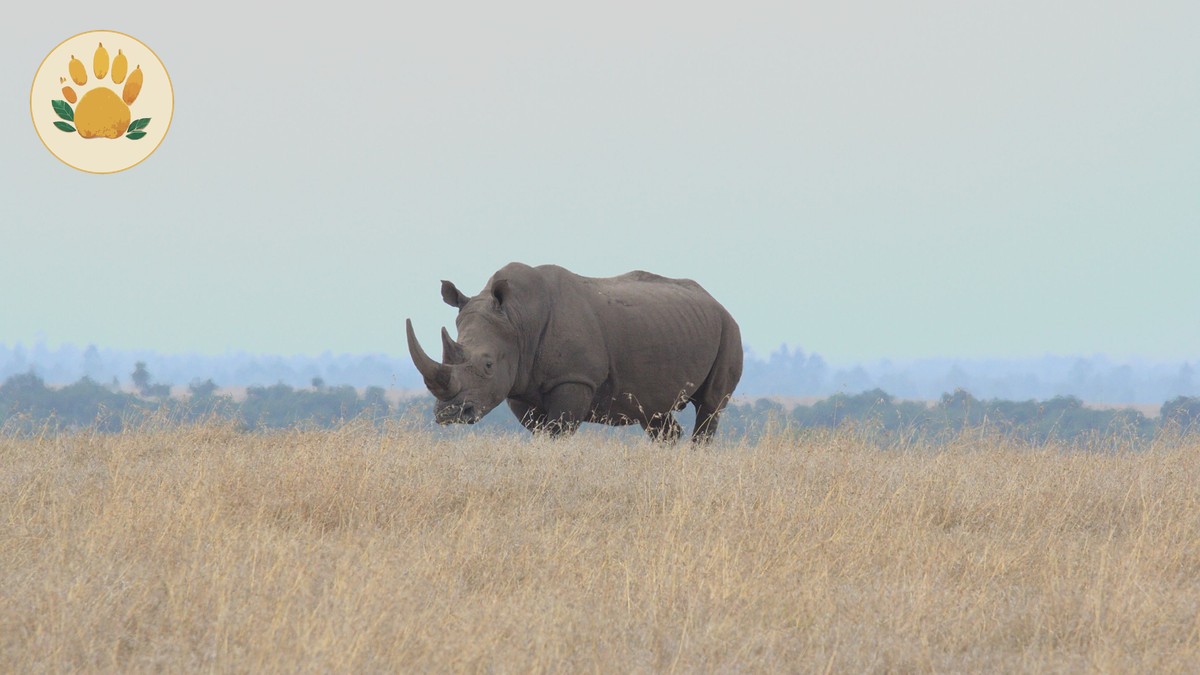
Lewa is known for its black rhino conservation work and for supporting one of the most important Grevy’s zebra populations in Africa. The money from entry fees helps pay for ranger patrols, vehicle upkeep, veterinary responses, water supply, and education programs in surrounding communities. This is not a government tax. It goes to the private Lewa Wildlife Conservancy, the landowner and management body responsible for the reserve.
Visitors often assume the conservation fee is a small add-on for park maintenance. In reality, this fee is the financial foundation that keeps a private conservancy running. A private reserve does not receive the same public funding as a national park, so the conservation contribution from tourism matters more.
Is the Lewa lodge conservation fee included in the lodge rate?
Lewa conservation fees may be included in a lodge package or listed as a separate line item, so travelers should not assume either treatment. Published lodge examples show additional charges ranging from about US$105 to US$183 per person, which is why the booking quote should state the fee, tax treatment, and billing period clearly.
Sirikoi and Lewa Wilderness are two well-known properties inside Lewa. Both quote conservation contributions in their rates, but the way they present the number can differ. One operator may include the Lewa lodge conservation fee inside a nightly all-inclusive rate. Another may show a lower room rate and add conservation on top of it. Neither approach is wrong, but the total price matters more than the base room rate.
The exact question to ask is simple: does your quote include the Lewa Conservancy conservation fee, or is it added as an extra cost on top? Then ask whether the extra is per person per night or per visit. Finally, ask if Kenyan taxes are already included.
How should I budget a realistic Lewa safari cost?
For a non-resident, budget at least US$126 per person for the published overnight conservancy charge or US$198 for a day visit, then add the lodge or camp rate and transport. A realistic quote should identify whether the fee is per person per night, per visit, tax-inclusive, and already built into the package.
A simple one-night example for one non-resident adult could look like this:
- Published Lewa conservation fee: US$126 per person
- Full-board lodge package: US$350 to US$900 per night, indicative range only
- Road transfer from Nanyuki or the nearest airstrip: US$100 to US$180 each way, indicative range only
This example shows why the conservation fee is usually the clearest part of a Lewa budget. The bigger variable is the lodge package, the number of nights, and whether you choose road or air transport. The published fee can also change, so your operator should reconfirm it close to the travel date.
If you are comparing nearby private land, look at our Lewa vs Borana conservancy costs guide before you book. You may also want to review the Borana Conservancy safari cost page if you plan to sleep outside Lewa and drive in for the day. For a wider view of the region, our Laikipia private conservancy costs overview compares the main options in one place.
The SafariPure Difference
At SafariPure, we believe a conservation fee should create clarity, not confusion. That is why every Lewa safari we build includes a written cost breakdown before you pay a deposit. We ask the lodge directly whether the Lewa Conservancy conservation fee is already included, how children are billed, and whether the resident or non-resident rate applies.
This level of detail matters for first-time safari travelers who want to compare prices without guessing. The difference between US$126 and US$198 is large. The difference between an all-inclusive quote and a quote with extra fees is even larger. SafariPure handles that kind of verification for you, so you can focus on the wildlife.
Frequently Asked Questions
How much is the Lewa Conservancy conservation fee?
The commonly published rate is US$198 per adult non-resident for a day visit and US$126 for an overnight stay. Resident rates are commonly listed as KES 8,074 per day and KES 2,800 overnight, but travelers should confirm the current amount with their lodge or operator.
Is the Lewa conservation fee included in the lodge rate?
Sometimes, but not always. Some lodge packages include the conservation contribution, while other properties list it separately. Ask for an itemized quote showing the fee, taxes, and whether it is charged per person, per night, or per visit.
Do children pay the Lewa Conservancy fee?
Children aged 6 to 12 are generally charged 50% of the applicable adult conservation fee. Policies for children younger than six can vary, so families should confirm the child rate directly when booking.
How much is Lewa Conservancy entry for a day visit?
The commonly published non-resident adult day-visit fee is US$198. Kenyan or East African residents are commonly quoted KES 8,074, while children aged 6 to 12 generally pay half the applicable adult rate.
Where does the Lewa conservation fee go?
The fee helps fund wildlife protection, anti-poaching patrols, habitat rehabilitation, conservancy operations, infrastructure, and community programs. Lewa also uses tourism revenue to support its broader conservation work.
Ready to Plan Your Lewa Safari?
Lewa is one of the best private conservancies in Kenya for a first safari, especially if you want smaller vehicle numbers and consistent wildlife viewing. The Lewa Conservancy conservation fee should never be a mystery. When you plan with SafariPure, you get a quote that shows exactly what is included and what is extra.
Start by sharing your travel dates, party size, and preferred lodge style through our contact page. We will confirm the current fees, compare options at Sirikoi, Lewa Wilderness, or another suitable camp, and build a safari that puts the wild first.