Kenya safari can camps wash bottles? Yes, many can, if you ask in advance. The practical details depend on your camp. This guide covers the service you can expect, the water to use, and the small kit you should pack. You will also find a message to send every property before you book.
Before you choose a route, look at current park fees and road times. Families move slower than solo travellers. This table reflects the new non-resident fees that started in October 2025.
| Destination from Nairobi | Approx. road time (with stops) | Non-resident adult day fee (from Oct 2025) |
|---|---|---|
| Nairobi National Park | 30 to 45 minutes | USD 80 |
| Lake Nakuru National Park | 2.5 to 3 hours (about 160 km) | USD 90 |
| Amboseli National Park | 4 to 5 hours (about 240 km) | USD 90 |
| Tsavo East National Park | 4 to 5 hours (about 300 km) | USD 80 |
| Masai Mara National Reserve | 5 to 6 hours (about 270 km) | USD 100 Jan to Jun; USD 200 Jul to Dec |
The Masai Mara is run by Narok County Government. The other parks are managed by Kenya Wildlife Service. All fees are per adult per day for non-residents. Child rates are separate and vary by park. For a wider budget picture, compare Kenya group safari costs with these day fees before adding lodge rates.
Kenya Safari Can Camps Wash Bottles: What About Sterilising?
Yes, many Kenya safari camps can wash baby bottles if you ask in advance. Kitchen or housekeeping staff typically use hot water, dish soap, and a bottle brush, then may boil the parts in a clean pot. Washing is more widely available than formal sterilisation, so confirm the exact method before arrival.
The best time to ask is before you book. Include the request in your booking email, not in a chat at the reception desk. A camp that knows your needs can prepare the kitchen and housekeeping schedule.
Camp tip 1: ask every property the same question. For example, “Will someone wash our baby bottles and boil the parts in a clean pot?” Do not accept a general yes. Ask what they will use for rinsing and when they will return the bottles.
Camp tip 2: treat boiling as the most common sterilisation method. Few remote camps have electric sterilisers. If boiling is offered, ask where it happens. Boiling in a clean kitchen pot is safer than boiling in a bathroom kettle.
What Changes Between Permanent Lodges and Mobile Tented Camps?
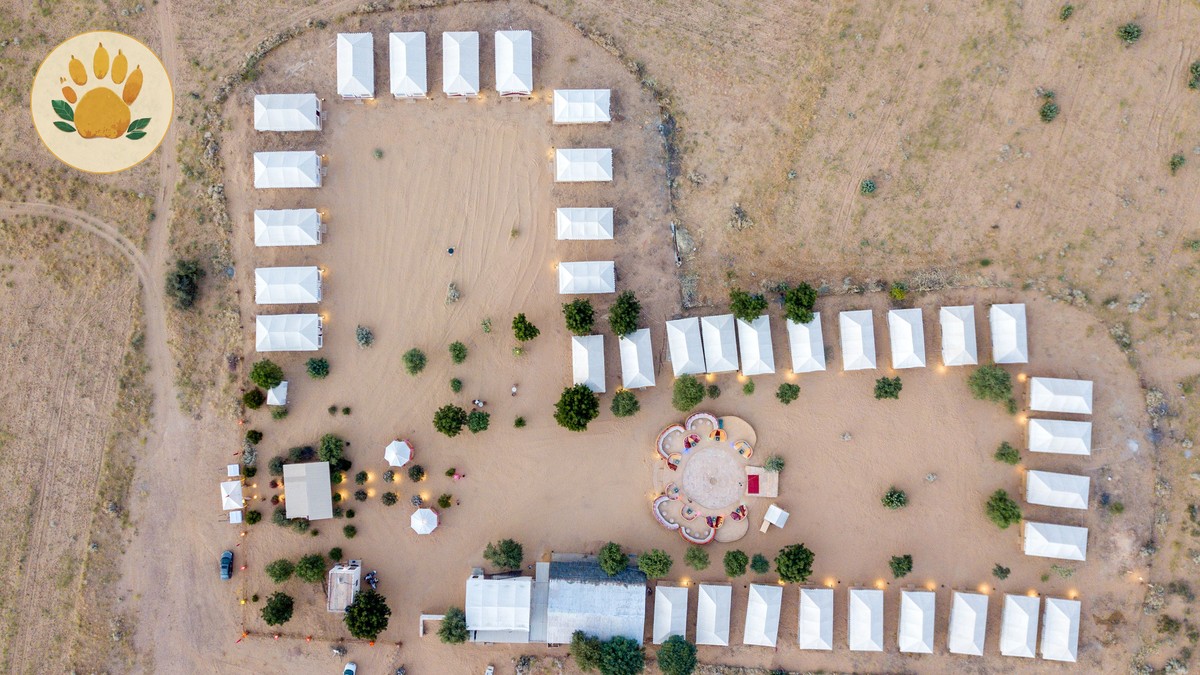
Permanent lodges usually offer the most reliable bottle-washing service because they have established kitchens, hot water, and longer power availability. Mobile tented camps can often wash and boil bottles too, but service follows meal and generator schedules. Overnight requests, microwaves, and dedicated sterilisers should never be assumed.
A permanent lodge in Amboseli or Nanyuki can usually wash bottles several times a day. Staff have dedicated sinks and hot water. A mobile tented camp in the Mara can also help, but the kitchen closes after dinner. You may not be able to get a clean bottle at 3 a.m.
Camp tip 3: match your expectations to the camp type. If your baby wakes at night, book a permanent lodge or ask the camp to give you a clean bottle before bedtime. Keep that bottle in a sealed container beside your bed.
For a private conservancy, services are often included in the lodge rate. Naboisho and Mara North conservancies bundle most meals and camp services into one night rate. Private conservancy nights usually cost more than park entry alone, often roughly USD 80 to 150 per person per night. That does not mean bottle washing is automatic. You still need to ask, but there is usually no extra charge.
What Water and Equipment Do Camps Provide?
Camps commonly provide hot or boiled water, but the source and safety of rinse water vary by property. Use treated or bottled water unless staff confirm the tap supply is suitable for feeding equipment. Most camps do not provide a bottle brush, sterilising tablets, drying rack, or spare parts.
Do not use water from the bathroom tap for mixing formula unless a camp manager confirms it is safe. Many lodges have filtered water stations. Mobile camps may rely on boiled water, bottled water, or water treated on site. Each system works, but it works only if you ask.
Camp tip 4: decide the water plan with the camp before arrival. Ask, “Can you provide purified or boiled water for mixing feeds and rinsing bottles?” Write down their answer.
The cold can also affect the routine. If you plan to travel through the highlands, Kenya’s coldest safari parks can change how long bottles take to dry. Damp places and cold mornings slow everything down. Pack extra time and extra spare parts.
When Should Bottles Be Washed, Boiled, and Returned?
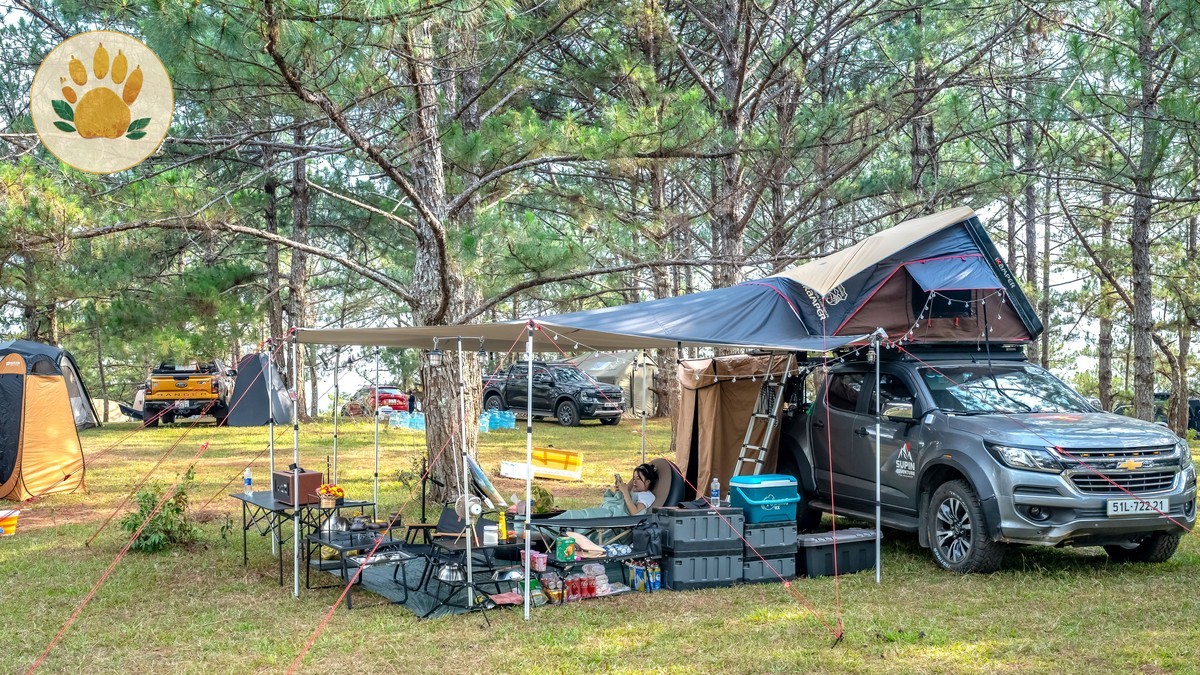
Ask staff to wash bottles during kitchen operating hours and agree on a return time before a game drive or bedtime. Generator-powered camps may have only morning and evening electricity, while mobile camps may boil bottles on a gas stove. A bottle needed at 2 a.m. usually requires your own backup plan.
Kitchens work on timetables. If breakfast ends at 9:30 and lunch starts at 12:30, bottle washing has to fit in between. Do not leave bottles at the sink and hope for the best. Hand them to a staff member and ask for a specific return time.
Camp tip 5: create a 2 a.m. backup plan. Ask the kitchen to fill a clean thermos with boiled water after dinner. Keep one washed bottle inside a sealed zipper bag. In the night, use the thermos water and the clean bottle. This works when no staff are awake.
Camp tip 6: carry enough bottles for a full day plus a spare. Transfer days can delay washing entirely. A van or small plane may not have easy access to safe water. Six bottles is a comfortable number for most families, with spares stored in sealed bags.
What Should Families Pack as a Bottle-Washing Backup?
Pack a compact bottle brush, travel-size dish soap, cold-water sterilising tablets, spare nipples and caps, and a collapsible basin. Bring enough bottles to cover a delayed wash or transfer day. A microwave steriliser is useful only when a camp confirms it has a compatible microwave and dependable electricity.
A small kit weighs little and saves a lot of stress. You may not need to use it, but you will be glad it is there. Choose a basin that folds flat and a brush with a cover. Keep the whole kit in a clear plastic bag.
You know how dusty Kenya safari roads can be. Dust gets into bags, pockets, and bottle parts if you are not careful. Put spare nipples and caps in separate zip bags. Wash your hands before handling the clean bottle.
Camp tip 7: send the same message to every property before you pay. This message should live in a note on your phone and in your booking email. Here is a version you can adapt.
Subject: Baby bottle washing for our stay Hello. We are travelling with our child and need help washing baby bottles. Could your kitchen wash bottles with hot water and soap, boil the parts in a clean pot, and return them by [time]? Do you provide purified or boiled water for rinsing and mixing feed? Is there a fee for this service? Thank you.
Send this to every lodge and camp. Keep the answers in one document. That gives you a clear picture before you book.
The SafariPure Difference
SafariPure plans family safaris around nap times, feeding times, and early nights. We check the details that matter: kitchen hours, power schedules, water safety, and bottle-washing service. We recommend camps where the pace matches your family, not the other way around.
A family safari should not feel like a logistical puzzle. Our guides know which private conservancies bundle services into the rate and which parks demand extra planning. We can build a route that balances game drives with quiet afternoons and gives parents time to breathe.
Frequently Asked Questions
Can safari lodges wash baby bottles?
Usually, yes, if you request the service ahead of time. Staff can often wash bottles with hot water and soap, but sterilisation, overnight help, and dedicated equipment depend on the property.
Can I wash baby bottles in a safari tent?
You can wash bottles in a tent if the camp provides a suitable basin or sink, soap, and safe water. In many cases, asking kitchen staff to wash and boil them is cleaner and easier than using the guest bathroom.
Do safari camps provide purified water for bottles?
Many lodges provide treated, filtered, or bottled water, but policies differ. Ask whether the water is safe for rinsing infant feeding equipment and use bottled or treated water when staff cannot confirm the tap supply.
Can safari camps sterilise baby bottles?
Some camps can sterilise bottles by boiling disassembled parts in a clean pot, but formal sterilisers and microwaves are uncommon in remote camps. Confirm the method, timing, and whether there is a fee before booking.
Do mobile safari camps have hot water and electricity?
Mobile camps generally have hot water and limited electricity, often supplied by generators or solar systems during set hours. Staff may boil bottles on a gas stove, but washing and returns must usually fit around kitchen and generator schedules.
Plan Your Family Safari with SafariPure
Planning a family safari is more than choosing a park. You need a route that protects your child’s routine and your own sleep. SafariPure can help you check bottle-washing services, water safety, kitchen hours, and the right camp type for your family.
Contact SafariPure with your travel dates and your child’s age. We will build a calm itinerary and confirm the small details before you fly. Start planning your family safari today.