Most travelers researching kenya safari how dusty are roads want a quick, honest answer before they pack camera gear. Ask a Kenya guide directly and you will get a more patient reply. It depends on the month, the park, and which vehicle is ahead of you on the track. The short version is simple. During dry months, many unpaved safari roads are very dusty. The useful version is park by park, because a fine red cloud in Tsavo feels different from a dusty highway approach to Lake Nakuru.
Most visitors ask this question before a photography trip. Dust settles on seats, clothes, and camera glass. It does not ruin a safari if you plan for it. This guide covers dusty safari roads by season, destination, and route. It also gives seven comfort tips used by guides who spend weeks in the field.
Kenya Safari How Dusty Are Roads by Season
Kenya safari roads are dustiest during the dry seasons. Expect the most dust from June to October and January to February, when unpaved tracks dry out and vehicles lift fine grit. November and December showers may settle dust temporarily. March to May usually brings mud, ruts, and standing water instead of airborne dust.
This pattern is the core of Kenya safari road conditions. In the Kenya safari dry season, weeks without rain turn the top layer of unpaved tracks into powder. A single vehicle raises a cloud. A convoy raises a curtain that hangs in the air for minutes.
The trade-off is clear. Dry months bring clear light and the best game viewing. They also bring the most dust. Schedule morning drives when you can, because overnight moisture settles the surface and the first hour after dawn is the least dusty of the day.
Which Kenya Safari Destinations Have the Dustiest Roads?
Tsavo East usually has the most obvious red dust. Samburu, Amboseli, and the Maasai Mara can be dusty during dry weather. Lake Nakuru generally feels less dusty because more of its access route is paved. Loose dust can still appear on internal park tracks.
Tsavo safari roads are famous for fine red laterite soil. The tracks around Voi, the Galana River, and Lugards Falls turn a vehicle pink by lunchtime. Tsavo West is rockier and slower, but the grit is still there. Carry a lens cloth, but use it only after blowing dust off.
Samburu road conditions follow a similar pattern. The approach from Isiolo runs over dry murram and sand, and the reserve tracks along the Ewaso Ng’iro can be thick with dust in February. If you are weighing Samburu against the Laikipia plateau, our comparison of Laikipia versus Samburu wildlife helps with that decision.
Amboseli sits on volcanic plains, so its dust is pale and very fine. The route from Namanga through Kimana is unpaved for long stretches. The park tracks near Ol Tukai and Observation Hill can stay dusty well into the morning.
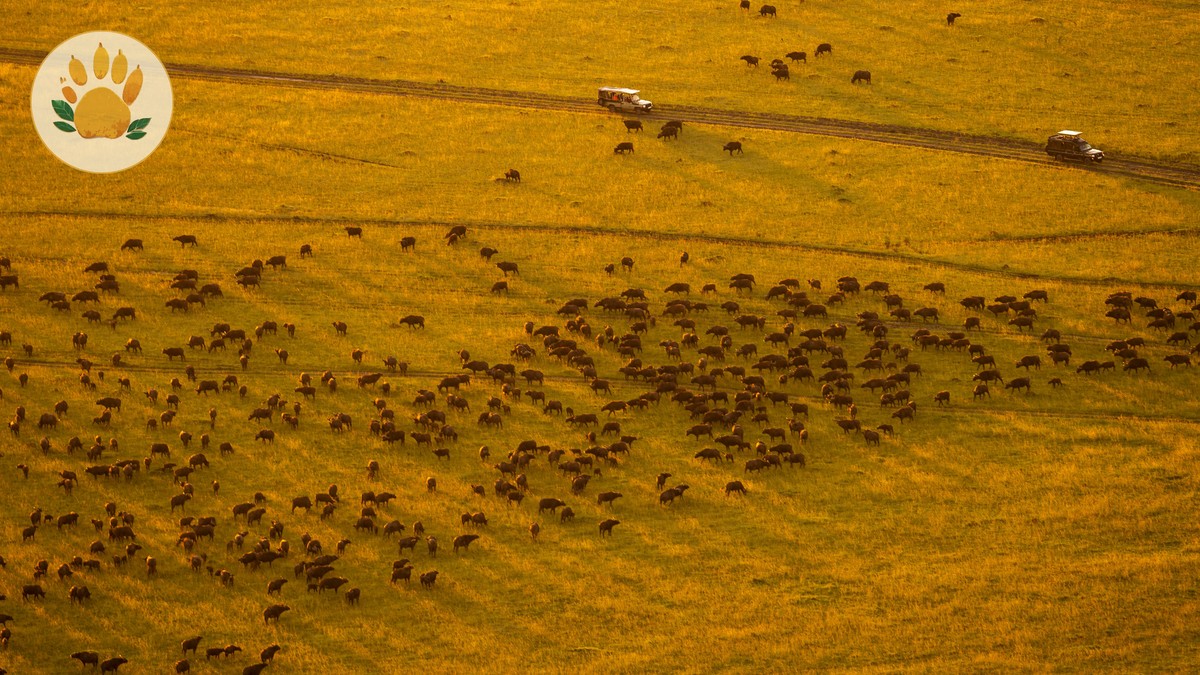
Maasai Mara road conditions are busiest in July to October, when more vehicles converge for the migration. Dust rises along the approach to Sekenani Gate and on the tracks toward the Mara River. In private conservancies such as Naboisho or Mara North, traffic is lighter, so you spend less time in another vehicle’s plume. Conservancy fees are usually bundled into your lodge rate, roughly USD 80 to 150 per person per night.
| Destination | Distance from Nairobi | Typical drive | Road character in dry season | Dust level | Non-resident park fee per adult per day |
|---|---|---|---|---|---|
| Lake Nakuru National Park | about 160 km | about 2.5 hours | Paved highway, short park track | Lower | USD 90 |
| Amboseli National Park | about 235 km | about 4 hours | Paved to Namanga, then unpaved | Moderate to high | USD 90 |
| Maasai Mara National Reserve | about 270 km | about 5 to 6 hours | Paved to Narok, then murram and track | High | USD 100 Jan-Jun, USD 200 Jul-Dec |
| Tsavo East National Park | about 330 km | about 5 to 6 hours | Paved highway, then red laterite track | Highest | USD 80 |
| Samburu National Reserve | about 350 km | about 6 hours | Paved to Isiolo, then dry murram and sand | High | roughly USD 70 to 80 |
Fees are for non-resident adults, effective after the October 2025 increase. Maasai Mara is run by Narok County Government, not KWS. The other listed parks are KWS parks. The Samburu fee is an indicative range; confirm before booking.
This dust scale is a field guide, not a measurement. Your experience will change with rainfall, grading, traffic, and wind direction.
Are Safari Roads Dusty Between Nairobi and the Parks?
The main highways from Nairobi toward major parks are often paved. Dust increases sharply once the route reaches unpaved approaches and game-drive tracks. Nairobi to Narok is generally smoother than the final Maasai Mara section. Park interiors are rougher, slower, and more likely to be dusty.
The A104 to Namanga is tarmac, but the last stretch to Amboseli is not. The A109 to Voi is mostly tarmac, yet the red laterite inside Tsavo East starts within minutes of leaving the highway. The trip to Samburu is paved to Isiolo and turns sandy for the final two hours.
Realistic transfer comfort matters. GPS may say four hours, but a safari vehicle with a pop-up roof and camera gear moves slower over corrugations. Plan for five to six hours on longer routes. Ask your driver to leave a gap when a truck or another safari vehicle is ahead. The plume from the vehicle in front is the main source of grit on a transfer.
Many travelers fly to the Maasai Mara. The drive from Musiara or Kichwa Tembo airstrip to the lodge is short, which cuts hours of dust exposure. For a photographer, the flight is often worth the cost in a dry month.
What Does Dust Mean for Comfort, Clothing, and Photography?
Dust can settle on seats, clothing, luggage, and camera equipment. This happens most when following another vehicle or travelling with a convoy. Carry sunglasses, a scarf, water, and washable layers. Keep cameras and medication in sealed bags, avoid lens changes outdoors, and request a front or less dusty seat.
Dust is not dangerous, but it is annoying if you are unprepared. Most clients say it bothers them less than expected once they have a system. The seven tips below come from guides who work the dry season every year.
7 Comfort Tips for Kenya Safari Roads
- Sit with the windows up when you see a dust cloud ahead. It feels warmer, but it keeps grit out of your eyes, nose, and camera.
- Keep your camera in a zipped bag or padded pouch between sightings. Do not leave it on the seat with the lens exposed.
- Change lenses inside the vehicle, never outside, and only when the dust has settled. Point the camera down so the mount faces the floor.
- Carry a scarf or buff. Over the nose and mouth on a dusty transfer, it makes an immediate difference.
- Watch the plume before you choose your seat. The front seat is usually cleaner than the rear bench, and the side away from the wind stays clearer.
- Pack medication, memory cards, batteries, and snacks in zip-lock bags. Dust finds every pocket.
- Clean gear with a rocket blower and lens brush before you wipe. Rubbing dry grit across glass causes scratches.
A UV filter is cheaper to replace than a front lens element. Many photographers keep one fitted through the dry season. If you plan to photograph from a hide, where vehicles stay parked for hours, check our breakdown of Kenya safari photography hide costs. The dust math changes when the engine is off.
How Do Rainy-Season Roads Compare With Dry-Season Dust?
Rainy-season roads are usually less dusty but can be more disruptive. Heavy rain can turn unpaved tracks into mud, deepen ruts, flood crossings, and temporarily close routes. The risk is highest where black-cotton soil drains poorly. A suitable 4×4 and driver-guide reduce the risk on difficult approaches.
In November and December, short rains settle dust and keep tracks cooler. In March to May, the long rains change the picture. Black-cotton soil turns to glue, ruts deepen, and some river crossings flood. A good 4×4 and a driver-guide who knows the route matter more than any vehicle feature.
For practical details on handling wet roads, read our guide on staying safe during heavy rain on safari. The short version: avoid driving through moving water, expect delays, and let your guide decide when a track is not safe. Some small camps close in April to repair roads and recharge. Ask about seasonal closures before you lock dates.
The SafariPure Difference
Most road-condition advice focuses on the worst day. SafariPure plans for the best driving day instead. We match the vehicle to the season and the park, space vehicles so you are not driving in another car’s dust, time departures for light and traffic, and brief driver-guides to keep camera gear protected.
Our itineraries are patient by design. A photographer who is rushed for a sighting loses more than time. We also recommend private conservancies when light traffic matters more than the lowest park fee. Fewer vehicles mean fewer dust plumes.
With SafariPure you get a route built for conditions, not a generic circuit. Tell us your priorities, and we will build the day around them.
Frequently Asked Questions
How dusty are roads on a Kenya safari?
Expect moderate to heavy dust on unpaved park roads during dry months. The most noticeable conditions happen behind another vehicle. Main paved highways are usually much cleaner, but dust can increase as soon as the journey reaches park approaches and game-drive tracks.
Are the roads from Nairobi to Maasai Mara dusty?
The Nairobi-to-Narok section is mainly paved, but the route becomes rougher and dustier from Narok toward the Maasai Mara, especially in dry weather. Inside the reserve, game-drive roads are often uneven, corrugated, and dusty, so the final leg can feel more tiring than the highway portion.
Which Kenya safari has the dustiest roads?
Tsavo East is often the dustiest-feeling destination because of its fine red laterite tracks. The dust is worst in dry months and when vehicles travel in convoy. Samburu, Amboseli, and the Maasai Mara can also be substantially dusty, depending on rainfall, route maintenance, and traffic.
Is Tsavo safari very dusty?
Yes, Tsavo can be very dusty during June to October and January to February. Tsavo East is known for red, sandy dust, while Tsavo West combines dust with rockier and more uneven tracks, which can make drives feel slower as well as gritty.
How do you protect your camera from dust on safari?
Keep the camera in a zipped bag or sealed pouch when it is not in use. Avoid changing lenses while the vehicle is moving or during dusty sightings. Use a rocket blower before wiping equipment, and clean gear in a sheltered area rather than rubbing dry grit across glass.
Plan Your Kenya Safari Around Road Conditions
Talk to SafariPure before you pick dates. We will tell you honestly which roads are dustiest in your travel month, which parks suit your photography, and which vehicle keeps your gear protected. Start the conversation on our contact page.