Planning a Kenya safari when your group speaks Spanish can feel like a second job. You have seasons, park fees, lodges, flights, and at least three ways to book. This Kenya safari guide for Spanish speakers keeps it simple. You get one balanced seven-night route, current costs for 2026, and the exact questions to ask before you confirm a Spanish-speaking guide.
This plan is for first-time safari travelers. You will not need to manage every conversation in English, since your guide handles game drives, camp staff, and cultural visits. We name real camps and prices, and flag where an indicative range is safer than a made-up number.
Kenya Safari Guide for Spanish Speakers: How Much Does It Cost?
A private mid-range Kenya safari with a Spanish-speaking guide costs about USD 1,600-2,500 per person for five days when two people share a vehicle, or roughly USD 2,800-4,500 per person for seven nights. Expect the guide to add about USD 20-40 per day, though some operators quote a higher group rate.
Most quotes include a four-wheel-drive vehicle, full-board lodging, park fees, transfers, and guide services. They exclude international flights, the Kenya eTA, gratuities, and optional cultural visits. For a separate budget on visiting a Maasai village, see our guide to Kenya safari cultural visit costs.
A Kenya safari cost estimate depends mostly on season and lodging standard, not the Spanish-language supplement. A tented camp in the Masai Mara costs more than a basic guesthouse, and the same room can cost double in August.
Park fees are usually built into your quote, but they run higher than many older posts show. Amboseli and Lake Nakuru charge USD 90 per adult per day. The Masai Mara charges USD 100 from January to June and USD 200 from July to December. The Mara is run by Narok County Government, not Kenya Wildlife Service, so payment rules and receipt names differ.
The second cost layer is the guide. A Spanish-speaking safari guide is not a standard add-on at every camp. You often pay a language supplement, or the operator prices it into a group rate, so ask for it in writing before you pay a deposit. For a deeper breakdown of guide-only pricing, see Kenya private safari guide prices.
You also choose how to book. A Spanish-language agency in Spain, Mexico, or Latin America can handle communication, while booking directly with a Kenyan operator can cut intermediary costs. Either way, verify the vehicle, guide, park fees, and cancellation terms yourself.
What Is the Best Kenya Safari Itinerary for Spanish Speakers?
A balanced first safari lasts seven nights: two in Amboseli, two around Lake Nakuru or Ol Pejeta, and three in the Masai Mara ecosystem. This route combines elephants, rhinos, birdlife, and big cats, with your Spanish-speaking guide throughout.
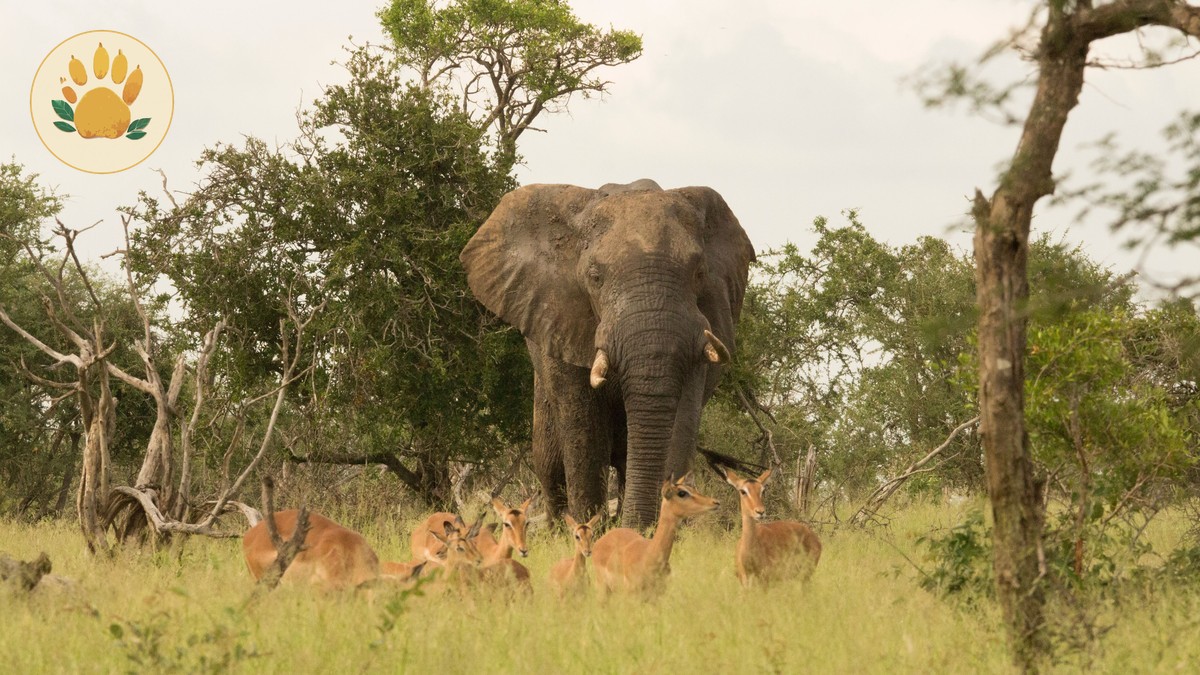
Days 1 and 2: Amboseli. The drive from Nairobi is about 240 km and takes four hours. You arrive in time for an afternoon game drive. Amboseli is known for large elephant herds and, when the sky is clear, views of Kilimanjaro. Mid-range bases include Amboseli Serena Safari Lodge and Ol Tukai Lodge.
Days 3 and 4: Lake Nakuru or Ol Pejeta. From Amboseli to Lake Nakuru, count on about 320 km and six hours on the road. Lake Nakuru is compact, so two nights at Sarova Lion Hill Game Lodge or Lake Nakuru Lodge still allow two full game drives. If you prefer the rhino and chimpanzee work at Ol Pejeta Conservancy, ask your operator to add a transfer day, since Ol Pejeta near Nanyuki is not a quick detour.
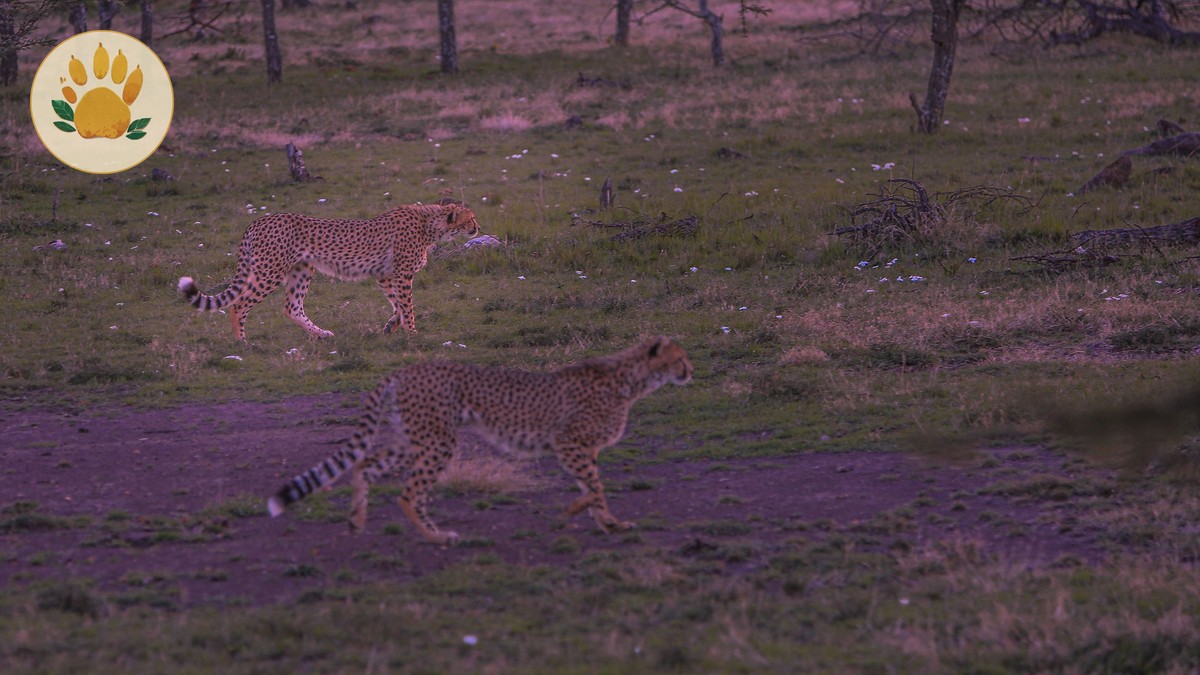
Days 5, 6, and 7: Masai Mara. The drive from Lake Nakuru via Narok is about 270 km and takes five to six hours. Three nights give you two full days of game viewing, not just a drive-through. This is the classic Masai Mara safari for lions, leopards, cheetahs, and, from July to October, possible wildebeest migration herds. Options include lodge rooms at Mara Serena Safari Lodge and tented rooms at Basecamp Masai Mara. Some travelers prefer private conservancies such as Naboisho or Mara North, where fees are bundled into the nightly rate at USD 80-150 per person per night.
On day 8 you can drive back to Nairobi, or take a scheduled flight from one of the Mara airstrips. A flight saves a full day, but it adds a strict baggage limit.
| Stop | Distance from Nairobi | Road time | Non-resident fee per adult per day | Why it earns its place |
|---|---|---|---|---|
| Amboseli National Park | about 240 km | 4 hrs | USD 90 | elephants, swamps, possible Kilimanjaro views |
| Lake Nakuru National Park | about 160 km | 3 hrs | USD 90 | rhinos, birdlife, compact lake circuit |
| Masai Mara National Reserve | about 270 km via Narok | 5-6 hrs | USD 100 Jan-Jun, USD 200 Jul-Dec | big cats, open plains, possible migration |
Which Parks and Reserves Should Spanish-Speaking Travelers Visit?
Choose Amboseli for elephants and possible Kilimanjaro views, Lake Nakuru or Ol Pejeta for rhinos, and the Masai Mara for big cats and open plains. Add Samburu for northern species or Nairobi National Park for a short pre-flight safari, but avoid cramming every park into one week.
Samburu offers species you will not see in the Mara, including reticulated giraffe and Grevy’s zebra. It sits about 340 km north of Nairobi, so it deserves two nights of its own. Nairobi National Park charges USD 80 per adult per day and suits a half-day before or after a flight. Tsavo East and Tsavo West also charge USD 80 per adult per day and reward travelers with more time.
The biggest mistake is adding too many parks. Distances in Kenya are slower than maps suggest, and a 200 km road can take five hours in traffic or roadworks. For a route built around the green season, see our Kenya rainy-season safari itinerary.
When Is the Best Time to Go on a Kenya Safari?
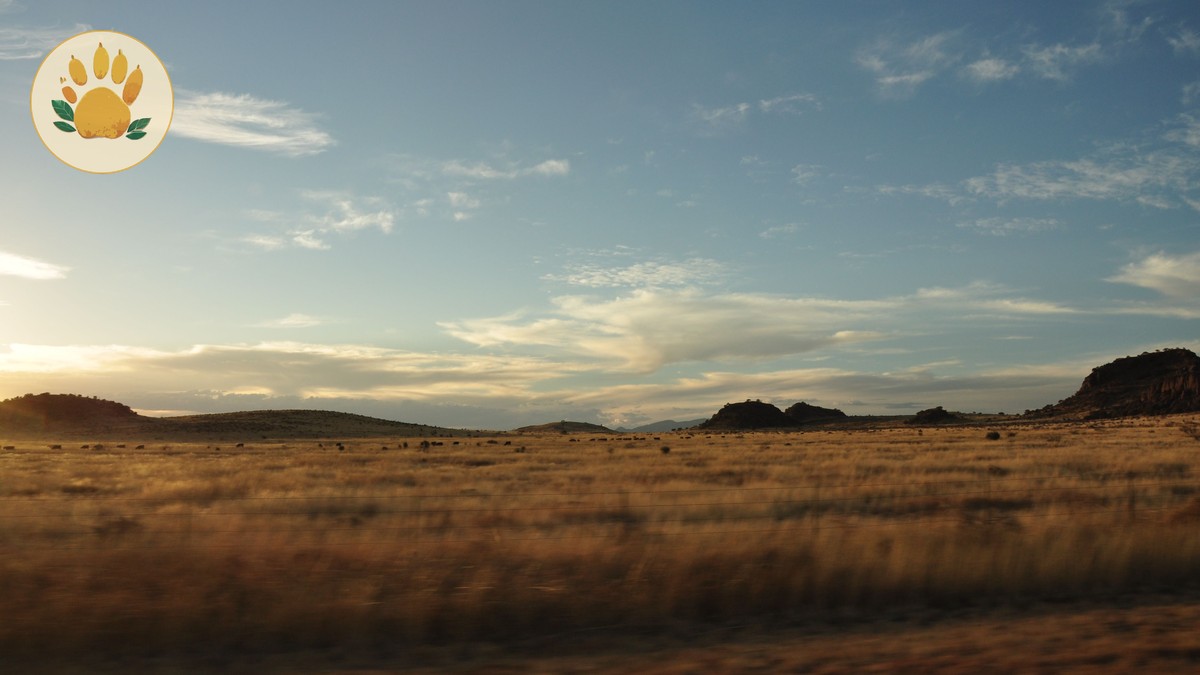
June through October is strongest for dry-weather viewing and possible wildebeest migration, but it is also the busiest, most expensive season. January through March offers warm, drier conditions and fewer visitors, while April through May can reduce prices but brings heavier rain.
For Spanish-speaking travelers, the choice is about trade-offs. July to October gives you the Mara at its fullest, but the fee doubles to USD 200 per day and camps fill months ahead. January to March is quieter with good wildlife and often better value. April and May can be wet, but lodge prices sometimes drop and camps stay open. The route in this guide works in either season with a few adjustments.
How Do You Verify and Book a Spanish-Speaking Safari Guide?
Ask for written confirmation that a fluent Spanish-speaking guide will accompany every safari day and interpret activities and cultural visits. Before paying, verify the guide’s experience, certification, emergency backup, and replacement policy. Book at least three months ahead for July-October travel.
Put these in writing before you pay a deposit.
- “Please confirm that a fluent Spanish-speaking guide will accompany all game drives, transfers, and cultural visits.”
- “Will the same guide stay with us for the entire trip? Is this person a driver-guide or a guide with a separate driver?”
- “If the guide becomes unavailable, what is the replacement policy? Will the replacement also be a fluent Spanish speaker?”
- “Is there an extra charge for the Spanish-language guide? If so, how much per day?”
- “Is the guide certified by a recognized body such as the Kenya Professional Safari Guides Association?”
- “Who handles emergencies during the trip, and how can we reach that office from the camp?”
Ask for the guide’s name, not just the word “Spanish.” Search for reviews and ask the operator to connect you before departure. A good operator will not mind. The replacement policy matters because guides change assignments, and even a confirmed guide can fall ill. The operator should be able to name a second fluent Spanish speaker. If they cannot, consider booking elsewhere.
What Travel Documents, Health Items, and Packing Essentials Are Needed?
Carry a passport, approved Kenya eTA, travel insurance, vaccination documents, personal medication, insect repellent, sunscreen, a warm layer, rain jacket, neutral clothing, binoculars, and a soft-sided bag. Pack medicines and documents in hand luggage.
Most visitors, including Spanish citizens, need an approved Kenya eTA before travel. Apply online at least a week ahead, and keep a copy on your phone and a printed copy in your bag.
Check current vaccination recommendations with a travel clinic, especially for yellow fever, and confirm entry rules for any countries you pass through. Malaria is present in many safari areas, so ask a doctor about prophylaxis before you travel.
Neutral colors show less dust than white, and a warm layer matters because morning game drives are cold even in dry season. A soft-sided bag is not optional if you take a safari flight, because aircraft luggage holds are small and weight limits are strict. Ask your operator for the exact baggage rule on your booked flights.
The SafariPure Difference
Most safari quotes are built around a park name and a vehicle. SafariPure builds around your time: fewer, better stops, named guides, and a written cost sheet before you confirm. We plan for the season you travel, not the one in a glossy brochure.
The numbers in this guide match the numbers in our own quotes. We use current park fees and publish our assumptions for cultural visits, so you avoid surprise add-ons. For a full breakdown of typical spending, see our Kenya safari cost guide.
Frequently Asked Questions
How much does a Kenya safari with a Spanish-speaking guide cost?
A five-day private mid-range safari costs about USD 1,600-2,500 per person for two travelers sharing a vehicle. A seven-night trip costs USD 2,800-4,500 per person, plus USD 20-40 per day for the Spanish-speaking guide.
Is there a Spanish-speaking safari guide in Kenya?
Yes. Kenyan operators and some international agencies arrange them. Confirm in writing that the guide is fluent, stays for the whole trip, and has a fluent replacement if unavailable.
What is the best Kenya safari itinerary for 7 days?
A practical route includes two nights in Amboseli, two at Lake Nakuru or Ol Pejeta, and three in the Masai Mara. It gives varied wildlife without long road transfers eating the trip.
When is the best time to visit Kenya for safari?
June through October suits classic dry-season viewing and possible migration activity, but prices and crowds are higher. January through March is quieter with good wildlife and better value.
Is it cheaper to book a Kenya safari directly with a local operator?
Booking direct can cut intermediary costs and simplify comparing vehicle, guide, and camp prices. You must then verify reviews, payment terms, guide fluency, and cancellation rules yourself.
Plan Your Safari with SafariPure
If this route feels right, start with a clear conversation. SafariPure can build the same seven-night plan with a Spanish-speaking guide, quote current park fees, and confirm the guide before you pay. Visit the Kenya safari tours page or contact the SafariPure team when ready. No pressure, just a plan you can trust.