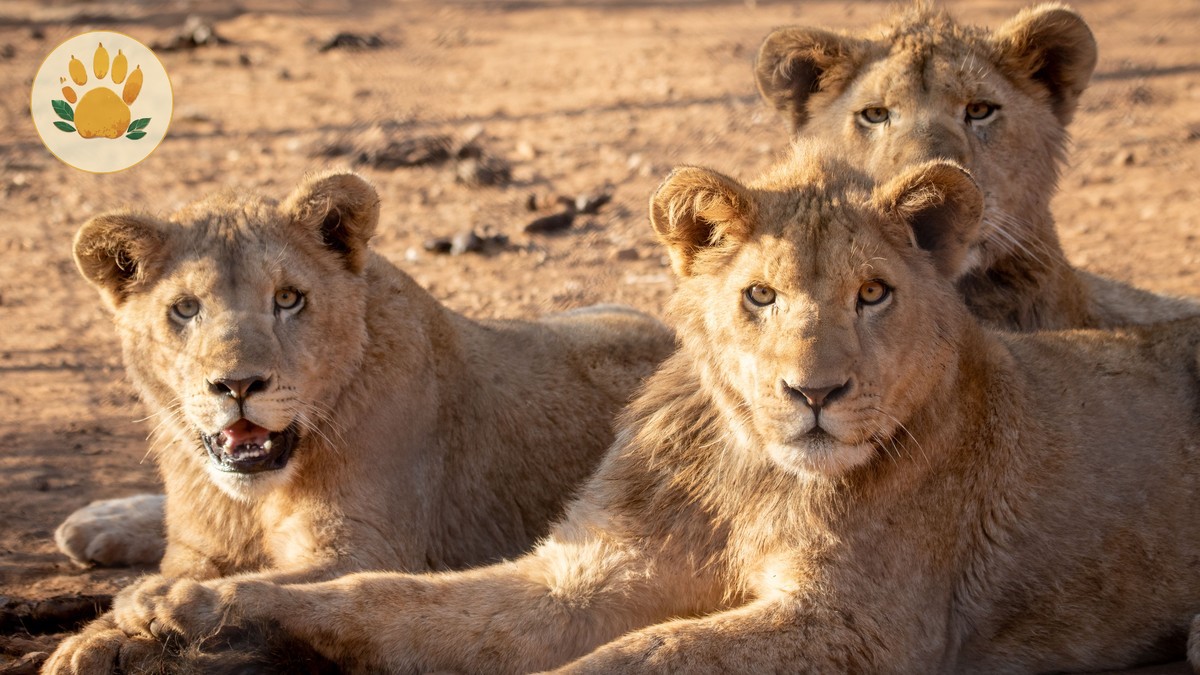
If you have already done the classic Mara circuit, you have probably heard the number thrown around: 850 to 900 lions. Nearly every operator site repeats it. Almost none of them say where it comes from or when it was counted.
The honest answer: how many lions Masai Mara has depends on what you are counting and how. This guide walks through the real range, the two different survey methods behind it, and where your odds of a real sighting are highest today, including conservancies most repeat visitors have not tried yet.
How Many Lions Masai Mara Has Right Now
The most rigorously documented count comes from a 2016 call-in survey run by Oxford University researchers. It put the population at 420 lions over the age of one, counted inside the National Reserve boundary alone. That survey used a specific, repeatable method, and it excluded the conservancies that ring the reserve.
More recent aggregate estimates cover the reserve plus the private conservancies, including Mara North, Naboisho, Olare Motorogi, Ol Kinyei and others. These estimates are the source of the widely repeated 850 to 900 figure. These conservancy areas hold real lion populations, so the higher number is not wrong. It is just answering a different question than the 2016 count did.
Treat 850 to 900 as an indicative range for the greater Mara ecosystem, not a single dated census. The 420 figure is the more defensible number for the reserve on its own, and it is the one to cite if you need a sourced statistic rather than a rounded estimate.
Why the Numbers Don’t Match
Three things explain the spread you see across blogs and brochures.
First, boundaries. Reserve-only counts and reserve-plus-conservancy counts are not the same survey area. Adding six or seven conservancies to the reserve adds lions to the total almost by definition.
Second, method. A call-in survey broadcasts distress sounds and counts lions that respond, then applies a statistical correction for animals that did not come. An individual identification census works differently. It is the method used by the Mara Predator Conservation Programme in its ongoing monitoring work. Researchers photograph and track known lions by whisker spots, scars and mane patterns. The two methods can produce different numbers for the same area.
Third, publication date. Lion numbers move with rainfall, prey density and disease outbreaks. A count from 2016 is a snapshot, not a running total. When you read “there are X lions in the Mara,” ask when that number was measured and whether the source names a method at all. Most competing blog posts do neither.
Lion Density: Masai Mara vs Other Kenyan Reserves
Density, lions per 100 square kilometres, is a better comparison tool than raw totals, because reserves and conservancies come in very different sizes.
| Area | Approx. size (km²) | Lion density (per 100 km²) | Best known for |
|---|---|---|---|
| Masai Mara National Reserve | 1,510 | 20-25 | Highest concentration in Kenya |
| Mara North Conservancy | 320 | 15-20 | Low vehicle density, strong prides |
| Naboisho Conservancy | 200 | 20-25 | Among the highest density in the ecosystem |
| Amboseli National Park | 392 | 5-8 | Elephants over lions |
| Samburu-Buffalo Springs | 300 | 3-6 | Leopard and rare dryland species |
| Serengeti National Park (Tanzania) | 14,750 | 8-12 (varies by sector) | Migration-linked prides |
Density figures are drawn from published ecological surveys and conservancy monitoring reports and should be read as approximate, since they shift with rainfall and prey movement. Even so, the pattern holds. The Mara ecosystem, reserve and conservancies combined, has some of the highest lion density anywhere in East Africa. For best locations for predator sightings in Kenya, the Mara conservancies consistently outperform drier northern parks like Samburu on lion numbers. Samburu still wins for cheetah and leopard variety, though, which matters if you have already ticked off Mara lions on a previous trip.
Famous Named Prides and Where They Roam
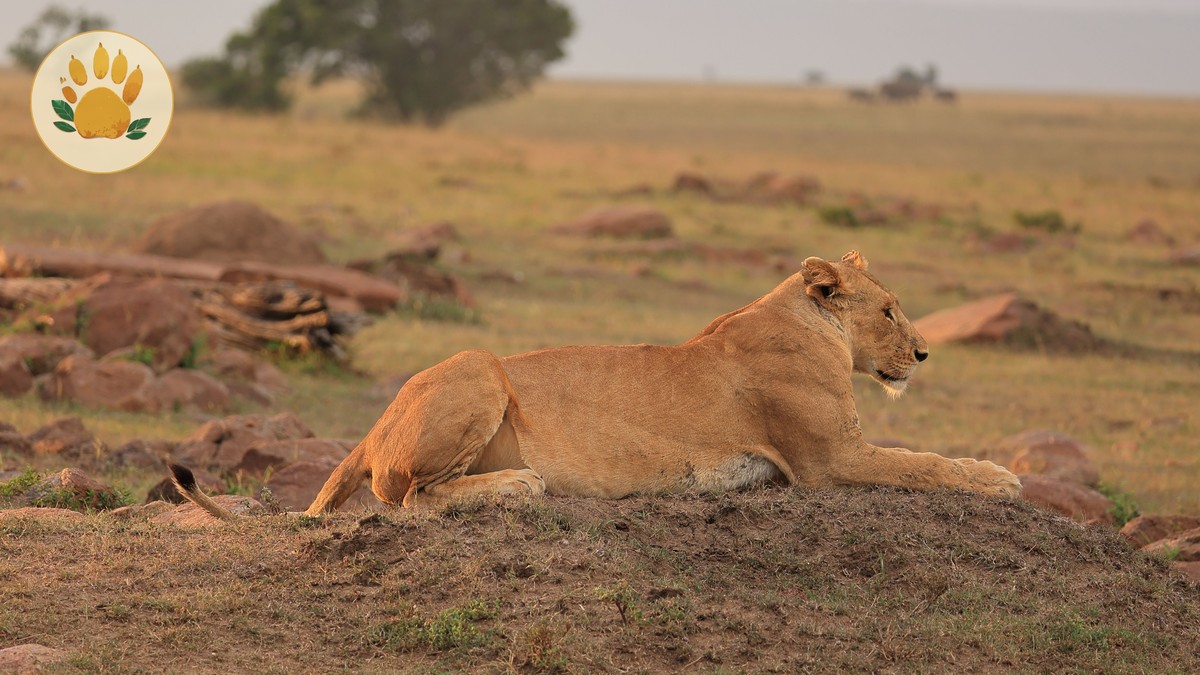
The Marsh Pride, made famous by the BBC’s Big Cat Diary, still occupies territory around Musiara Marsh in the reserve’s northwest, though its current members are descendants rather than the original animals filmed in the 2000s. Individual lions from that era are long dead. The lineage continues.
Other well-documented prides include the Paradise Pride near Paradise Plain, the Rekero Pride around the Talek and Ntiakitiak rivers, and the Topi Pride further south toward the Tanzanian border. Pride sizes vary from six or seven lions to over 20 in a strong year, and territories shift as prides compete for the best hunting ground near river crossings.
Guides in the reserve and conservancies track individual lions by name and can often tell you which pride you are looking at within minutes. That local knowledge is one reason a guided game drive beats self-driving if lions are your priority.
Conservation Status and Threats
Lions are listed as Vulnerable by the IUCN across their African range. Kenya’s population sits well below historic levels due to habitat loss and conflict with livestock keepers outside protected areas. Inside the Mara ecosystem, numbers have been broadly stable to slightly increasing over the past decade. This is helped by conservancy models that pay landowners for wildlife habitat instead of converting it to farmland.
The main pressures are not inside the reserve itself. They come from the edges, where lions that wander into community land can be killed in retaliation for livestock losses. Conservancies act as a buffer, and the fees you pay to visit them fund the compensation and ranger programs that keep that buffer working.
Best Time of Year to See Lions
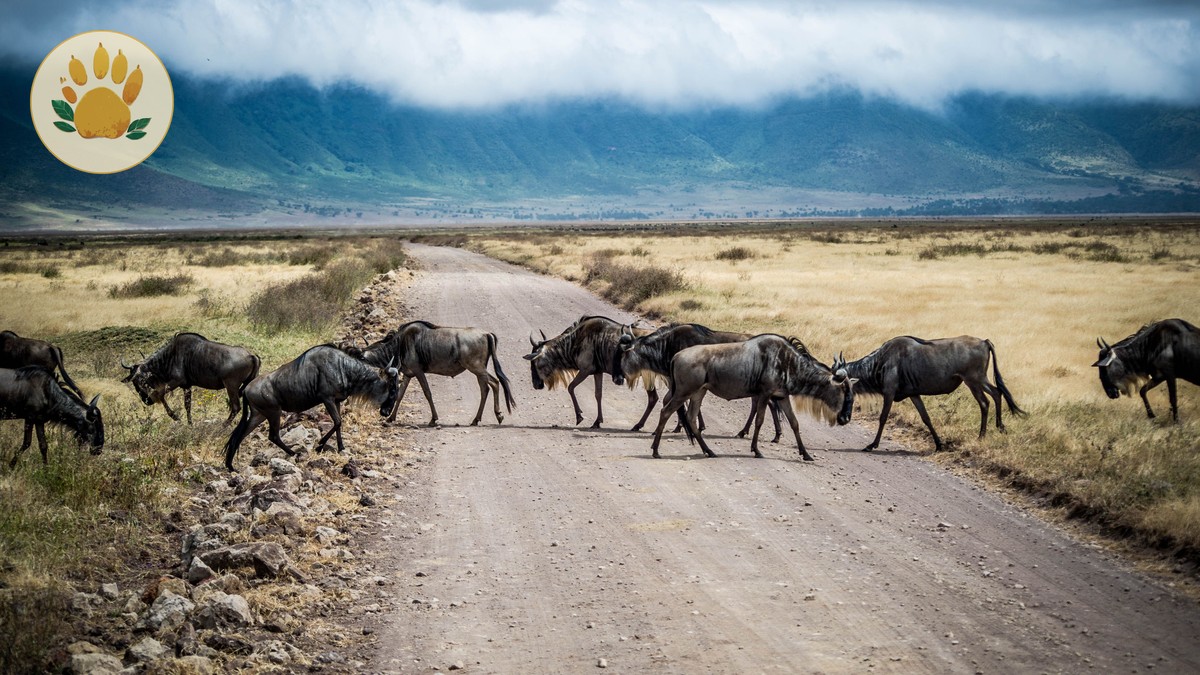
Lions are resident year-round, unlike the wildebeest herds. That said, the dry season from July to October concentrates prey near rivers, which concentrates lions too. It also overlaps with the wildebeest migration’s Mara River crossings. If you are timing your visit around the wildebeest migration, July through September gives you both migration drama and strong lion activity. It also brings the highest vehicle density and the reserve’s peak-season fee of USD 200 per adult per day from July to December.
For a quieter trip with comparable lion sightings, consider January to June. The reserve charges USD 100 per adult per day then, and the conservancies are markedly less crowded. Grass is shorter after the dry season ends, which can make spotting easier in the reserve itself.
Where to See Lions: Reserve vs Conservancy
| Location | Entry fee (non-resident) | Vehicle density | Off-road driving allowed |
|---|---|---|---|
| Masai Mara National Reserve | USD 100/day (Jan-Jun), USD 200/day (Jul-Dec) | High, especially near river crossings | No |
| Mara North Conservancy | Roughly USD 80-150/night, bundled into lodge rates | Low | Yes, with guide |
| Naboisho Conservancy | Roughly USD 80-150/night, bundled into lodge rates | Low | Yes, with guide |
Conservancy fees are bundled into nightly lodge rates rather than charged separately at a gate. They sit on top of what you would pay for a reserve-only stay. For a full breakdown of how these stack, see Masai Mara park and conservancy entry fees. The trade-off is straightforward. Conservancies cost more per night but cap vehicle numbers and allow off-road driving and night drives. In Naboisho’s case, they also run some of the highest lion densities in the entire ecosystem.
Pride Social Structure
A typical Mara pride is built around related females, their cubs, and one or more resident males who defend the territory. Females do most of the hunting, often at dawn or dusk, working in small coordinated groups. Males patrol boundaries and mark territory but eat first at a kill, which younger visitors on their first safari sometimes find jarring to watch.
Coalitions of two to four males, frequently brothers, hold territory together. They are more successful at fending off rival coalitions than a lone male would be. Tenure length varies, but two to three years is common before a stronger coalition takes over. That is part of why pride names persist even as the individual lions change.
FAQs
How many lions are in the Masai Mara National Reserve? The most cited sourced figure is 420 lions over age one, from a 2016 call-in survey of the reserve alone.
How many lions are there across the whole Mara ecosystem, including conservancies? Aggregate estimates put the figure at 850 to 900, though this number is not tied to one dated, published survey.
What is the biggest lion pride in the Masai Mara? Pride size varies year to year, but well-known prides like Marsh and Paradise have exceeded 20 members in strong years.
Are Masai Mara lion numbers increasing or decreasing? Broadly stable to slightly increasing over the past decade within the ecosystem, driven largely by conservancy protection.
How many lions are there in Kenya in total? National estimates commonly cited by conservation bodies fall in the range of 2,000 to 2,500, though exact figures vary by survey year.
Is the Marsh Pride from Big Cat Diary still alive? The original lions filmed in the 2000s have died of natural causes. Their descendants still hold territory near Musiara Marsh.
The SafariPure Difference
We do not send you to the reserve during peak crossing season and call it a lion safari. We plan around what you have already seen. If your last trip was Mara-only, we will weight your itinerary toward Naboisho or Mara North for density and quiet. We can pair it with a few nights in Samburu or Laikipia for species and landscape you have not covered yet. If that fits your route, we can also add forest-edge country around the Kaya conservation areas on the coast. Every fee we quote reflects current reserve and conservancy rates, not last year’s brochure numbers. Every guide we work with can name the pride in front of you.
Plan Your Trip
Ready to see the Mara’s lions properly, without repeating your last itinerary? Talk to us about a tailored route through the reserve and its conservancies on our Masai Mara safaris page, or reach out through our contact page to start planning.