You have already stood on the Mara riverbank watching wildebeest pile off the banks into crocodile water. You do not need to see that again to call a trip worthwhile. This Kenya safari October after migration guide is for travelers asking a different question: what does Kenya look like once the herds have moved on, and is it still worth the flight?
The short answer is yes, with a trade-off worth understanding before you book.
Kenya Safari October After Migration: When the Herds Actually Leave
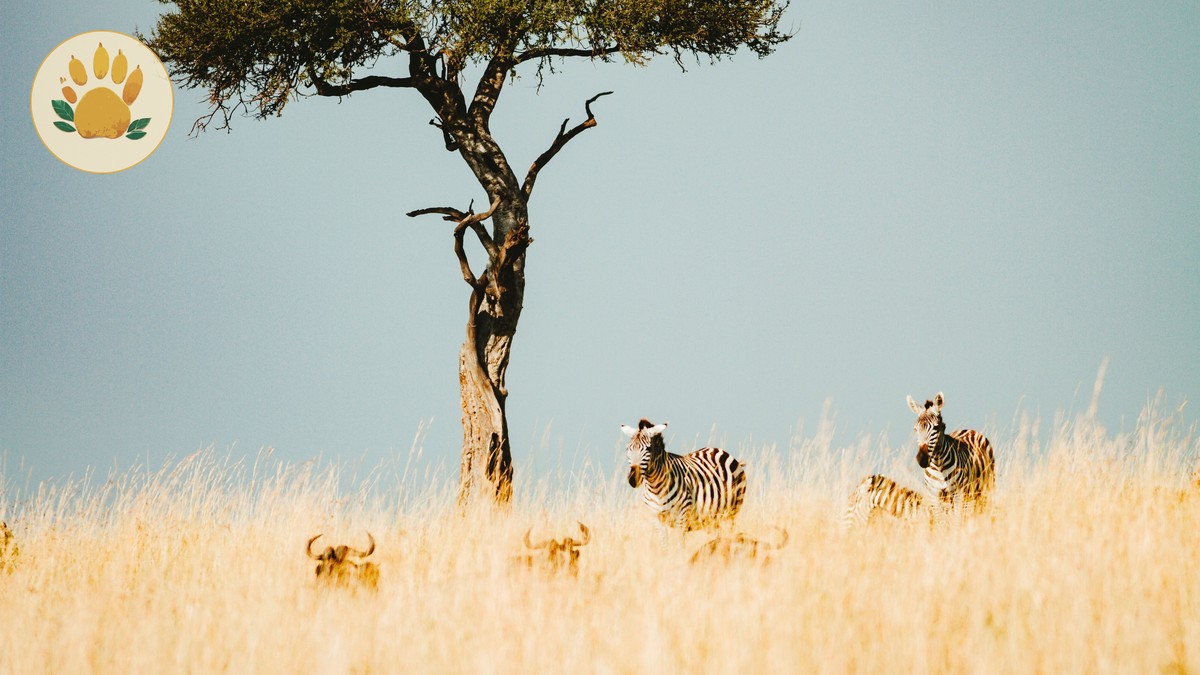
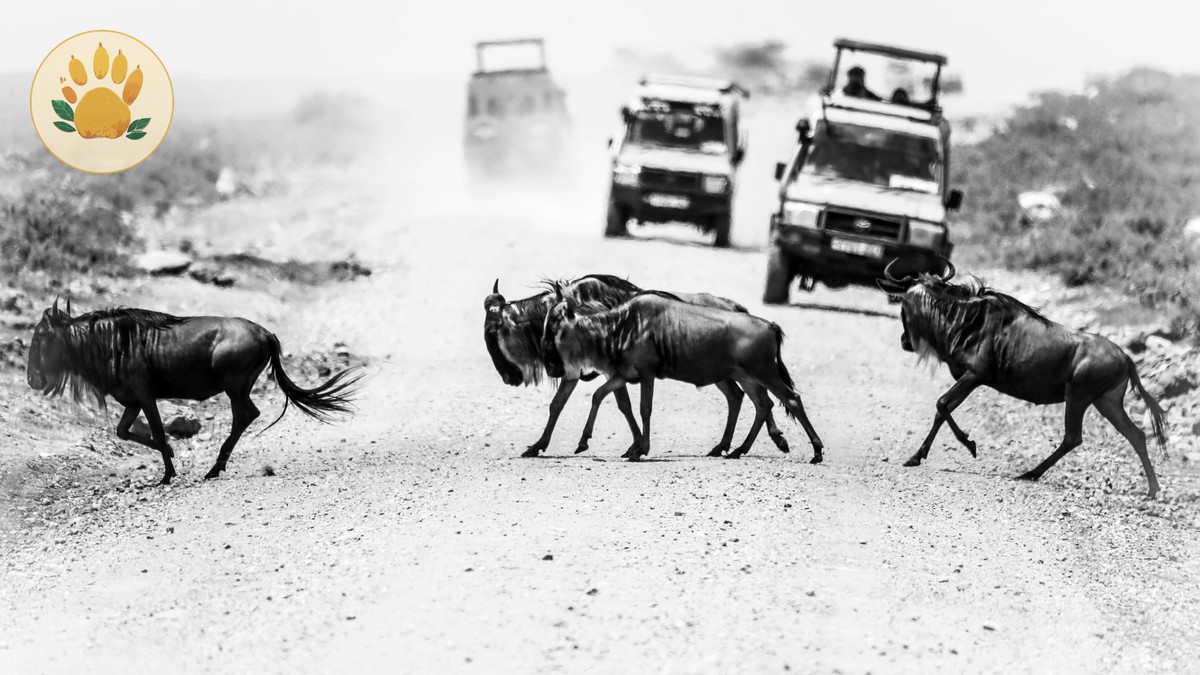
The wildebeest herds do not leave on a fixed date. In most years, the bulk of the migration starts pushing south out of the Masai Mara from mid-October, crossing back into Tanzania’s Serengeti by late October or early November. Some years the exit drags into November if rain is late. Other years it happens faster.
That means early October in the Mara still has a real chance at river crossings, particularly in the first two weeks. By the last week of October, most serious grazing has moved south of the Sand River, and vehicle counts at the Mara Triangle crossing points drop fast. If timing the crossings matters to you, check the migration’s current location before locking in dates, since the difference between the 8th and the 24th of October can be significant.
For a fuller breakdown of how Kenya’s timing compares to the Serengeti’s, our Kenya vs Tanzania migration timing guide covers the year-round pattern in more detail.
Early October vs Late October: Two Different Trips
Treating October as one block misses the point. It is really two safaris.
Early October (1st to about 15th) still carries peak-season energy. Grass is short from the dry season, herds are still spread across the Mara Triangle and Mara North Conservancy, and camps run close to full. Prices have not dropped yet.
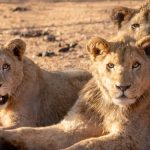
Late October (16th to 31st) is where the value shows up. The migration has largely gone, vehicle numbers at sightings fall, and several camps quietly cut rates for the final push before the November rains. Resident lion, leopard and cheetah populations are still there and, without thousands of wildebeest competing for attention, they are often easier to find.
For a repeat visitor who has already seen the crossings, late October is the better week.
Kenya vs Tanzania in October
If the crossings are the whole point of your trip, Tanzania has the edge in October, since the herds are moving through the southern Serengeti and toward the Mara River’s Tanzanian side by month’s end. If you want the Mara’s landscape and infrastructure without the migration crowds, Kenya in late October wins on price and quiet game drives. Neither answer is wrong. It depends on what you are chasing.
Weather and the Short Rains
October sits ahead of Kenya’s short rains, which typically build through November. Expect warm days, cooler mornings, and a rising chance of short afternoon showers as the month goes on, especially in the last week. Roads in the Mara can turn heavy after a storm, but showers are usually brief. Pack a light rain layer and expect green, not grey, landscapes by late October.
Crowds in the Masai Mara
Crowds track the herds closely. Early October keeps the Mara busy, with popular crossing points sometimes drawing a dozen or more vehicles. By the final week, that same crossing point might see two or three vehicles, if any wildebeest are still around at all. Conservancies bordering the reserve, such as Mara North and Naboisho, cap vehicle numbers year-round, so they stay calm even in peak weeks.
Safari Pricing and Shoulder Season Discounts
This is where late October earns its reputation. Many camps price October in two bands, treating the first half as high season and the second half as shoulder season. Discounts of 15 to 30 percent on lodge rates are common in the last ten days of the month, though this varies by property and should always be confirmed directly with the camp.
| Region | Distance/Flight from Nairobi | Typical Drive Time | Non-Resident Park Fee (per adult/day) |
|---|---|---|---|
| Masai Mara National Reserve | 270 km / 45 min flight | 5-6 hours by road | USD 200 (Jul-Dec peak rate) |
| Amboseli National Park | 240 km / 40 min flight | 4-5 hours by road | USD 90 |
| Samburu National Reserve | 325 km / 1 hr flight | 5-6 hours by road | Indicative range, roughly USD 70-100, confirm with reserve |
| Laikipia Plateau (Ol Pejeta, Loisaba) | 200 km / 40 min flight | 3-4 hours by road | Indicative range, roughly USD 90-100, bundled into conservancy fees |
| Kaya Kinondo Sacred Forest, Diani coast (Kwale County) | 500 km / 1 hr flight to Mombasa | 6-7 hours by road, or fly-drive | Community entry fee, indicative USD 10-15 |
Fees change, so treat the Mara figure and Amboseli figure as current and verified, and confirm the rest before you travel. For a full picture of how park fees are structured across Kenya, see our page on current Kenya national park entry fees.
Where to Stay After the Herds Leave
For a returning visitor, October is a good month to look past the Mara entirely.
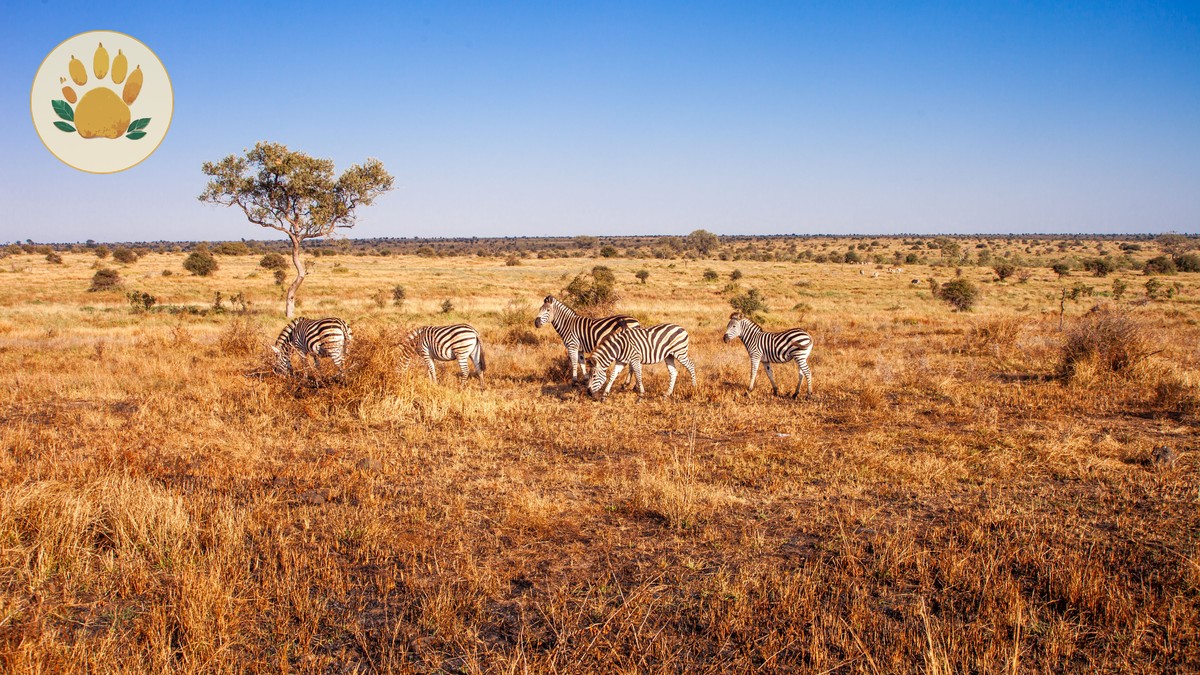
Samburu National Reserve, Buffalo Springs and Shaba, north of Mount Kenya, hold species you will not see on the southern circuit: Grevy’s zebra, reticulated giraffe, and gerenuk. Camps like Elephant Bedroom Camp sit on the Ewaso Nyiro River, where elephant herds come to drink through the day. October is dry and quiet here, well outside migration traffic.
Laikipia, on the plateau northwest of Mount Kenya, mixes rhino conservation with predator tracking. Ol Pejeta Conservancy protects the last two northern white rhinos on earth alongside a healthy black rhino population, and Loisaba Conservancy runs strong lion and wild dog sightings with none of the Mara’s vehicle counts.
If you want something further off the standard circuit, the Kaya forests on the Kenyan coast are worth the detour. These are sacred Mijikenda forest groves, recognized by UNESCO, and Kaya Kinondo near Diani, in Kwale County, is open to visitors with a local guide. It is not a game-viewing stop, but it pairs well with a few beach days after a Samburu or Laikipia safari, and October’s lighter coastal crowds make it a relaxed add-on.
Resident Wildlife and Big Five Viewing After the Migration
Losing the wildebeest does not mean losing the wildlife. The Mara’s resident lion prides, well documented by researchers tracking prides like the Marsh Pride, stay put year-round. Leopard sightings often improve once the ground cover changes after the first rains, since cats move to hunt the resident impala and topi herds instead of trailing wildebeest. Elephant and buffalo numbers hold steady across the reserve. Rhino, both black and white, are easiest to find in Nakuru and Ol Pejeta, which are unaffected by any migration timing.
What you trade for skipping peak crowds is dramatic river-crossing footage. What you gain is time watching a single leopard undisturbed for twenty minutes instead of sharing the sighting with fifteen vehicles.
Photography and Game Drive Tips
Late October light is softer than the dry-season glare of July and August, thanks to more cloud cover and occasional rain. Early morning drives still deliver the best light and the most active predators. With fewer vehicles at sightings, you get closer angles and longer, calmer time with cats before they move off. Bring a rain cover for camera gear and a longer lens for Samburu’s more skittish, drier-country species.
Booking Guidance: October vs Peak July-August
July and August remain Kenya’s busiest and most expensive months, driven entirely by the migration’s peak crossing season, when the Mara’s own park fee climbs to USD 200 per adult per day. October’s Mara fee stays at that same peak rate through the whole month, since Narok County’s pricing calendar runs July through December as one band. The savings in October come from lodge rates and lighter crowds, not from the park fee itself. Camps in Samburu and Laikipia, which run their own separate pricing calendars, tend to offer the clearest October discounts.
The SafariPure Difference
We do not sell October as a discount month and leave it there. We plan around the actual week the migration is likely to have left, using current field reports rather than a generic date range, and we build itineraries that pair Samburu or Laikipia with the Mara so you are not paying peak Mara rates for days when the reserve is at its quietest. If a camp’s October rate has not actually dropped, we will tell you, and suggest a property that has.
Plan Your October Safari
If you have done the Mara migration and want to see what Kenya looks like once the crowds thin out, we can help you build the right route through Samburu, Laikipia, and the Mara’s quieter final weeks. Visit our Kenya safari tours page or get in touch through our contact page to start planning.