A group joining safari kenya trip puts you in a shared vehicle with travelers you have not met, on a fixed route, for a fixed price. It is the cheapest legal way to see the Masai Mara, Lake Nakuru or Amboseli without renting your own car or building a private itinerary. Most backpackers passing through Nairobi end up choosing one, often without fully understanding how the seats, pricing or fixed dates actually work.
This guide walks through the mechanics: how pickups happen, who you will be sharing a vehicle with, what the price does and does not cover, and what to do if your trip does not fill.
What a group joining safari is and how it works
An operator sets a fixed departure date and a fixed route, usually starting and ending in Nairobi. They advertise open seats and combine bookings from different travelers, sometimes different agencies, into one vehicle. You do not choose your travel companions, your exact route within the park, or your driver-guide’s daily priorities. In exchange, you split the vehicle and fuel cost across six or seven people instead of paying for a private car alone.
Pickup is almost always from your Nairobi hotel or hostel, between 6:30am and 7:30am, depending on how far you are from the group’s first stop. Drivers often collect two or three groups before leaving the city, so confirm your exact pickup slot the night before.
Group joining safari Kenya vs private safari
| Factor | Group Joining Safari | Private Safari |
|---|---|---|
| Typical cost per person (3 days, Masai Mara, budget camping) | USD 250 to 350 | USD 450 to 600 |
| Vehicle | Shared, 6 to 7 travelers | Just your party |
| Route flexibility | Fixed, set by operator | Fully adjustable |
| Game drive pace | Decided by group consensus | Decided by you |
| Window seat | Rotated or assigned at pickup | Guaranteed |
| Best for | Solo travelers, couples on a budget | Families, photographers, tight schedules |
If you want full control over pace and stops, a private safari is worth the premium. If budget and meeting other travelers matter more, joining wins.
Best parks for group joining safaris
Four destinations dominate almost every joining itinerary out of Nairobi, because they are close enough for a day’s drive and dense enough with wildlife to justify a short stay.
- Masai Mara National Reserve, about 270 km and 5 to 6 hours from Nairobi by road. The single most common joining destination, known for the wildebeest migration between July and October.
- Lake Nakuru National Park, about 160 km and 2.5 to 3 hours away. Good for rhino sightings and a shorter add-on day.
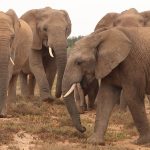
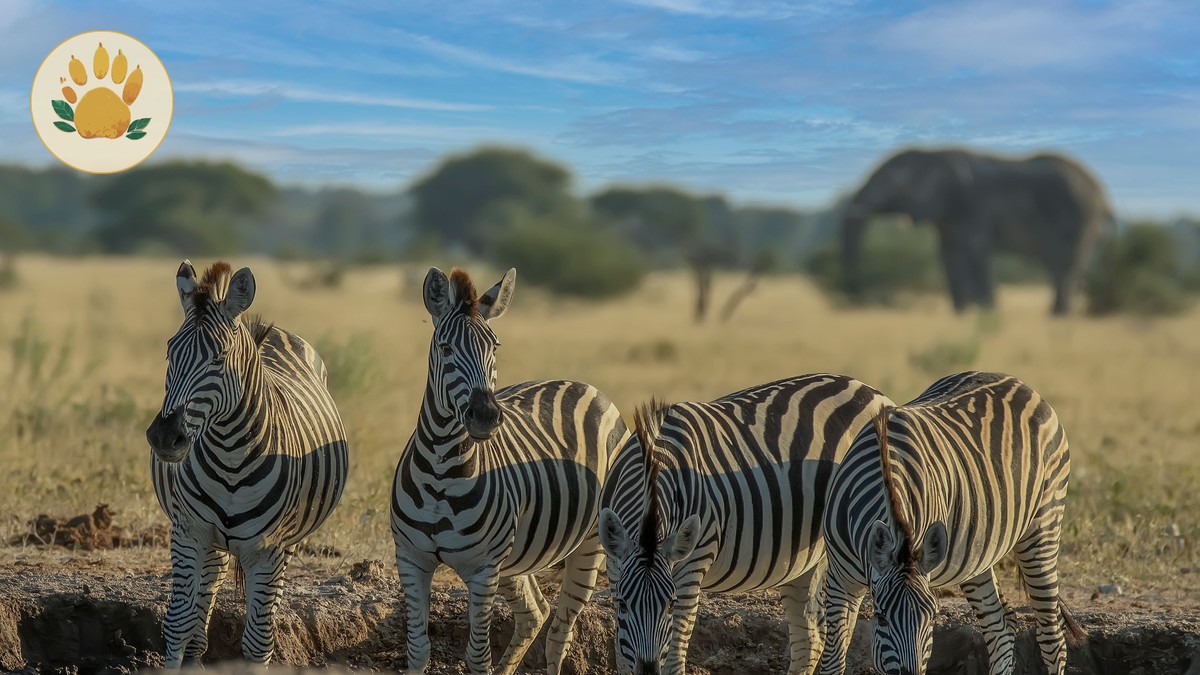
- Amboseli National Park, about 240 km and 4 to 5 hours away, known for elephant herds against Mount Kilimanjaro.
- Lake Naivasha, about 90 km and under 2 hours away, often used as a first-night stop before continuing to the Mara.
Sample itineraries by duration
A 2-day trip usually only covers Lake Nakuru or Naivasha, since Masai Mara needs at least one full day to be worthwhile after the drive in. A 3-day trip is the standard Masai Mara joining package: drive in, two game drives, drive out. Longer trips combine parks:
- 4 days: Masai Mara plus Lake Nakuru
- 5 days: Masai Mara, Lake Nakuru, Lake Naivasha
- 7 days: Masai Mara, Lake Nakuru, Lake Naivasha, Amboseli
Each extra park adds a transfer day, since these parks are not adjacent to each other. Budget travelers should expect at least one long driving day on any itinerary beyond three days.
What’s included and excluded in the price
Most joining packages include transport in a shared 4×4 or minibus, a driver-guide, park entry fees, and either camping or lodge accommodation with meals as stated in the package. Check the current Kenya national park entry fees before booking, since these change and are often the largest single cost the operator is passing through to you.
What is usually excluded: tips for the driver-guide and camp staff (budget USD 10 to 15 per traveler per day as a rough norm), alcoholic drinks, optional activities like a Maasai village visit or a hot air balloon ride (around USD 450 per person for the balloon), and single supplement if you are traveling alone and want a private tent or room.
Single supplement is the cost most backpackers miss. Solo travelers who do not want to share a tent with a stranger of the same gender typically pay an extra USD 40 to 80 per night, depending on the camp.
Vehicle type, seating and group size logistics
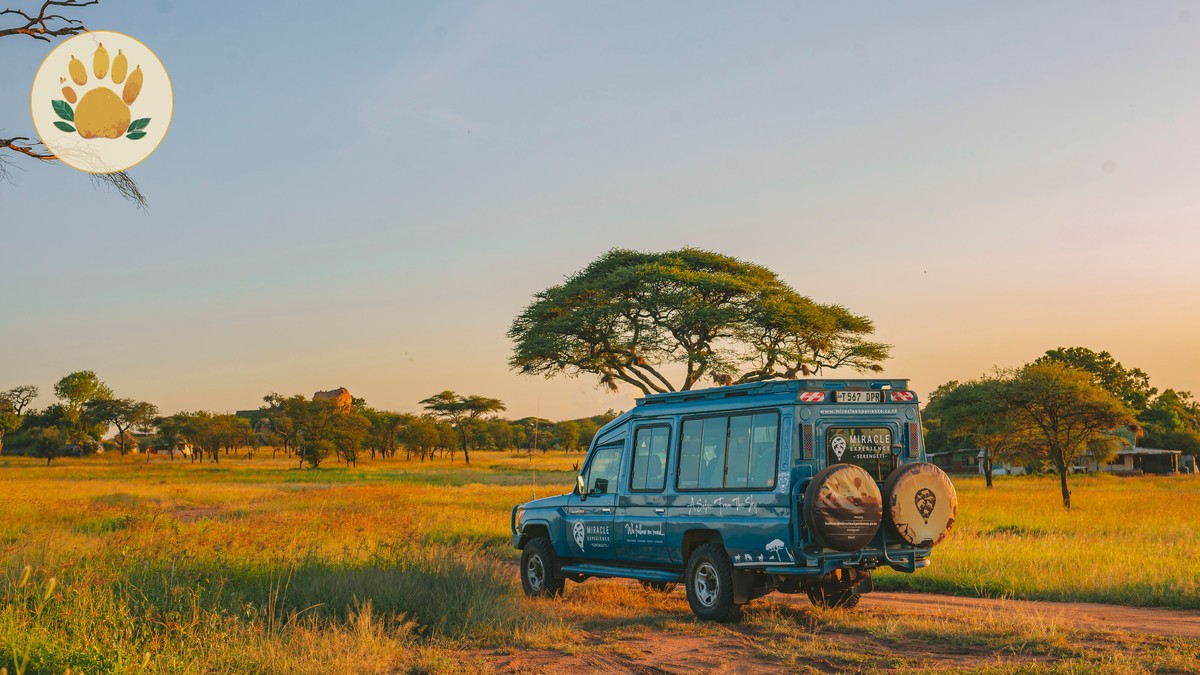
Most joining safaris use a Toyota Land Cruiser with a pop-up roof, seating 6 to 7 passengers, or a safari minibus seating up to 7. Seats are usually assigned in the order bookings were confirmed, not first-come at pickup, though some operators rotate window seats each day so no one is stuck in the middle row the whole trip. Ask directly how seating is handled before you pay, since this varies by company and is rarely written down in the brochure.
Group size on a joining safari is capped by the vehicle, so 6 to 7 people is the practical maximum you will share with, even if the operator markets “small groups.”
Advantages and disadvantages
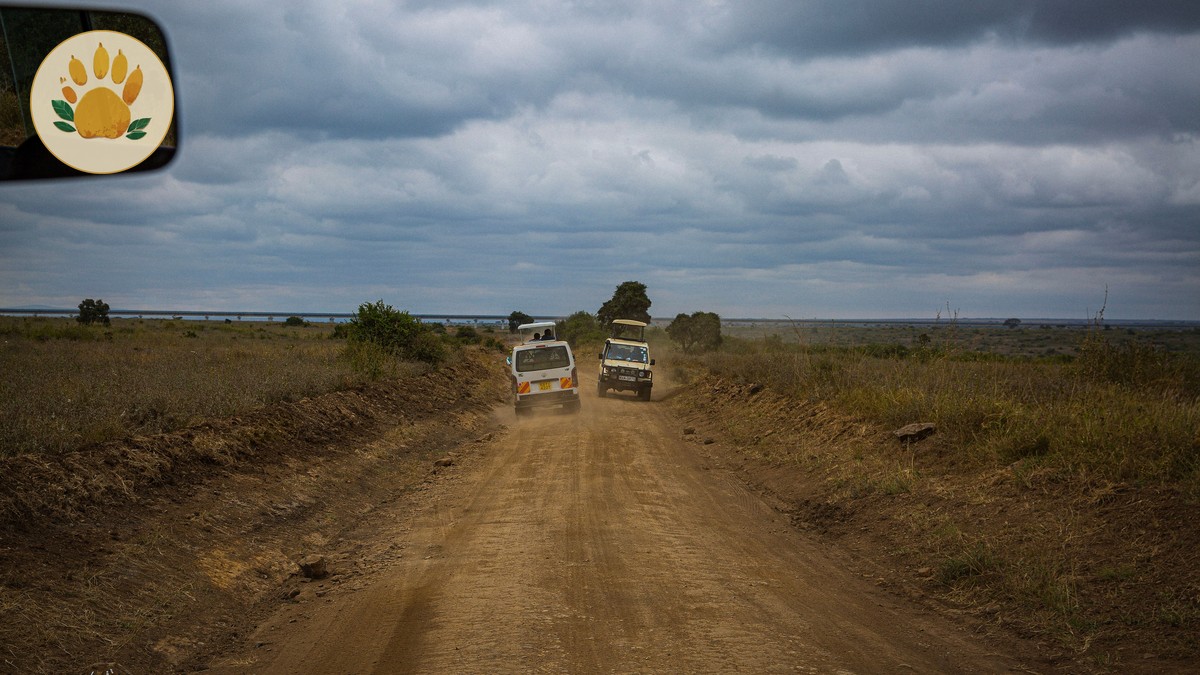
The advantages are straightforward: lower cost per person, a fixed schedule that is easy to plan around, and built-in company if you are traveling solo. The disadvantages are the trade-offs you are making for that price. You do not choose the route inside the park. If half the vehicle wants to stay longer at a lion sighting and half wants to move on, the guide has to compromise. And if you are picky about photography angles or want to linger at a leopard sighting, a shared vehicle will frustrate you.
Pricing and budget breakdown
Prices below are indicative per-person ranges based on shared, twin-share accommodation. Always confirm the exact figure and inclusions with the operator before booking.
| Duration | Route | Budget camping (per person) | Mid-range lodge (per person) |
|---|---|---|---|
| 3 days / 2 nights | Masai Mara | USD 250 to 350 | USD 450 to 650 |
| 4 days / 3 nights | Masai Mara, Nakuru | USD 400 to 550 | USD 650 to 850 |
| 5 days / 4 nights | Masai Mara, Nakuru, Naivasha | USD 650 to 850 | USD 950 to 1,200 |
| 7 days / 6 nights | Masai Mara, Nakuru, Naivasha, Amboseli | USD 900 to 1,300 | USD 1,400 to 1,800 |
Budget camping tiers typically use camps like Miti Mingi Eco Camp or Enchoro Wildlife Camp near the Mara’s Sekenani Gate. Mid-range lodge tiers move up to properties like Mara Simba Lodge or Sentrim Mara Camp. Both sit within a short drive of the reserve gates, which matters more than it sounds, since a longer transfer eats into your game drive time on arrival day.
How to book: step-by-step
- Decide your duration and route based on the parks above.
- Compare at least two operators on price, inclusions and vehicle type. This is also the point to check how to vet the operator running your group safari, since not every listed departure is actually confirmed.
- Confirm the departure date is guaranteed, not provisional.
- Ask directly about single supplement if traveling alone.
- Pay the deposit, usually 30 to 50 percent, to hold your seat.
- Confirm your Nairobi pickup address and time 24 hours before departure.
Best time of year and departure schedules
July through October covers the wildebeest migration in the Masai Mara and is the busiest and most expensive period. January and February offer good wildlife viewing with fewer vehicles at sightings. April and May are the long rains, when some camps close and prices drop. Most established operators run Masai Mara joining departures two to three times a week year round, with daily departures in peak season.
What happens if a group doesn’t fill
Fixed departure dates are only “fixed” once the minimum group size is reached, usually 2 to 4 people depending on the operator. If a trip does not fill, operators either combine you with another agency’s group, push your date back a day or two, or in rare cases cancel and refund. Ask specifically what happens to your deposit if this occurs before you book. If you would rather control your own timeline entirely, the DIY budget alternative to a group joining safari using public matatus to Narok and a local guide from there is worth reading before you commit.
The SafariPure Difference
We only list joining departures we have personally confirmed with the operator, including current minimum group size and what happens if that minimum is not met. We name the actual camp or lodge you will stay in, not a generic description, and we separate the guaranteed price from likely extras like tips and single supplement before you pay a deposit. If a route change is more efficient for your dates, we say so instead of pushing the itinerary that pays best.
Plan your trip
If you are ready to see the Masai Mara, Lake Nakuru or Amboseli on a group joining safari, browse our Masai Mara safari tours or get in touch through our contact page to check current departure dates.