Knowing how to choose a Kenya safari operator is the single decision that shapes everything else. Get it right and you get a driver who knows where the cheetahs den near Naboisho Conservancy. Get it wrong and you get a rushed itinerary, a tired vehicle, and a bill full of surprises.
This guide skips the generic checklist. It gives you real numbers, real questions to ask, and one honest trade-off most operator blogs avoid.
How to choose a Kenya safari operator: start with the license
Every legitimate Kenyan tour operator should hold a Tourism Regulatory Authority license, which is the legal requirement to operate. Many reputable operators also belong to the Kenya Association of Tour Operators, known as KATO, and are listed with the Kenya Tourism Board.
KATO membership matters because it comes with a code of conduct and a dispute process. If a KATO member fails to deliver, you have somewhere to complain that isn’t a Facebook comment. Ask the operator for their license number and KATO membership status directly. An operator with nothing to hide will send it within a day.
Check the guide, not just the company
A good vehicle means little if the guide behind the wheel can’t read the bush. Kenya’s guides are certified through the Kenya Professional Safari Guides Association, or KPSGA, which grades guides Bronze, Silver, or Gold after written and field exams.
Silver and Gold guides have years of field time and deeper knowledge of animal behavior and tracking. Ask which level your guide holds. If the operator can’t answer, that’s worth noting.
Read reviews like you’re checking a used car
TripAdvisor and Google reviews are useful, but SafariBookings is built specifically for safari operators and tends to attract more detailed, trip-specific feedback. Look for reviews from the last 12 to 18 months, not five years ago. Staff change, standards slip or improve, and a 2021 review tells you little about a 2026 trip.
Read the negative reviews first. A pattern of complaints about late pickups or hidden fees matters more than five-star praise about sunsets.
What a Kenya safari actually costs in 2026
Prices vary by season, park, and camp style. The table below gives indicative price bands and real distances from Nairobi, so you can weigh cost against location before you commit.
| Tier | Indicative cost per person/day | Typical camps or lodges | Vehicle | Guide-to-guest ratio |
|---|---|---|---|---|
| Budget | $150-250 (indicative) | Public campsites, small tented camps outside reserve gates | Shared minivan, pop-up roof | 1 guide per 6-7 guests |
| Midrange | $350-550 (indicative) | Ashnil Mara, Sentrim camps | 4×4 Land Cruiser, pop-up roof | 1 guide per 4-6 guests |
| Luxury | $700-1,500+ (indicative) | Naboisho Camp, Tortilis Camp, Sasaab | 4×4 Land Cruiser, private vehicle option | 1 guide per 2-4 guests, often private |
Park and conservancy fees sit on top of these bands and are usually billed per adult per day. Amboseli National Park and Lake Nakuru National Park charge around $60 (indicative, KWS non-resident adult rate) per day. Maasai Mara National Reserve, under Narok County, charges roughly $80 in low season and $100 in high season (indicative). Private conservancies like Naboisho add their own conservancy fee, typically $85-100 a day (indicative), which usually funds anti-poaching patrols and land lease payments to Maasai landowners.
| Location | Distance from Nairobi | Typical drive time | Indicative park/conservancy fee |
|---|---|---|---|
| Nairobi National Park | 10 km | 20-30 minutes | ~$50/adult/day |
| Lake Nakuru National Park | 160 km | 2.5-3 hours | ~$60/adult/day |
| Amboseli National Park | 240 km | 4-5 hours | ~$60/adult/day |
| Maasai Mara National Reserve | 270 km via Narok | 5-6 hours by road, 45 min by air from Wilson Airport | ~$80-100/adult/day |
| Naboisho Conservancy | ~280 km | Similar to the Mara | ~$85-100/day conservancy fee |
Ask exactly what’s included: park fees, all meals, airstrip transfers, and laundry are often bundled in midrange and luxury packages, while flights between camps and alcoholic drinks usually aren’t. Get this in writing before you pay anything.
Questions to ask before you send a deposit
Email the operator these five questions and judge the reply, not just the answer:
- What is your TRA license number and are you a KATO member?
- What KPSGA level is our guide?
- What exactly is included in the quoted price, and what costs extra?
- What happens if weather or wildlife movement changes the itinerary?
- What is your cancellation and refund policy?
An operator who answers all five clearly and within 48 hours is showing you how they’ll handle problems on the ground. A vague or delayed reply is a preview of what a delay at the airstrip will feel like.
Before you book, it helps to know what a well-planned 5-day Kenya itinerary should include, so you can compare it against what the operator proposes.
Red flags that should end the conversation
Walk away if you see any of these:
- Payment requested only by wire transfer to a personal bank account, not a company account.
- No physical office address or a Nairobi address that doesn’t check out on Google Maps.
- Prices far below every other quote for the same camps and dates, often 40 to 50 percent lower.
- Pressure to book within hours to “lock in” a discount.
- No written confirmation of what’s included after you ask directly.
Cheap operators aren’t automatically unsafe, but unusually cheap ones often cut corners on vehicle maintenance, guide pay, or park fee payments, which can mean turned-away entry at the gate.
Local Kenyan operator or international agency?
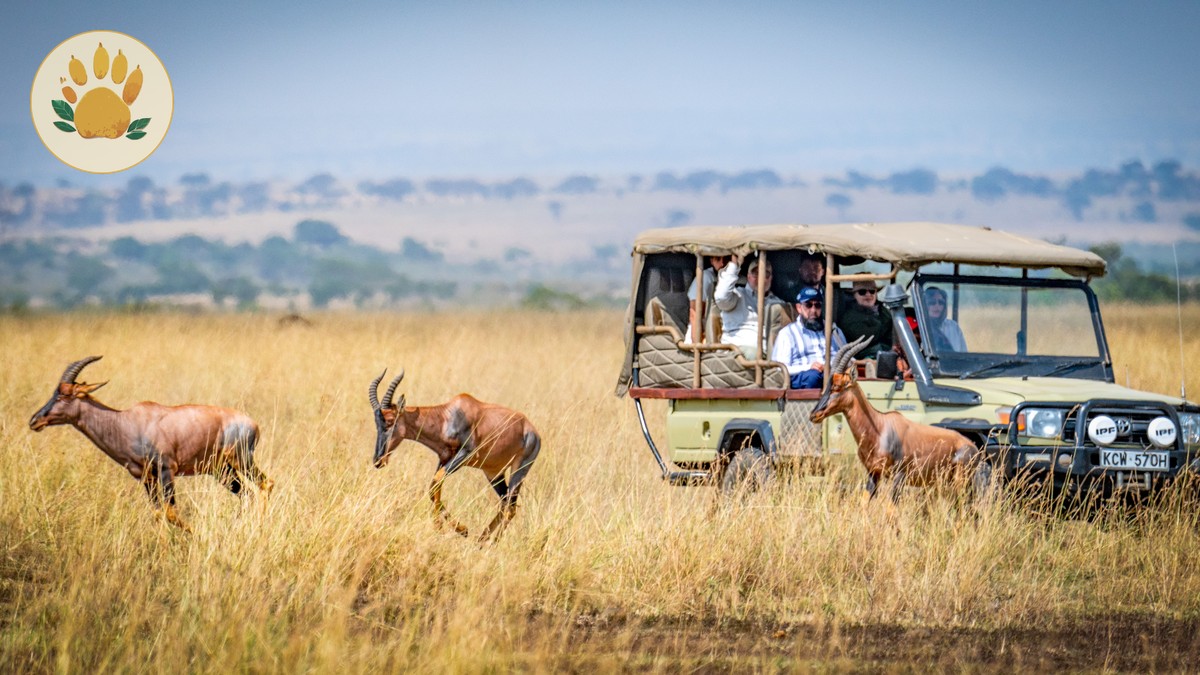
This is the trade-off most guides skip. A small, locally-owned operator based in Nairobi or Nakuru often costs less and knows the day-to-day movement of wildlife in the Mara and Amboseli better than a call center overseas. Their guides are the ones actually driving the vehicles.
A larger international agency costs more, but if something goes wrong, mid-trip, a canceled flight, an illness, a payment dispute, you have a company with more staff and more legal reach to help fix it. Neither choice is wrong. Choose based on how much risk you’re comfortable carrying yourself. If you’re a confident, independent traveler, a good local operator with clear licensing and strong reviews is often the better value. If you want a safety net, pay more for the agency.
Either way, it’s worth taking time to compare Masai Mara vs. Serengeti before you book, since your choice of park affects which operators are strongest in that area.
Don’t forget the paperwork
Once you’ve chosen an operator, sort out your Kenya eTA visa early. Processing has taken anywhere from a few days to two weeks depending on volume, and a good operator will remind you, not leave you to find out at check-in.
The SafariPure Difference
SafariPure only works with KATO-member operators and KPSGA Silver or Gold guides, checked directly, not taken on faith. Every quote we send breaks down park fees, meals, and transfers line by line, so nothing arrives as a surprise on day three. We publish real itineraries with named camps and real drive times, the same way we’ve laid them out in this guide, because a first-time safari traveler deserves specifics, not a hyped brochure. When plans change in the field, a flooded river crossing or a lion sighting worth staying for, our guides adjust the day and tell you why.
Plan your trip
If you’re ready to put this into practice, take a look at our Kenya safari tours or get in touch to talk through dates, budget, and which parks fit what you want to see. We’ll answer the five questions above before you even ask them.