You have done the Mara. You know what a wildebeest crossing looks like and you have your favorite camp already picked for the next trip. What you have probably not done is drive the rift valley lakes safari circuit end to end, from the crater rim at Naivasha to the crocodile-lined shores of Baringo. This is where Kenya trades big-cat drama for something quieter: freshwater and soda lakes stacked one after another, each with its own chemistry, its own birds and its own mood.
This circuit rewards repeat visitors more than first-timers. You already know how to read a landscape. Here you get four lakes in four different states, connected by a single tarmac road, all within a day’s drive of Nairobi.
Overview of the Rift Valley Lakes Chain
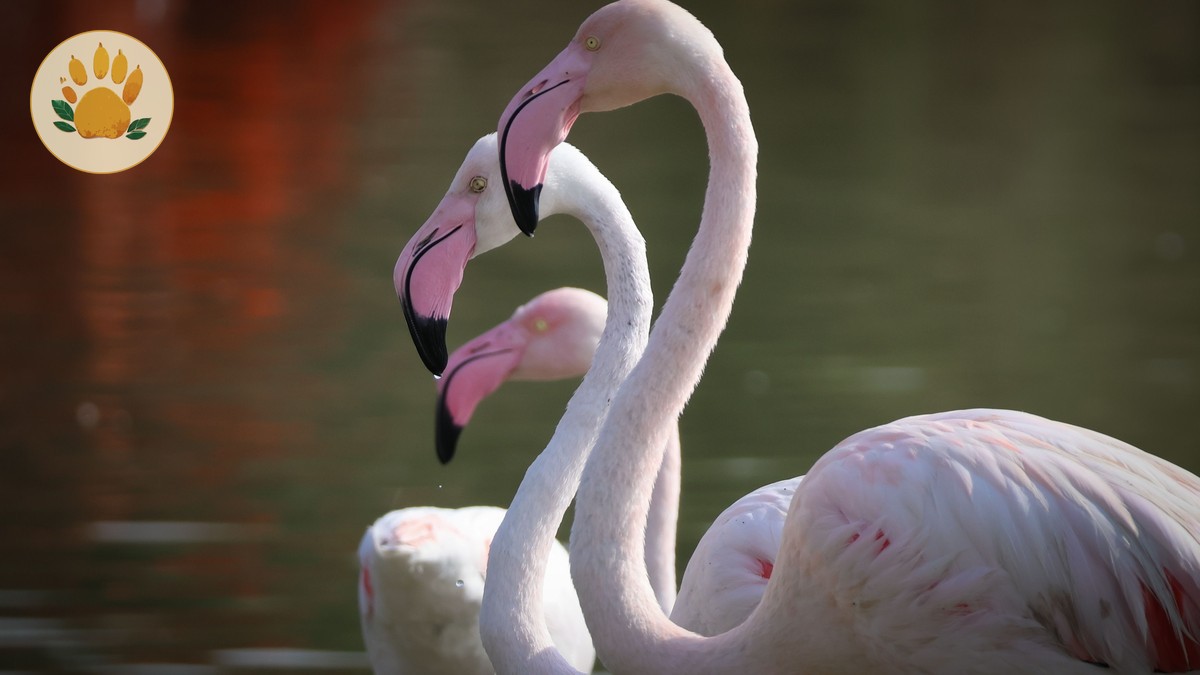
Four lakes anchor this route, running roughly north from Nairobi: Naivasha, Nakuru, Bogoria and Baringo. Lake Elmenteita sits between Nakuru and Naivasha and is worth a stop even without an overnight. Each lake sits in its own basin along the valley floor, but they are not identical twins. Naivasha is fresh and full of hippos. Nakuru and Bogoria are alkaline, soda-rich lakes that swing between flamingo spectacle and near-empty depending on water levels and algae blooms. Baringo is fresh again, ringed by cliffs, and home to some of the highest crocodile densities in Kenya.
The whole chain sits inside the Gregory Rift, the eastern branch of the Great Rift Valley. Volcanic peaks, hot springs and geysers show up at more than one stop, which is unusual for a circuit built mostly around birds and water.
Lake by Lake: What Each One Actually Offers
Lake Naivasha is a freshwater lake at 1,884 meters, ringed by acacia woodland and fed by rivers rather than draining to the sea. Hippos are the headline here, along with over 400 recorded bird species. Crescent Island, a private sanctuary on the lake’s edge, lets you walk on foot among giraffe, zebra and waterbuck because there are no predators or resident hippos on the walking trail itself.
Lake Elmenteita is small, shallow and often overlooked. It has no national park status and no entry fee, which makes it a good free stop for flamingos and pelicans on the way north.
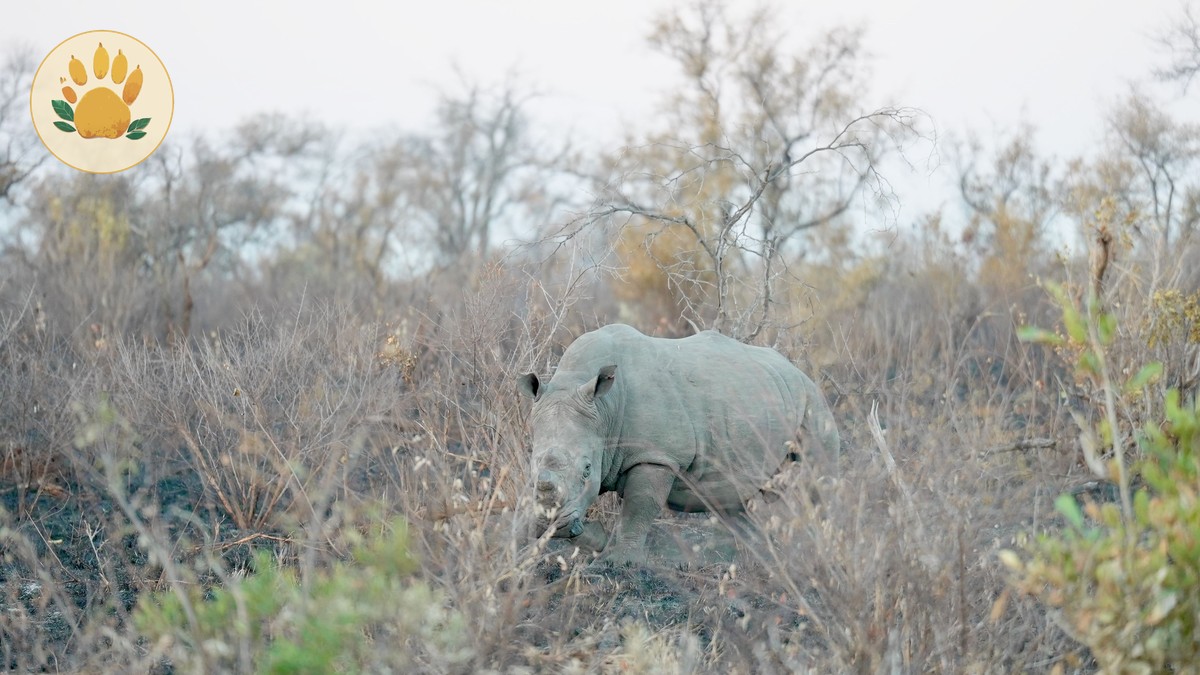
Lake Nakuru National Park is the best known stop and the most developed, with a fenced perimeter, resident rhino population (both black and white) and healthy numbers of lion and leopard. Flamingo numbers here rise and fall with water chemistry, so a “guaranteed” flamingo lake five years ago can be quiet today. Check the 2026 Lake Nakuru National Park entry fees before you budget the trip, since KWS revised its fee structure for the 2026 season.
Lake Bogoria National Reserve sits in a narrower, hotter valley than Nakuru and is currently the more reliable flamingo lake in most years, thanks to its steady soda concentration. It also has genuine geysers and hot springs along the western shore, hot enough to boil an egg, which Nakuru does not have.
Lake Baringo is the outlier: freshwater, ringed by cliffs, and known for crocodiles, hippos and the Njemps fishing community who still paddle papyrus rafts on the water. It also has some of the best birding in the country, which is part of why it belongs on any list of the best parks in Kenya for bird photography, even though it is a lake rather than a park.
Distances and Route Logistics from Nairobi
The road north from Nairobi is tarmac the whole way to Marigat, near Lake Bogoria, and mostly good going on to Baringo. Traffic out of Nairobi and through Naivasha town is the main variable, not road surface.
| Leg | Distance | Typical Drive Time | Notes |
|---|---|---|---|
| Nairobi to Lake Naivasha | 90 km | 1.5 to 2 hrs | Escarpment road, watch for trucks |
| Naivasha to Lake Nakuru | 75 km | 1.25 hrs | Passes Lake Elmenteita viewpoint |
| Nakuru to Lake Bogoria | 82 km | 1.5 hrs | Via Marigat |
| Bogoria to Lake Baringo | 45 km | 1 hr | Short, scenic final leg |
| Nairobi direct to Bogoria | 235 km | 3 hrs 50 min | If skipping Naivasha and Nakuru |
Park and reserve fees for 2026, indicative and per adult non-resident per day: Lake Nakuru National Park USD 90, Hell’s Gate National Park USD 50, Lake Bogoria National Reserve USD 50, Crescent Island Game Sanctuary USD 33. Lake Baringo itself has no park gate fee, though boat rides and conservancy access are charged separately, typically USD 20 to 40 per person. Treat these as a planning range and confirm on booking, since KWS and reserve rates move most years.
Sample Itineraries: 2, 3 and 4 Days
A 2-day loop covers Naivasha and Nakuru only. Day one: drive from Nairobi, boat ride or cycle at Hell’s Gate, overnight at Naivasha. Day two: early game drive in Lake Nakuru National Park, then back to Nairobi by evening. This is the version most tour operators sell as a quick add-on, and it works, but it skips Bogoria’s geysers entirely and gives Baringo no time at all.
A 3-day loop adds one night at Bogoria or pushes on to Baringo for a single night, cutting the Nakuru game drive short to make the extra distance.
A 4-day loop is the honest version of this trip. Day one: Naivasha, boat ride and Crescent Island walk. Day two: Nakuru game drive, then on to Bogoria by afternoon for the hot springs. Day three: full day at Baringo, boat ride for crocodiles and hippos, walking or birding on the shore. Day four: return drive to Nairobi. Four days lets you see all four lakes without a single rushed morning.
| Version | Lakes Covered | What Gets Cut |
|---|---|---|
| 2-day | Naivasha, Nakuru | Bogoria’s geysers, all of Baringo |
| 3-day | Naivasha, Nakuru, Bogoria or Baringo | One full lake, most walking time |
| 4-day | All four lakes | Nothing major, but no slack for weather delays |
Best Time to Visit and Flamingo Timing
Flamingo numbers move between Nakuru and Bogoria depending on rainfall and algae levels, and no lake holds a “guaranteed” population year after year. As a rough pattern, Bogoria has been the more consistent flamingo lake through the mid-2020s, while Nakuru’s numbers rise in drier years when its soda concentration climbs. The dry months of January to March and July to October give the clearest driving conditions and the best light for photography. If flamingos are the main goal, call ahead to a lodge on the lake you plan to visit and ask what the birds are doing that week, since conditions change faster than any published table can track.
Activities Worth Building a Day Around
Boat rides on Naivasha and Baringo are the best way to see hippos at a safe distance and to reach birding grounds you cannot walk to. Cycling through Hell’s Gate, past the Fischer’s Tower and the gorge, is one of the few places in Kenya where you pedal past zebra and buffalo on an open trail. Walking safaris on Crescent Island put you on foot among plains game with a guide, and walking along parts of the Baringo shoreline is possible with a local guide who knows where the crocodiles haul out. None of this is risk-free. Read a proper safety guide for hippos and crocodiles on safari before any boat or walking activity, and always follow your guide’s line, not your own curiosity.
Where to Stay, Lake by Lake
Naivasha has the widest range, from budget campsites near Hell’s Gate to lodges like Elsamere on the lake shore. Nakuru’s options sit mostly outside the park gate, since in-park lodges are limited. Bogoria has fewer beds overall, mostly simple guesthouses in Marigat and one or two tented camps near the reserve gate. Baringo’s Robert’s Camp is the long-running budget base on the lake shore, with a couple of small tented options nearby for travelers who want more comfort without leaving the water’s edge.
Freshwater vs Alkaline: Why the Chemistry Matters
Naivasha and Baringo are freshwater lakes, fed by rivers with an outlet or steady inflow, which is why they support hippos, crocodiles and fish-eating birds. Nakuru, Bogoria and the smaller Elmenteita are alkaline soda lakes with no outlet, where evaporation concentrates minerals and feeds the blue-green algae that flamingos filter for food. That single difference in water chemistry explains why you see hippos at one stop and flamingos at the next, and why swimming is a bad idea at any of them for entirely different reasons.
The SafariPure Difference
Most itinerary pages either hide behind “request a quote” or give you a flamingo photo and nothing else. We would rather tell you that Nakuru’s rhino sightings are more reliable than its flamingos this decade, that a 2-day loop means skipping Baringo entirely, and that a boat ride at Baringo is safe only with a guide who reads the water properly. That is the whole approach: real numbers, real trade-offs, and enough field judgment that you know what you are actually choosing when you pick a 2-day loop over a 4-day one.
FAQs
Which Kenyan lake has flamingos right now? It varies by year. Bogoria has been the more consistent option through the mid-2020s, but check current reports before you travel.
Can you visit as a day trip from Nairobi? Naivasha, yes, easily. Nakuru is a long single day. Bogoria and Baringo are not realistic day trips from Nairobi.
How many days do you need for the full circuit? Four days lets you cover all four lakes without rushing. Two days covers Naivasha and Nakuru only.
Is Lake Naivasha freshwater or saltwater? Freshwater, fed by rivers, which is why it supports hippos and papyrus swamp.
Is it safe to walk among wildlife at Crescent Island? Yes, with a guide, since the island has no resident predators or hippos on the trail itself. Standard wildlife caution still applies.
Can you self-drive this circuit? Yes. The road is tarmac to Marigat and mostly good beyond it. A 4×4 is useful but not essential outside wet season.
How far is Baringo from Bogoria? About 45 km, roughly a one-hour drive.
Are there crocodiles in Lake Baringo? Yes, in high numbers. Boat rides are safe with an experienced operator who keeps distance from basking sites.
Can you combine this circuit with the Masai Mara? Yes. Nakuru sits roughly on the road between Nairobi and the Mara’s Narok route, making it a natural add-on before or after a Mara safari.
Plan Your Rift Valley Lakes Safari Circuit
If four lakes in one trip sounds right for your next Kenya visit, we can build the itinerary around the days you actually have, not a template. Get in touch through our contact page or take a look at our Rift Valley lakes tour to start planning.