
Most articles on this question tell you to “book direct” and stop there. This book direct local operator vs agent comparison shows the actual numbers instead.
We compare a real six-day itinerary two ways, walk through what a commission layer actually costs you, and name the checks that separate a licensed Kenyan operator from a shell company with a nice website. We also tell you honestly when an agent is still worth the extra money, because sometimes it is.
Who you’re actually talking to
Three different businesses use the word “safari company,” and they are not the same thing.
A tour operator owns or directly contracts vehicles, guides, and camps inside Kenya. When you email them, you’re emailing the people running the trip.
A ground handler is a Kenyan company that operates trips on the ground but sells mostly through foreign agents, not the public. You rarely book one directly.
An international agent sits outside Kenya, takes your payment, and passes your trip to a ground handler or operator. You’re often two steps removed from whoever drives your vehicle.
For a budget backpacker joining a group camping safari, this distinction matters because operator size affects departure frequency. A Nairobi-based operator running scheduled group departures to the Masai Mara can slot you into an existing group. An agent has to check with its ground handler first, which adds a day or two of back-and-forth.
Book direct local operator vs agent: the real math on pricing and commission
Here’s a worked example using a standard six-day Masai Mara and Amboseli budget camping safari, the kind most backpackers book.
| Item | Direct with Kenyan operator | Through international agent (25-30% markup) |
|---|---|---|
| Base price per person (shared group vehicle, camping) | $650 | $650 |
| Agent commission/markup | none | $163-195 |
| Card processing/currency conversion | 0-2% (local M-Pesa or bank transfer) | 2-4% (foreign card fees) |
| Total price per person | approx. $650-663 | approx. $825-865 |
| Difference | $0 | $175-215 more |
Indicative figures based on typical Nairobi-based group-joining camping safari rates for 2026; actual quotes vary by season and group size.
That 25-30% range isn’t invented. It’s the commission band most operators quote when asked what they pay agents and platforms for bookings, sitting alongside a smaller card-processing cost that direct bookings mostly avoid through M-Pesa or bank transfer. On a $650 trip, that’s real money, often more than the current park entry fees for the whole trip.
The gap widens on multi-camp fly-in itineraries, where each leg carries its own markup. On a budget camping trip it’s smaller in dollar terms but still often covers your bus fare from Nairobi to Nakuru and back.
Communication and response speed
A Kenyan operator answers during Nairobi office hours, East Africa Time, UTC+3. If you email at 8am Nairobi time, you often hear back before lunch.
An international agent based in London or New York works their own hours first, then relays your question to Kenya and waits for a reply before getting back to you. A simple question like “can I add a night at Lake Naivasha” can take two or three days to answer instead of a few hours.
For backpackers piecing together public transport connections, buses from Nairobi to Naivasha, matatus to Nakuru, this speed matters. Itineraries shift. You need answers fast, not a relay chain.
Local knowledge that only shows up on the ground
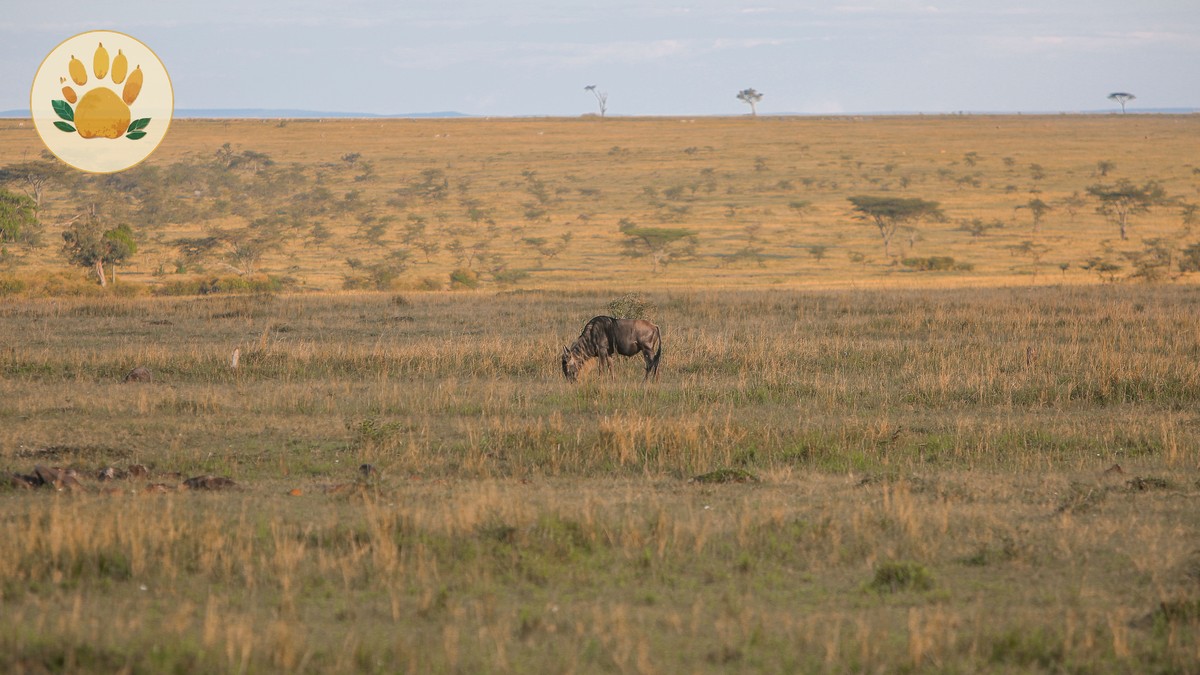
A Nairobi-based operator running trips to the Mara every week knows the Sand River crossing points look different this week than last, because their guides drove past yesterday. They know whether the Talek Gate road is passable after rain in April, and which campsite outside the reserve still has water this month.
An agent selling twelve African countries from a desk overseas is reselling someone else’s local knowledge, filtered through however recently their ground handler last updated them. That filter usually holds up fine. It occasionally doesn’t, particularly for time-sensitive details like river crossings during the wildebeest migration, roughly late July through October.
Customization and negotiation
Direct booking gives you a real conversation with the person setting the itinerary. Want to swap a night in Amboseli for an extra night in the Mara? A direct operator can usually quote that change in one email.
You can also negotiate more freely with a direct operator, especially in low season (April to June, and November) or with a group of four or more. Agents work off fixed rate sheets from their ground handlers and have less room to move, since they’re pricing off someone else’s margin, not their own.
Payment security and financial protection
This is where the honest trade-off lives, and where budget travelers should pay attention.
Agents based in the UK often hold ATOL protection, which refunds you if the company collapses before your trip. Kenyan operators generally don’t carry an equivalent scheme, though reputable ones use escrow-style deposit structures, invoice through a registered business account, and accept staged payments (a deposit, then balance closer to departure) rather than full payment upfront.
If you pay a Kenyan operator directly by international bank transfer, you also lose the chargeback protection a credit card offers through most agents. That protection has real value if you’re wiring $650 to a company you found last week.
The fix isn’t avoiding direct booking. It’s verifying the operator first, paying a modest deposit rather than the full amount, and using a card or platform with dispute protection where the operator accepts one.
When something goes wrong on the ground
If your vehicle breaks down or a camp double-books your tent, a direct operator can fix it same-day, because they own the fix. Call the office, and someone reroutes your trip within hours.
Through an agent, the same problem routes through the agent, who contacts the ground handler, who contacts the operator. Each hop adds delay. Backpackers on tight timelines, catching a specific bus back to Nairobi or a flight out of Wilson Airport, feel this delay the most.
How to verify a Kenyan operator before you pay
Before wiring any deposit, run these checks:
- KATO membership. The Kenya Association of Tour Operators lists verified members on its site. A legitimate operator can give you their membership number.
- Tourism Regulatory Authority license. Every licensed operator holds a TRA license, renewed annually. Ask for the license number and confirm it matches the company name.
- A Kenyan-registered phone number and physical address, not just a Gmail address and a WhatsApp number with no fixed office.
- Recent, verifiable reviews naming specific guides, vehicles, or camps, not generic five-star praise with no detail.
- A written itinerary with named camps and campsites, so you can independently confirm those properties exist and take bookings from that operator.
For a full walkthrough, see how to vet a Kenya safari operator you can trust.
When an agent is actually the better choice
Direct booking isn’t always the right call. An agent earns their commission in specific situations.
Multi-country combinations, Kenya paired with Tanzania or Rwanda, benefit from one agent coordinating visas, border logistics, and separate national operators under a single invoice. Chasing three countries’ worth of direct bookings yourself adds real coordination risk.
Multi-camp fly-in safaris with tight light-aircraft connections also favor an agent or a single well-connected operator, since one missed handoff between camps can cascade through the whole trip. If you’re flying between five camps in eight days, paying for coordination has real value.
And if you want ATOL-style financial protection more than you want to save 25%, that’s a legitimate choice, not a mistake.
How group-joining safaris fit this decision
Budget backpackers usually book group-joining trips, where you share a vehicle with other travelers on a fixed departure date. These run direct through Nairobi operators far more often than through foreign agents, since the group-fill model depends on the operator managing bookings from multiple channels at once. Booking direct also means asking the operator directly how many travelers are confirmed before you commit. For more on how these trips are structured, see how group-joining safaris are booked and run.
The SafariPure Difference
SafariPure works as a Kenyan-registered operator, not a resale platform. Every camping departure we run is priced from our own vehicles, guides, and campsite bookings, so there’s no hidden markup layer between your payment and the ground.
We publish our KATO membership and TRA license number on request, before you pay anything. We also tell you plainly when a multi-country or multi-camp fly-in trip is complex enough that an agent-coordinated itinerary might actually serve you better, even if that means sending you elsewhere.
Bottom line
For a straightforward Masai Mara or Amboseli group-joining camping safari, booking direct with a verified Kenyan operator saves you real money, often $175 to $215 on a six-day trip, and gets you faster answers. Verify the operator first: KATO membership, TRA license, a Kenyan address, and named camps. Pay a deposit, not the full balance, until you trust the relationship.
For multi-country routes or complex fly-in itineraries, an agent’s coordination is worth paying for.
Plan your trip with SafariPure
If you’re weighing a direct booking for a Masai Mara or Amboseli camping safari, we’re happy to talk it through, no pressure, no markup layers. Browse our group-joining safari departures or reach out through our contact page to start planning.