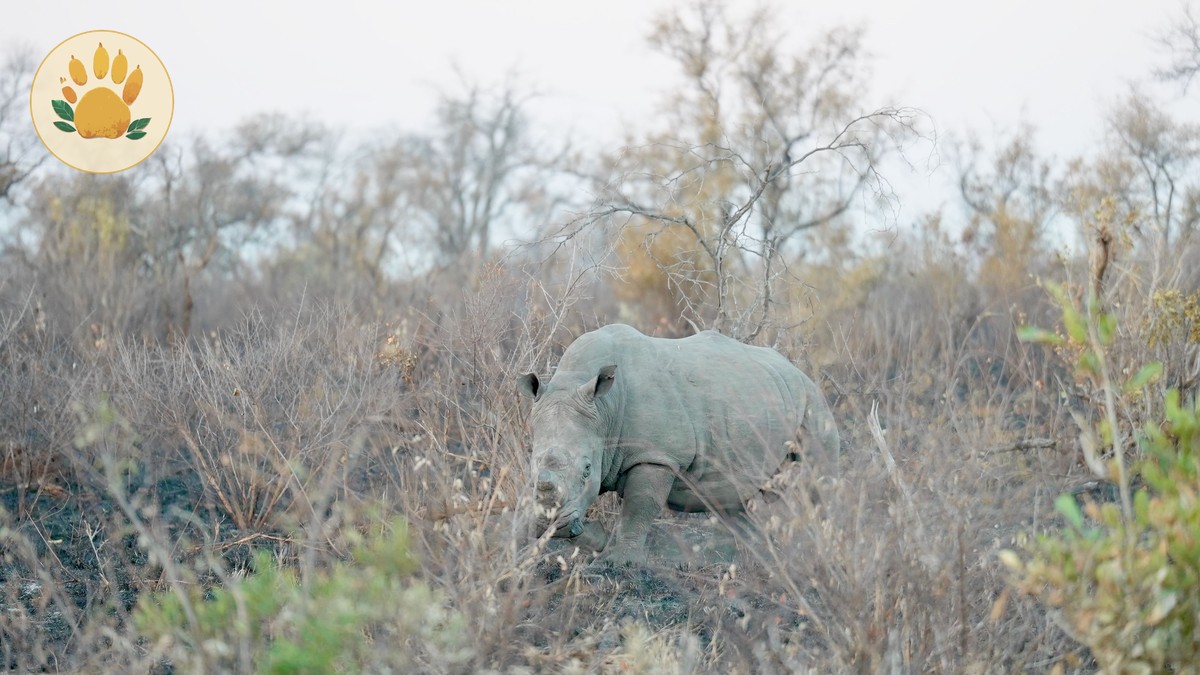
Solio Ranch is a private rhino sanctuary in central Kenya, between Mount Kenya and the Aberdare Range, roughly 200 kilometres north of Nairobi. Visitors come here for concentrated rhino viewing, and because the sanctuary is compact, guests spend less time driving and more time watching. SafariPure plans Solio trips around the needs of wildlife photographers. This Solio Ranch rhino safari guide covers access rules, current costs, where to stay, and the decisions that matter before you book.
1. Solio Ranch Rhino Safari Guide: How to Get In
Solio Ranch is not a public reserve with a walk-up ticket booth or casual self-drive access. Most visitors enter as guests of Solio Lodge or Rhino Watch Lodge, or through an operator with permission arranged in advance. Confirm access, entry terms, and fee bundling before booking transport.
Your access options come down to three routes:
- Stay at Solio Lodge. The lodge sits inside the sanctuary, and your game drives are arranged from there.
- Stay at Rhino Watch Lodge. The lodge sits close to Solio but outside the main reserve, so access needs a confirmed booking.
- Arrive with an operator that already works with Solio. Permission is arranged before you leave Nairobi.
Do not treat Solio like Lake Nakuru or Amboseli. KWS does not run this ranch, and there is no reliable public gate for casual entry. Self-drive access is rare unless the ranch has pre-approved your vehicle. If your plans are flexible, SafariPure can arrange a day visit or overnight itinerary with permission confirmed ahead of time.
2. Solio Ranch Rhino Safari Cost and Solio Ranch Entrance Fee
Use about USD 106 to USD 122 per non-resident adult per day as a practical benchmark for the Solio access fee, though figures vary by source and booking. Lodge packages may bundle this fee with guiding, meals, transport, or accommodation, so request an itemized quote rather than compare headline prices alone.
Some operators quote USD 80 for Solio access, others closer to USD 122. The final fee depends on the booking channel, guiding, and whether you stay overnight or arrive for a single drive.
Ask for the access fee as a separate line before you pay, whether you are a Solio Lodge guest or on a day trip from Nanyuki. For package prices, see our post on Solio Ranch rhino experience cost. The daily fee above is only part of a safari budget.
3. Solio Ranch Game Drive: What You See
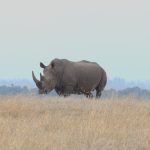
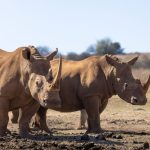
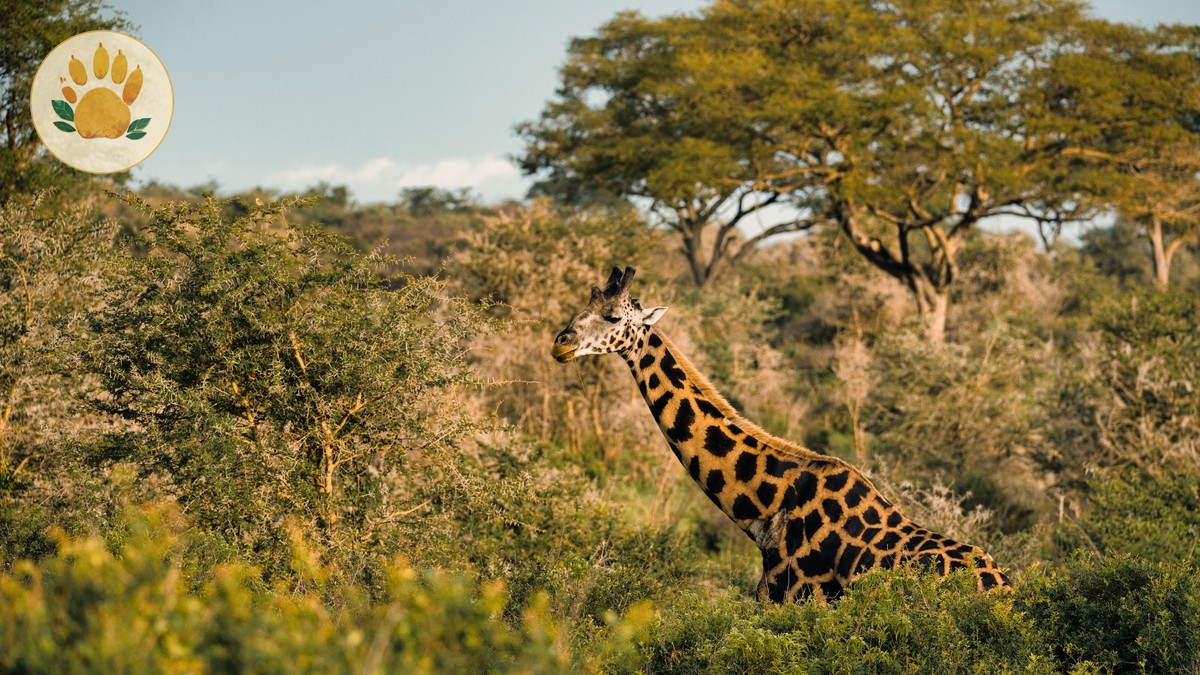
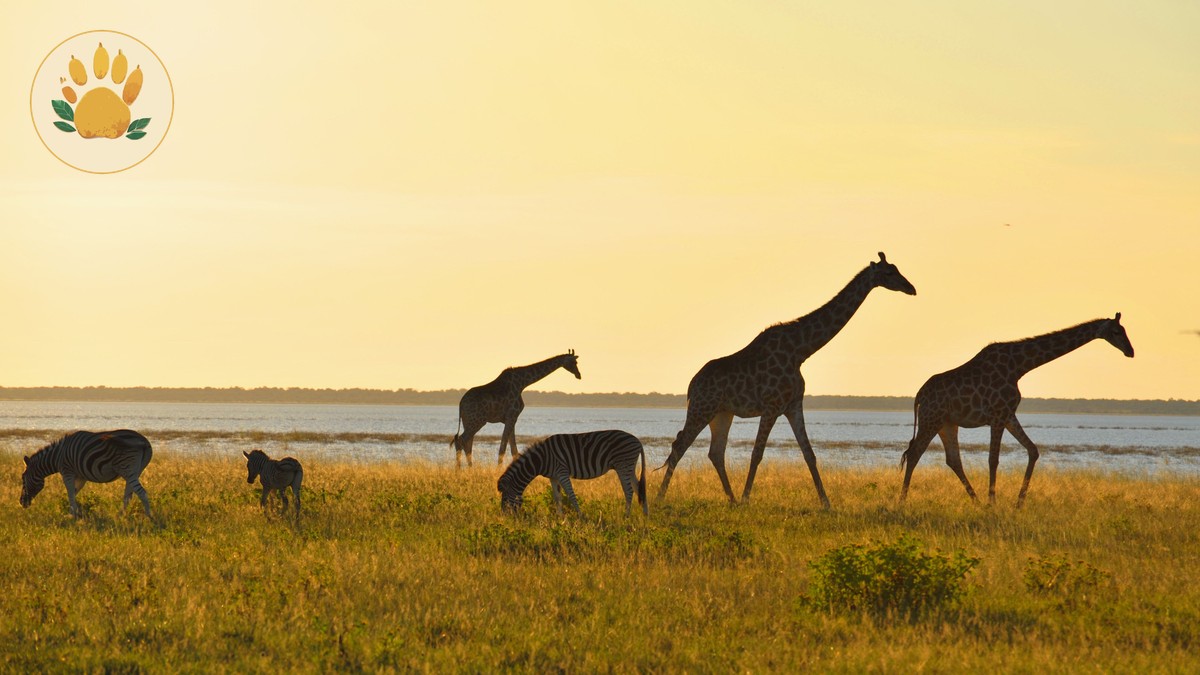
Rhinos are Solio’s main draw, with black and southern white rhinos commonly seen on guided drives across the compact sanctuary. Sightings can be unusually concentrated, and other likely wildlife includes lion, leopard, cheetah, buffalo, zebra, giraffe, waterbuck, and varied birdlife.
Solio is private, so drives feel different from a busy national reserve. You share the roads with a handful of vehicles, not a convoy, which gives photographers better sight lines and more patience. Ask for an open-sided vehicle when possible. Rhino activity peaks near dawn and dusk, and soft side light makes the grassland easier to photograph.
The sanctuary is small enough that you can return more than once in a day without long transfers. A two-drive day at Solio often beats a five-hour drive through a larger park. Read how Solio Sanctuary supports rhino conservation for background on breeding and translocation.
4. Where to Stay: Solio Lodge, Rhino Watch Lodge, and Nearby Options
Solio Lodge offers the most immersive high-end stay inside the sanctuary, while Rhino Watch Lodge is a more moderate option on its edge. Nearby Aberdare properties can reduce cost but add driving and complicate access. Choose inside or adjacent lodging when rhino time and early game drives matter most.
Solio Lodge is the only accommodation actually within the main reserve. Staying there makes morning and afternoon drives simple because you are already on the property. It is the best choice for photographers who want flexibility.
Rhino Watch Lodge is the practical second option. It costs less than Solio Lodge and remains close to the sanctuary. Rates change by season, so request a current quote before booking.
Some travelers stay in Naro Moru or Nyeri to lower costs, but that adds 30 to 60 minutes of driving each way and can cut into the best photographic light. If you stay outside Solio, book a high-clearance vehicle and confirm your gate time in writing.
5. How to Get to Solio Ranch from Nairobi and Nanyuki
From Nairobi, plan roughly 3.5 to 4 hours by road, depending on traffic through Thika and Karatina. Solio is approximately 200 to 215 kilometres away by road. From Nanyuki, the drive is about 45 to 60 minutes.
The usual Nairobi route heads north on the A2 through Thika and Karatina. Near Nyeri, turn toward Naro Moru and Solio. Allow extra time on weekdays because the Thika corridor carries heavy commuter and truck traffic.
If you are already in Nanyuki, Solio is a short morning drive. Many visitors combine it with a night at Rhino Watch Lodge or other Nanyuki-area wildlife. Some operators use light aircraft to Nanyuki airstrip, though a mid-morning arrival often pushes the first game drive to after lunch.
6. Best Time to Visit Solio Ranch for Rhino Viewing
June to September is the clearest all-around window because dry tracks and shorter grass improve visibility. January and February are also favourable. Solio remains productive year-round, but March to May brings the heaviest long rains and can make tracks harder to use. December to February is especially useful for birding.
For a photo-led safari, the early dry season from late June to August is a strong default. Grass is low, waterholes hold animal traffic, and the weather is reliable. January is the alternative if you want clear skies without the long-rain risk.
Avoid late April if your schedule is tight; roads can turn muddy after heavy storms and transfers may run late. In any month, plan two game drives per day: a dawn session and a late-afternoon session beat a single midday drive.
7. Solio Ranch versus Ol Pejeta and Lewa
Choose Solio for concentrated rhino viewing in a small, quiet, lodge-led sanctuary. Choose Ol Pejeta for broader visitor infrastructure and access to the northern white rhino programme. Choose Lewa for a larger conservancy combining rhinos with wider landscape and community-conservation stories. The best choice depends on access, budget, and activity priorities.
| Consideration | Solio Ranch | Ol Pejeta | Lewa |
|---|---|---|---|
| Main rhino species | Black and southern white | Black and southern white, plus northern white rhino programme | Black and southern white |
| Sanctuary character | Compact, private, quiet | Large, many lodges and day-route options | Vast, open, high-end |
| Access model | Lodge or operator permission required | Day visitor access easier, though booking still advised | Lodge or operator permission required |
| Reported access fee benchmark | USD 106 to 122 per non-resident adult per day | Varies by operator, request an itemized quote | Varies by operator, request an itemized quote |
| Best for | Focused rhino time with few vehicles | Easier Nanyuki combination and broad activities | Landscape and community conservation |
Ol Pejeta is the most common alternative because it lies near Nanyuki and has a wider range of lodges. Solio offers the opposite: fewer beds, fewer vehicles, and a more personal feel. Lewa asks for more planning and a higher budget. Start with Solio versus Ol Pejeta for rhinos if you are weighing the two.
Plan Your Solio Rhino Safari with SafariPure
Access rules at Solio change less often than lodge rates, but still need careful handling. A SafariPure safari covers permission to enter, an appropriate vehicle, and a route from Nairobi or Nanyuki, built for photographers who want unhurried mornings and focused afternoons.
Tell us your preferred season and how much rhino-viewing time you have. We will build a plan around that. Contact the SafariPure team to begin.