
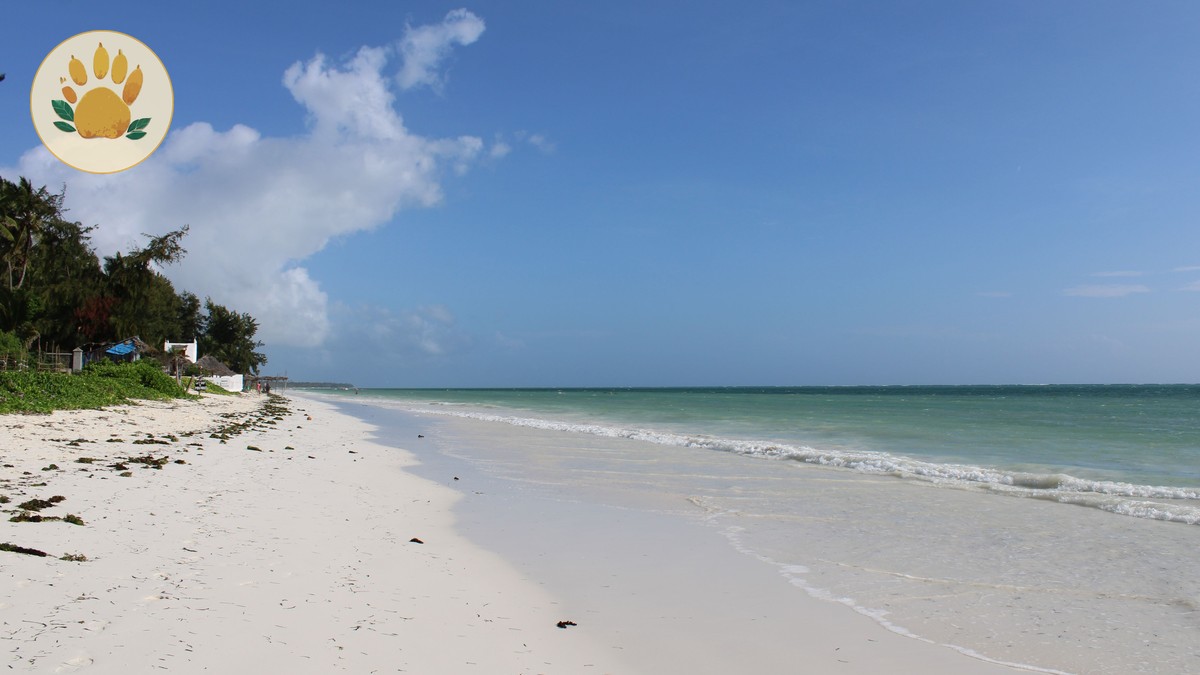
Diani Beach sits on Kenya’s southern coast near Ukunda. An offshore coral reef creates a lagoon, and many visitors ask the same question before booking. Is Diani beach safe for swimming? Yes, with planning. The reef softens waves, but the tide changes swimming conditions every few hours.
1. Diani Beach Safe for Swimming: Yes, Inside the Reef Lagoon
Yes, Diani Beach is generally safe for swimming when you stay inside the reef lagoon, check the tide, and follow resort or lifeguard advice. The offshore reef reduces large waves, but safety still depends on your swimming ability, weather, tide direction, and distance from reef channels. High tide usually provides the most comfortable conditions.
Think of the water in layers. The inner lagoon sits between the sand and the outer reef. It is the best place for most swimmers. The reef wall stops large ocean swell. Beyond that wall, the Indian Ocean behaves like open sea. Most daily accidents happen when people swim too close to a gap in the reef while the tide is falling.
Run a quick mental check before any swim:
- Can you see the sandy bottom?
- Are other people swimming nearby?
- Does the hotel or beach guard give a clear yes?
If any answer is no, wait for a better tide window.
2. Swim Two to Three Hours Around High Tide
Plan proper swimming for roughly two to three hours around high tide. At low tide, the lagoon can retreat hundreds of metres, leaving shallow water, seagrass, sand flats, and exposed coral instead of a usable swimming area. Check a daily Diani or Ukunda tide table because the high-tide window changes each day.
The best time to swim at Diani Beach is not a fixed hour. It is tied to high tide. A tide app for Ukunda or Diani Beach tells you the day’s window. You want water deep enough to float over the sand shelf, but not moving too fast.
Add this to your day plan:
- Look at the tide table the night before.
- Choose one two-hour swimming slot around high tide.
- Put the slot before or after meals, not in the middle of a long excursion.
- If you travel with children, choose the high tide closest to late morning. The water is warm and beach staff are active.
Low tide can still be a lovely time to walk, but it is not a good time for a real swim.
3. Choose a Monitored Beach Zone
The safest practical choice is a monitored hotel beach section inside the reef, during daylight and near high tide. Central Diani has the most resort infrastructure, while quieter Galu sections can be less crowded but may have fewer services. Keep children in the inner lagoon and ask beach staff about that day’s conditions before entering.
Many Diani hotels mark a swimming zone with bamboo poles or flags. That zone is the safest spot. Central Diani Beach Road has the highest number of resorts, guards, and other swimmers. Galu, farther south, feels quieter but relies on fewer beach staff. For a family, a monitored section beats a deserted one every time.
The distances below are indicative drive times from Ukunda airstrip, not measured route times.
| Beach zone | Approx drive from Ukunda airstrip | Character | Best swimming choice |
|---|---|---|---|
| Central Diani hotels | 5 to 15 minutes | Busy, with resorts and guards | Monitored zone near high tide |
| Galu Beach | 10 to 25 minutes | Quieter, fewer services | Ask local staff before entering |
Choose your base on the kind of morning you want. A central Diani hotel gives you the easiest access to a supervised swim. A Galu lodge offers more privacy but less support.
4. Respect Currents, Coral, Urchins, and Occasional Jellyfish
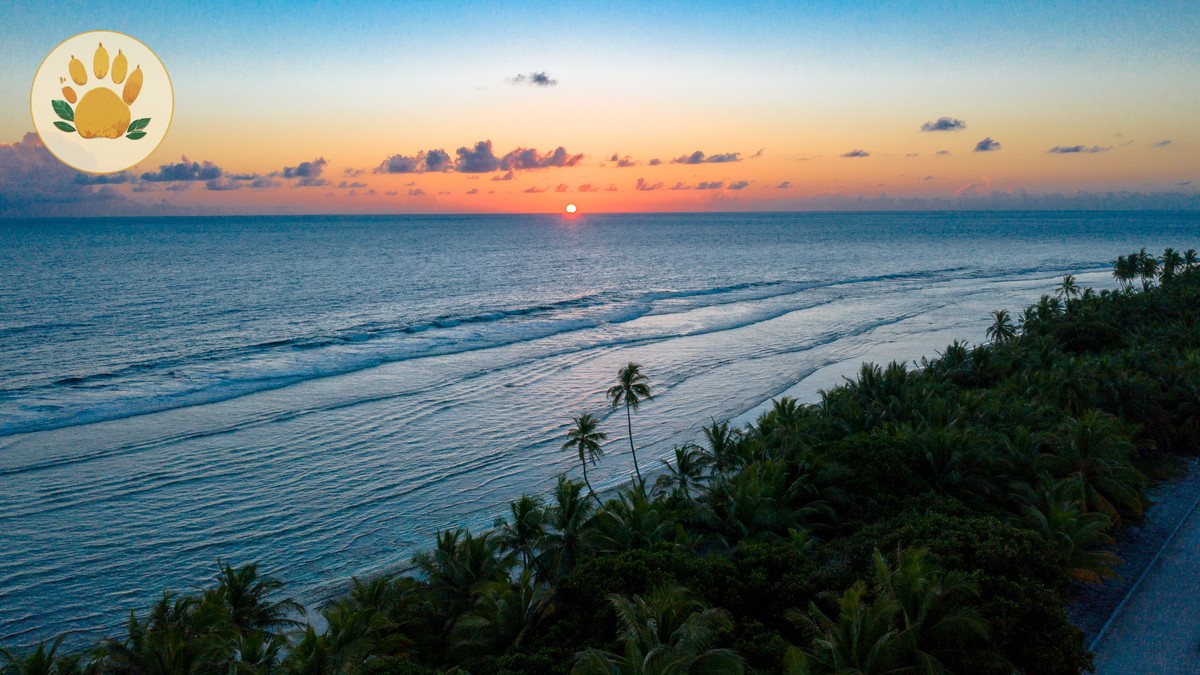
The main water hazard is a fast outgoing current near a reef channel as the tide falls, so do not swim toward gaps in the reef or attempt to reach the reef from shore. Wear reef shoes on exposed flats, avoid stepping on coral or urchins, and treat jellyfish as an occasional rather than constant concern.
This is where most swimmers make mistakes. The real hazard is not a shark. It is water draining through a channel in the reef. When the tide begins to fall, water moves from the lagoon toward the open sea. A swimmer near that fast current can be pulled outside the calm zone.
Do not swim toward the reef. If you feel a current, swim parallel to shore and raise your arm for help. For everyday protection, pack one bag of basics:
- Reef shoes for every low-tide walk.
- A rash guard or light shirt for sun and possible jellyfish stings.
- Waterproof sunscreen that does not wash straight into the lagoon.
- A small first-aid kit for coral scrapes and urchin spines.
5. Pick the Right Months and Build in Flexibility
The most dependable swimming months are January, February, June, July, August, September, October, and December. The long rains from late March through May can bring heavier rain, rougher seas, and seasonal seaweed. Even in the dry seasons, tide timing matters more than the calendar for choosing a swimming hour.
December to February is warm and mostly dry. June to August is cooler, but the reef still protects the lagoon. If you are combining a Diani holiday with a land safari, think about the whole route. Read how Kenya travel plans handle rain before you lock dates. A flexible day order helps when roads or park tracks turn muddy.
Families should also check lodge rules before adding a safari. Some lodges set minimum child ages. The Kenya safari family lodge age policies page gives a practical starting point for that conversation.
If you want help arranging both beach time and wildlife time, SafariPure often builds mixed coast and safari trips. Ask for a day order that keeps your high-tide windows free.
6. Apply Standard Beach Security
Use the same basic precautions as at any busy beach: swim near your accommodation, leave valuables in a hotel safe, avoid isolated beach walks after dark, and use registered transport. Beach vendors may be persistent, so keep interactions polite and brief. Never leave a phone, wallet, or camera unattended while swimming.
A few simple habits make a beach day calmer:
- Keep room keys and phones in a waterproof pouch or hotel safe.
- Carry only small cash for beachside purchases.
- Dress children in bright swim shirts or hats so you can spot them quickly.
- Ask the hotel beach team about the day’s conditions before the first swim.
Diani Beach is relaxed, but it is still a public beach. The same street sense you use at home applies here.
Your Next Step: Lock the High-Tide Window
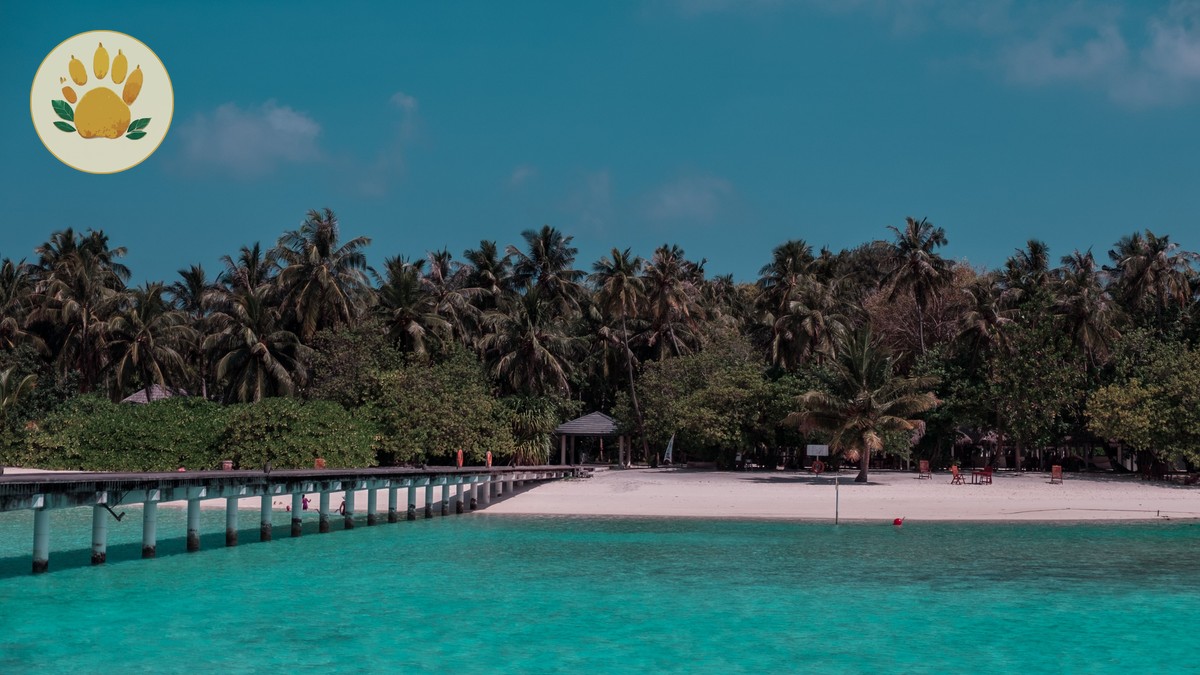
Start with the day of your first swim. Open a tide table for Ukunda and circle the two hours around high tide. Use that window as your beach morning. Build the rest of the day around it, not the other way around.
If you would rather not piece together flights, transfers, beach lodges, and safari parks alone, contact SafariPure. Tell the team your travel dates and whether children are in your group. The most useful first step is simply picking the right high-tide morning.