A Kenya safari for Bengali speakers starts with one honest fact: native Bengali-speaking driver-guides are uncommon in Kenya. The usual workaround is a licensed English-speaking Kenyan guide plus a dedicated Bengali interpreter. It costs more than a standard group safari and takes one extra seat in the vehicle. In return, you hear every lion sighting, every lodge instruction, and every food question answered in your own language.
SafariPure arranges private itineraries with this interpreter setup as a standard planning option. That is why the 7-day plan below separates language support from the core land costs.
Kenya Safari for Bengali Speakers: How Interpreter Support Works
Native Bengali-speaking driver-guides are uncommon in Kenya. The dependable setup is a licensed English-speaking Kenyan driver-guide traveling with a dedicated Bengali interpreter. This interpreter translates wildlife commentary and helps with lodge check-ins, menus, shopping, and emergencies.
Your interpreter normally stays in the same safari vehicle during game drives. That gives you real-time translation, but it also means one fewer seat for other travelers. A private vehicle solves this. A group seat does not. Confirm the interpreter’s name, fluency, responsibilities, accommodation, meals, transport, and daily fee in writing before you pay.
If part of your group also reads Hindi, our Kenya safari planning for Hindi speakers guide may make comparison easier.
Kenya Safari for Bengali Speakers: Cost From Bangladesh in USD and BDT
A realistic seven-night, land-only Kenya safari costs about USD 1,800 to 2,500 per person for budget travel, USD 3,200 to 4,800 for mid-range travel, and USD 6,500 to 10,000 or more for luxury. These ranges cover accommodation, private transport, park entry, and most meals. They do not cover flights, the Kenya eTA, gratuities, travel insurance, or your interpreter.
Add roughly USD 50 to 100 per day for a dedicated Bengali interpreter. Gaps in that rate usually come from season, interpreter experience, and whether transport and meals are included.
For a rough Kenya safari cost in BDT, use the exchange rate on the day. At an indicative rate of BDT 115 to 125 per USD, the budget range is about BDT 2.1 lakh to 3.1 lakh per person. A SafariPure quote can show the BDT estimate at the current bank rate.
Masai Mara and Amboseli Itinerary in 7 Nights
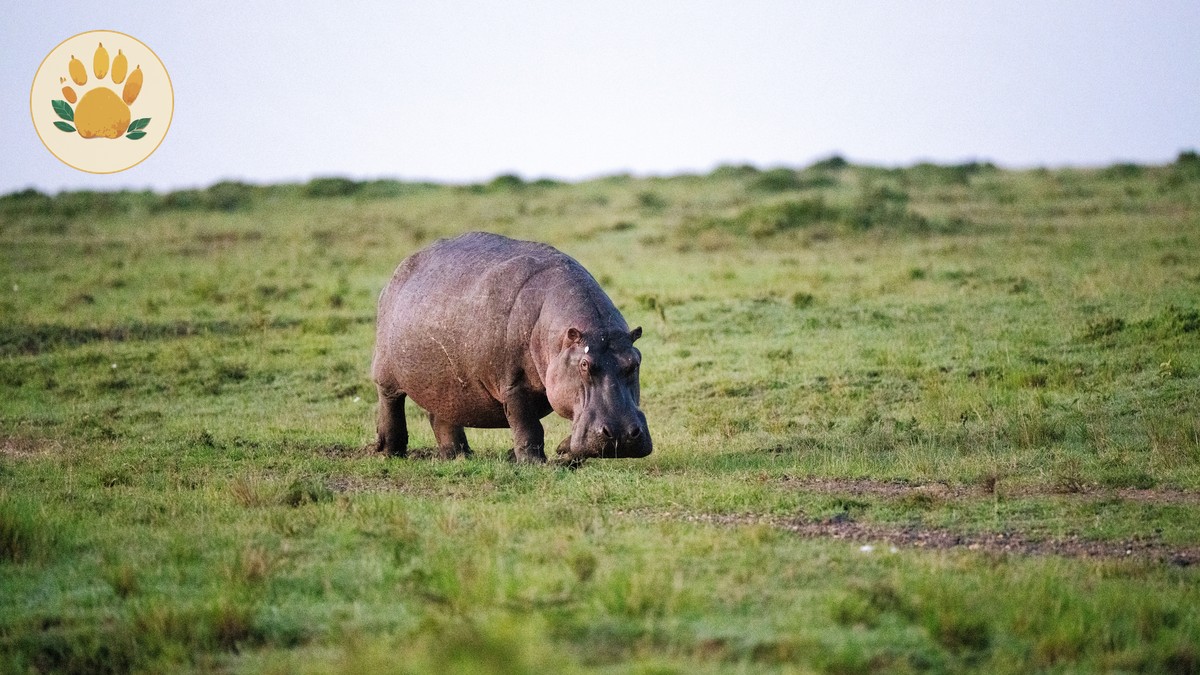
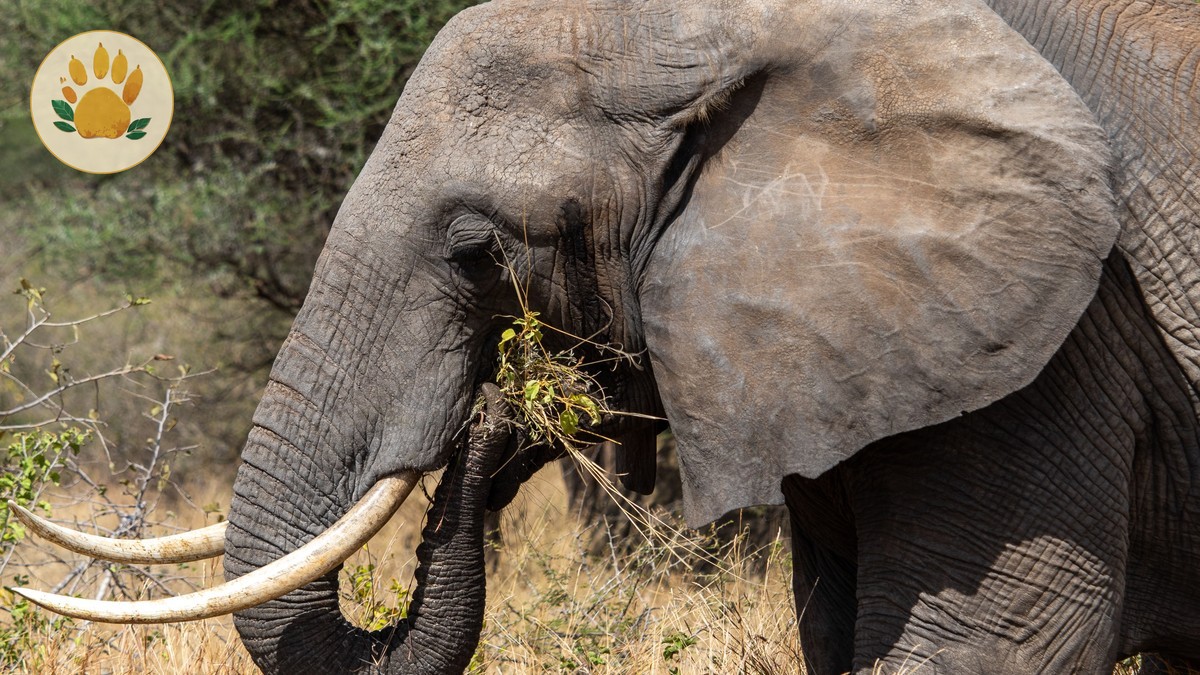
A balanced first safari uses one night in Nairobi, three nights in the Masai Mara, one night near Lake Nakuru, and two nights in Amboseli. The Mara gives you big cats and migration landscapes. Lake Nakuru adds rhinos and sometimes flamingos. Amboseli offers large elephant herds and Mount Kilimanjaro views.
| Stop | Nights | Drive from Nairobi | Non-resident entry fee per adult |
|---|---|---|---|
| Masai Mara National Reserve | 3 | about 270 km, 5 to 6 hours via Narok | USD 100 Jan to Jun; USD 200 Jul to Dec |
| Lake Nakuru National Park | 1 | about 160 km, 2.5 to 3 hours | USD 90 |
| Amboseli National Park | 2 | about 240 km, 4 to 5 hours | USD 90 |
The Mara is run by Narok County Government, not KWS. That is why its entrance fee moves with peak season. Lake Nakuru and Amboseli are KWS parks, and their fees are fixed at USD 90 per adult per day.
Dhaka to Nairobi Flight and Kenya eTA for Bangladeshi Citizens
Bangladeshi travelers generally need Kenya’s electronic travel authorization before departure. They also need a passport valid for at least six months and proof of onward travel and accommodation. Apply at least two weeks early, even when normal processing is faster.
There is usually no nonstop Dhaka to Nairobi service. Practical one-stop routes commonly connect through Doha, Dubai, Mumbai, or Addis Ababa. Total journey time is often 10 to 14 hours plus the layover.
Best Time to Visit Kenya From Bangladesh and Practical Preparation
Choose January to February or October for a strong balance of dry weather, wildlife visibility, moderate crowds, and better pricing. Visit July to September for the greatest migration atmosphere in the Masai Mara, but expect higher rates. The Mara entrance fee alone rises from USD 100 to USD 200 in that period. June and November can give you greener scenery and lower prices. April to May often brings heavier rain and some camp closures.
If shoulder-season travel appeals to you, our Kenya safari in November guide covers birding possibilities and quieter camps.
For food and health, request halal or vegetarian meals from each camp before arrival and carry written confirmation. If halal-certified kitchens matter across your whole trip, the halal Kenya safari planning guide explains that in detail.
Pack a yellow fever certificate when your route requires one. Ask a travel clinician about malaria prevention. Use bottled or treated water. Buy travel insurance with medical evacuation. Neutral clothing, sun protection, layers, and a reliable WhatsApp number cover the daily essentials.
The real question after the budget is not whether you can afford this safari. It is how much you want to understand on the first morning in the Mara. A dedicated interpreter changes the texture of every game drive. You hear the guide’s story about a lion pride. You can question the camp chef about ingredients. You feel sure when the vehicle stops.
That level of clarity is worth planning around. Start with SafariPure’s planning page when you are ready to compare interpreter options and camp availability.