Tsavo sits close to the Kenyan coast, which makes it the first safari many beach visitors see. This tsavo coast safari itinerary covers two practical routes: a two-day Tsavo East trip and a three-day East-and-West circuit. Both start from Mombasa or Diani and return to the beach. The plan below uses real gates, real camps, and current park fees. It also keeps the driving honest, because a short safari should not be spent in the car.
How Many Days Does a Tsavo Coast Safari Itinerary Need?
Plan two full days for Tsavo East if time is limited, or three days for a worthwhile East-and-West circuit. A two-day trip keeps transfers manageable and maximizes game-drive time in one park. Three days adds Tsavo West, Mzima Springs, volcanic scenery, and a cross-park transfer, but leaves less time for repeated wildlife loops.
Most coast visitors begin in Mombasa, Diani, or Watamu. Tsavo East is the closest of the two parks and easier to reach on a short break. Tsavo West has more varied landscape, but the longer transfer eats into the middle day. Four days is comfortable if you want slow breakfasts and longer afternoon rests. For most people, two or three days is the right answer. The key trade-off is variety against drive time. Start with what you value more, then choose the route.
3-Day Tsavo East and Tsavo West Itinerary from the Coast
Spend day one travelling from Mombasa or Diani to Tsavo East for an afternoon game drive and overnight near Voi. Use day two for an early East drive, the transfer to Tsavo West, and Mzima Springs before sleeping in West. Finish day three with a morning drive, then return to the coast.
Day 1
Leave your coast hotel after breakfast. Drive toward Tsavo East. Enter through Bachuma Gate or Manyani Gate if that is the route your operator uses. Arrive near Voi in time for a late afternoon game drive. Aruba Dam is a strong first stop because animals gather there as the heat eases. Sleep at a camp or lodge near Voi or the Aruba sector.
Day 2
Take an early drive in Tsavo East. Look for elephants, buffalo, and birds along the Galana River. After a late breakfast, transfer west toward Tsavo West. The crossing from the Voi sector to Mzima Springs can take roughly 1.5 to 2.5 hours depending on gates and road conditions. Spend the afternoon at Mzima Springs, where hippos and crocodiles are easy to see from the viewing platform. Sleep at a lodge near Mzima or the Ngulia area.
Day 3
Leave early for a morning drive in Tsavo West. The Ngulia escarpment and waterholes are good places to linger. After brunch, start the return drive to Mombasa or Diani. Plan for a late afternoon arrival. A shared or private vehicle brings you back to your beach hotel.
2-Day Tsavo East Itinerary from Mombasa or Diani
Leave the coast early on day one, enter Tsavo East around midday, and take an afternoon drive before staying near Voi or an eastern gate. Start day two with a sunrise drive, then return to Mombasa or Diani after breakfast or lunch. This is the most efficient option for limited beach-holiday time.
Day 1
Start before 7 a.m. if you are coming from Diani, because the Likoni ferry crossing adds time. From Mombasa, the drive can be shorter. Enter Tsavo East through Bachuma Gate or Manyani Gate. Check in at your lodge or camp after lunch, then take an afternoon game drive toward Aruba Dam or Mudanda Rock. Stay near Voi or the eastern sector.
Day 2
Wake before sunrise. Your guide will scan roads and waterholes while the light is soft. After a packed breakfast in the bush, decide whether to add one more loop or begin the drive back to the coast. Many travelers stop for lunch at the lodge before returning. Aim to be back at your beach hotel by midafternoon if road conditions are normal.
This route keeps the focus on one park. That is its strength. You spend more hours watching elephants and less time changing hotels.
Tsavo East versus Tsavo West: Which Park Should You Visit?
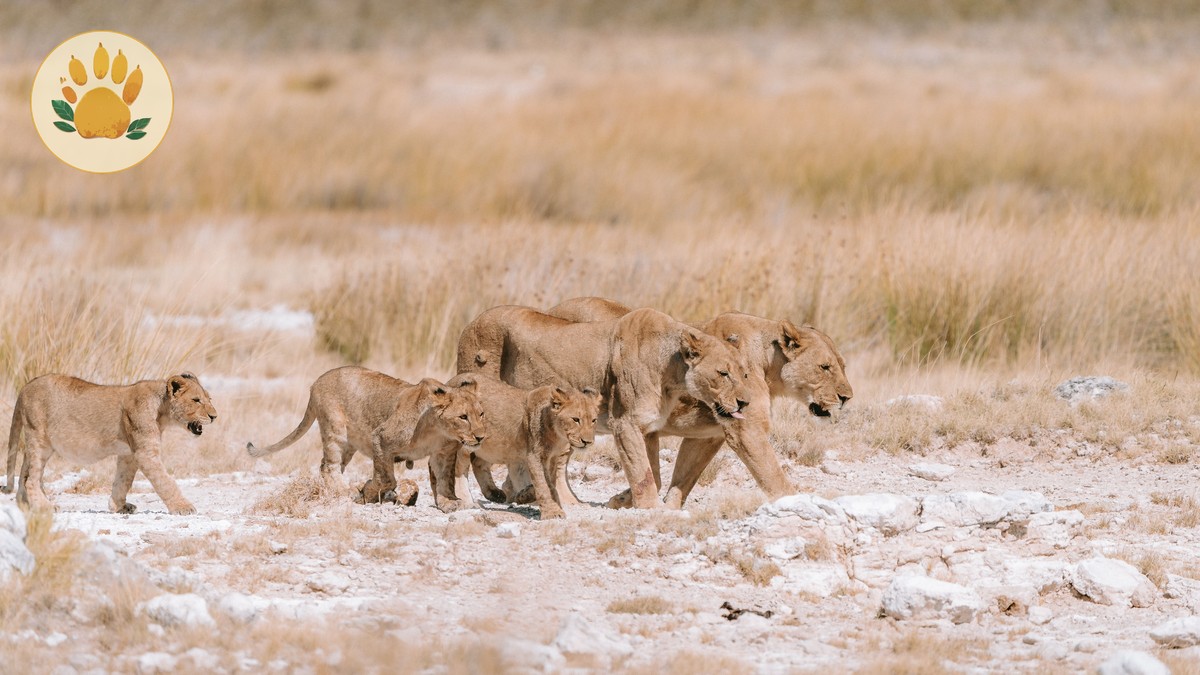
Choose Tsavo East for a shorter coast safari focused on open plains, elephants, Aruba Dam, Mudanda Rock, and the Galana River. Choose Tsavo West when you can spare three days and want Mzima Springs, lava landscapes, rhino-area drives, and more varied scenery. Combining both is richer, but the transfer reduces available game-drive time.
| Park section | Indicative distance from Mombasa | Indicative road time | Park fee | Best known for | Example stay near the gate |
|---|---|---|---|---|---|
| Tsavo East via Bachuma Gate | 150 to 170 km | 2.5 to 3.5 hours | USD 80 per adult per day | Aruba Dam, Mudanda Rock, red elephants, Galana River | Ashnil Aruba Lodge, Voi Safari Lodge |
| Tsavo West via Mtito Andei Gate | 240 to 270 km | 5 to 5.5 hours | USD 80 per adult per day | Mzima Springs, Ngulia, lava flows, rhino-area drives | Kilaguni Serena Safari Lodge, Ngulia Safari Lodge |
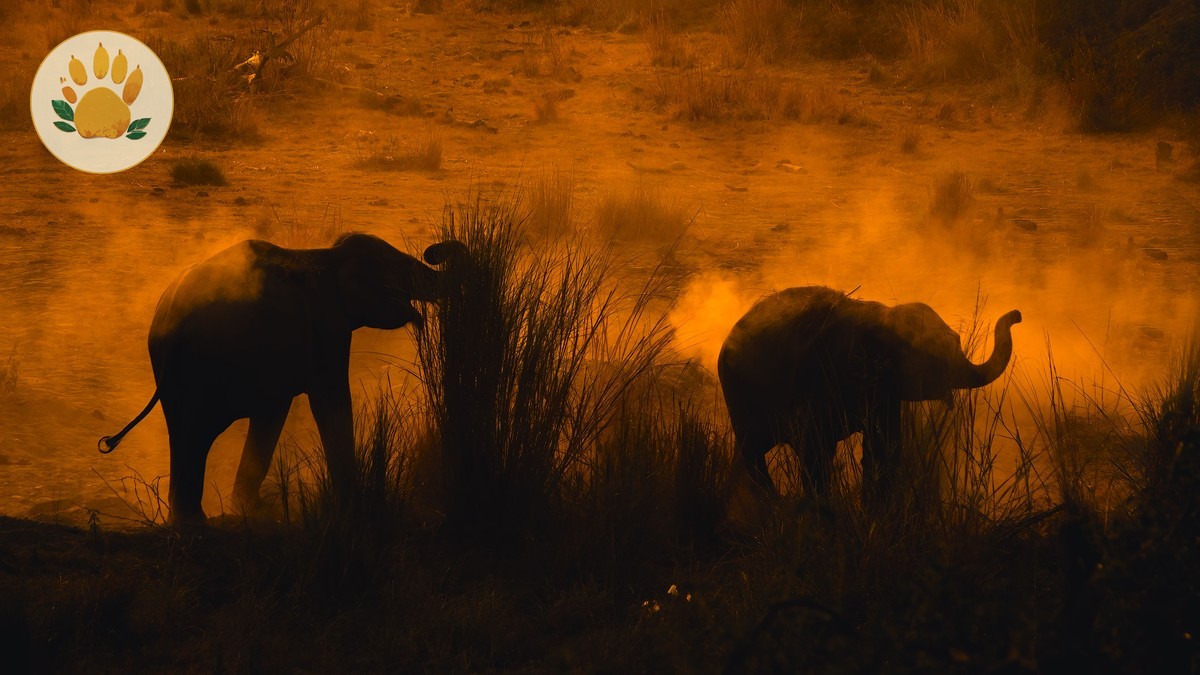
Tsavo East is flat and open. You can see far, and the red-dust elephants are famous. Aruba Dam and Mudanda Rock create reliable wildlife viewing. Tsavo West feels different. It has volcanic hills, dense bush, and Mzima Springs. Game is often seen in smaller numbers, but the scenery stays with you. If you have two days, choose Tsavo East. If you have three, combine both.
Transport, Park Gates, Drive Times, and Accommodation
Private road transfers are the simplest choice from Mombasa or Diani. The exact duration depends on your coast base, ferry traffic, gate, and road conditions. Common logistics use eastern Tsavo gates near Voi or Bachuma, then cross toward Tsavo West. Stay near the next morning’s gate to avoid sacrificing sunrise-drive time.
The route is simple. From Mombasa or Diani you drive northwest on the main Mombasa-Nairobi highway. Tsavo East gates sit near the highway. The Voi sector and Manyani Gate are common entry points. To reach Tsavo West, you continue farther west toward Mtito Andei, or cross the park from Manyani toward Mzima Springs. Diani travelers must cross the Likoni ferry. That can add 30 to 60 minutes on busy days, so plan an early pickup.
At the end of each day, sleep near the gate you will use next. In Tsavo East, that means a lodge in the Voi sector or near Aruba Dam. In Tsavo West, choose Mzima or Ngulia. Lodges far from your next drive cost you morning wildlife time. Dust is part of the experience, so pack for how dusty Kenya safari roads can be. Keep cameras in a dry bag and wear neutral colors.
Best Wildlife Areas and Activities by Day
Anchor Tsavo East drives around Aruba Dam for water-dependent wildlife, Mudanda Rock for elevated views and elephants, and the Galana River or Lugard Falls for scenery. In Tsavo West, prioritize Mzima Springs, the Ngulia area, lava-flow viewpoints, and waterholes. Schedule game drives at first light and late afternoon, leaving midday for lunch and rest.
In Tsavo East, Aruba Dam is the best anchor for a short stay. Water brings elephants, buffalo, and waterbuck, especially in the dry season. Mudanda Rock offers a high walking area above a long waterhole. The Galana River and Lugard Falls give you scenery and a place to stretch. In Tsavo West, Mzima Springs is the essential stop. The clear water draws hippos, crocodiles, and many birds. Ngulia is the main rhino-viewing slope, although rhino sightings are never guaranteed. Lava flows and the Chyulu Hills skyline make this section worth the transfer.
Midday is for lunch, rest, and pool time. If you are adding a coast safari to a wider Kenya trip, remember that mornings at higher parks can be cold. Kenya’s coldest safari parks are a different story, but a light layer helps in Tsavo’s early hours too.
Safari Costs and What the Itinerary Includes
A useful planning budget should separate transport, park fees, accommodation, meals, guide service, and optional activities rather than show one unexplained package total. Quote shared and private rates separately, identify whether coast pickup and drop-off are included, and show the accommodation level. The extra Tsavo West night generally raises cost but adds landscape variety, not simply more game-drive hours.
For a Tsavo coast safari, start with the park fee. Tsavo East and Tsavo West are Kenya Wildlife Service parks. The non-resident adult entrance fee is USD 80 per day per park. This rate has been in effect since October 2025. It covers one day in that park. It does not cover transport, guide, accommodation, meals, or tips.
Transport and guiding are usually bundled by the tour company. For a private vehicle, guide, and driver, an indicative range is USD 120 to 200 per person per day on a 2-day trip. Shared group safaris are cheaper, roughly USD 70 to 120 per person per day. These numbers include the vehicle and guide but not park fees or lodging.
Lodges and camps vary widely. Basic lodges may start around USD 120 per person per night. Mid-range camps often run USD 200 to 350 per person per night. Full-board rates usually include breakfast, lunch, and dinner. Book two nights for the 3-day route and one night for the 2-day route.
A three-day trip costs more than a two-day trip, mainly because of the extra lodge night and longer transfer. The reward is landscape variety, not more game-drive hours. If you are traveling with family or friends, compare the per-person total. For group pricing, see our Kenya group safari cost breakdown.
Frequently Asked Questions
Can you do Tsavo from the coast?
Yes. Tsavo is commonly visited from Mombasa, Diani, and other Kenyan coast bases by road. Tsavo East is the practical choice for a two-day trip, while a three-day route can combine Tsavo East and Tsavo West.
Is Tsavo East or Tsavo West better?
Tsavo East is usually better for a short safari because it offers broad plains, red-dust elephants, and efficient access from the coast. Tsavo West is better for varied scenery, Mzima Springs, lava formations, and a more enclosed landscape, but it requires more transfer time.
How long does it take to drive from Mombasa to Tsavo?
The drive depends on the park section, gate, traffic, and the starting point. A coast-to-Tsavo-West transfer may take about five to five and a half hours, while Tsavo East access can be quicker. From Diani, the Likoni crossing adds time.
Can you do a 2 day safari from Diani to Tsavo East?
Yes. The usual plan is an early Diani pickup, an afternoon game drive in Tsavo East, and an overnight near the park. The next morning brings a sunrise drive before you return to Diani. It is feasible, but the first and last days are dominated by road travel.
Where should I stay in Tsavo East and Tsavo West?
In Tsavo East, choose a lodge or camp near the gate or wildlife area planned for the next drive, such as the Voi-side sector. In Tsavo West, choose a property near Mzima Springs, the Ngulia area, or the preferred exit route. Location usually matters more than adding a luxury room far from the morning’s gate.
The SafariPure Difference
Good safaris are built around light, water, and road time. The SafariPure difference is that we plan the schedule before we book the beds. Your guide knows the gate, the drive time, and the wildlife patterns. We place lodges near the next morning’s drive. We include park fees and transfers in the quote as separate lines. We also leave space for slow moments, because Tsavo rewards patience more than speed.
If you are new to safari, you get clear answers about distances, costs, and what to pack. If you have done safaris before, you get a route that respects your time. That is how a short coast trip can feel unhurried.
Plan Your Tsavo Coast Safari with SafariPure
Tsavo is close, practical, and full of character. A two-day East-only trip or a three-day East-and-West circuit can fit neatly into a beach holiday. Tell SafariPure where you are staying, how many nights you can spare, and whether you prefer a private vehicle or a shared group. We can arrange the transfers, park tickets, lodges, and guide with one clear quote. Start planning on our contact page.