Many first-time safari travelers see a conservancy fee on a lodge invoice and wonder what it means. This post gives you the straight answer. It explains what Kenya safari private conservancy benefits actually pay for, with current fees and honest comparisons. If you are still choosing between areas, start with our Masai Mara private conservancy guide.
Kenya Safari Private Conservancy Benefits: What a Private Conservancy Is
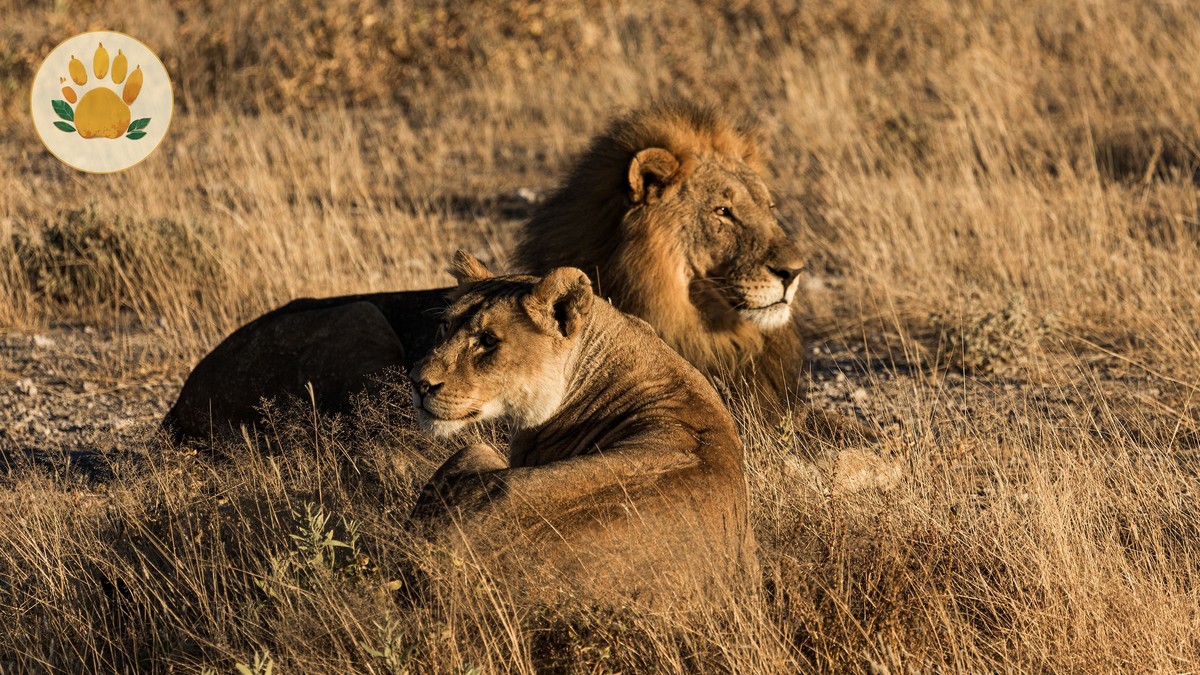
A private conservancy is Maasai-owned or community-owned land next to the Masai Mara National Reserve. Families lease their land to safari operators. Camps and small lodges sit on that land. The animals do not know the boundary. Lions, elephants and wildebeest cross freely between the reserve and conservancies.
The fee you pay is not a park gate fee. It is a land access and management fee. The main Mara conservancies are Mara North Conservancy, Naboisho Conservancy and Olare Motorogi Conservancy.
What the Extra Fee Actually Buys
The common fee range in Mara North, Naboisho and Olare Motorogi is USD 80 to 150 per adult per night. It usually appears as a line item on the lodge invoice. Some camps bundle it into the full-board rate. Always ask for the exact fee before you book.
This is what the fee can buy in practice.
- Fewer vehicles. Private conservancies cap the number of camps and vehicles. Most use a maximum of about five vehicles at one sighting.
- Off-road access. In the Masai Mara National Reserve, driving is largely limited to tracks. In a conservancy, a trained guide can drive off-road to position the vehicle better, using approved low-impact routes.
- Night drives. National parks and reserves close to the public after dark. Private conservancies allow guided night drives with a filtered spotlight.
- Walking safaris. You can leave the vehicle with an armed ranger and a guide. This is usually not permitted inside the national reserve.
- Landowner income. Much of the fee pays lease income to Maasai families, plus ranger salaries and conservation programs.
Does a conservancy stay guarantee a private vehicle? No. Most camps include shared game drives with a maximum of six guests per vehicle. Low vehicle numbers across the conservancy still help. But the vehicle itself is not always private. If you want your own vehicle, ask for the daily private vehicle rate. Current indicative rates in Mara North and Naboisho often run USD 300 to 500 per vehicle per day, depending on camp and season.
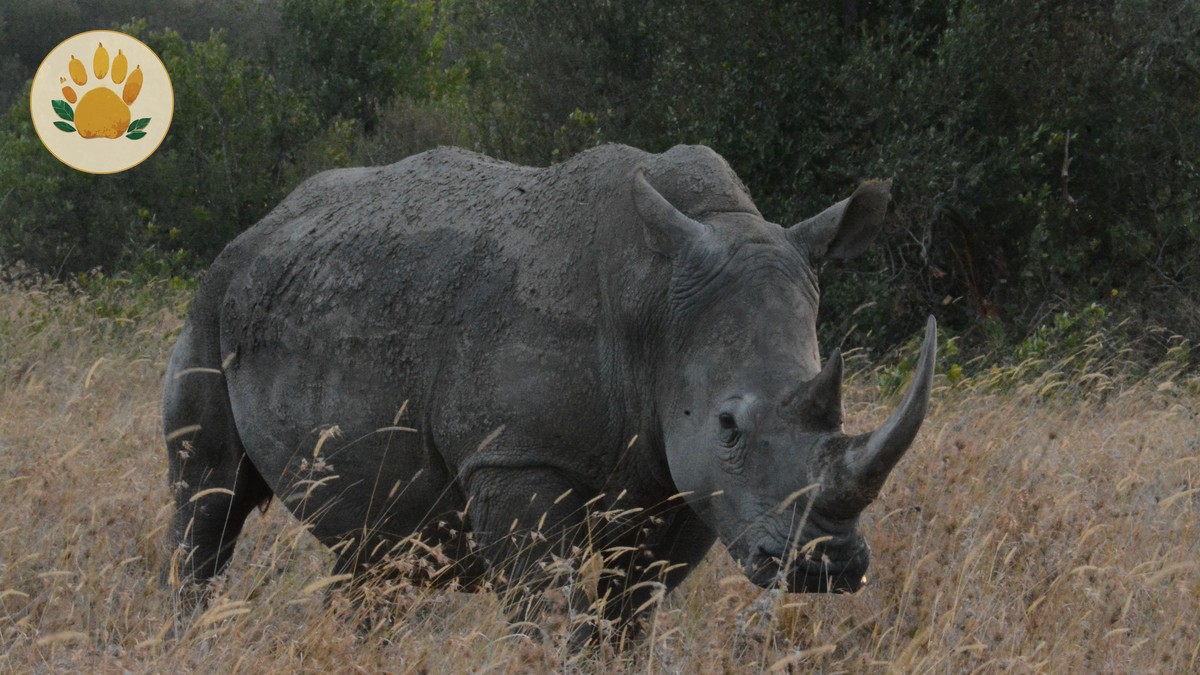
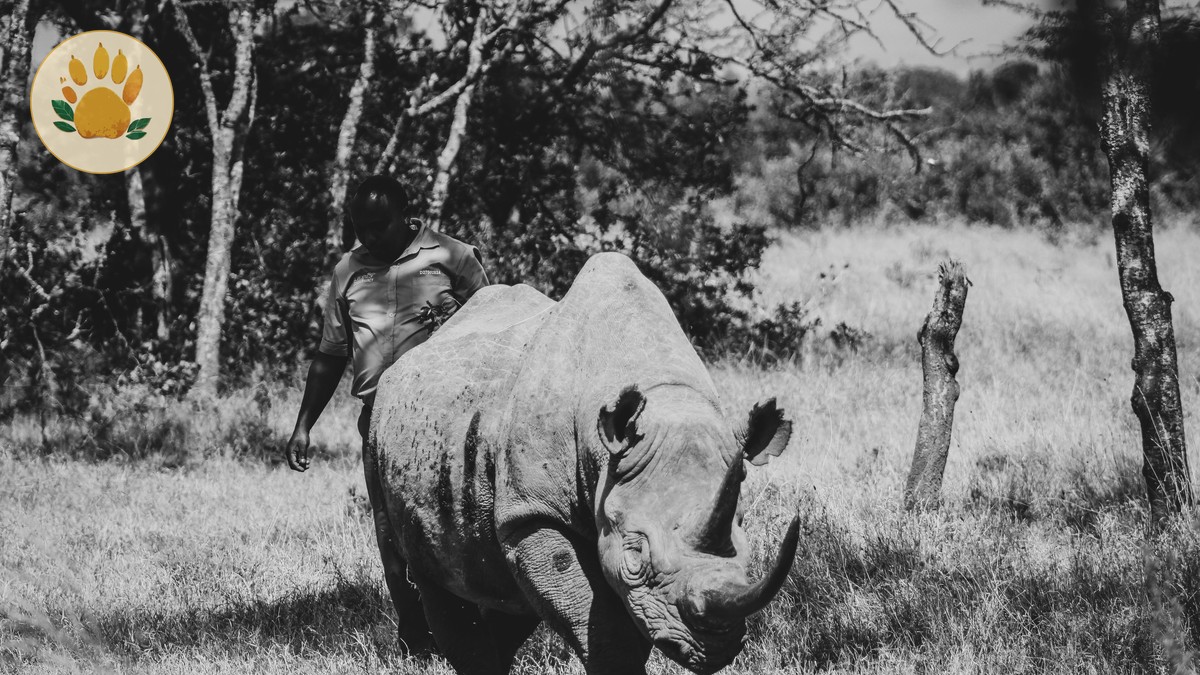
Will you see the Big Five? Not guaranteed. The Mara conservancies are strong for lion, leopard, cheetah, elephant and buffalo. Rhino are rare in the Mara ecosystem. For rhino, places like Ol Pejeta Conservancy near Nanyuki or Nairobi National Park are better. Do not choose a Mara conservancy solely for rhino.
Private Conservancies Versus the Masai Mara National Reserve
The Masai Mara National Reserve is administered by Narok County Government, not Kenya Wildlife Service. That matters when you compare fees.
| Item | Masai Mara National Reserve | Private conservancies (Mara North, Naboisho, Olare Motorogi) |
|---|---|---|
| Non-resident adult fee | USD 100 per day January to June, USD 200 per day July to December | USD 80 to 150 per adult per night, often bundled into lodge rate |
| Off-road driving | Largely restricted to tracks | Allowed with guide on approved low-impact routes |
| Night drives | Not permitted | Permitted |
| Guided walking safaris | Not permitted | Permitted with armed ranger |
| Vehicle limit at sightings | Not capped | Usually five vehicles or fewer |
| Fee supports | Narok County reserve operations | Maasai landowner leases, rangers, community programs |
Access, Distances and Practical Numbers
By road, Nairobi to the Mara conservancies is about 250 km. The drive usually takes five to six hours, depending on Narok traffic and road conditions. By air, Wilson Airport to the Mara North, Naboisho or Olare Motorogi airstrips usually takes 45 to 60 minutes.
| Route | Distance or time |
|---|---|
| Nairobi Wilson Airport to Masai Mara by scheduled flight | 45 to 60 minutes |
| Nairobi to Masai Mara conservancies by road | About 250 km, five to six hours |
| Conservancy camp to nearest reserve gate | Usually 20 to 60 minutes, depending on camp and gate |
Named Conservancies Compared
| Conservancy | Typical conservancy fee per adult per night | Best for | Notes |
|---|---|---|---|
| Mara North Conservancy | USD 80 to 150 | First safari with strong lion and leopard viewing | Borders the reserve near Musiara, good mix of big cats |
| Naboisho Conservancy | USD 80 to 150 | Quieter game drives, walking and night drives | Fewer camps, good cheetah sightings |
| Olare Motorogi Conservancy | USD 80 to 150 | Low vehicle density and big cats | Known for lions close to camp areas |
How Conservancies Support Local Communities
A large share of your fee is a land lease payment. It goes directly to Maasai families who have title or ownership rights. This gives them a reason to protect wildlife instead of converting land.
Conservancy tourism also funds anti-poaching rangers. It pays for cattle grazing plans, school bursaries and small health clinics near camps. You can ask a lodge manager how much of the fee goes to local landowners. Good camps will answer directly.
Are Conservancy Fees Separate From Lodge Prices?
Sometimes yes, sometimes no. Many camps quote a full-board rate that includes the conservancy fee. Some quote a room rate and add the fee as a separate line item. Always ask for the total per person per night with fees included.
The Masai Mara National Reserve entry fee is almost always separate. You pay it per day if you drive into the reserve. If a conservancy package says conservancy fees included, confirm whether it also includes national reserve entry. Before you pay, read about using credit cards on a Kenya safari.
Cost Reality Check: When the Premium Is Worth It
The higher cost is mostly the accommodation and the low guest density. The conservancy fee itself is moderate, at USD 80 to 150 per night. The real premium comes from small camps with high staff-to-guest ratios, plus the conservation fee.
Here is a rough example for two adults staying three nights.
| Scenario, two adults, three nights | Conservancy route | National reserve route |
|---|---|---|
| Access fees | USD 600 total at USD 100 per adult per night | USD 1,200 total if 3 days inside at USD 200 per adult per day in peak season |
| Camp or lodge rate | Current indicative full-board rates often USD 500 to 1,200 per adult per night | Current indicative full-board rates often USD 400 to 1,000 per adult per night |
| Extras included | Night drive, walking, off-road | Usually no night drive or walking |
The exact numbers shift by season and camp. But the pattern is clear. In peak season, the reserve entry fee can be the single largest fee. In green season, the gap narrows. The reserve fee drops to USD 100 per adult per day.
Potential Drawbacks and When the Reserve Is the Better Choice
Conservancy fees add cost. Wildlife is mobile. A quiet conservancy can still have a slow game drive. The reserve covers a larger area and holds the main river crossing points during the migration.
If seeing a Mara River crossing is your only goal between July and September, a camp inside the reserve puts you closer to the action. Conservancy camps can still book a day trip into the reserve. But you pay the reserve entry fee on top.
For a two-night weekend on a lower budget, a conservancy may stretch funds too far. In green season, the reserve fee is lower. At that point the conservancy fee plus higher room rates may not feel worth it.
Is a Private Conservancy Right for Your First Safari?
For many first-time travelers, the answer is yes if the budget allows. You see the same big cats and plains game, with fewer trucks and more ways to view wildlife. Private conservancies often suit families because camps can adjust game drive times. Some walking and night activities have a minimum age, commonly 12 or 16. Ask before booking if you have younger children.
Off-road positioning helps photographers avoid shooting into the sun. It also helps remove other vehicles from the frame. Night drives use red-filtered spotlights to protect animal eyes. They are better for observing than for photography.
If you are deciding how many days to spend, combine both. Deciding how many days to spend in the Masai Mara can help you split the trip. A common plan is two nights inside the reserve for migration crossings and two nights in a conservancy for quiet off-road access. This gives you the full picture. A conservancy-only stay still shows you the Mara ecosystem. You do not need to enter the reserve every day.
The SafariPure Difference
SafariPure treats the conservancy fee as a planning tool, not a mystery charge. We show you the fee line before you book. We match camps to your dates and budget. We tell you when the premium is not justified. If a national reserve lodge is the better choice, we say so.
Plan Your Kenya Conservancy Safari
Tell us your dates, budget and wildlife priorities. We will show you the total cost with conservancy fees and reserve entry separated. Browse our Kenya safari tours or reach out through the SafariPure contact page.