As of 2026, hippos are the most dangerous animals in Kenya, killing more people yearly than lions, elephants, and leopards combined, often near rivers and lakes at night. Cape buffalo, nicknamed the Black Death, can charge at 56 km/h (35 mph), while lions carry 3.2 cm claws capable of crushing bone. Guides watch for all three near water, campsites, and open bush on every safari.
It is a fair question. The internet is full of lists about dangerous animals in Africa. Most mix facts from Tanzania, South Africa, and Kenya into one pile.
This guide covers the most dangerous animals Kenya safari travelers actually meet. It focuses only on Kenya, the parks we drive through every week, and the real risks you will face.
The Most Dangerous Animals Kenya Safari Travelers Actually Fear
The animal tourists worry about most is the lion. The animals that actually cause problems are hippos and Cape buffalo.
They live near water and campsites, blend into the bush, and are not afraid of people.
Every year in Africa, hippos kill more humans than lions, elephants, and leopards combined, often near rivers and lakes at night.
We cover all the iconic animals below. But respect the ones grazing near your tent as much as the ones on a game drive.
Cape Buffalo: The Black Death
The Cape buffalo has one nickname in Kenya: Black Death. It earns that name.
Buffalo look calm, chewing grass while they ignore your vehicle. This calm is a trap. A threatened buffalo charges without warning, running at 56 km/h (35 mph) and using its horns to flip and gore.
Most attacks happen on foot, targeting hunters and villagers. But buffalo have charged safari cars in the Masai Mara and Amboseli when a calf was nearby.
Where you will see them: Masai Mara, Amboseli, and Tsavo East.
What we do about it: Guides keep a safe distance and watch for a nervous herd: raised heads, stomping hooves, snorting. We move away at the first sign and never drive between a mother and her calf.
Hippopotamus: Africa’s Biggest Human-Killer
The hippo is the most dangerous large mammal in Africa, killing more people each year than any other animal on this list.
Hippos are territorial, not aggressive for fun. They spend up to 16 hours a day in water, then come out at night to graze on up to 40 kg of grass.
Danger strikes when a human gets between a hippo and its water, or a boat gets too close to a pod. A hippo can bite a canoe in half.
Where you will see them: Mzima Springs, the Mara River, and Lake Naivasha.
What we do about it: We watch hippos from the riverbank, never a small boat, and use ranger escorts after dark. Never walk alone at night in a bush camp.
Lion: The Apex Predator
Lions are the reason most people book a safari. They deserve respect, not just for their beauty, but for their power.
A lion strike from a healthy adult is almost always fatal. They have 3.2 cm (1.25 inch) claws and a bite force that can crush bone.
Lion attacks on tourists in vehicles are extremely rare. The bigger risk is unfenced camps or walking safaris. The Masai Mara ecosystem, including the reserve and its neighboring conservancies, holds one of Kenya’s highest lion densities, with an estimated 800 to 900 lions.
What we do about it: We keep windows closed near lions and never allow anyone to stand or lean out. On walks, guides carry rifles, never approach a lion, and back away while facing it.
For the best spots, check our guide on where to spot lions in Kenya.
African Elephant: Smart, Strong, and Protective
Elephants are the largest land animal. Adults weigh up to 6,600 kg (14,500 lbs) and can push over a car.
Most charges are mock charges that stop short. A real charge is silent and fast. Elephants are most dangerous with calves nearby, and males grow unpredictable during musth, a hormonal state.
Where you will see them: Amboseli National Park has Kenya’s most famous herds, studied for over 50 years. Tsavo East has “red” elephants, dusted with red soil.
What we do about it: Amboseli guides know the families by name and temperament. We stop at a distance, switch off the engine, and back away if an elephant flaps its ears at us.
Nile Crocodile: The Ambush Predator
The Nile crocodile is the largest reptile in Africa. Males can reach 5 meters (16 feet).
They ambush from underwater near riverbanks, grabbing antelope, zebra, and sometimes humans. Attacks on tourists are rare because we do not swim in rivers that hold them.
Where you will see them: The Mara River during the wildebeest migration. Also Mzima Springs in Tsavo West, where an underwater observatory lets you watch them below the surface.
What we do about it: We stay in vehicles near riverbanks and never let anyone dangle hands or feet over a boat or bridge.
Leopard: The Silent Threat
Leopards are the most elusive of the Big Five, and the most dangerous to humans at night in camps.
Unlike lions, leopards climb trees and can enter a tent if they want to. Most attacks happen when people sleep in open tents or walk alone at night.
Where you will see them: The Mara Triangle has a high leopard population, and some lodges there have resident leopards.
What we do about it: We use fenced camps or ranger escorts after dark. We also do a “leopard check” with a torch before you walk to your tent. We have never had a leopard incident in a SafariPure camp.
Black Rhino: Fast and Short-Tempered
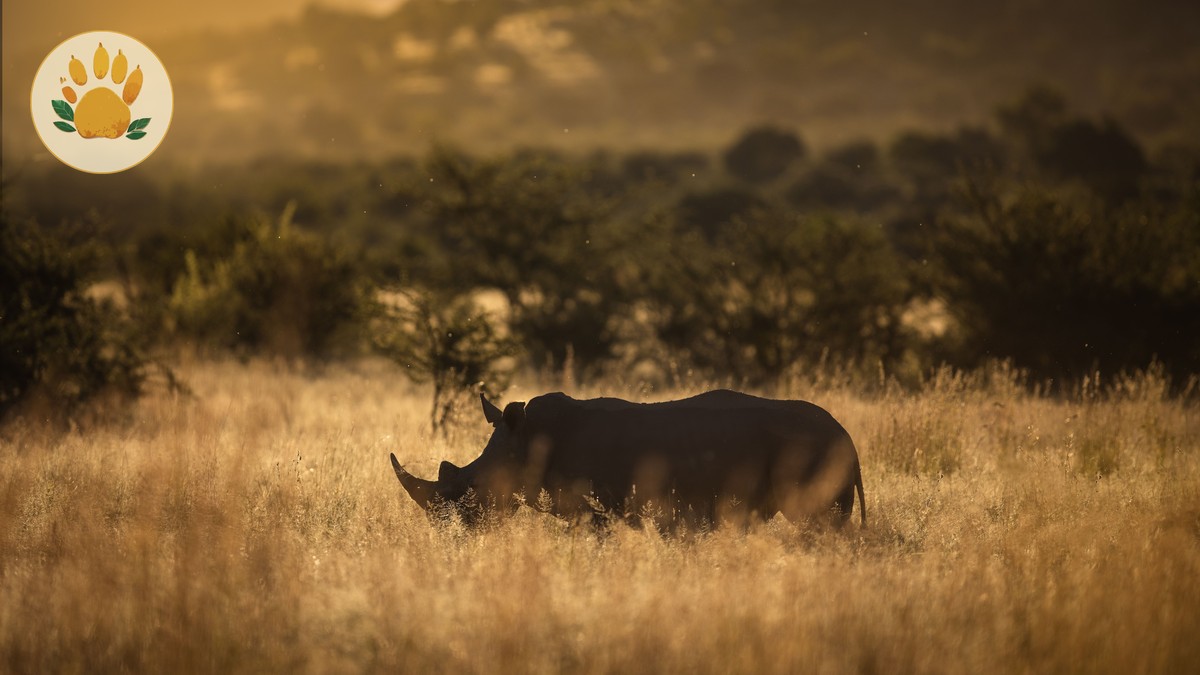
Black rhinos are smaller than elephants, but faster and more aggressive, running at 55 km/h (34 mph) with quick direction changes.
Their eyesight is poor, so they often charge before they realize what you are and can flip a vehicle. Black rhinos remain critically endangered in Kenya, though recent KWS estimates put the population at roughly 1,000 to 1,100 animals and growing.
Where you will see them: Ngulia Rhino Sanctuary in Tsavo West is the most reliable spot. Lewa Conservancy in the north also has a strong population.
What we do about it: We stay silent and still, keep the engine running, and stay at least 100 meters (330 feet) away on foot.
Venomous Snakes: The Hidden Danger
Kenya has several venomous snakes. The most dangerous are the black mamba, puff adder, and black-necked spitting cobra.
The black mamba is the fastest snake in the world, reaching 20 km/h (12 mph), with a bite that is fatal without treatment. The puff adder causes more bites because it lies motionless on paths instead of fleeing.
Where you will see them: Anywhere in the bush. Puff adders like sandy paths, and black mambas live in termite mounds and old trees.
What we do about it: We wear closed shoes on walks, carry a snakebite kit, and know the nearest hospital with antivenom. We keep camp grass short and tents zipped.
The Real Deadliest Animal: Mosquitoes
No predator on this list kills as many people in Kenya as the mosquito. It spreads malaria, dengue, and Rift Valley fever, killing more people yearly than every wildlife attack combined.
What we do about it: We provide mosquito nets in all camps, recommend prophylaxis from a travel doctor, and advise long sleeves and repellent after dusk.
Practical Safety Rules for Your Safari
These rules keep you safe. Follow them without exception.
- Never get out of the vehicle without your guide’s okay. This includes in the middle of nowhere.
- No walking alone at night. Any camp, any time. Use the ranger escort.
- Keep windows up when near predators. Leopards can reach through an open window.
- Do not run from an animal. It triggers their chase instinct. Back away slowly.
- Follow the guide’s instructions for bathroom breaks. They choose the spot for a reason.
How Dangerous Are Kenyan Parks Really?
The statistics are reassuring, though exact figures are hard to pin down. Kenya Wildlife Service does not publish a detailed breakdown of tourist deaths from wildlife. Fatalities are rare, likely in the low single digits most years across all parks, an indicative estimate rather than an official figure.
The bigger risks for most travelers are road accidents and mosquito bites.
| Park | Main Danger | Daily Entry Fee (Non-Resident) | Drive from Nairobi | Typical Stay |
|---|---|---|---|---|
| Masai Mara | Hippos, buffalo near river | USD 200 peak / USD 100 low season | 5-6 hours | 2-3 nights |
| Amboseli | Elephants with calves | USD 90 | 4 hours | 1-2 nights |
| Tsavo West | Mzima Springs hippos, black rhino | USD 80 | 4-5 hours | 1-2 nights |
| Tsavo East | Elephant herds, crocs at Galana River | USD 80 | 4-5 hours | 1-2 nights |
| Lake Nakuru | Buffalo, rhino on foot paths | USD 90 | 3 hours from Nairobi | 1 night |
| Naboisho Conservancy | Leopard, buffalo at camp | USD 80-150 (bundled in lodge) | 6-7 hours via Mara | 2+ nights |
Peak season is July through December, low season January through June. Fees above are per adult per day.
What Guides Actually Do to Keep You Safe
You might wonder if these rules are just for show. They are not.
Before any walk, your guide checks wind direction, so animals smell them first. They look for fresh tracks and disturbed grass, and carry a radio and a rifle.
In the car, your guide reads body language: a tail flick on a lion, an ear flap on an elephant, a head shake on a buffalo. They move away before you notice anything.
Every animal in the bush is faster and stronger than any human. Your only advantage is the vehicle and the guide’s early warning.
Which Park Has the Most Dangerous Animals?
The Masai Mara has the highest concentration of predators in Kenya, with lions, leopards, hippos, and crocodiles in one ecosystem. It is also the most visited, meaning more vehicles and more chances for mistakes.
But the “most dangerous” title belongs to Tsavo West. It has elephants, buffalo, black rhino, hippos, and crocodiles, and its animals are less used to vehicles than the Mara’s.
Both parks work well with a good guide. The risk is not the park. It is the choices you make inside it.
The SafariPure Difference
We run small group and private safaris in Kenya year round. Our guides are born and raised in the areas we drive, with thousands of hours in these parks.
We use fenced camps in high-risk areas. In unfenced camps, we provide 24-hour ranger escorts and never let guests walk to their tent alone. We close vehicle windows near predators, carry medical kits, and know the nearest airstrip for evacuations.
You get close enough to feel the wild, but never close enough to touch it. You get the thrill without the danger.
Ready to Plan Your Safari?
You now know the real risks and how we manage them. You are ready to book with confidence.
We would love to help you plan a trip that balances safety, wildlife, and time in the bush around the Mara, Amboseli, Tsavo, or all three.
See our Kenya safari tours for sample itineraries, or contact us with your dates. We will answer your questions and craft a trip that feels right.
More safari planning resources
- Kenya wildlife tours from Trunktrails Safaris
- Map of Tsavo from Valley Safaris
- Big Five safari parks guide on Touring Insights
- Big Five safari collection on FindMySafari
Related guides: Best Age for Kids Safari in Kenya: A Real Answer, Dangerous Animals Safari Safety Guide for Kenya, Safari Wildlife Encounter Safety Rules in Kenya.