Most safari blogs answer the best age for kids safari question with “it depends on your child” and leave you there. That is true, but it is not useful when you are booking flights and choosing a camp. So here is a straight answer: 6 to 12 years old is the sweet spot for a first Kenya safari, and 8 is the age when most camp policies stop being a problem for you.
Below that age, safari is still possible. It just costs more, because you will likely need a private vehicle, and it comes with a malaria-zone decision you should make with eyes open, not by hoping for the best.
Best age for kids safari: a breakdown by age group
Under 3. Physically fine on safari, since babies sleep through most of a game drive. The real issues are malaria prophylaxis (not approved for infants under a certain weight), long flights, and the fact that a two-year-old will not remember any of it. Many parents choose this age for a first trip precisely because the stakes feel lower.
Ages 4 to 7. This is where camp policies start to bite. A 5-year-old can sit still for 45 minutes but not for a 3-hour game drive shared with four other adults who came to spot a leopard in silence. This age group does best with a private vehicle and a flexible, short-drive itinerary.
Ages 8 to 12. The best return on investment. Most camps drop their minimum age restrictions at 8. Kids this age can handle binoculars, ask sharp questions, and sit through a 2 to 3 hour drive without a meltdown. They also remember the trip afterward, which for many families is the whole point.
Teens. No restrictions anywhere, and teens can join adult activities like walking safaris and hot-air balloon flights. The only planning issue is boredom if they did not choose the trip themselves.
Minimum age policies: what Masai Mara camps actually enforce
This is the part most blogs skip. Policies vary by camp, and vary again by whether you are in a shared vehicle or a private one. Prices below are indicative ranges for peak season 2026, always confirm at time of booking.
| Camp/Lodge (Masai Mara area) | Min age, shared game drive | Min age, private vehicle | Private vehicle, indicative cost/day |
|---|---|---|---|
| Governors’ Camp | 6 | No minimum | USD 250 to 350 |
| Angama Mara | 8 | 5 (with prior arrangement) | USD 300 to 450 |
| Cottar’s 1920s Safari Camp | 6 | No minimum | USD 280 to 400 |
| Sanctuary Olonana | 6 | 6 | USD 250 to 350 |
| Kicheche Bush Camp (Mara North Conservancy) | 12 | 6 | USD 300 to 400 |
The pattern: a private vehicle almost always removes the age floor, at a cost of roughly USD 250 to 450 a day depending on camp and season. For a family of four staying five nights, that can add USD 1,250 to 2,250 to the trip, which is the real price of bringing a 4-year-old rather than waiting three years.
Getting to these camps matters too. Road transfers from Nairobi run 5 to 6 hours over rough sections, which is why we’d point you to why a matatu isn’t the right transport choice with young kids. Most families fly the 45-minute hop from Wilson Airport to an airstrip like Ol Kiombo or Musiara instead.
Malaria zone or malaria-free: an honest trade-off
The Masai Mara sits in a malaria risk zone. Prophylaxis for young children is available, but not every drug is approved below a certain age or weight, and no parent enjoys giving a toddler antimalarial tablets for two weeks straight.
South Africa’s malaria-free reserves, such as Madikwe Game Reserve or the private reserves near Addo Elephant Park, remove that decision entirely. Malaria-free game viewing is genuinely different, less exciting than the Mara in terms of density and drama, since Madikwe’s big cat sightings are good but not Mara-level, and there is no Great Migration.
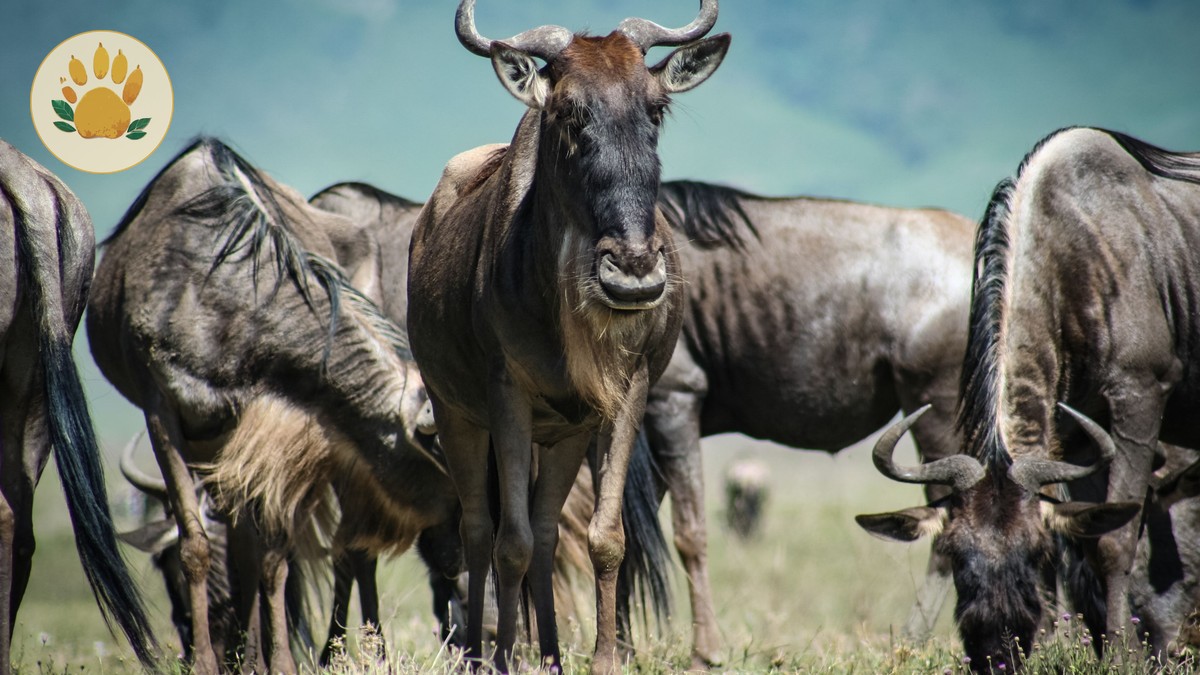
Our honest recommendation: for children under 5, choose malaria-free South Africa first. The wildlife trade-off is small and the health trade-off is not worth arguing about. For children 6 and older who can safely take prophylaxis, the Masai Mara is worth the malaria-zone status, especially during the wildebeest migration from July to October.
Keeping young kids engaged on a game drive
A 3-hour game drive tests any child’s attention span. Camps that do this well build in structure rather than expecting kids to sit and watch. Look for:
- Junior Ranger programs, run at camps like Angama Mara and Cottar’s 1920s Safari Camp, where kids track spoor and learn bush skills in 45-minute sessions rather than sitting in a vehicle.
- Bumble drives, short, low-speed outings aimed at younger children, usually 60 to 90 minutes instead of the standard 3-hour block.
- Bush walks inside camp grounds or conservancies, which let kids move instead of sit.
Ask your camp directly whether they run these before booking. Not every property does, and a camp with no kids’ program will mean a rigid adult schedule for everyone.
Add-on activities: age minimums that catch parents out
- Walking safaris: minimum age is typically 12, sometimes 16, because it requires the ability to stay silent and follow instructions near dangerous game.
- Hot-air balloon safaris over the Mara: minimum age is usually 7, and children must meet a minimum weight for the basket harness.
- Gorilla trekking in Rwanda or Uganda (a common add-on to a Kenya itinerary): fixed minimum age of 15, no exceptions, set by park authorities, not the operator.
Plan these into your itinerary early. A family with an 8-year-old and a 13-year-old will need to split activities, and that changes your vehicle and guide costs.
Cost and value: is it worth it?
A private vehicle removes age restrictions but adds real cost. Beyond the daily private vehicle fee, park entry at the Masai Mara National Reserve runs USD 80 per adult per day and USD 45 per child aged 3 to 18, with children under 3 typically free. Multiply that across a 5-day itinerary for a family of four and park fees alone reach USD 1,000 to 1,300.
Set against that: a well-timed trip when your child is 8 to 12 tends to need less specialized planning, fewer private vehicle days, and produces a trip the child will actually remember years later. That is where the value sits, not in the cheapest possible booking, but in the age that gets the most out of the investment.
If cost is a driving factor, timing also matters. Traveling in Kenya’s green season (November and April to May) brings lower lodge rates and fewer vehicles at sightings, though with more rain and shorter viewing windows to plan around.
Before booking, confirm your family’s visa position. Our guide to Kenya eTA visa requirements for the whole family covers what each child needs, since requirements differ from adult applications.
The SafariPure Difference
We do not tell every family the same age works. We ask how your specific children handle long car rides, whether prophylaxis is a concern for your pediatrician, and what your budget looks like for a private vehicle if you’re traveling with a child under 8. Then we match that against real camp policies, not marketing copy, and build an itinerary with drive lengths and activities that fit the ages you actually have. If a malaria-free alternative genuinely serves your family better, we will say so, even if it means recommending South Africa over Kenya.
Plan your family’s trip
If you are weighing ages, camps, and costs for a Kenya safari with your children, we can help you work through the real trade-offs before you book. Visit our Kenya family safari tours page or get in touch through our contact page to start planning.