Book a budget camp in the Masai Mara and you can still watch a lion pride cross the road ten feet from your vehicle. Book a camp at Angama Mara for ten times the price and you will see the same lions. The wildlife does not read your invoice. What changes with price is the vehicle you sit in, the land you drive on, and how many other cars are watching that same pride with you.
This guide breaks down luxury vs budget safari camps in Kenya, with mid-range covered too, using real camps, real distances and honest numbers, so you can match your budget to what matters to you.
Accommodation differences (tents vs. suites/villas)
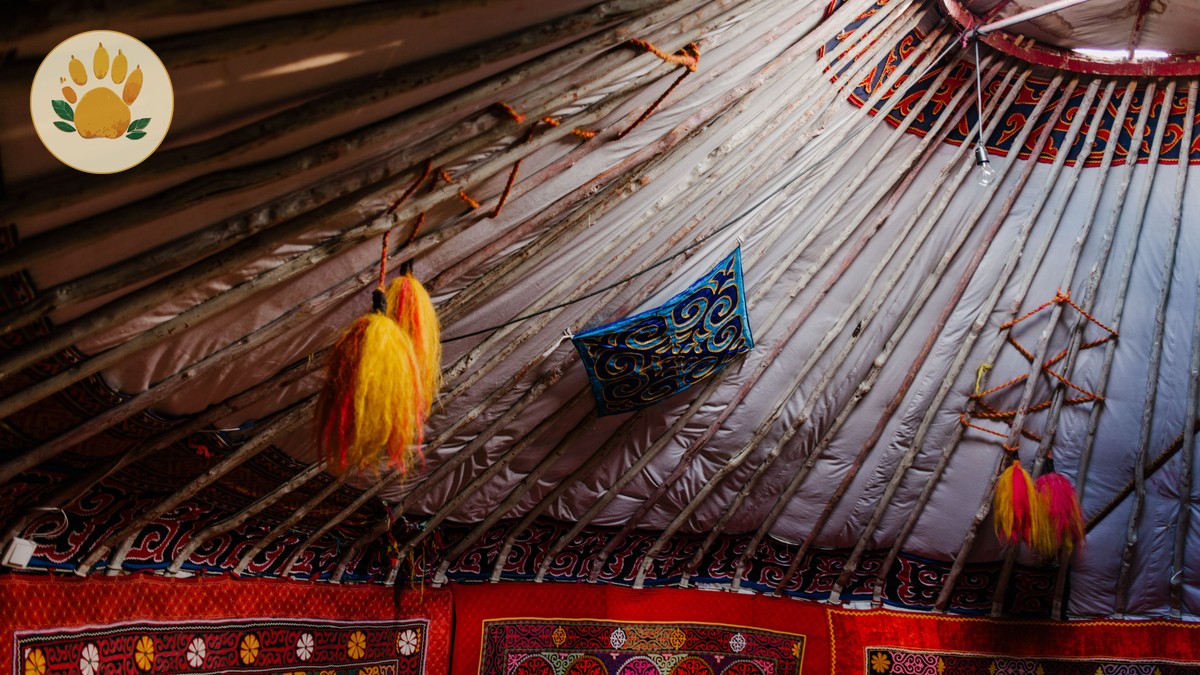
Budget camps put you in a simple canvas tent with a twin bed, a small en-suite bathroom and solar lighting. Camps like Mara Explorer Camp or Miti Mingi Naboisho Camp in Naboisho Conservancy fall in this bracket. You get a private bathroom, but hot water may run on a schedule and power sockets can be limited.
Mid-range lodges, such as Mara Serena Safari Lodge or Sarova Mara Game Camp, add en-suite bathrooms with reliable hot water, better beds, a pool and a proper bar. Rooms are often thatched cottages rather than canvas.
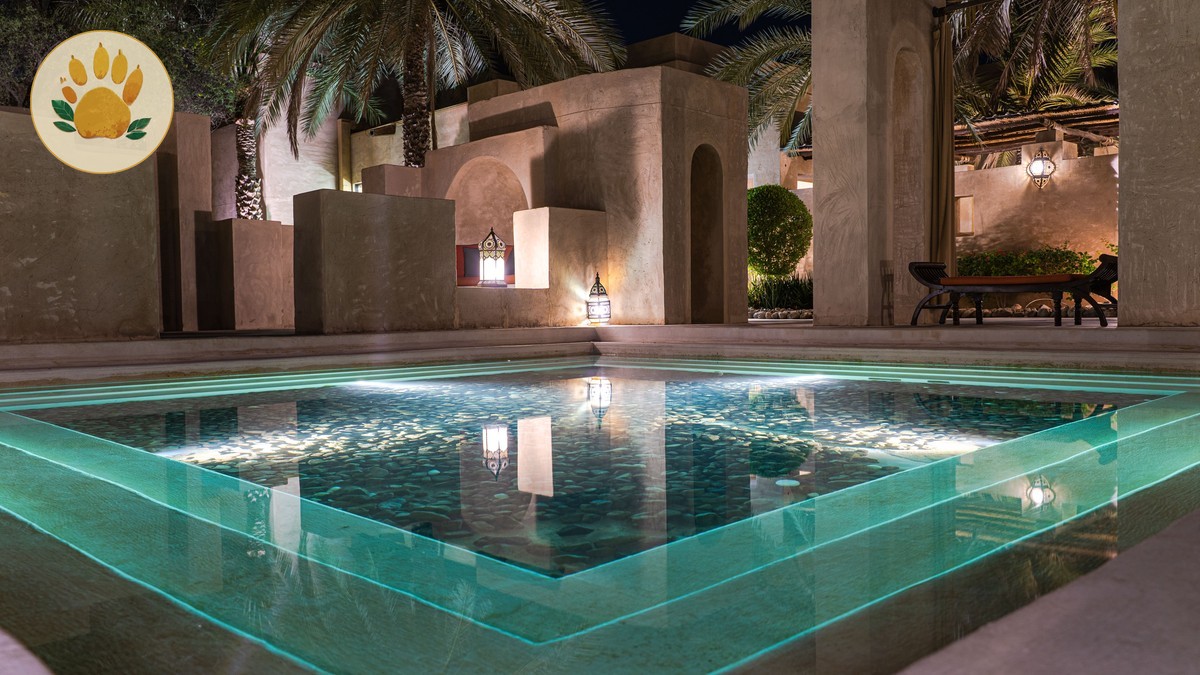
Luxury camps like Angama Mara on the Oloololo Escarpment or Mahali Mzuri in Olare Motorogi Conservancy offer glass-fronted suites, private plunge pools, butler service and interiors designed by professional studios. You are still in a tent at some luxury camps, but it is a 900 square foot tent with a freestanding bathtub.
Game drives and wildlife viewing
This is where the real differences show up. Budget camps operating inside the main Masai Mara National Reserve typically use shared vehicles with six to eight guests. You cannot go off-road and you cannot drive after dark, both banned inside the reserve itself.
Mid-range camps usually offer smaller shared vehicles, four to six guests, sometimes with a dedicated window seat guarantee.
Luxury camps in private conservancies like Naboisho, Mara North or Olare Motorogi allow off-road driving and night game drives, both illegal in the national reserve. Vehicles carry four guests or fewer, often with one vehicle per room. That difference, not the animals themselves, is what you are really paying for. If you want to understand what you are trading off with a shared safari vehicle, it is worth reading before you book.
Food and dining
Budget camps serve set-menu buffets, usually three courses, generous but simple. Mid-range lodges add a wider buffet with themed dinners a few nights a week. Luxury camps run multi-course plated meals, private bush breakfasts and sundowner setups on the plains, often with a dedicated chef briefing you on the menu each evening.
Guides and service level
A good guide matters more than the camp’s star rating. Budget camps often rotate guides and may pool them across multiple vehicles. Mid-range camps usually assign a guide per group for your stay. Luxury camps assign a personal guide for the whole visit, frequently someone who has worked the same conservancy for a decade and knows individual lion prides by name.
Location and exclusivity
Camps inside the Masai Mara National Reserve sit closer to the highest animal densities but share space with camps run by dozens of other operators, plus day-trippers from Narok. Camps in private conservancies pay conservancy fees that cap the number of beds per square kilometer, so you see far fewer vehicles at a sighting, sometimes just your own.
Laikipia, around Ol Pejeta and Loisaba, sits roughly 200 km and four hours by road north of Nairobi. Samburu is farther, roughly 325 km and six hours by road, or about an hour by air. Both offer similar tiering: Porini Rhino Camp on Ol Pejeta sits at the budget-to-mid end, while Saruni Samburu and Loisaba Tented Camp sit at the luxury end with private conservancy access.
Cost breakdown by tier
Rates below are per person per night, sharing, indicative ranges for the Mara ecosystem in 2026. Actual rates vary by season and camp.
| Tier | Example camps | Typical location | Rate (pp/night, indicative) | Vehicle | Off-road/night drives |
|---|---|---|---|---|---|
| Budget | Mara Explorer Camp, Miti Mingi Naboisho | Reserve edge / conservancy | USD 150-280 | Shared, 6-8 guests | Not permitted in reserve |
| Mid-range | Mara Serena Safari Lodge, Sarova Mara | Inside reserve | USD 300-550 | Shared, 4-6 guests | Not permitted in reserve |
| Luxury | Angama Mara, Mahali Mzuri, Cottar’s 1920s Camp | Private conservancy | USD 700-1,800+ | Private or small shared, max 4 | Permitted |
For the full picture across a whole trip, including flights between parks, see our full Kenya safari cost breakdown by tier.
Hidden costs and what’s actually included
This is where budget travelers get caught out. Park and conservancy fees are usually charged separately from the room rate, and they are not small.
Masai Mara National Reserve is run by Narok County Government, not Kenya Wildlife Service. It charges non-resident adults USD 100 per day from January to June and USD 200 per day from July to December, during the peak migration season. Private conservancies like Naboisho and Mara North bundle a conservancy fee of roughly USD 80-150 per person per night into the camp rate, which is one reason luxury camp prices look steep on paper.
Amboseli National Park charges USD 90 per adult per day, Lake Nakuru National Park USD 90, Tsavo East and West USD 80, and Nairobi National Park USD 80. These are Kenya Wildlife Service parks, distinct from the Narok-run Mara reserve.
Budget quotes often exclude these fees, along with airstrip transfers, flying doctor evacuation cover, laundry and drinks. Ask for an all-inclusive figure before comparing camps on price alone. It is one of several questions to ask before booking your camp.
The mid-range sweet spot
For most first-time visitors, mid-range delivers the best return per dollar. You get a private bathroom, reliable food, a competent guide and proximity to good game viewing, without paying conservancy premiums for privacy you may not notice on your first trip. The trade-off is more vehicles at big sightings and no night drives, which matters less if you are seeing your first lion, not your fiftieth.
Luxury vs budget safari camps: which tier fits which traveler
- First safari, tight budget, want to see the Big Five: budget or mid-range camp inside the reserve.
- Celebrating an anniversary or honeymoon, want privacy and no other vehicles at sightings: luxury camp in a private conservancy.
- Traveling with young kids, want a pool and predictable meals: mid-range lodge.
- Serious photographer wanting off-road access and night drives: luxury conservancy camp, no substitute here.
- Longer trip on a fixed budget: two nights luxury plus four nights budget often beats six nights mid-range for variety.
The SafariPure Difference
We do not sell a single tier. We build the mix that fits your budget and your reasons for going, whether that means four nights in a Naboisho luxury camp for the off-road drives, or a week split between a budget camp in the Mara and a mid-range lodge in Amboseli. Every quote we send separates the camp rate from park fees, conservancy fees and transfers, so you see the real total before you commit, not after.
FAQ
Is a luxury safari worth the extra cost? If off-road access, night drives and low vehicle density at sightings matter to you, yes. If you mainly want to see the Big Five, a mid-range camp gets you there for less.
Do budget safari camps see the same wildlife as luxury camps? Yes. Animals move across the whole ecosystem regardless of who is paying for the tent nearby.
What is included in an all-inclusive luxury safari price? Usually all meals, drinks, laundry, two game drives daily and conservancy fees. Flights and park entry into national reserves are often extra, so confirm before booking.
How much does a budget safari cost per day vs a luxury safari? Expect roughly USD 150-280 per person per night at budget camps versus USD 700-1,800 or more at luxury camps, before park and conservancy fees.
What is the difference between a tented camp and a lodge? A tented camp uses canvas structures on permanent platforms, usually more open to the sounds outside. A lodge uses solid buildings, closer to a hotel.
Are shared game drive vehicles worth avoiding on a budget safari? Not necessarily. They cost less and you still see the wildlife, but expect less flexibility on timing and no off-road driving.
What hidden costs do budget safaris not include? Park fees, conservancy fees, airstrip transfers and flying doctor cover are the most commonly excluded costs. Always ask for the all-in total.
Is mid-range a good compromise between luxury and budget? For most first-time travelers, yes. It balances comfort and cost without the conservancy premium.
Do budget camps have private bathrooms? Most reputable budget camps do, though hot water may be limited to set hours.
Can you go on a night game drive or off-road on a budget safari? Not inside the Masai Mara National Reserve. Both require a private conservancy, which is a luxury-tier feature.
How many days can I afford at a luxury camp vs a budget camp for the same money? As a rough guide, one night at a luxury conservancy camp costs about the same as three to five nights at a budget camp, before fees.
What is a private conservancy vs a national reserve? A national reserve is publicly managed with open access. A private conservancy leases land from Maasai landowners, caps bed numbers and allows off-road and night driving.
Plan Your Trip
Not sure which tier fits your first safari? Talk to SafariPure and we will build an itinerary around your budget and what you actually want to see, with every fee accounted for up front. Visit our contact page to start planning.
More safari planning resources
- Kenya wildlife tours from Trunktrails Safaris
- Kenya national parks map from Valley Safaris
- Maasai Mara National Reserve guide on Touring Insights
- Budget safari collection on FindMySafari
Related guides: Keeping Valuables Safe at Kenya Safari Camps, Romantic Sundowner Spots in the Masai Mara, Star-Bed Safari Camps in Kenya: Sleep Under the Stars.