Most safari checklists you’ll find online ask generic questions like “what should I pack” and leave the real numbers out. That’s not much use when you’re comparing three quotes for the same eight-day Masai Mara itinerary and trying to work out why one costs half as much as another.
These are the questions ask before booking a safari that actually change your trip, with the figures a Kenya-based operator should be able to answer on the spot. If a company can’t answer most of these clearly, that alone tells you something.
Questions to Ask Before Booking: What’s Included in the Price
1. What is usually included in a safari package price? A full quote should list accommodation, meals, game drives, transfers between camps, and a guide. It should also say what’s excluded, usually alcoholic drinks, tips, visas, and flights into Kenya.
2. Are park and conservation fees included in the safari cost? Sometimes yes, sometimes no. Ask directly, because these fees are large enough to swing your budget by hundreds of dollars over a week. Kenya Wildlife Service raised non-resident park fees in October 2025. The Masai Mara’s fee works differently: it’s set by Narok County Government, not KWS, since the Mara is a county reserve rather than a national park. That fee doubles in the second half of the year.
| Park or reserve | Managing authority | Non-resident fee per adult/day |
|---|---|---|
| Masai Mara National Reserve | Narok County Government | USD 100 (Jan-Jun), USD 200 (Jul-Dec) |
| Amboseli National Park | Kenya Wildlife Service | USD 90 |
| Lake Nakuru National Park | Kenya Wildlife Service | USD 90 |
| Tsavo East / West National Park | Kenya Wildlife Service | USD 80 |
| Nairobi National Park | Kenya Wildlife Service | USD 80 |
| Chyulu Hills National Park | Kenya Wildlife Service | USD 40 |
| Naboisho / Mara North Conservancy | Private conservancy | USD 80-150/person/night (indicative, usually bundled into lodge rate) |
Since we’re publishing this in August, that Masai Mara figure is the peak-season USD 200 rate, which covers the July to October migration months.
Shared or Private Vehicle, and Who You’re Riding With
3. Will I be sharing a safari vehicle with strangers? On most mid-range packages, yes. You’re placed with other travelers booked through the same or partner operators, often people you’ve never met before the trip starts.
4. How many people share a safari jeep? Typical shared vehicles seat six to seven guests plus the driver-guide. Some budget operators push this to eight or nine, which means fewer window seats and slower, more crowded photo stops at sightings.
5. Is it better to book a private or group safari? A private vehicle costs roughly 30 to 60 percent more per person than a shared one, but you control the pace, stop as long as you like at a sighting, and change the day’s plan on request. Before deciding, it’s worth understanding what you’re actually agreeing to with a shared safari vehicle, including how much say you’ll have over the daily schedule.
Who Is Driving You
6. How experienced do safari guides need to be? Ask how many years the specific guide has worked in the Mara or wherever you’re headed, not just how long the company has existed. Kenya Professional Safari Guides Association (KPSGA) certification, bronze, silver, or gold, is a useful shorthand for tested skill in tracking, bird identification, and driving standards.
Vehicle Type and Condition
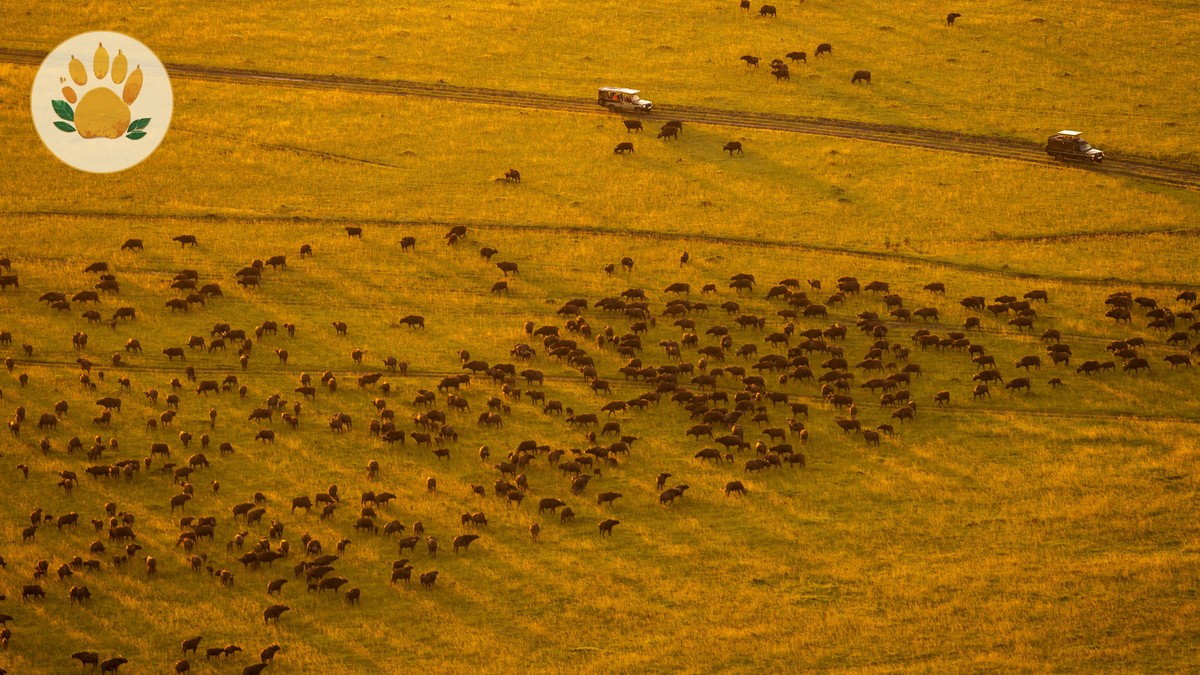
7. What type of vehicle is best for a Kenya safari? A closed 4×4 with a pop-up roof is standard for the Mara, Amboseli, and Nakuru, giving you standing headroom for photos while staying dust-free on transfers. Ask about the vehicle’s age, whether it has a working radio for reporting sightings, and how many spare tires it carries for remote routes.
Where You’ll Sleep
8. What should I ask about accommodation before booking? Confirm whether it’s a permanent camp with solid walls and plumbing, or a mobile tented camp that moves with the migration. Ask about en-suite bathrooms, hot water hours, and whether the camp is fenced, which matters if you’re traveling with children or nervous about wildlife walking through camp at night.
9. Do safari camps have Wi-Fi? Many mid-range and luxury camps offer Wi-Fi in the mess tent or main lounge, though signal in the Mara and Amboseli is often weak and camps in remoter conservancies may have none at all. If you need to stay reachable for work, ask before you book rather than after you arrive.
Total Cost Per Day, Budget to Luxury
10. How much does a Kenya safari cost per day? Costs vary widely by tier, vehicle arrangement, and season. These figures are indicative, based on typical current market rates, not fixed prices.
| Tier | Typical cost per person/day (all-inclusive) | What that buys |
|---|---|---|
| Budget | USD 150-250 | Shared 4×4, camping or basic lodge, group game drives |
| Mid-range | USD 300-450 | Shared or semi-private vehicle, tented camp with en-suite bathroom |
| Luxury | USD 600-1,200+ | Private vehicle and guide, permanent camp, most drinks and laundry included |
11. What’s the difference between budget, mid-range, and luxury safaris? The gap is mostly vehicle privacy, camp size, and staff ratio, not just thread count. For a full breakdown of Kenya safari costs by tier, including where park fees fit into each budget, it helps to see the numbers laid out season by season.
Best Time to Go
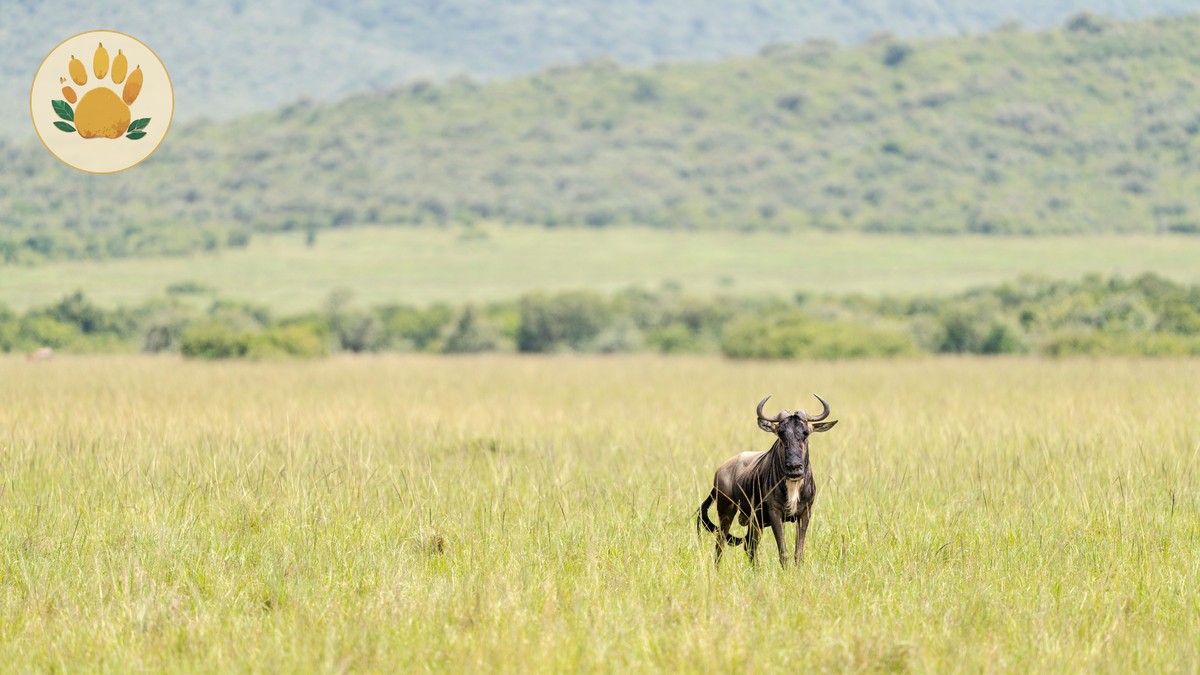
12. When is the best time to go on a Kenya safari? July through October covers the wildebeest migration crossing the Mara River, and it’s also when Masai Mara fees double and camps fill up months ahead. January to March offers good general game viewing, calmer camps, and the lower Mara entrance fee.
How Many Days You Need
13. How many days do I need for a first Kenya safari? Five to seven days is enough to cover two ecosystems properly, for example three nights in the Masai Mara and two in Amboseli, without the exhausting pace of one-night stops. Anything under four days limits you to a single park and a lot of driving.
Booking, Payment, and Cancellation Policies
14. What is the cancellation policy for a safari booking? Ask for the exact refund schedule in writing: how many days before travel you can cancel for a full or partial refund, and whether park fees or camp deposits are refundable at all. Many camps require non-refundable deposits 60 to 90 days out during peak season.
Safety, Insurance, and Medical Emergencies
15. Is travel insurance necessary for a safari? Yes. Standard travel insurance rarely covers medical evacuation from a remote bush camp, so check specifically for a policy or membership, such as AMREF Flying Doctors cover, that includes air evacuation.
16. What happens in a medical emergency on safari? Ask which camps have direct radio or satellite contact with an evacuation service, and how far the nearest airstrip is. In the Mara, flying doctor response typically means a light aircraft pickup from the camp’s own airstrip within an hour or two of a call, weather permitting.
Traveling With Children
17. Can children go on a Kenya safari? Most camps accept children, but some set a minimum age, often five or six, for game drives, and separate policies for private versus shared vehicles. Ask about family tents, malaria risk in your travel months, and whether a private vehicle is required for younger children.
Operator Reputation, Reviews, and Avoiding Scams
18. How do I know if a safari operator is trustworthy? Ask for the names of camps they use, not just brochure photos, and check that those camps confirm the booking directly if you’re unsure. A registered Kenya tour operator license and membership in the Kenya Association of Tour Operators (KATO) are good signs.
19. What should I ask about a quote that looks unusually cheap? Ask what’s excluded. A price well below others for the same route usually means older vehicles, larger shared groups, or park fees added later.
20. How do I avoid safari scams in Kenya? Never pay the full amount by wire transfer to an unverifiable account, and be wary of deals that appear only through unsolicited social media messages. For a closer look at how to spot common safari scams in Kenya, it’s worth knowing the specific patterns operators warn about before you send a deposit.
The SafariPure Difference
We answer every one of these questions before you ask, in writing, with the camp names, vehicle type, and fee breakdown attached to your quote. No packages priced to look cheap with the park fees added on later. No guide assigned the morning you arrive. We’ve spent years working the Mara, Amboseli, and Tsavo circuits, and we’d rather lose a booking to a straight answer than win one with a vague brochure.
Plan Your Trip
If you’re weighing these questions against a real itinerary, we’re glad to talk it through with you. Visit our Kenya safari tours to see current packages, or reach out through our contact page to start building a trip around the parks and dates that matter to you.
More safari planning resources
- Kenya wildlife tours from Trunktrails Safaris
- Kenya national parks map from Valley Safaris
- Best safaris in Kenya on Touring Insights
- Compare Kenya safari packages on FindMySafari
Related guides: Documentaries and Books to Watch Before Your Kenya Safari, Questions to Ask Your Safari Guide During a Game Drive, What to Expect on Your First Kenya Game Drive.