Your first game drive will not feel like the wildlife documentaries. It starts cold, dusty, and quiet, then changes fast once the light comes up over the Masai Mara or Amboseli. Knowing what to expect first game drive day looks like will help you enjoy it instead of just surviving it.
This guide covers timing, vehicles, packing, safety, and realistic expectations for what you’ll actually see. No hype, just what a first-time traveler needs to know before the vehicle pulls out of camp.
What Is a Game Drive, Exactly?
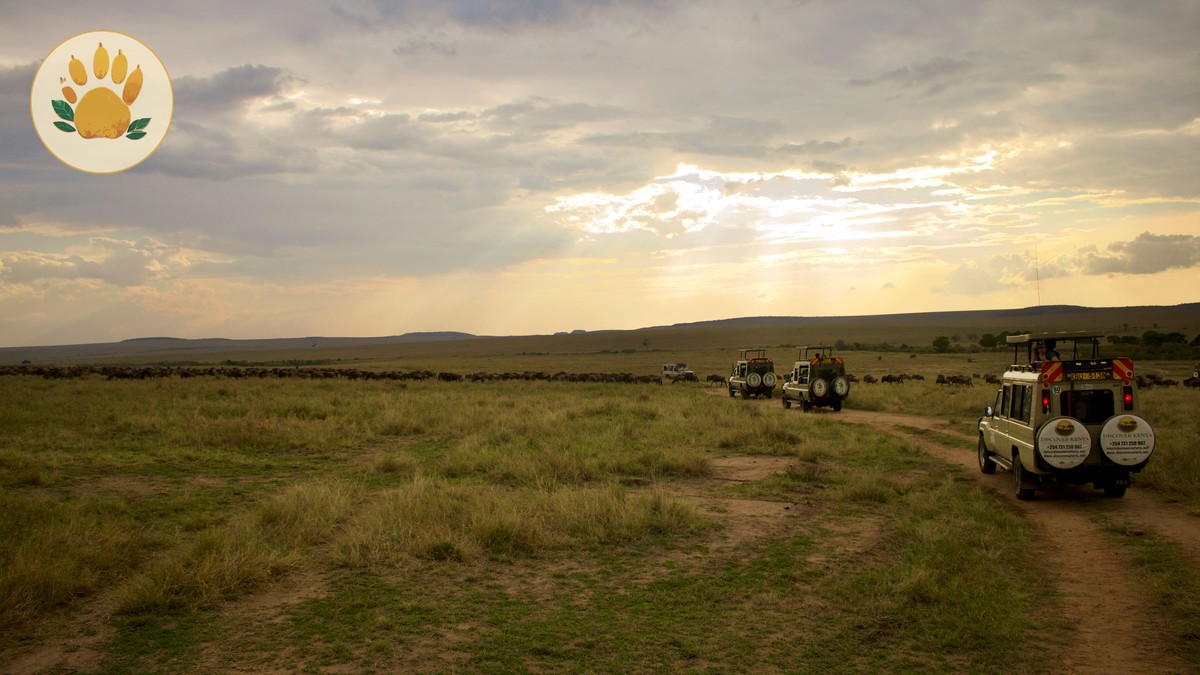
A game drive is a guided outing in a 4×4 vehicle through a national park, reserve, or conservancy, led by a trained driver-guide who tracks and interprets wildlife. It is not a bus tour. Guides read tracks, radio other vehicles, and follow animal behavior rather than a fixed route.
Most Kenya safaris build the day around two drives, one at dawn and one in late afternoon, with rest at camp during the hot middle hours. This rhythm matches when animals are actually active.
Morning, Afternoon, or Night: What’s the Difference?
| Drive type | Typical start time | Length | What you’ll likely see |
|---|---|---|---|
| Morning drive | 6:00-6:30 AM | 3-4 hours | Predators finishing a night hunt, cooler air, best light for photos |
| Afternoon drive | 4:00-4:30 PM | 2.5-3 hours | Animals returning to waterholes, golden hour light near sunset |
| Night drive | 7:00-9:00 PM | 1.5-2 hours | Nocturnal species like genets, aardvarks, and bush babies (only permitted in select conservancies, not KWS national parks) |
Morning drives in the Masai Mara often start before sunrise because predators are most active then. Afternoon drives end closer to camp so guests are back before dark, since most national parks close to vehicles at 6:30 PM. Night drives are only legal in private conservancies such as Ol Pejeta or the Mara conservancies bordering the reserve, not inside Masai Mara National Reserve itself.
If photography matters to you, read our notes on getting the best photos during golden hour before you pack your camera bag.
How Long Does a First Game Drive Actually Last?
Expect 3 to 4 hours for a morning drive and closer to 2.5 to 3 hours in the afternoon. Full-day drives, often used to reach a distant river crossing or a specific pride, can run 6 to 8 hours with a packed lunch eaten in the vehicle at a designated stop.
First-time guests sometimes underestimate the physical side. Roads inside parks like Amboseli and Lake Nakuru are unpaved and rutted, so a 3-hour drive covers real distance but involves steady jolting, not fast travel.
Vehicle Types You’ll Ride In
Kenya safari vehicles fall into a few standard categories.
- Open-sided 4×4 (Land Cruiser or similar): no side windows, pop-up roof hatch, used across most Mara conservancies. Best visibility.
- Closed-side 4×4 with pop-top roof: standard in Amboseli and Lake Nakuru National Park, where KWS rules require closed vehicles on some routes.
- Minivan with pop-top: common on budget group tours, seats 6 to 7, less maneuverable off main tracks.
Seating matters more than most first-timers expect. Every seat does not see the same angle, and guides usually rotate window positions across the trip. It’s worth understanding how window seats are actually assigned in the vehicle before your first outing, especially if you’re traveling with a photographer in your group.
What to Wear and Pack
Mornings in the Mara and Amboseli start at 10-14°C (50-57°F), even though daytime highs reach 25-28°C (77-82°F). Layers matter more than any single garment.
Pack:
- A fleece or light jacket for the first hour
- Neutral colors (khaki, olive, brown), not bright white or black, which can startle animals or absorb heat
- A wide-brim hat and sunglasses
- Sunscreen and insect repellent
- A dust scarf or buff, since tracks in dry season (June to October) throw up fine red dust
- Binoculars, ideally one pair per person rather than sharing
Leave scented lotions and perfumes behind. Strong smells can drift and interfere with a guide’s ability to approach animals quietly.
Etiquette and Rules on a Game Drive
Guides enforce a few rules that exist for animal welfare and guest safety, not bureaucracy.
- Stay seated while the vehicle is moving, and only stand through the roof hatch when the guide says it’s safe.
- No shouting or sudden movement near predators or elephants.
- Vehicles keep at least 20 to 25 meters from big cats in most conservancies, closer in some private reserves with stricter guide training.
- No off-road driving in national parks like Amboseli or Nakuru. Private conservancies such as Naboisho or Olare Motorogi allow limited off-road tracking under guide discretion.
- Radios between vehicles are for guides only, so a sighting one guide finds gets shared across the network.
Is a Game Drive Safe for First-Timers?
Yes. Guides are trained, vehicles keep safe distances, and predator encounters from inside a vehicle carry very low risk. Kenya’s professional guide associations require certification through bodies like the Kenya Professional Safari Guides Association, and most camps only hire certified staff.
The real risks are mundane: sunburn, dehydration, and motion discomfort on rough roads. Bring water, move slowly when standing through the roof hatch, and tell your guide early if you feel unwell.
Game drives suit most young kids from around age 6, though some conservancies set a minimum age of 8 for game drives and 12 for walking safaris, largely due to the length of sitting still required.
What Animals Will You Actually See?
This is where most first-timers get their expectations wrong. A single drive rarely delivers all of the Big Five, lion, leopard, elephant, buffalo, and rhino, in one outing. Leopards especially are solitary and hard to spot even for experienced guides.
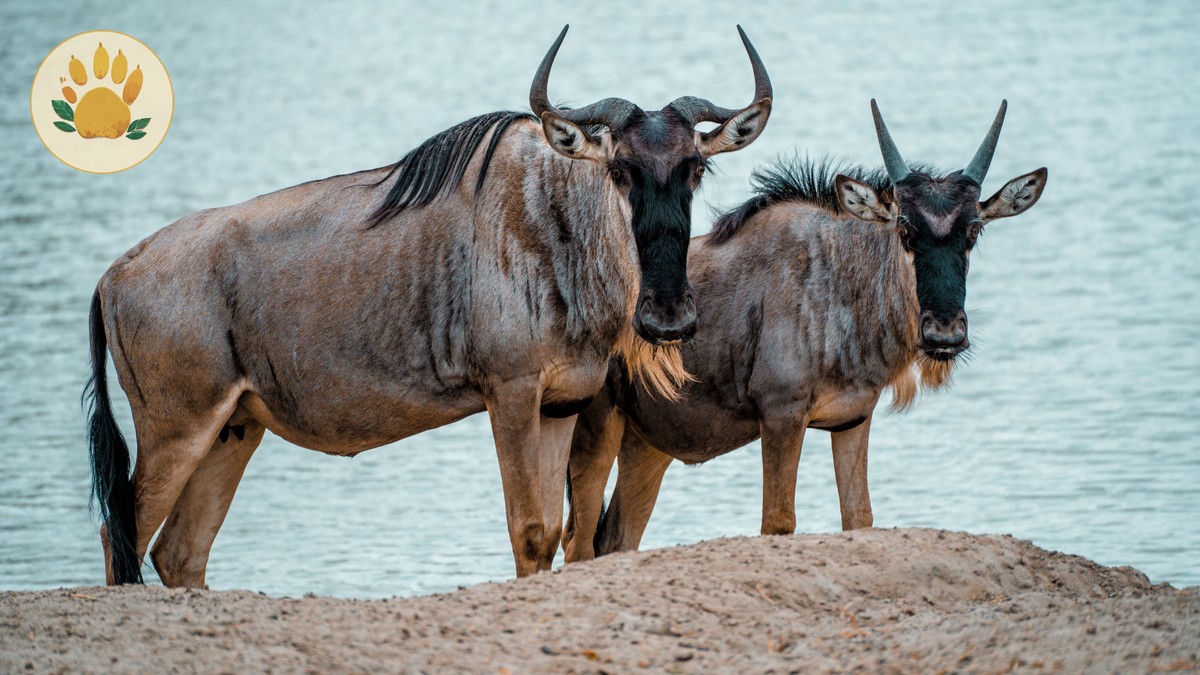
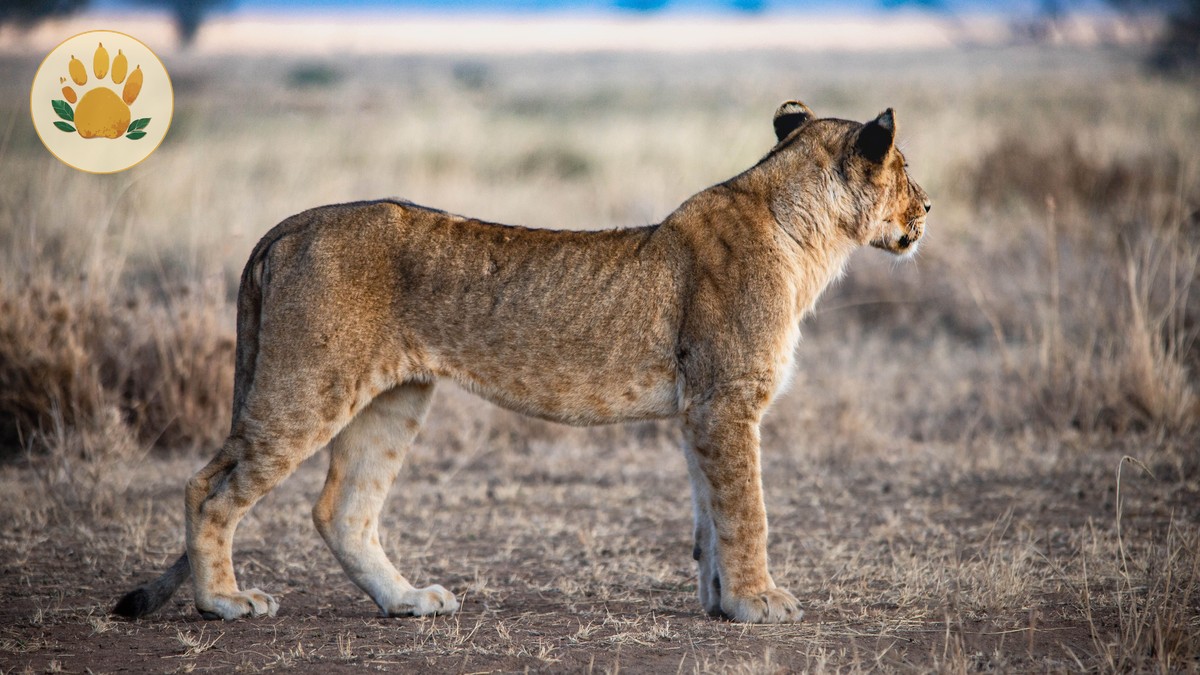
A realistic first drive in the Masai Mara might show elephants, giraffes, zebras, buffalo, and one or two lions. Rhino sightings depend heavily on location. Lake Nakuru National Park and Ol Pejeta Conservancy hold much stronger black and white rhino numbers than the Mara does.
Understanding the realistic odds of spotting the Big Five on a single drive helps set expectations before you go, rather than after a quiet first outing.
What to Expect First Game Drive: A Step-by-Step Walk Through
- Wake-up call around 5:30 AM with tea or coffee at camp.
- Board the vehicle by 6:00 to 6:30 AM, guide briefs you on the plan.
- First hour covers cooler light and active predators.
- Mid-drive stop for photos, tracking, or a bush coffee break in some conservancies.
- Return to camp by 9:30 to 10:00 AM for breakfast.
- Rest during the heat of the day.
- Second drive from 4:00 to 6:30 PM, timed to end near sunset.
Kenya Parks Compared: Distance, Drive Time, and Fees
| Park or Conservancy | Distance from Nairobi | Road drive time | Park fee (non-resident, per day, indicative) |
|---|---|---|---|
| Masai Mara National Reserve | ~270 km | 5-6 hours (or ~45 min flight) | USD 80-100 |
| Amboseli National Park | ~240 km | ~4 hours | USD 60-70 |
| Lake Nakuru National Park | ~160 km | ~3 hours | USD 60 |
| Ol Pejeta Conservancy | ~200 km | ~3.5-4 hours | USD 90 |
Fees change periodically and vary by season, so treat these as planning ranges rather than fixed quotes.
The SafariPure Difference
Most guides brief you once and move on. We walk every first-time guest through timing, seating, and realistic sighting odds before the vehicle leaves camp, not after questions come up on the road. Our guides work the same conservancies season after season, which means they know which waterhole is active this week, not just which one was active last year.
We also keep group sizes small, typically four to six guests per vehicle, so everyone gets real window time rather than fighting for an angle. That matters most on a first drive, when every sighting is new.
FAQs
What time do game drives start in Kenya? Most morning drives leave camp between 6:00 and 6:30 AM, timed to catch first light.
Do I need prior experience? No. Guides handle navigation, tracking, and safety. You just need to stay seated when asked and bring patience.
What happens if it rains? Drives continue in light rain. Heavy rain can close some park tracks temporarily, and guides reroute around them.
Can I use my phone or camera? Yes, though flash photography is discouraged near animals at night and phone signal is patchy inside most parks.
How close do vehicles get to animals? Typically 20 to 25 meters from predators, closer for herbivores like zebra and giraffe that show less stress response.
Plan Your First Drive With SafariPure
If you’re ready to turn this into a real itinerary, our Kenya safari tours page covers drive schedules, camp options, and seasonal timing for the Masai Mara, Amboseli, and beyond. Or reach out through our contact page and we’ll help you plan a first game drive that matches what you actually want to see.