You have already done the classic Mara game drive. Now you want to know one thing before you book again: where are the herds today, and is that answer still true by the time your flight lands. This wildebeest migration current location tracker gives you the honest version, dated 2026-08-06, with named crossing points and real camps, not a generic monthly calendar dressed up as live data.
Where the Migration Is Right Now
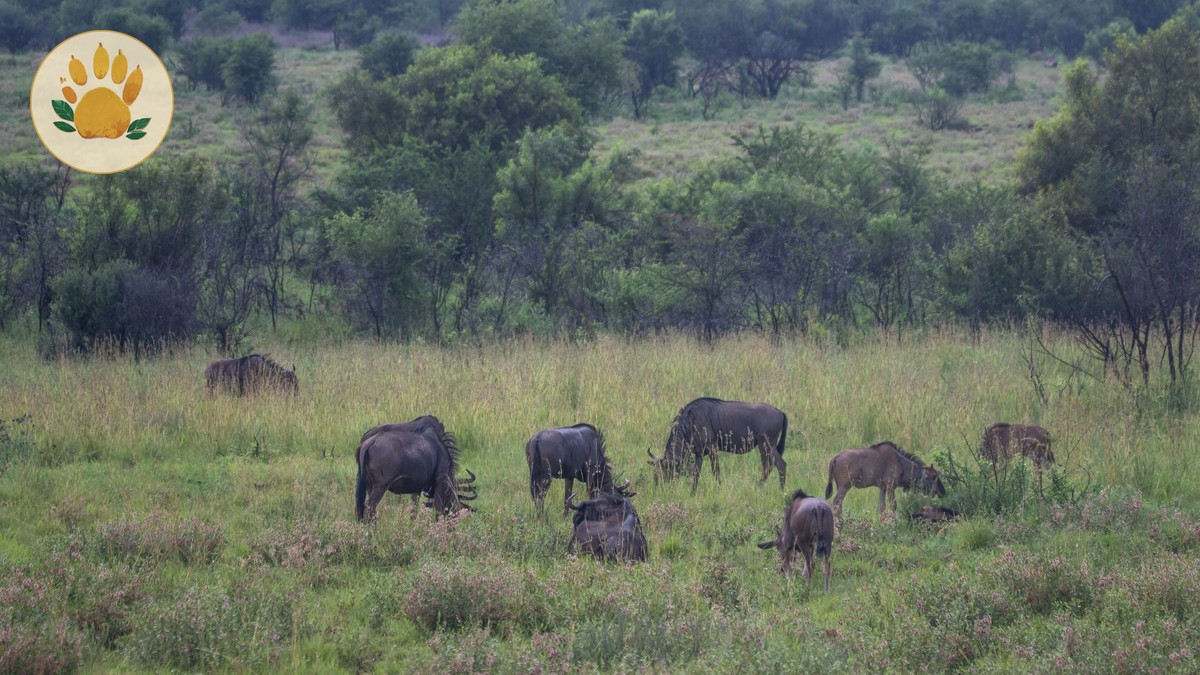
As of late July 2026, field reports from guides in the Mara Triangle and Mara North Conservancy placed the main herds along the western bank of the Mara River. Crossings were logged near the Serena crossing point and the Lookout Hill crossing. Smaller groups were still moving through the Sand River area near the Tanzania border, a typical pattern for early August as the bulk of the herd pushes north out of the Serengeti’s Lamai Wedge.
This is a snapshot, not a guarantee. Wildebeest move on rainfall and grass, not a schedule. A tracker that claims certainty for a date three weeks out is guessing. What we can tell you is the pattern that has held for the past several seasons: by early to mid August, most of the migration has crossed into the Mara Triangle and Mara North Conservancy, with the Talek and Serena areas seeing the heaviest crossing activity through September.
Month-by-Month Migration Calendar
The herds follow a rough circuit around the Serengeti-Mara ecosystem each year, though the exact weeks shift with rainfall.
- January to March: Calving season on the southern Serengeti plains, near Ndutu and Lake Ndutu.
- April to May: Herds move north through the central Serengeti (Seronera area) as the plains dry out.
- June: Herds gather near the Grumeti River and start pushing toward the Mara. For a detailed look at migration arrival timing in June, it is worth reading before booking that window.
- July to August: Mara River crossings begin, first into the Mara Triangle, then spreading east toward the Mara North and Olare Motorogi conservancies.
- September to October: Peak crossing activity, with herds moving back and forth across the river as grass runs low on either side.
- November: The return migration begins, heading back south toward the Serengeti as the short rains start.
- December: Herds are largely back on the southern plains, ahead of the next calving season.
Mara River Crossing Points and Best Crossing Months
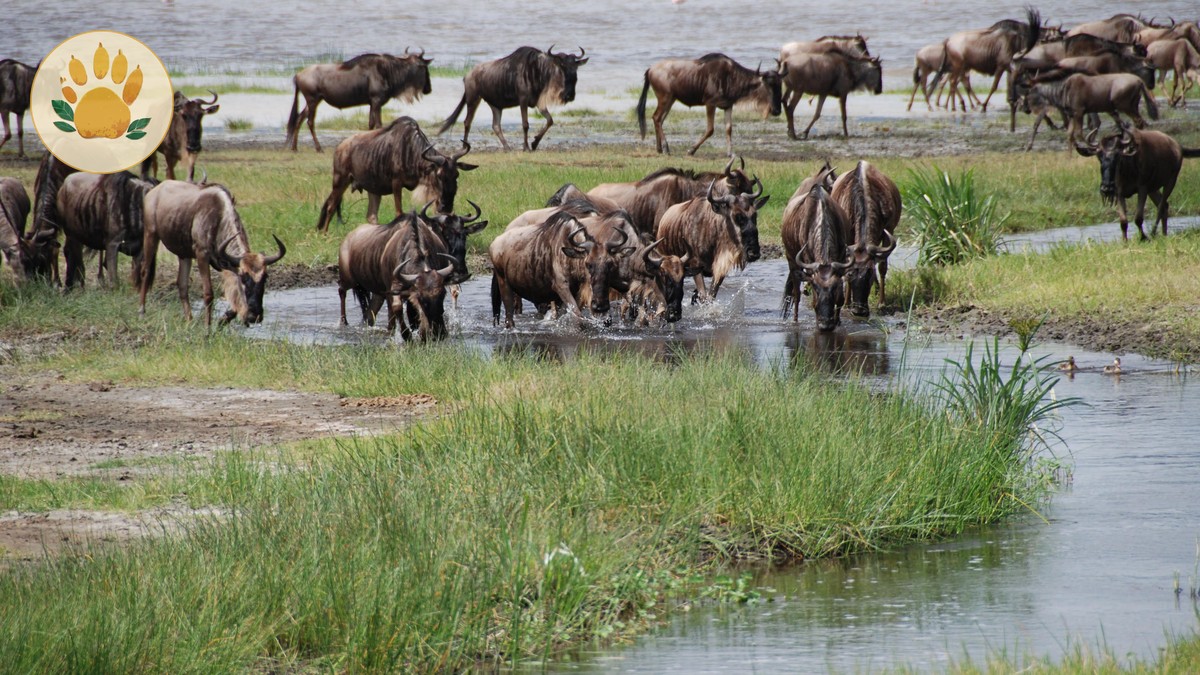
Not all crossing points are equal, and none of them are guaranteed on any given day. The wildebeest choose based on water level, predator presence on the bank, and pressure from the herd behind them. Our guide to viewing the Mara River crossings covers the crocodile activity at each site in more depth.
The most reliable named points, from south to north, are the Sand River crossing near the Kenya-Tanzania border, the Serena crossing point in the Mara Triangle, Lookout Hill, Crossing Point Number 6 (sometimes called Paradise Crossing) near Mara North Conservancy, and the Purungat Bridge area further downstream. August and September tend to produce the most crossings at Serena and Lookout Hill, while October often shifts activity toward Purungat as herds start drifting east.
Best Time to Visit for Migration and River Crossings
If a river crossing is the goal, late July through September gives the best odds, with August and September historically the strongest window. Book camps close to the Mara Triangle or Mara North Conservancy for that period, since drive times to the river matter more than which conservancy you technically stay in.
If you have seen the Mara before and want a different kind of week, consider October. Crossings still happen, camps cost less, and the reserve carries fewer vehicles per sighting. It is a reasonable trade for a repeat visitor who has already watched a crossing from a packed vehicle line.
Where to Stay Near the Current Herd Location
Distance to the river matters more than distance to the reserve gate. Here is how the main options compare for an early August base, using the current herd concentration in the Mara Triangle and Mara North Conservancy as the reference point.
| Camp / Lodge | Zone | Distance to nearest active crossing point | Drive time | Indicative price (USD/night, per person, high season) |
|---|---|---|---|---|
| Angama Mara | Oloololo Escarpment | 8-12 km to Serena crossing | 20-30 min | $1,200-1,600 |
| Mara Serena Safari Lodge | Mara Triangle | 5-10 km to Serena crossing | 15-25 min | $450-650 |
| Kicheche Mara Camp | Mara North Conservancy | 15-20 km to Crossing Point No. 6 | 30-40 min | $650-900 |
| Governors’ Camp | Musiara, Main Reserve (north bank) | 3-6 km to nearby crossings | 10-20 min | $700-950 |
| Rekero Camp | Talek-Mara confluence | 1-3 km to Talek-Mara confluence | 5-10 min | $800-1,100 |
These figures are indicative ranges based on typical high-season rates and should be confirmed at time of booking, since camps adjust pricing by month and occupancy. Add the reserve entrance fee on top: the Masai Mara National Reserve is run by the Narok County Government, not Kenya Wildlife Service, and charges USD 200 per adult per day for non-residents from July through December, the peak migration period. That fee drops to USD 100 per adult per day from January through June.
How the Wildebeest Migration Current Location Tracker Works
Most tracker sites pull from a mix of pilot radio reports, guide WhatsApp groups, and lodge sightings logs. That is a real and useful source, but it is also a lagging one. A crossing spotted on Tuesday might not repeat at the same point on Friday. Treat any tracker, including this one, as a directional guide to which general area holds the bulk of the herd, not a promise of what your specific game drive will see.
The honest answer to how many wildebeest migrate each year is roughly 1.2 to 1.5 million, moving alongside around 200,000 zebra and 300,000 to 400,000 Thomson’s gazelle. That scale is why the migration is visible across a wide area for weeks at a time, even though any single crossing point may go quiet for a day or two between events.
Combining a Migration Safari with Other Parks
If you have already spent time in the Mara on a previous trip, a repeat visit works better paired with a different landscape. Samburu National Reserve, about 350 km north of Nairobi, offers dry-country species you will not see in the Mara, including Grevy’s zebra and reticulated giraffe. Laikipia’s private conservancies add rhino tracking and horseback safaris to the mix. Our guide to combining a Masai Mara migration safari with Samburu walks through a realistic two-week itinerary that covers both without rushing either.
For a coastal add-on after the migration leg, the Kaya forests of Kilifi County offer a slower, cultural counterpoint, sacred Mijikenda forest sites recognized by UNESCO, best visited with a local guide over a day or two.
The SafariPure Difference
We do not sell migration as a guarantee. We tell you what the herds have been doing over the past two to three weeks, name the actual crossing points and camps involved, and flag the honest range of prices and fees rather than a marketing number. If the migration shifts after you book, we adjust your camp placement or game drive routing rather than leaving you stuck at the wrong crossing. That is the difference between a tracker built for clicks and one built for a trip you are actually going to take.
FAQs
Where is the wildebeest migration right now? As of late July 2026, the bulk of the herd was crossing near the Serena crossing point and Lookout Hill in the Mara Triangle, with movement continuing toward Mara North Conservancy.
Is the migration in Kenya or Tanzania right now? By early August, most of the herd has typically crossed into Kenya’s Masai Mara ecosystem, though stragglers remain in the northern Serengeti through August.
What month is best to see the Mara River crossing? August and September give the most reliable odds, based on past seasons.
How accurate are wildebeest migration trackers? They are directional, not guaranteed. Expect a lag of several days between a sighting report and your own visit.
What happens if the migration isn’t where I expected when I arrive? A good guide adjusts your daily drive routing within the conservancy or reserve. This is one reason to book camps with flexible access to multiple crossing points rather than a single fixed zone.
Does the wildebeest migration follow the same route every year? The general circuit repeats, but exact timing and crossing points shift year to year with rainfall.
What time of day do wildebeest usually cross rivers? Most crossings happen in the mid-morning to early afternoon, though this varies with predator pressure and herd nerves.
How far in advance should I book a migration safari? For August and September dates, six to nine months ahead is a reasonable minimum, since the best-placed camps near the Mara Triangle fill early.
Plan Your Trip
If you want a migration safari built around where the herds actually are, not a generic calendar, talk to SafariPure about planning your trip or browse our Masai Mara migration safaris to see current camp availability.