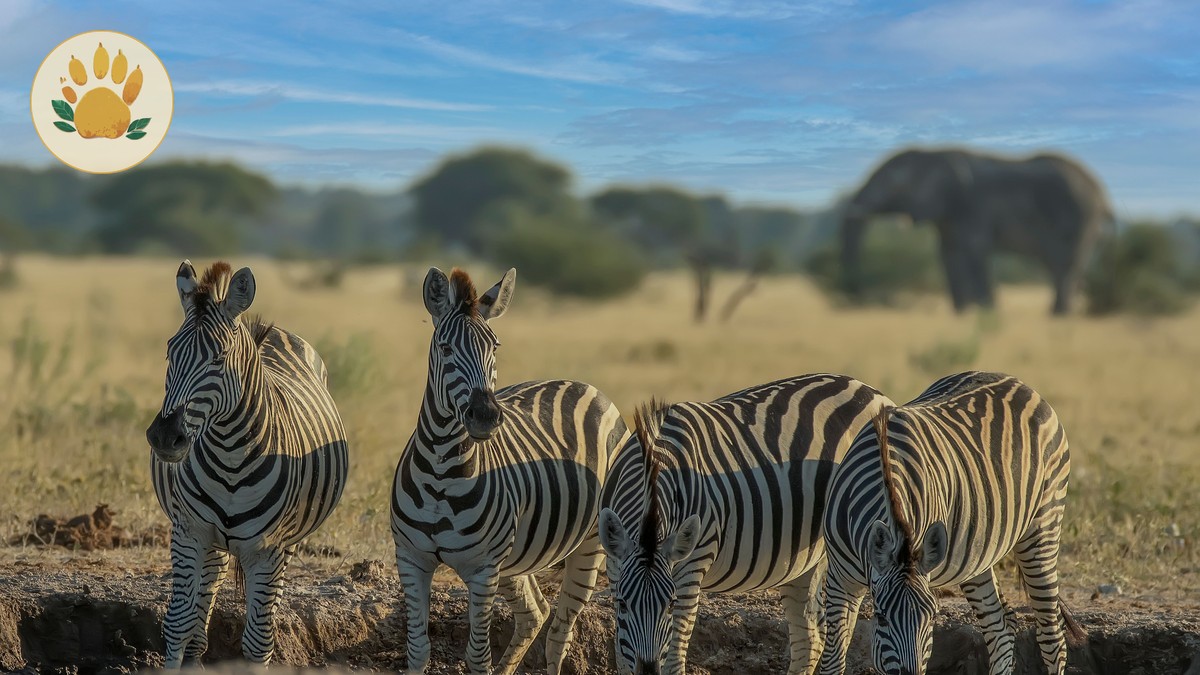
If you have already stood in a jeep watching wildebeest cross the Mara River, you know what a first Kenya safari delivers. Planning your second Kenya safari is a different exercise. You are not chasing the highlight reel anymore. You are choosing where to spend time, and that changes almost every decision.
Planning Your Second Kenya Safari: Why It Should Look Different
A first-timer wants the Big Five and the migration in one trip, usually inside the Masai Mara National Reserve. That reserve earns its reputation, but it is also the busiest game-viewing landscape in Kenya, with dozens of vehicles converging on a single leopard sighting during peak months.
A second trip lets you trade that density for space. You already know what a lion looks like at 20 meters. Now you can spend an afternoon following one pride instead of ticking a list. That usually means private conservancies instead of the open reserve, and regions most first-timers never reach, like Samburu, Laikipia, Meru and the Kaya forests near the coast.
Mara Reserve vs. Mara Conservancies
The Masai Mara itself splits into the public reserve and a ring of private conservancies leased from Maasai landowners: Naboisho, Mara North, Olare Motorogi and others. Both sit inside the same ecosystem, but the rules differ sharply.
| Feature | Masai Mara National Reserve | Mara Conservancies (Naboisho, Mara North) |
|---|---|---|
| Non-resident entry fee | USD 100/day (Jan-Jun), USD 200/day (Jul-Dec) | Bundled into lodge rate, roughly USD 80-150/person/night |
| Vehicle density at sightings | High, especially Jul-Oct | Capped by conservancy bed limits |
| Night drives | Not permitted | Permitted |
| Walking safaris | Not permitted | Permitted at most camps |
| Off-road driving | Not permitted | Permitted with guide discretion |
If your first trip stayed inside the reserve boundary, a conservancy stay alone can make a second Mara visit feel like a new destination, without changing countries.
Beyond the Mara: Samburu, Laikipia, Amboseli, Meru
The Mara is one ecosystem out of many. A repeat visitor gains from spreading a trip across two or three distinct landscapes rather than returning to one.
Samburu National Reserve, about 340 km and a 6 to 7 hour drive north of Nairobi, sits in drier, red-soil country along the Ewaso Nyiro River. It holds species the Mara does not: Grevy’s zebra, reticulated giraffe, gerenuk, Beisa oryx and the Somali ostrich, sometimes called the “Samburu Special Five.”
Laikipia, just south of Samburu, is Kenya’s largest concentration of private and community conservancies. Ol Pejeta, Loisaba and Borana sit here, and this is where sightings of black leopard have made headlines in recent years. Read more on black leopard sightings in Laikipia if that is on your list. Laikipia is also the place to combine wildlife with horseback riding, camel treks and community visits that most Mara camps cannot offer.
Amboseli National Park, roughly 240 km southeast of Nairobi, trades density of predators for open plains under Mount Kilimanjaro and some of the best elephant research herds in Africa. Entry is USD 90/adult/day for non-residents.
Meru National Park, the setting for Born Free, remains one of the least visited parks in Kenya despite good wildlife numbers, including black rhino in its fenced sanctuary. It suits travelers who have already done crowded game drives and want quiet more than guaranteed sightings.
A well-known combination pairs Samburu with the Mara for a trip that covers dry-country specialists and grassland classics in one itinerary. See our guide to combining Samburu with the Mara for a sample routing.
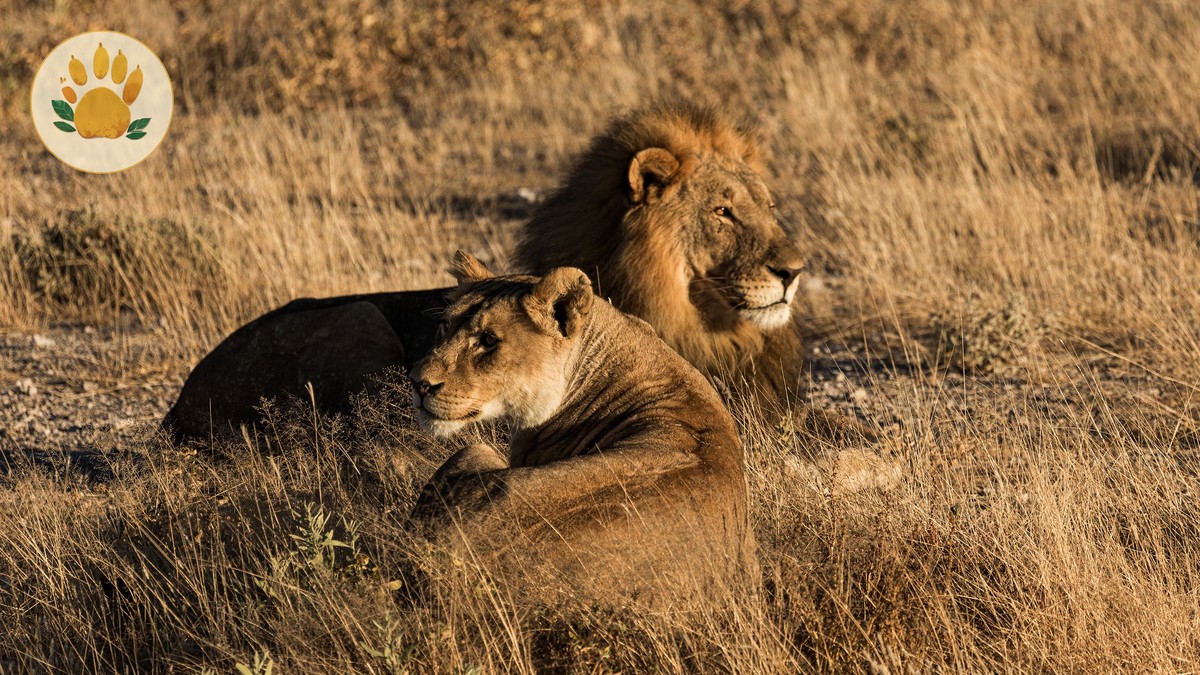
Private Conservancies vs. National Parks and Reserves
The activity gap between conservancies and government-run parks or reserves is the single biggest difference a repeat visitor notices.
National parks and reserves under Kenya Wildlife Service, plus the Narok County-run Masai Mara, generally restrict game drives to daylight hours, keep vehicles on marked tracks and do not allow walking with an armed guide. Private conservancies, because they operate under separate land-use agreements with local communities, can offer night drives with spotlights, guided walking safaris, fly-camping away from a permanent structure and bush breakfasts set well off any road.
This flexibility costs more. Conservancy fees are bundled into nightly rates that typically run USD 80 to 150 per person above the cost of a comparable public-reserve camp. For a second trip built around a handful of specific experiences rather than a checklist, most repeat travelers find it worth paying for.
Timing a Repeat Trip Differently
First safaris tend to cluster around July to October, chasing the wildebeest migration. A second trip can move off that calendar entirely.
January to March brings green scenery, newborn wildlife and lower rates across most regions, including the Mara reserve at its lower USD 100/day fee rather than the July-December USD 200/day peak rate. November’s short rains are quieter still, with fewer vehicles and dramatic skies, though some camps close for maintenance. Shifting season is one of the simplest ways to make a familiar park feel unfamiliar again.
Activities Worth Adding the Second Time
A first safari is built around game drives. A second one has room for slower formats.
Walking safaris put you at ground level with tracks, dung, birds and plants that a vehicle drives past. Night drives, only legal in conservancies, reveal genets, aardvarks, and hunting leopards. Photography hides at waterholes in Laikipia let you sit still for hours instead of moving on. Fly-camping puts you under canvas with no permanent structure nearby, a step beyond even a tented lodge.
None of this replaces the classics. It adds texture that a first-time itinerary rarely has room for.
Going Beyond the Big Five
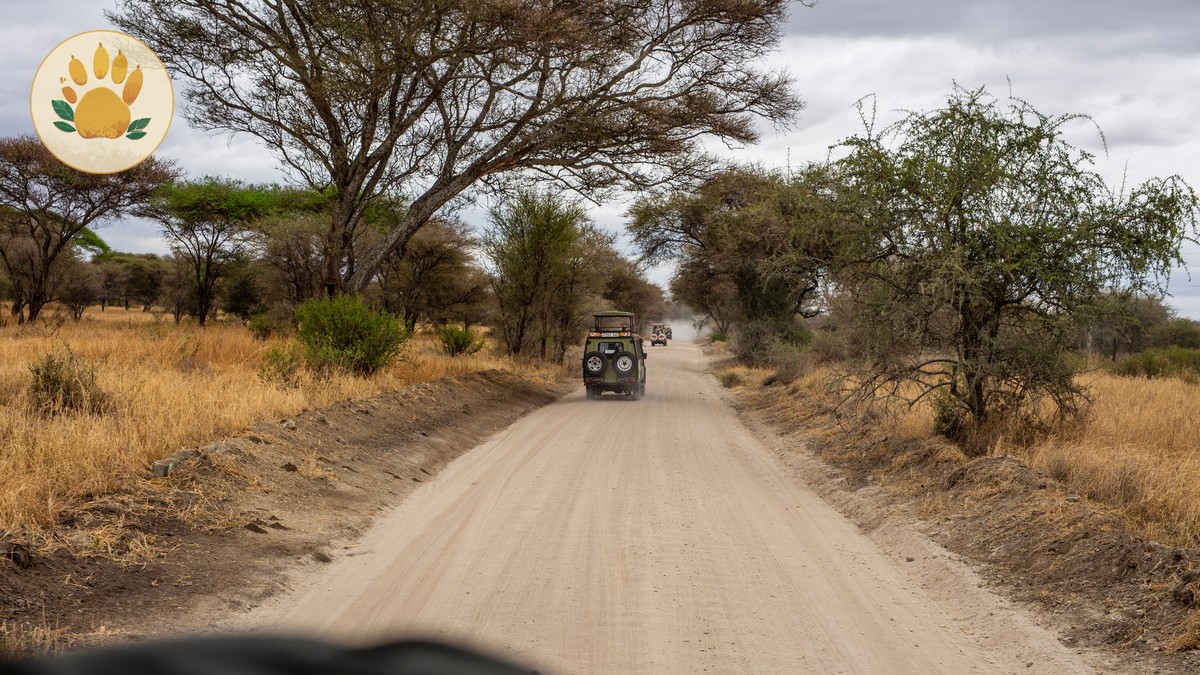
Once lion, leopard, elephant, buffalo and rhino are checked off, a second safari can chase species and behavior instead. Wild dog packs in Laikipia and around Ol Pejeta Rhino Sanctuary, striped hyena in the drier north, and the black leopard sightings that have made Laikipia known worldwide are all reasons to look past the Mara’s grassland cast.
How Long, and How to Pace It
First safaris often try to cover too much ground in too little time. A second trip does better with fewer camps and longer stays. Three nights in one conservancy, rather than one night each in three, gives guides time to learn what you want to see and follow it.
A 10 to 12 night second safari comfortably covers two regions, for example five nights split between Laikipia and Samburu, followed by four nights in a Mara conservancy. Shorter trips of 6 to 7 nights work better focused on one region explored in depth.
Combining Regions: Real Distances and Times
| Route | Distance | Drive Time | Charter Flight |
|---|---|---|---|
| Nairobi to Samburu | 340 km | 6-7 hours | 1 hour |
| Nairobi to Laikipia (Nanyuki) | 200 km | 3.5-4 hours | 45 minutes |
| Samburu to Laikipia | 90 km | 2 hours | 20-25 minutes |
| Laikipia to Masai Mara | 320 km | 7-8 hours (not recommended by road) | 1-1.5 hours |
| Nairobi to Masai Mara | 270 km | 5-6 hours | 45 minutes |
Road transfers between the north and the Mara are long and not recommended given the terrain. Most operators route these legs by scheduled or chartered light aircraft, which keeps a multi-region trip practical inside 10 to 12 days.
Budgeting for a Second Safari
Conservancy stays, added activities and internal flights all push a second safari above the average cost of a first Mara-only trip. As a rough guide, expect USD 600 to 900 per person per night in a private conservancy during peak season, against USD 350 to 550 per night for a comparable reserve-adjacent lodge outside the Mara conservancies. Charter flights between regions typically add USD 150 to 350 per person per leg. The gap buys exclusivity, activity access and time, which is usually what a repeat traveler is paying for in the first place.
The SafariPure Difference
We plan second safaris differently from first ones. Rather than defaulting to another Mara itinerary, we start by asking what your first trip was missing, whether that is quiet, walking access, rarer species or a season you have not seen. We work directly with conservancies in Laikipia, Samburu and the Mara ecosystem, so we know current bed rates, activity restrictions and which camps suit longer, slower stays rather than one-night stops. Every itinerary we build states real drive and flight times up front, not estimates discovered on arrival.
FAQ
Where should I go on my second Kenya safari? Consider Samburu, Laikipia or a Mara conservancy instead of the public reserve. Each offers wildlife and activities your first trip likely did not include.
Is it worth doing a second safari in Kenya? Yes, particularly if the first trip stayed inside one reserve. Kenya’s regions differ enough in landscape and species that a second trip rarely repeats the first.
Should I go back to the Masai Mara or somewhere new? Both work. A Mara conservancy stay feels different from a reserve visit, while Samburu or Laikipia offer entirely different terrain and species.
What’s different about a second safari compared to a first? Fewer camps, longer stays, more focus on activities like walking safaris and night drives, and often a shift away from peak migration season.
How much does a second Kenya safari cost compared to a first-timer’s trip? Expect higher nightly rates in conservancies, roughly USD 600-900 per person per night in peak season, plus charter flights between regions.
Can you combine Samburu, Laikipia and the Mara in one itinerary? Yes. A 10 to 12 night trip comfortably covers all three, connected by short charter flights rather than long road transfers.
Plan It With SafariPure
If your first trip was the Mara and you are ready for what comes next, we can build an itinerary around Samburu, Laikipia or a Mara conservancy that fits how you actually want to travel. Get in touch to start planning or browse our tour pages for a starting point.