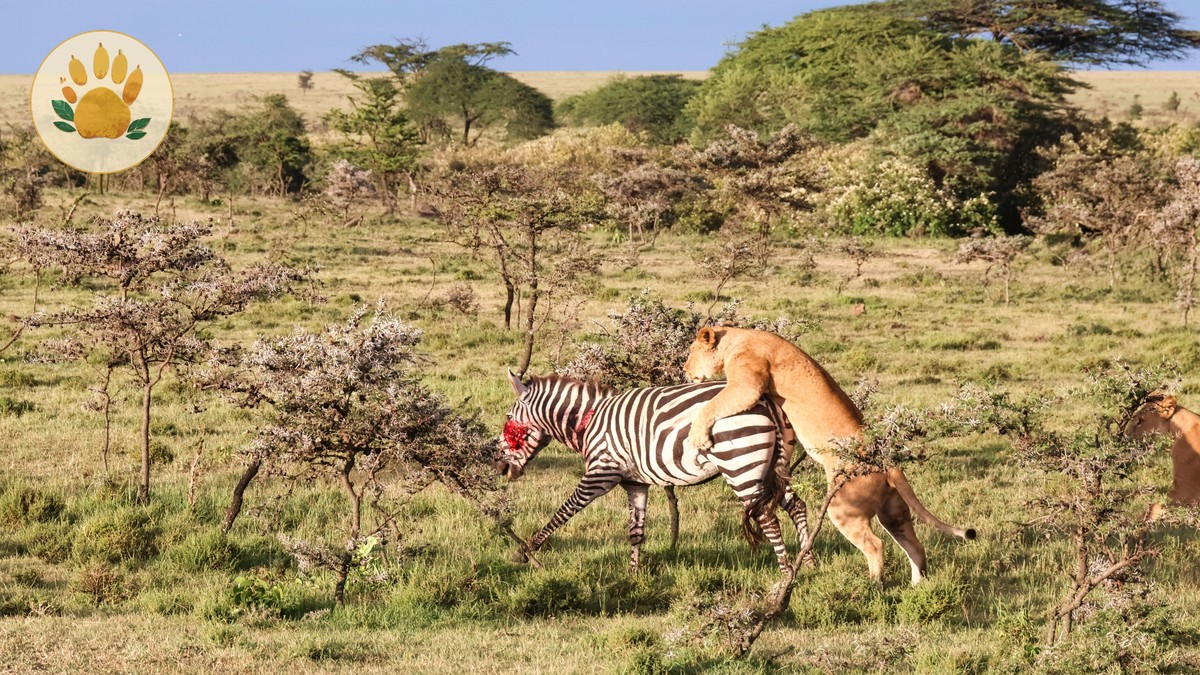
You have seen the Masai Mara National Reserve. Maybe you watched the herds cross the Mara River in July, or you sat in a line of safari vehicles while a leopard dozed in a fig tree. It was magnificent. It was also busy.
This masai mara private conservancy guide explains the alternative. Private conservancies sit on the same ecosystem, share the same wildlife, and offer a different way to experience it. Fewer vehicles, off-road driving, night drives, walking safaris. You pay more for these privileges. The question is whether they are worth it for you.
I will give you real numbers, real conservancy names, and honest trade-offs. No hype, just the practical detail you need to decide.
Masai Mara Private Conservancy Guide: What It Is
A private conservancy is land bordering the Masai Mara National Reserve, owned by Maasai communities and leased by safari operators. The land is set aside for wildlife. Livestock grazing is managed, and lodges are limited to a small number of beds per square kilometer.
The result is a controlled, low-impact safari experience. Where the reserve can feel crowded, conservancies keep vehicle numbers low. Where the reserve forbids off-road driving, conservancies allow it with rules. Where the reserve closes at dusk, conservancies permit night drives.
There are about 15 conservancies in the Mara ecosystem. The main ones for visitors are Mara North, Naboisho, Ol Kinyei, Olare Motorogi (often called OM), and Olderkesi. Each has its own character, its own camps, and its own access to the migration.
Private Conservancy Versus the Masai Mara National Reserve
The reserve is run by Narok County Government. It is the classic safari experience. You enter through a gate, pay a daily fee, and drive on designated tracks. Off-road driving is prohibited. Vehicle numbers at sightings are not strictly limited, and in peak season, they can be high.
A conservancy is private land. You stay in a lodge, and the nightly rate includes conservation fees, game drives, and usually all meals. Access is restricted to guests of the member camps. This means you share sightings with a handful of vehicles, not dozens.
Here is the honest trade-off. The reserve has one thing no conservancy can guarantee: the Mara River crossings. The river marks the western boundary of the reserve, and most crossings happen inside reserve territory. If your single goal is to see the wildebeest cross, the reserve is the safer bet.
Conservancies offer the better overall experience for most repeat visitors. You see the same wildlife, but with more freedom and far fewer crowds.
| Feature | Masai Mara National Reserve | Private Conservancy |
|---|---|---|
| Entrance fee (non-resident) | USD 100/day Jan-Jun, USD 200/day Jul-Dec | Bundled into nightly camp rate |
| Off-road driving | Prohibited | Allowed with guide rules |
| Night drives | Not allowed | Allowed |
| Walking safaris | Not allowed | Allowed with armed guide |
| Vehicle limit at sightings | Not strictly enforced | Usually 3 to 5 vehicles max |
| Mara River crossing access | Direct | Limited; depends on conservancy |
| Typical all-inclusive rate | USD 300 to USD 800 per night | USD 450 to USD 1,200 per night |
| Best for | First-timers, crossing-focused trips | Repeat visitors, photographers, families |
Key Benefits: Fewer Vehicles, Off-Road Driving, Night Drives, and Walking Safaris
Let me break down the four main advantages of a conservancy stay.
Fewer vehicles. This is the biggest difference. In the reserve, a leopard sighting can attract 20 vehicles. In a conservancy, the rules cap vehicles at a sighting, usually between three and five. Your guide can position the vehicle properly. You get better photographs and a calmer experience.
Off-road driving. When a cheetah hunts or a lion rests in thick bush, reserve guides must stay on the track. In a conservancy, your guide can drive carefully off-road to give you a clear view. This is a major advantage for photographers and for anyone who wants a closer look.
Night drives. The reserve closes at 6:30 pm. No exceptions. In a conservancy, night drives are standard. You see nocturnal species: serval cats, aardwolves, genet cats, and sometimes leopard on the hunt. A night drive adds a completely different layer to your safari.
Walking safaris. You cannot walk in the reserve. In a conservancy, you can walk with an armed guide. It is humbling to be on foot among elephants and buffalo. It also teaches you the small things: tracks, insects, plants, and birdlife you miss from a vehicle.
Main Drawbacks: Higher Rates, Limited Camp Choice, and Possible Extra Costs
Honesty requires naming the downsides.
Higher rates. Conservancy camps cost more. The all-inclusive nightly rate at a mid-range conservancy camp runs roughly USD 600 to USD 900 per person. Top-end camps can exceed USD 1,200. Reserve camps can be cheaper, particularly outside peak season.
Limited camp choice. The reserve has dozens of lodges and camps. Conservancies have fewer options. Each conservancy has between 5 and 15 camps, and they fill up fast in high season. If you have specific dates, you may need to book many months ahead.
Possible extra reserve-entry costs. If your conservancy camp offers a day trip into the reserve for river crossings, you pay an extra entrance fee. It is USD 200 per adult per day in peak season. Some camps include one reserve visit in the rate. Most do not. Ask before you book.
Major Conservancies Compared: Mara North, Naboisho, Ol Kinyei, Olare Motorogi, and Olderkesi
Here is a quick look at the five main conservancies.
Mara North. The largest conservancy at roughly 32,000 hectares. It sits west of the reserve, close to the river. Excellent resident wildlife, good migration access in some months, and a strong mix of camps from classic to luxury. Airstrip: Mara North Airstrip, about 45 minutes from Nairobi by light aircraft.
Naboisho. About 20,000 hectares, east of the reserve. Known for its high predator density, especially lions. Limited vehicle numbers make it one of the quietest conservancies. Airstrip: Naboisho Airstrip. The drive from the airstrip to camp is generally 20 to 40 minutes.
Ol Kinyei. One of the first conservancies, around 7,000 hectares. Intimate and low-key, with fewer camps. Good for walking safaris and night drives. Airstrip: Ol Kinyei Airstrip or nearby Siana Springs.
Olare Motorogi (OM). About 12,000 hectares, directly bordering the reserve’s northern boundary. Famous for big cat viewing, especially the Marsh Pride lions. The vehicle cap is strict, often fewer than five cars at a sighting. Airstrip: Olare Motorogi Airstrip.
Olderkesi. On the eastern side, bordering the reserve. Slightly less famous, but quieter and often more affordable. Good for families. Airstrip: Olderkesi Airstrip, or road transfer from Sekenani Gate, about 45 minutes.
Wildlife Viewing and Great Migration Considerations
All five conservancies have strong resident wildlife. Elephant, buffalo, giraffe, zebra, and wildebeest live here year-round. Predators are abundant, and lion densities in Naboisho and OM are among the highest in Africa.
The Great Migration is a different matter. The wildebeest and zebra move through the ecosystem based on rainfall. They are not on a schedule. In some years, the herds spend weeks in Mara North in August and September. In other years, they barely enter it, crossing instead at the reserve’s main river points.
If watching a river crossing is your priority, you need a flexible plan. Stay in a conservancy with access to the reserve, and be willing to pay the day fee for reserve entry. Or split your stay, as I discuss below.
Conservancy Fees and What Is Included in the Nightly Rate
Conservancy fees are not optional extras. They are bundled into your nightly rate. When you book a camp in Naboisho or Mara North, your quoted rate includes:
- Conservation fees (the per-person contribution to the conservancy)
- Game drives in a shared or private vehicle
- Meals and most drinks
- Laundry and basic camp services
- Airstrip transfers on scheduled days
A typical all-inclusive rate for a mid-range camp is USD 600 to USD 900 per person per night in high season. In low season, it can drop to USD 400 to USD 600. Top-end camps, like those in the luxury category, run USD 1,000 to USD 1,500. These figures are indicative. Always confirm with your operator.
In the reserve, by contrast, the entrance fee is separate. Pay USD 200 per person per day in peak season at the gate, and book a camp rate that may or may not include meals. Ask your camp whether safari lodges include meals before you assume.
Best Camps and Lodges by Budget and Travel Style
Let me give you indicative ranges with named examples. These are illustrative, not endorsements; always check current availability.
Budget-conscious (USD 400 to USD 600 per night).
- Kicheche Valley Camp in Naboisho. Tented, intimate, excellent guiding.
- Encounter Mara Camp in Naboisho. Good value with a strong guiding team.
Mid-range (USD 600 to USD 900 per night).
- Mara Plains Camp in Olare Motorogi. Outstanding wildlife access.
- Kichwa Tembo in Mara North. Reliable, classic, family-friendly.
Luxury (USD 1,000 to USD 1,500 per night).
- Angama Mara on the Oloololo Escarpment. Unbeatable views, exceptional service.
- Mahali Mzuri in Olare Motorogi. Richard Branson’s property, stylish and low-impact.
Family-friendly.
- Kichwa Tembo in Mara North. Kids’ programs and flexible timing.
- Olderkesi Camp in Olderkesi. Private vehicles for families, easy pace.
Photographers.
- Olare Motorogi’s strict vehicle caps make it a top choice.
- Mara North has open terrain and skilled guides who know angles.
How to Choose the Right Conservancy
Ask yourself four questions.
What is my budget? If you need to stay under USD 500 per night, consider Olderkesi or low-season Naboisho. If budget is less of a concern, Mara North or OM offer the best combination of wildlife and exclusivity.
Do I care about river crossings? If yes, choose a conservancy close to the reserve’s crossing zones. Mara North has the best access, or book a split stay.
Am I a photographer? Prioritize strict vehicle caps. OM and Naboisho are your best bets.
Am I traveling with kids? Look for camps with private vehicles and flexible schedules. Olderkesi and Naboisho are both strong options.
Practical Logistics: Airstrips, Transfers, Vehicle Access, and Combining a Conservancy with the Reserve
Getting to a conservancy is straightforward. All major conservancies have their own airstrips. Light aircraft from Nairobi’s Wilson Airport take 45 to 60 minutes. From the airstrip, your camp provides a transfer vehicle.
You can also drive from Nairobi. The journey takes 5 to 6 hours to the Sekenani Gate area, and a similar time to most conservancy entrances. The roads are tarmac to Narok, then gravel and dirt. A 4×4 is essential.
Combining a conservancy with the reserve. This is a smart strategy for first-time visitors who want both. Spend 2 nights in a conservancy for the low-crowd experience, then 2 nights in a reserve camp for the crossing access. The conservancy camp can transfer you to the reserve gate, where you pay the day fee. This is also the answer to how many days to spend in the Masai Mara, a common question for planning.
The SafariPure Difference
SafariPure plans safaris with patience and field judgment. We do not sell the most expensive camp or the most famous name. We match conservancies and camps to your priorities, your budget, and your travel style.
When you plan with us, we confirm exact fees, whether meals are included, and whether a reserve day trip is part of your rate. We advise on airstrip logistics, transfer times, and the best seasons for specific conservancies. We also help with split stays, so you get the reserve crossings and the conservancy calm in one trip.
You get a safari that fits the way you want to travel. That is the point.
Ready to Plan Your Conservancy Safari?
A private conservancy stay is one of the best decisions a repeat Africa visitor can make. It is quieter, more exclusive, and more flexible than the reserve. With the right camp and the right conservancy, you trade a bit of river-crossing certainty for a far better overall experience.
Let us plan it with you. We will listen to your priorities, recommend the right conservancy and camp, and handle the logistics. Your time in the wild, done properly.
Plan your Masai Mara conservancy safari with SafariPure or contact us to start the conversation.