A secretary bird crossing open grass looks like nothing else in Kenya. Long legs, a raptor’s hooked bill, and a walk that covers ground faster than most people expect. Photographers who plan around this bird, rather than hoping to stumble on one, come home with the stomp-kill sequence instead of a distant grey shape in tall grass. This secretary bird sightings kenya safari guide covers where the sightings are reliable, which months favor a clear view, and how to set up your vehicle and timing for the hunt itself.
What a Secretary Bird Looks Like
Secretary birds stand about 1.3 meters tall, with an eagle’s body carried on crane-length legs. The name likely comes from the crest of black quill-like feathers at the back of the head, said to resemble pens tucked behind a secretary’s ear in old office custom.
They are easy to confuse with the grey crowned crane at a distance, since both are tall grey birds that walk through open grassland. The difference is in the face and gait. A crowned crane has a golden halo of stiff feathers and a red throat wattle, and it moves with a lighter, more mincing step. A secretary bird has a bare orange-red face patch, a raptor’s bill, and a heavier, deliberate stride built for hunting rather than display. Once you have seen both side by side, you will not mix them up again.
The Hunting Technique: Stomp, Strike, Kill
This is the behavior worth planning a sighting around. Secretary birds hunt on foot, walking steadily through grass and flushing prey with their feet. When they find a snake, rodent, or large insect, they deliver a rapid stamping strike, sometimes over 5 strikes per second. Each strike lands with several times the bird’s own body weight in force. Research on captive birds recorded strike forces high enough to kill a snake in a single blow.
It is a technique built for exactly one kind of prey: things that live at ground level in short grass, where the bird can see them and reach them without cover in the way. That single fact drives almost everything else in this guide, from the best month to visit to which vehicle seat gives you the clearest shot.
Diet: Snakes, Rodents, and Grasshoppers
Secretary birds are opportunistic ground hunters. Snakes get most of the attention, including venomous species that the bird kills before eating, but the everyday diet leans more on rodents, lizards, and insects, especially grasshoppers and locusts during a hatch. A bird will walk 20 to 30 kilometers in a day covering its territory, which is one reason a single fixed stakeout rarely works. You are more likely to find one by covering ground slowly than by waiting in one spot.
Best Time of Year: Grass Height Is the Real Calendar
Grass height controls visibility more than any migration pattern, since secretary birds are resident in Kenya year round and do not migrate.
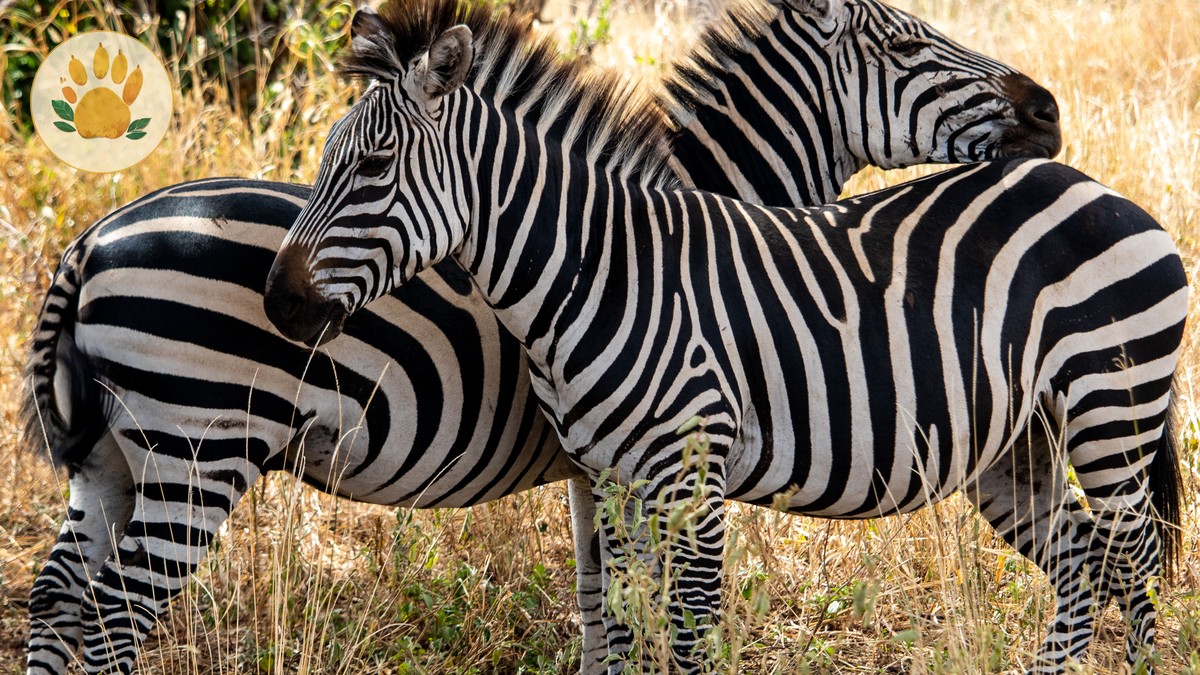
During the dry season, roughly late June through October and again in January and February, grazing pressure and lack of rain keep grass short across the Masai Mara ecosystem. This is when a secretary bird stalking prey is visible from 200 meters or more, and the stomp-kill sequence plays out in full view.
The long rains, typically April and May, bring grass up to knee height or higher in the Mara. Birds are still present but often only visible from the neck up, or heard rustling before you spot them. November’s short rains have a similar, milder effect. If a clear photograph of the hunting behavior matters more to you than avoiding crowds, build the trip around July to October or January to February.
Secretary Bird Sightings Kenya Safari: Where to Find Them
The Masai Mara ecosystem holds the largest resident population accessible on a standard safari, spread across the national reserve and the private conservancies on its northern and eastern borders. Mara North Conservancy, Naboisho Conservancy, and Olare Motorogi Conservancy all report regular sightings on the open plains bordering their acacia woodland, and Ol Kinyei Conservancy’s rolling grassland is another reliable stretch.
For travelers without time for a multi-day Mara trip, two parks close to Nairobi let you tick the species in a single outing. Nairobi National Park, just 7 kilometers from the city center, holds a small but resident population on its open plains, making it possible to see one before an evening flight out. Lake Nakuru National Park is roughly 160 kilometers and a 3 to 4 hour drive from Nairobi. Its grassland edges away from the lake shore are another dependable spot. Work this into the itinerary during morning game drives, when the birds are most active before the day heats up.
Conservancy vs. National Reserve: The Honest Trade-Off
Conservancies cost more per night but allow off-road driving, which matters when a secretary bird is hunting 40 meters off the track and the reserve rule keeps you on it. The national reserve costs less and has more vehicles, but a good driver-guide can still position you well on the open plains near the Mara Triangle or the Olare Orok area.
| Location | Distance from Nairobi | Drive time | Approx. park/conservancy fee (2025, non-resident adult) | Off-road driving |
|---|---|---|---|---|
| Masai Mara National Reserve | approx. 270 km | 5 to 6 hours by road, 45 min flight | approx. USD 100/day | Not permitted |
| Mara North Conservancy | approx. 270 km | 5 to 6 hours by road, 45 min flight | approx. USD 100/day (conservancy fee) | Permitted |
| Naboisho Conservancy | approx. 260 km | 5 to 6 hours by road | approx. USD 100/day (conservancy fee) | Permitted |
| Olare Motorogi Conservancy | approx. 270 km | 5 to 6 hours by road | approx. USD 100 to 120/day | Permitted |
| Nairobi National Park | 7 km | 20 to 30 minutes | approx. USD 43/day | Not permitted |
| Lake Nakuru National Park | approx. 160 km | 3 to 4 hours by road | approx. USD 60/day | Not permitted |
Fees are indicative ranges based on 2025 published rates and change with park management decisions, so confirm current pricing before booking.
Photographing Secretary Birds on Safari
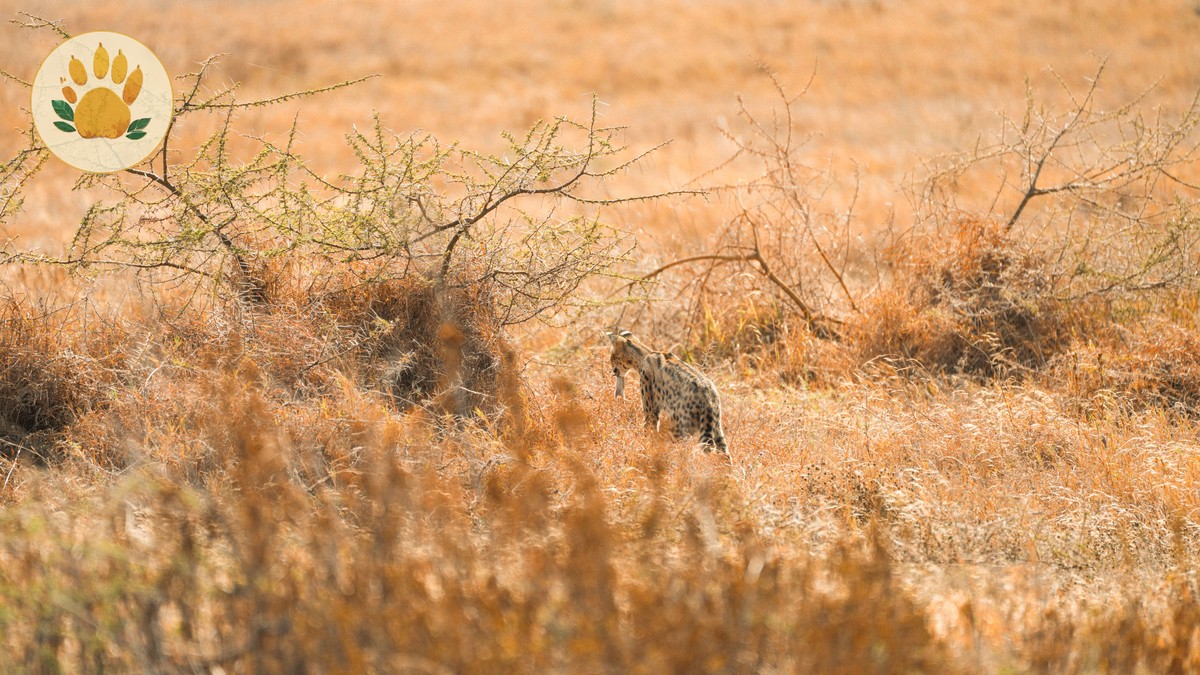
Low, side-raking light is what separates a flat record shot from a real image, which puts the first and last hour of daylight ahead of midday glare. A vehicle with a pop-up roof or a photo-configured Land Cruiser, sitting low enough to shoot at the bird’s eye level, does more for the final image than any amount of zoom. If you are choosing lenses for this trip, our guide to photographing secretary birds on safari covers the focal lengths that work best for a bird that hunts across open, unpredictable distances.
Patience matters more than persistence. A secretary bird walking a territory will often circle back through the same patch of grass within an hour, so a guide who is willing to wait quietly nearby, engine off, usually gets a better sequence than one who chases the bird across the plain.
Is the Secretary Bird Rare or Endangered?
The IUCN lists the secretary bird as Vulnerable, with the population believed to have declined due to habitat loss, fencing that fragments open grassland, and collisions with power lines. It is not common in the sense of being seen on every drive, but in the right habitat and season, sightings are reliable rather than rare, which is exactly why planning around location and month pays off.
The SafariPure Difference
We build itineraries around what a species actually needs to be seen well, not around a generic loop of parks. For a bird that hunts on foot across open ground, that means picking the right month for grass height, choosing a conservancy or reserve based on how close you need to get, and briefing your guide in advance on the behavior you are after. Our guides know which stretches of Mara North, Naboisho, and Olare Motorogi hold resident pairs, and they plan the drive route around them rather than treating a sighting as luck.
Plan Your Sighting
If watching a secretary bird stomp out a kill on open grassland is on your list for this trip, we can build the route, the season, and the vehicle setup around it. Have a look at our Masai Mara safari packages or get in touch through our contact page to start planning.