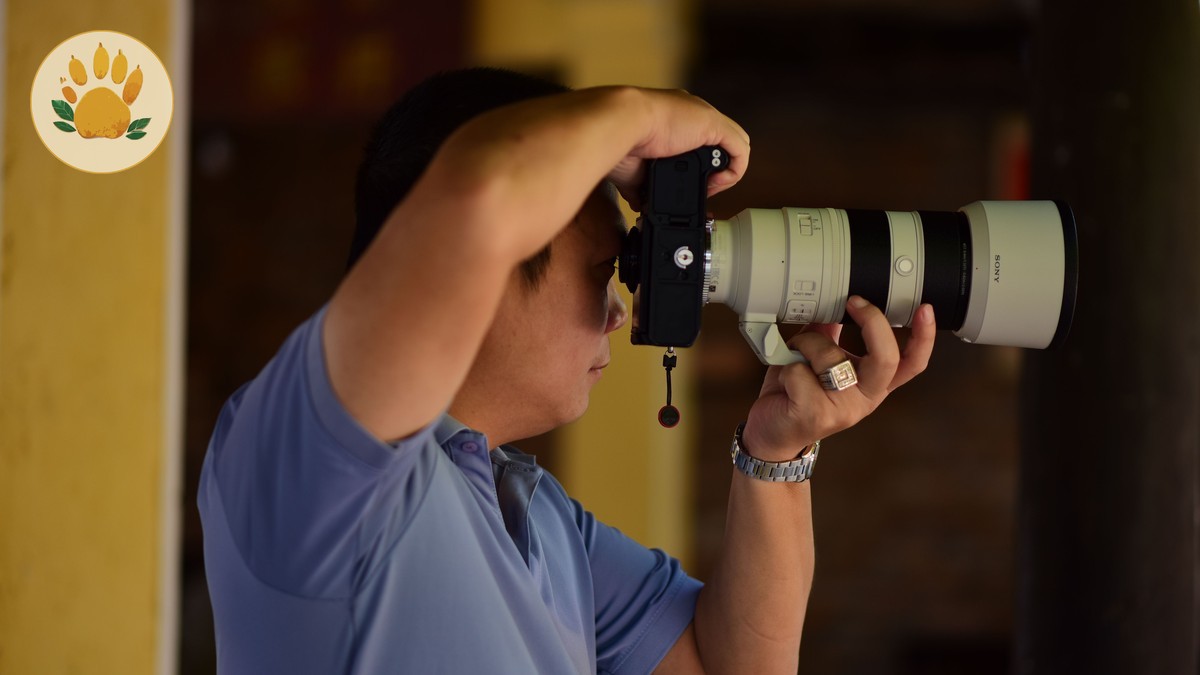
Every gear review agrees on roughly the same answer: bring something in the 100-400mm range, and 150-600mm if you can carry it. That advice is sound, but it comes from people who have never sat in a Land Cruiser at 6:15am watching a leopard cross a track 45 meters away. The right focal length depends on where you are driving, whether your vehicle can leave the track, and how much weight your domestic flight will let you check. This guide gives the best lens focal length safari photography advice from inside the vehicle, not from a studio shelf.
Best lens focal length safari photography: the short answer for most travelers
For a first Kenya safari, a 100-400mm zoom covers close to 90 percent of what you will actually photograph: lions resting near the track, elephants at a waterhole, a giraffe browsing 60 meters out. If you can afford the extra weight, a 150-600mm or 200-600mm zoom adds real value for distant cats and birds without forcing you to choose one focal length for the whole drive. Anything under 300mm at the long end will leave you cropping heavily on a laptop back at the lodge, which costs you resolution you cannot get back.
Why animals stay far away, and why the vehicle can’t help
Rules differ by location, and that changes what lens actually earns its keep. In the Maasai Mara National Reserve, vehicles must stay on track, so a sighting 60 to 80 meters away often stays that far for the whole encounter. In the private conservancies bordering the reserve, such as Naboisho, Olare Motorogi, and Mara North, a limited number of vehicles per sighting are allowed to leave the track, closing the gap to 15 or 20 meters. Amboseli National Park sits on open, dusty plains where elephants and Mount Kilimanjaro’s backdrop are stunning but animals often stay 50 to 150 meters off, with no off-road driving permitted. Samburu National Reserve, along the Ewaso Ng’iro river, allows limited off-track movement near water but keeps distances tighter than Amboseli.
| Location | Typical viewing distance | Off-road driving | Fee (indicative, per person per day) | Focal length that earns its keep |
|---|---|---|---|---|
| Maasai Mara National Reserve | 30-80m, more on open plains | Not allowed | Roughly $80-100 (Narok County rate, check current pricing) | 300-500mm |
| Mara conservancies (Naboisho, Olare Motorogi, Mara North) | 10-30m | Allowed, vehicle numbers limited | Roughly $100-120 conservancy fee | 100-400mm, sometimes 70-200mm |
| Amboseli National Park | 50-150m | Not allowed | Roughly $60-70 (KWS rate, check current pricing) | 400-600mm |
| Samburu National Reserve | 20-50m near the river | Limited | Roughly $70 | 300-400mm |
These numbers are indicative. Park fees change with the season and the exchange rate, so confirm current rates before you book.
Zoom versus prime, the honest trade-off
A 400mm f/2.8 or 600mm f/4 prime lens delivers sharper images and better low-light performance than almost any zoom. It also costs $10,000 to $13,000, weighs 3 to 4 kilograms, and needs a bean bag or gimbal to hold steady. For a repeat visitor chasing a specific bird species or low-light action, that trade makes sense. For a one-off trip, it rarely does. A 100-400mm or 150-600mm zoom lets you reframe instantly when an animal moves closer or a second sighting appears, which happens often on a shared game drive vehicle.
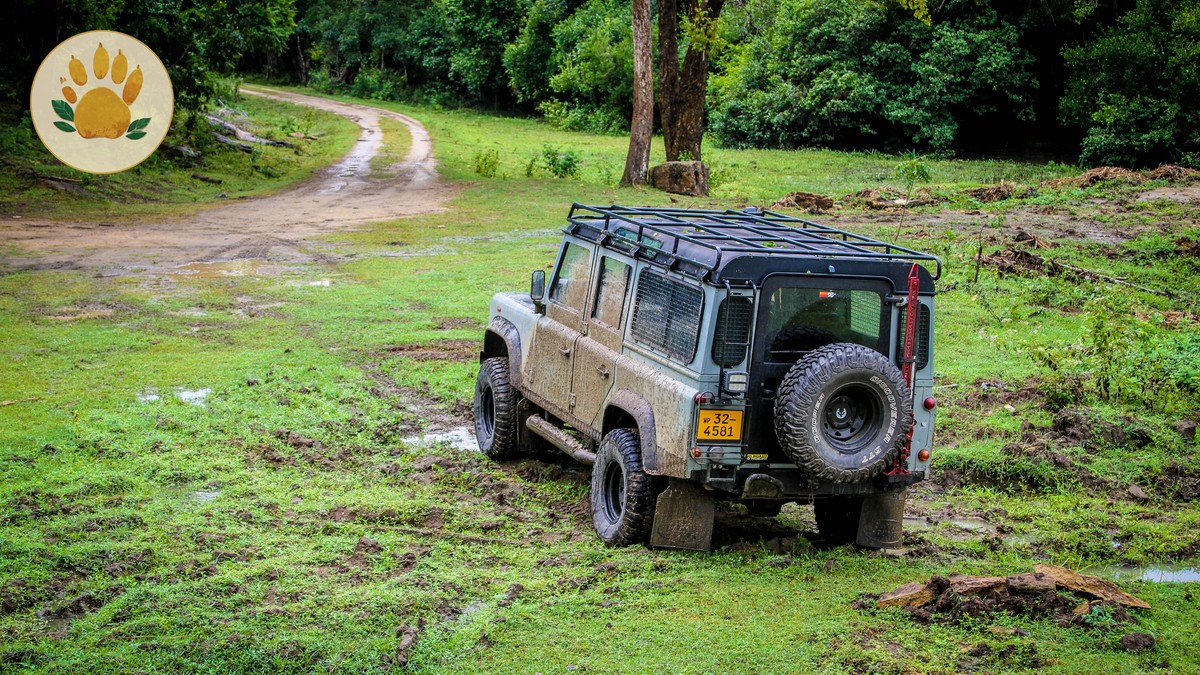
Lens choices by camera system
Canon shooters have the RF 100-400mm and RF 200-800mm. Nikon offers the Z 100-400mm and Z 180-600mm. Sony’s FE 200-600mm has become a common sight on Mara game drives. Sigma and Tamron both make 150-600mm options for under $1,500, roughly a third of the first-party price, and they perform well enough for most safari work. None of these choices is wrong. The decision comes down to weight you can carry through Wilson Airport and money you want tied up in glass.
A second body instead of constant lens swaps
Changing lenses in a moving vehicle, in dust, at 6am, is how sensors get dirty. Many photographers on repeat trips carry two bodies instead, one with a 24-70mm or 24-105mm for wide shots of the vehicle, the landscape, and the light itself, and one with the telephoto already mounted. It adds weight, but it removes the risk of missing a moment while swapping glass at the wrong second.
Aperture and light at dawn and dusk
The best sightings often happen in the first and last hour of light, when apertures of f/5.6 or slower force high ISO settings. A lens that opens to f/4 across its zoom range, rather than f/5.6 or f/6.3, buys real stops back at the moments that matter most. If you want a fuller sense of how light shapes a morning drive, our golden hour game drive tips cover how guides time positioning around the sun.
Keeping a long lens steady in a moving vehicle
Vehicle design affects how you brace a long lens. A standard Land Cruiser pop-top gives you roughly 60 to 70 centimeters of extra height when raised, enough to rest a bean bag on the roof frame while standing. Window mounts work from a seated position but limit your angle when an animal is close. A monopod helps in a stationary vehicle but is awkward when driving between sightings. Most guides on Kenyan safaris recommend a bean bag over a tripod, since a tripod has no practical use inside a vehicle.
Extra reach for bird photography
Kenya’s birdlife rewards anyone carrying more than 400mm. A malachite kingfisher on a reed, a lilac-breasted roller in flight, or a martial eagle at 40 meters all need 500 to 600mm to fill the frame well. If birds are a priority rather than an afterthought, read our guide to the best parks for bird photography in Kenya before deciding how much reach to pack.
Rent or buy for a one-off trip
Renting a 150-600mm lens for a two-week trip typically costs $150 to $250 through a camera rental service, against $1,200 to $1,800 to buy new. For a single Kenya trip, renting makes financial sense unless you already shoot wildlife regularly at home. Book the rental early and test it for a full week before departure, so any focus or stabilization issue surfaces while you can still exchange it.
Budget tiers worth knowing
An entry-level superzoom, such as an 18-400mm on a crop-sensor body, can produce usable images for a first trip at a fraction of the cost. A mid-range 100-400mm or 150-600mm zoom, in the $700 to $2,000 range, is where most serious wildlife photographers land. Beyond that, professional primes start above $6,000 and are built for photographers who return to the same conservancy season after season, including through the green season safari photography in Kenya, when lower light and dramatic skies reward the extra investment.
Luggage limits that shape every choice above
Domestic flights within Kenya, on carriers like Safarilink and AirKenya, generally cap checked baggage around 15 kilograms in a soft-sided bag, with hand luggage limited to about 5 kilograms. A 600mm f/4 prime alone can weigh close to 4 kilograms with its body attached. That constraint, more than any review site’s ranking, is often what decides whether a heavy prime lens makes the trip at all.
The SafariPure Difference
Most lens guides are written by reviewers who have never driven the tracks they are describing. We plan Kenya itineraries around actual sighting distances in the Mara Reserve, the conservancies, Amboseli, and Samburu, and we know which vehicles in our fleet have pop-tops tall enough for a bean bag and which seating positions give the cleanest angle. When we recommend a lens range, it is based on where your specific itinerary will take you, not a generic top-ten list.
Plan the trip around your gear
If you want an itinerary built around the sightings and light your lens can actually reach, get in touch through our contact page and we will help you match the route to your equipment before you book a single flight.