If you have already done the Masai Mara, this Ol Pejeta rhino sanctuary guide answers a different question. It is not about wildebeest crossing a river. It is about watching a black rhino at close range, on foot or from a vehicle, in a place built specifically to keep that animal alive. This guide covers what that costs, what it involves, and where the experience falls short of the marketing.
The Ol Pejeta Rhino Sanctuary Guide: Northern White Rhinos That Still Matter
Ol Pejeta is the largest black rhino sanctuary in East Africa. By recent counts it holds more than 160 black and southern white rhinos combined, an indicative figure that shifts as births and transfers happen. That density alone makes rhino sightings far more reliable here than in open reserves like the Mara.
The conservancy is also home to Najin and Fatu, the last two northern white rhinos on Earth. Both are female, both live under armed guard around the clock, and neither can carry a pregnancy naturally. You can visit them at their enclosure, learn about the frozen-embryo work trying to save the subspecies, and see what extinction looks like in slow motion. It is a sobering stop, not a cheerful one.
Beyond Rhinos: Wildlife and Sweetwaters Chimpanzee Sanctuary
Ol Pejeta carries the full Big Five, including a healthy lion population and Kenya’s largest population of endangered Grevy’s zebra. Reticulated giraffe, cheetah and African wild dog are regular sightings. Birdlife is strong along the Ewaso Nyiro River, with fish eagles and kingfishers common near the water.
Inside the conservancy sits Sweetwaters Chimpanzee Sanctuary, run with the Jane Goodall Institute. It holds chimpanzees rescued from war zones and the illegal pet trade across Central Africa, none of them native to Kenya. Feeding times let you watch social behavior up close, and guides explain each animal’s rescue story. It is a short stop, usually under an hour, but it adds a different kind of wildlife encounter to the day.
Safari Activities and What They Cost
Standard game drives run at dawn and dusk, included in most lodge packages. Beyond that, Ol Pejeta offers add-ons not available in most Kenyan parks: rhino tracking on foot with armed rangers, night drives with spotlights, and lion tracking using radio collars. Rhino tracking involves following a ranger who monitors collared or ear-notched rhinos, and you learn how the conservancy identifies individual animals in the field.
Expect to pay an indicative USD 40 to 80 per person for rhino tracking and similar for a night drive, on top of standard park fees. These prices vary by lodge and season, so confirm current rates before booking. It also helps to negotiate a fair price for add-on activities like rhino tracking, since rates are rarely fixed and lodges often quote differently for the same experience. If this is your first time doing activities like these, it is worth reading what to expect on your first Kenya game drive before you go, even as a repeat visitor trying something new.
Where to Stay, by Budget
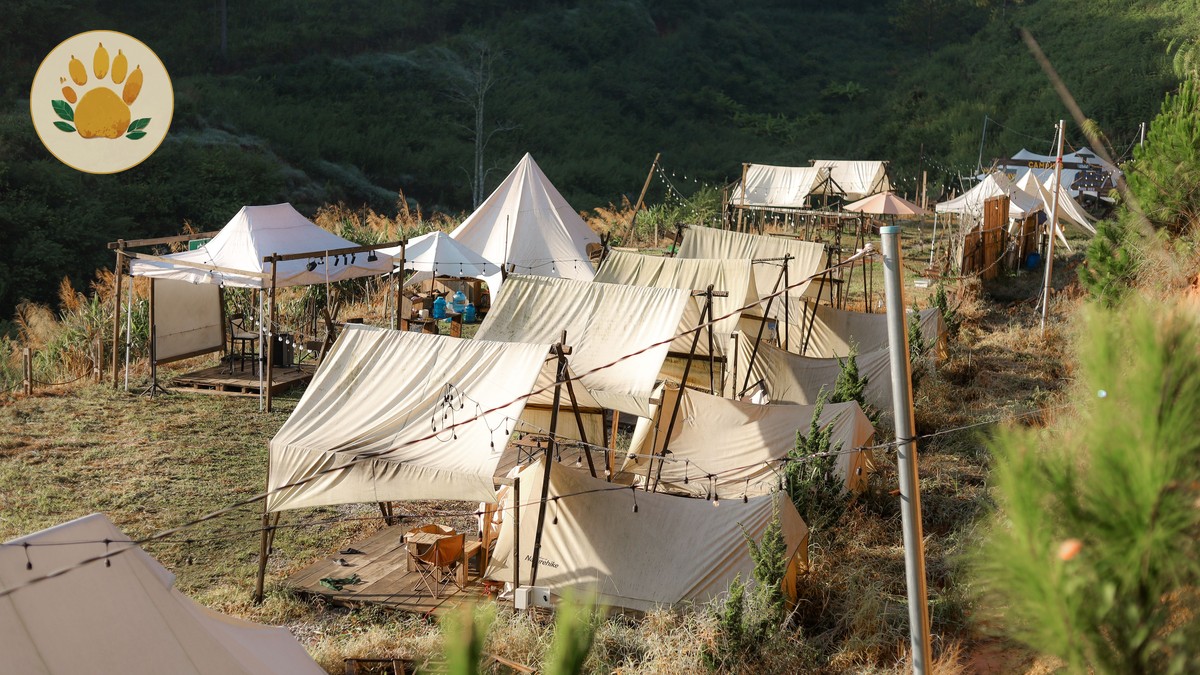
Options range from simple tented camps to high-end lodges, both inside the conservancy and in nearby Nanyuki.
| Camp or lodge | Tier | Location | Indicative price/night (USD, per person, full board) |
|---|---|---|---|
| Nanyuki town hotels | Budget | ~30 min from main gate | 60-120 |
| Ol Pejeta Bush Camp | Budget to mid | Inside conservancy | 200-300 |
| Sweetwaters Serena Camp | Mid | Inside conservancy | 300-400 |
| Porini Rhino Camp | Mid to upper | Inside conservancy | 350-450 |
| Kicheche Laikipia Camp | Upper | Borders conservancy | 500-650 |
All figures are indicative and change with season and exchange rates, so treat them as a planning guide rather than a quote.
Park Fees and Practical Costs
Ol Pejeta charges an indicative USD 90 to 100 per non-resident adult per day, separate from KWS-administered parks. Rates depend on the booking channel and time of year, so confirm the current figure directly with the conservancy or your lodge before you travel. Children and East African residents pay lower rates.
Best Time to Visit: Dry Season vs Green Season
The dry months, roughly June through October and January through February, give the clearest roads and the best rhino tracking conditions, since animals cluster near remaining water sources. The green season, March to May and November, brings fewer vehicles, lush scenery and lower lodge rates, but some tracks turn to mud after heavy rain. For a repeat visitor who has already seen the dry-season Mara crowds, Ol Pejeta’s green season is genuinely worth considering.
Getting There from Nairobi
Most visitors drive. The road runs through Nyeri and Nanyuki, then to the conservancy’s main gates.
| Route | Distance | Typical time |
|---|---|---|
| Nairobi to Nanyuki (road) | ~200 km | 3.5-4 hours |
| Nanyuki to Ol Pejeta main gate | ~20-30 km | 30-45 minutes |
| Nairobi (Wilson Airport) to Nanyuki (air) | ~180 km | ~45 minutes |
Scheduled flights land at Nanyuki airstrip, with a road transfer to your camp. A 4×4 is not strictly required on the main tracks, but rains turn some routes rough, and most lodges include game drives in a proper safari vehicle anyway. If you are weighing your own rental against a driver-guide, it helps to decide between self-driving and a guided tour before you commit to a route.
Ol Pejeta or Masai Mara? The Honest Comparison
| Factor | Ol Pejeta Conservancy | Masai Mara National Reserve |
|---|---|---|
| Distance from Nairobi | ~200 km, 3.5-4 hrs | ~270 km, 5-6 hrs (or 45 min flight) |
| Non-resident daily fee | USD 90-100 (indicative) | USD 100 (Jan-Jun) / USD 200 (Jul-Dec) |
| Signature draw | Rhino density, chimp sanctuary | Wildebeest migration, open plains |
| Fencing | Partially fenced, ranch-like feel | Largely unfenced, open ecosystem |
| Weekend crowds | Heavy, popular Nairobi weekend trip | Heavy in peak season, lighter midweek |
Here is the part most guides skip. Ol Pejeta is partly fenced to protect its rhinos, and on weekends it can feel more like a well-run wildlife ranch than a wild ecosystem. Nairobi residents treat it as a two-day escape, so Saturday traffic on the tracks is real. If open horizons and a sense of wilderness matter more to you than guaranteed rhino sightings, the Mara still wins that argument. If you want reliable rhino encounters and rescued chimpanzees in one stop, Ol Pejeta is hard to beat, weekday visits included.
A Two-Day Itinerary, and Combining It With Samburu
Two nights at Ol Pejeta is enough for two game drives, one rhino tracking session, and a visit to Sweetwaters Chimpanzee Sanctuary. Repeat visitors often extend north from here. Samburu National Reserve sits roughly 100 km further, about 2 hours by road, and pairs naturally with Ol Pejeta for a five- to seven-day Laikipia-Samburu loop. The Aberdare forests lie closer, about 90 minutes southwest, and suit travelers who want highland forest and elephant corridors before heading back to Nairobi.
What to Pack and Prepare
Laikipia sits higher than the Mara, so mornings and evenings run cooler, often down to 12°C. Bring a warm layer, sturdy closed shoes for bush walks, and binoculars for rhino tracking on foot. A neutral-colored outfit works better than bright colors for game drives. Cash in small USD notes covers tips and incidental purchases at camp shops.
The SafariPure Difference
We plan Ol Pejeta trips around your actual priorities, not a fixed script. If you want the quiet weekday version with real rhino tracking time, we build the schedule around that. If Samburu or Aberdare fits your days, we route it properly instead of bolting it on. We also tell you plainly when a weekend visit means more vehicles at the rhino sightings, so you decide with full information, not a brochure version of the place.
Plan Your Ol Pejeta Trip
Ready to add Ol Pejeta to your Kenya itinerary the right way? Visit our Ol Pejeta safari tours page to see current itineraries, or reach out through our contact page to start planning a trip built around your travel dates and interests.