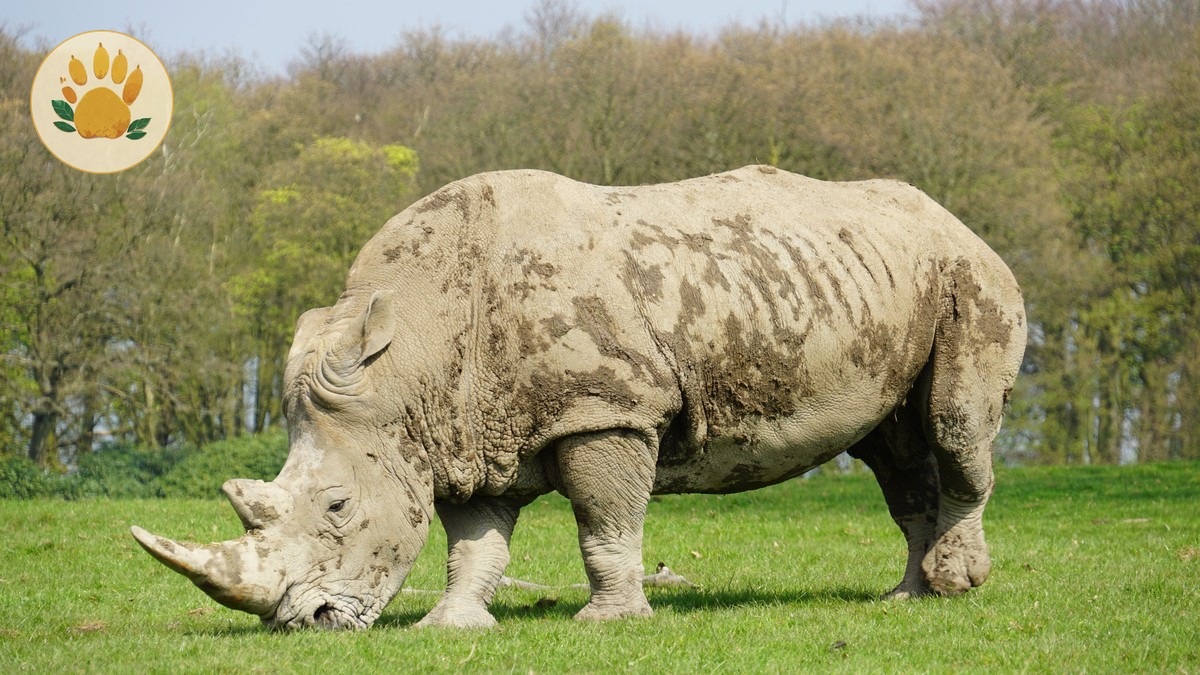
Ol Pejeta rhino tracking cost is an easy number to find. The full cost of the day is the complicated part. Most visitors see US$70 per adult and think that covers everything. Then they arrive at the gate and pay more. This guide gives first-time safari travelers one clear budget line before they book.
How Much Is the Ol Pejeta Rhino Tracking Cost?
Ol Pejeta rhino monitoring or tracking costs US$70 per adult in 2026. Some current tariff listings show the same price as about KES 9,060. Children may pay less, often around US$35 for comparable conservation activities. The exact child rate depends on the activity, so confirm it when you book.
You will see two names for this experience. Ol Pejeta often calls it rhino monitoring. Travel websites often call it rhino tracking. They point to the same kind of guided conservation activity.
The important part is where the price appears. The US$70 activity fee is not part of your normal game drive. It is a separate add-on. A morning safari drive may pass rhinos without any extra charge. Joining a ranger to focus on finding and monitoring rhinos is what triggers the activity fee.
Ask one question before you book: does your price include the tracking fee or just the entry fee? Lodge packages can bundle them in different ways.
What Does the Rhino Tracking Fee Include?
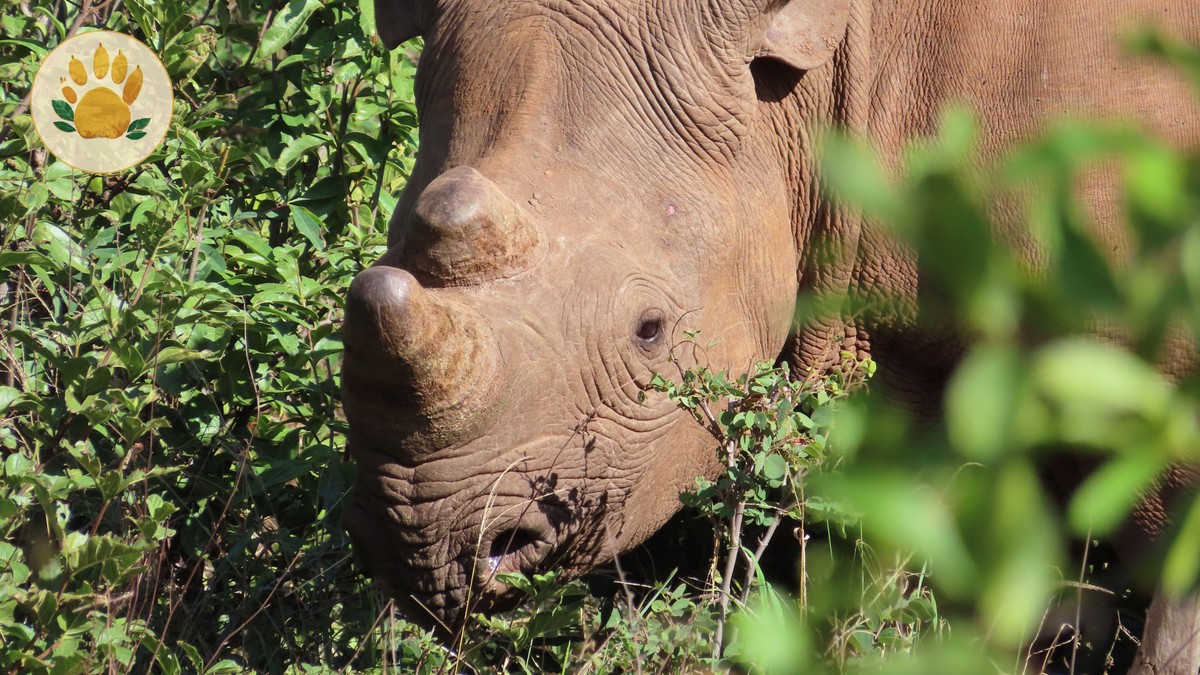
The fee generally covers a ranger-led conservation activity focused on identifying and monitoring rhinos. That includes field interpretation and tracking methods. The ranger may explain how staff identify individual animals by their ears, horns, and body marks.
The exact format can vary. Some sessions are mostly vehicle-based. Others may include short sections on foot with ranger support. Rhinos do not stay still, so the route depends on where the animals are feeding and resting. The ranger uses radio contact, footprints, and other field signs to work out where to look.
Your fee also supports the conservancy’s rhino monitoring work. That work funds ranger patrols, veterinary care, and data collection. It is a conservation activity, not just a sightseeing stop.
The fee does not automatically include:
- Ol Pejeta Conservancy entry
- Transport to the conservancy
- Accommodation
- Meals
- A private vehicle
- Other park or conservancy activities
When a lodge arranges tracking, the overall price may combine these items differently. Always ask which fees sit inside the package and which ones sit outside.
If you are building a full Kenya itinerary, the Ol Pejeta safari cost breakdown shows how lodging, game drives, and meals change the daily total.
What Entry Fees and Total Visit Cost Should You Budget at Ol Pejeta?
A non-resident adult should budget US$70 for rhino monitoring plus a separate Ol Pejeta entry fee, currently listed by some 2026 sources at about US$110 per day. That creates a starting activity and entry total of about US$180 per adult before transport, meals, accommodation, or other experiences. Resident and citizen rates are lower.
Use this table as a quick worksheet.
| Line item | Expected price for a non-resident adult | Note |
|---|---|---|
| Rhino tracking or monitoring activity | US$70 per adult | Some current tariff lists show about KES 9,060 |
| Child conservation activity | About US$35 per child | Confirm the exact child rate at booking |
| Ol Pejeta Conservancy entry | Around US$100 to US$120 per day | US$110 is commonly cited for 2026 |
| Starting total | About US$180 per adult | Activity plus entry, before transport and meals |
Ol Pejeta is a private conservancy in Laikipia, not a Kenya Wildlife Service national park. Its entry fee is set by the conservancy, not by KWS. If you self-drive, there may also be a separate vehicle fee. On a lodge stay, the vehicle may already be part of your package.
For a full list of gate and vehicle charges, see our guide to Ol Pejeta conservancy fees.
How Long Does Rhino Tracking Take, and Do You Need to Book Ahead?
Rhino tracking usually takes around two to three hours and operates as a guided activity with limited availability. Morning and afternoon scheduling is common, while exact departure times can vary by the conservancy or lodge arranging the booking. Reserve ahead, especially during peak safari months.
The experience is not a drop-in activity. Rangers need to plan the route, check radio reports, and confirm how many people are joining. If you arrive without a booking, you may be turned away or asked to wait.
Most visitors stay at Nanyuki or inside the conservancy. Sweetwaters Serena Camp is one of the well-known places to stay inside Ol Pejeta. The drive from Nairobi to the Nanyuki area is roughly 200 km and can take 3.5 to 4.5 hours, depending on traffic and road conditions.
Early morning often works well because rhinos are more active before the heat of the day. A late afternoon slot can also work before the gate closes. Ask the lodge or conservancy office for the current meeting time and meeting point when you book.
Ol Pejeta Rhino Tracking or Northern White Rhino Visit: Which Is Right for You?
Rhino tracking is the better choice for visitors who want field skills, ranger interpretation, and a conservation-focused activity, while the northern white rhino visit offers a more predictable scheduled encounter. Both are commonly priced at about US$70 per adult, but they deliver different experiences.
| Detail | Rhino tracking or monitoring | Meet the Northern White Rhinos |
|---|---|---|
| Type of experience | Ranger-led field activity | Scheduled visit to a sanctuary area |
| Main focus | Learning how rhinos are located and watched | Seeing the two remaining northern white rhinos |
| Typical length | 2 to 3 hours | Usually a shorter set slot; confirm exact time |
| Common price | About US$70 per adult | About US$70 per adult |
| Setting | Open Ol Pejeta range | The northern white rhino sanctuary |
| Best for | Visitors who like field interpretation | Visitors with limited time or a fixed schedule |
Choose the northern white rhino visit if you want a structured activity that fits neatly into one day. The story is important. The conservancy protects the last two northern white rhinos, and the visit helps explain the conservation work around them.
Choose rhino tracking if you want to understand how monitoring works in practice. You will learn to read the landscape, see how rangers identify individual rhinos, and get a slower and more educational field experience. Tracking is more exploratory. The exact sighting experience depends on where the rhinos are and how the morning unfolds.
If you want composed photo time from one fixed position, the Ol Pejeta photography hide is a different option. It is not a substitute for field tracking, but it may suit photographers who prefer waiting in one place.
The SafariPure Difference
SafariPure plans conservancy visits with the same patience we use on a long safari drive. We start with the budget numbers, not guesswork. When we book rhino tracking for you, we confirm the current Ol Pejeta rhino tracking cost, the entry fee, the pickup point, and exactly what is included.
SafariPure is a small team, and we choose guides who can explain why a rhino footprint matters. We also leave room for the parts of a safari no one can schedule: a buffalo crossing the track, a rain shower moving over the plains, or an extra twenty minutes while a rhino feeds.
If you are overwhelmed by options, you do not need a longer list. You need one clear plan. That is the SafariPure difference.
What Do First-Time Visitors Ask about Ol Pejeta Rhino Tracking?
How much does rhino tracking cost at Ol Pejeta?
Ol Pejeta rhino monitoring or tracking costs about US$70 per adult, equivalent to roughly KES 9,060 in current listings. The activity fee is separate from the conservancy entry fee, transport, and accommodation.
Is rhino tracking included in the Ol Pejeta entry fee?
No. Rhino tracking is an additional conservation activity charged separately from the daily entry fee. A non-resident adult should budget for both charges before adding transport, meals, or lodging.
How long does Ol Pejeta rhino tracking take?
The experience typically lasts two to three hours. It is a ranger-led activity that may include walking, tracking interpretation, and vehicle support. The exact format can change with conditions and the day’s itinerary.
Do you need to book Ol Pejeta rhino tracking in advance?
Advance booking is recommended because ranger-led conservation activities have limited capacity. Ask the conservancy or your lodge to confirm the current time, meeting point, price, and what transport or equipment is included.
What is the difference between rhino monitoring and meeting the northern white rhinos?
Rhino monitoring focuses on field observation and conservation methods. Meeting the northern white rhinos is a scheduled visit to see the sanctuary’s two remaining northern white rhinos. Both activities are commonly listed at US$70 per adult. Monitoring is more educational and exploratory, while the white rhino visit is more predictable.
Ready to Plan Your Ol Pejeta Rhino Tracking Safari?
At the 2026 prices in this guide, a non-resident adult should start with about US$180 for rhino tracking plus the entry fee. A full day from Nairobi also includes road time, a driver, and meals, so a clear plan matters. SafariPure can help you choose between tracking and the northern white rhino visit, arrange a lodge inside the conservancy, and confirm every fee before you travel. Start planning with SafariPure on our contact page, and we will build the day around the way you like to travel.