Ol Pejeta Conservancy is one of the most reliable places in Kenya for water-level photography. The day-visitor hippo hide makes hide photography easier than in most parks. This Ol Pejeta photography hide guide covers costs, access, best light, wildlife, and gear so you can choose the right hide for your dates and your camera bag.
What Does This Ol Pejeta Photography Hide Guide Recommend?
Ol Pejeta offers an accessible hippo hide beside a waterhole, plus lodge-based options including the Porini Rhino Camp photographic hide and a waterhole hide at Kicheche Laikipia. The hippo hide suits day visitors. Lodge hides suit photographers who want longer, quieter sessions.
The hippo hide sits at water level, giving you low angles that are hard to match from a safari vehicle. Day visitors can book a session without staying inside the park, using the conservancy’s normal entry gates.
Porini Rhino Camp has a dedicated photographic hide inside Ol Pejeta. Kicheche Laikipia, in the wider Laikipia ecosystem, offers a similar setup and often pairs with Ol Pejeta on a longer safari. Both are quieter than the day-visitor hide because sessions are limited to camp guests.
How Much Does an Ol Pejeta Photography Hide Cost?
Budget roughly $20 to $40 for the hide add-on, then add the conservancy entry fee, transport, and any guide or private-use charge. The hide fee is separate from entry, and operators price sessions differently. Ask for a written total covering access, duration, capacity, and inclusions before paying.
The $20 to $40 range covers the hide add-on only. It excludes the Ol Pejeta Conservancy entry fee, which the conservancy sets rather than Kenya Wildlife Service. Entry charges apply to day visitors and overnight guests unless a lodge package already includes them. See our post on current Ol Pejeta conservancy fees for an updated figure.
Transport adds another cost. Self-drive visitors pay for fuel and the vehicle entry permit. Guided visitors pay for a driver, a vehicle, and possibly a spotter. If you stay at Porini Rhino Camp or Sweetwaters Serena Camp, ask whether hide access is bundled into the nightly rate.
| Hide option | Who it suits | Access type | Typical price note | Distance from Nairobi |
|---|---|---|---|---|
| Ol Pejeta hippo hide | Short sessions, day visitors | Book through conservancy or partner camp | Hide add-on roughly $20-$40 per person plus entry fee | 3 to 4 hours by road |
| Porini Rhino Camp hide | Serious photographers, rhino specialists | Overnight guests, hide arranged by the camp | Hide access usually included in the camp rate | Fly to Nanyuki, then short road transfer |
| Kicheche Laikipia waterhole hide | Unhurried sessions with few photographers | Overnight guests, hide arranged by the camp | Hide access included in the camp rate; confirm current rates | Around 3.5 to 4.5 hours by road |
How Do I Book and Access the Hide?
Book the hippo hide through the conservancy, the operator managing the experience, or a lodge such as Sweetwaters Serena or Ol Pejeta Bush Camp. Confirm whether day visitors are accepted, the meeting point, session length, maximum photographers, current add-on price, and whether entry is included.
Day visitors can use the hippo hide, the clearest access route for a one-time session. When you arrange conservancy entry, ask how to reserve a hide slot, since capacity may be shared or limited during August and September.
Guests at Sweetwaters Serena or Ol Pejeta Bush Camp should ask their camp to coordinate hide time. Lodge hides are more flexible for sunrise and late-afternoon use because you are already inside the conservancy.
From Nairobi, the most common route is by road, taking three to four hours depending on traffic and the final gate. For a faster option, fly from Wilson Airport to Nanyuki and transfer by road. Check whether your package already includes the conservancy entry fee; independent travelers pay it separately. Our Ol Pejeta safari cost breakdown can help you compare value before booking a lodge.
What Is the Best Time of Day and Season for Photography?
Arrive at least 30 minutes before dawn for the strongest light and the best chance of varied waterhole activity. July to October and January to March are generally productive dry-season periods, though waterholes attract animals year-round. Reserve popular sessions four to six months ahead, especially for peak August and September travel.
First light is the most reliable time at any hide. The low sun warms the dust and water, and animals often visit after a cool night. Late afternoon is a close second, as shadows grow long and elephants, buffalo, and antelope return to the water before dark.
If you book a day-visitor session, ask for the first or last slot of the day. If you stay at a lodge, the camp guide can schedule your hide time around the best light. Dry months bring animals closer to permanent water, while wet months bring greener scenery but more scattered wildlife.
What Wildlife and Photographic Subjects Can I Expect?
Expect strong opportunities for elephants, buffalo, hippos, zebra, warthogs, birds, and antelope at Ol Pejeta’s water-focused hides. Black rhino may appear but is never guaranteed. The low camera position creates reflections and dramatic eye-level perspectives.
Hippos often float close to the hide edge. Elephants approach with clear intention, and buffalo push through the reeds between water and grass. Herons, kingfishers, egrets, and plovers move along the shoreline, giving you practice shooting exposure against dark water. Zebra and warthogs arrive in family groups, good subjects for wider environmental shots.
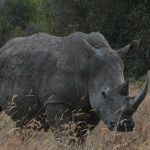
Black rhino draws many visitors to Ol Pejeta, and the conservancy has a strong rhino population, but rhinos do not follow a hide schedule. If rhino photography is your main goal, combine hide time with a guided rhino drive. Check the Lewa rhino tracking safari guide as a possible add-on.
What Camera Gear and Hide Technique Works Best?
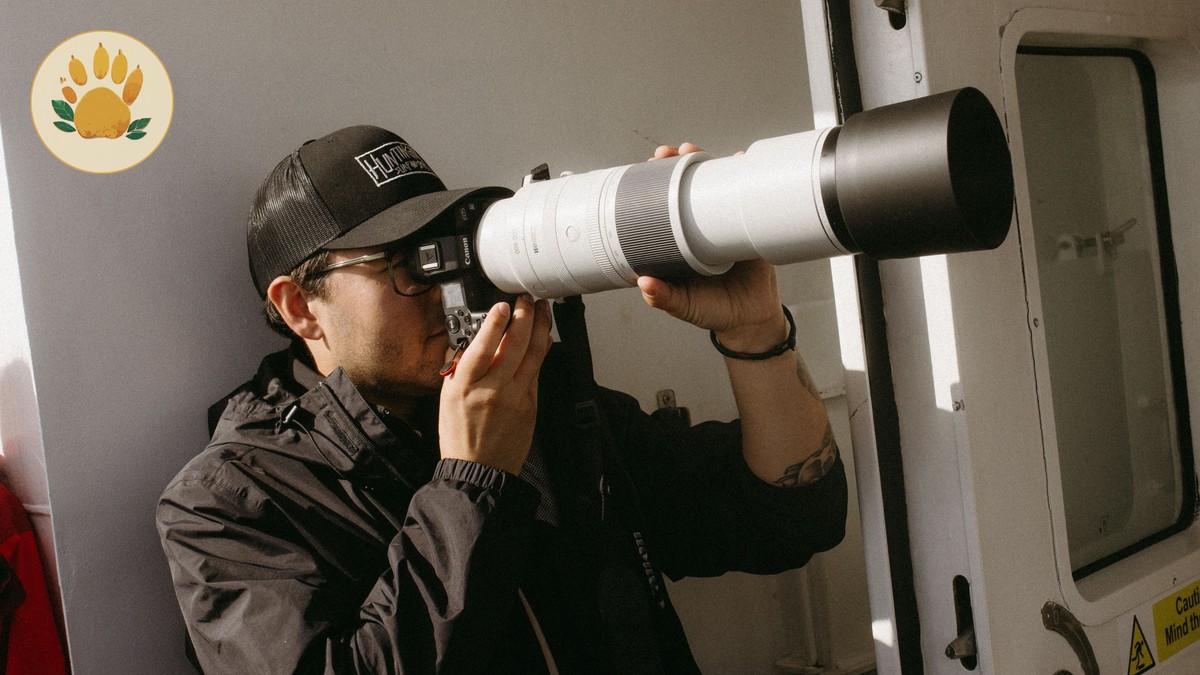
Take a wide-to-standard zoom such as 16-35mm or 24-70mm for close animals at the waterline, plus a telephoto lens for birds and distant subjects. Use a beanbag or compact support, protect gear from dust and splashes, and keep movements and sounds to a minimum.
A 24-70mm is often enough when animals come within a few meters of the hide. A 16-35mm creates dramatic foregrounds with reflections. For animals farther off, a 100-400mm or 70-200mm gives more reach without extra weight.
Skip the full-size tripod in a small hide. A beanbag on the sill is easier and quieter, or carry a compact monopod braced against your body. Keep spare batteries in a sealed pocket, since cold mornings drain them faster.
Hide technique matters as much as lenses. Do not lean far out of the opening, and keep your silhouette below the hide line. Turn off focus beeps and phone sounds. When you stop talking and moving, animals behave naturally.
What Rules, Comfort, and Practical Logistics Should I Know?
Follow the conservancy’s access rules, stay in designated areas, and never approach or pressure wildlife for a photograph. Ol Pejeta prohibits off-road driving without authorization, and commercial filming or drones require prior permission. Ask about shade, seating, toilet access, weather exposure, and walking requirements before booking.
Ol Pejeta is a working wildlife conservancy, not a zoo. Visitors must respect closed areas and stay inside vehicles or hides when directed. Do not leave food or wrappers behind, and never chase an animal for a better angle.
Some hides are covered, others open-sided. Morning sessions can be cold, and rain can arrive quickly, so carry a rain cover, a warm layer, and a sealed dry bag for lenses. If you are not staying overnight, confirm the walking distance from the parking area to the hide, and pack light enough to move quietly.
Frequently Asked Questions
How much does the Ol Pejeta photography hide cost?
The hide add-on is commonly quoted at about $20 to $40 per person, separate from Ol Pejeta’s conservancy entry fee. Confirm the current price, session length, capacity, and whether a guide or private booking costs extra.
Can day visitors use the Ol Pejeta photography hide?
Yes, the hippo hide is accessible to day visitors, unlike some lodge-based hides reserved for overnight guests. Confirm availability and session times when arranging conservancy entry, since capacity may be shared or limited.
What animals can you photograph from the Ol Pejeta hide?
Likely subjects include hippos, elephants, buffalo, zebra, warthogs, birds, and other plains wildlife. Black rhino occasionally visits, but sightings are never guaranteed. A dedicated rhino drive or lodge waterhole may work better for rhino-focused photography.
What lens should I take to the Ol Pejeta photography hide?
A 16-35mm or 24-70mm zoom works for large animals close to the waterline and low-angle compositions. Add a telephoto lens for birds and distant animals. Bring a beanbag or compact support rather than a bulky tripod.
How far is Ol Pejeta from Nairobi?
The drive from Nairobi generally takes about three to four hours, depending on route, traffic, and final destination. Flying from Wilson Airport to Nanyuki and transferring by road is faster if you want more time at the hide.
The SafariPure Difference
SafariPure plans Ol Pejeta visits with photographers in mind. We match you to the right hide, confirm session times before you travel, and build an itinerary around early light, quiet waterholes, and patient guiding. Our guides know when to wait and when to reposition, and we keep vehicle and hide logistics clear from the first quote.
Fees and hide availability change, so SafariPure works from current Ol Pejeta pricing and seasonal patterns. Whether you choose the day-visitor hippo hide or a longer lodge-based session at Porini Rhino Camp, we handle the booking details and set realistic expectations about rhino sightings.
SafariPure is a good match for photographers who want to extend the trip. A typical Kenya photography safari can combine the Ol Pejeta hide with a private conservancy, a rhino tracking drive, or a few days in the Masai Mara. Each stop is chosen for light, wildlife behavior, and your patience level.
Ready to Book Your Ol Pejeta Photography Hide?
Bring your camera and your patience. The low light over the water is worth the early alarm. SafariPure can plan your Ol Pejeta photography hide session, arrange entry, book a hide seat or camp stay, and line up road or air transfers. If you want a longer Kenya photography safari, we can add rhino tracking at Lewa or another conservancy.
Reach SafariPure through our contact page and tell us which dates you have in mind. We will confirm hide availability, current add-on costs, and conservancy fees before you book.