Both lakes sit in Kenya’s Rift Valley, both are within a half day’s drive of Nairobi, and both get bundled into “top lakes to visit in Kenya” lists. In the Lake Nakuru vs Lake Naivasha debate, that does not make them interchangeable. Lake Nakuru is a fenced national park built around game drives and a strong chance of seeing rhinos. Lake Naivasha is an open freshwater lake ringed by private conservancies, best known for boat rides, hippos, and cycling at Hell’s Gate. If you only have time for one, the choice comes down to what you actually want to do.
This guide gives you the real numbers: distances, 2026 park fees, named lodges, and a straight answer for which lake suits a first safari.
Location, distance and drive time from Nairobi
Lake Nakuru sits about 160 km northwest of Nairobi, inside Lake Nakuru National Park near Nakuru town. The drive takes roughly 2.5 to 3 hours on the A104, depending on traffic through Naivasha and Gilgil.
Lake Naivasha is closer, about 90 km from Nairobi, and takes 1.5 to 2 hours on the same road. It sits just past the Rift Valley escarpment, before you reach Nakuru.
The two lakes themselves are about 75 to 90 km apart, roughly 1.5 hours by road. That proximity is why so many itineraries visit both on one loop.
Physical characteristics
Lake Nakuru is a shallow, alkaline soda lake inside a national park of about 188 square km, including surrounding grassland and acacia woodland. Its water chemistry supports algae blooms that once fed enormous flamingo flocks.
Lake Naivasha is a freshwater lake, unusual for the Rift Valley, fed by rivers draining from the Aberdares. It covers roughly 140 square km and supports papyrus swamp, fish, and a large hippo population. Because it is freshwater, it also supports flower farms and small-scale fishing along its shores.
Wildlife and birdlife comparison
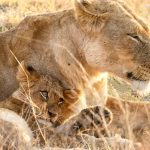
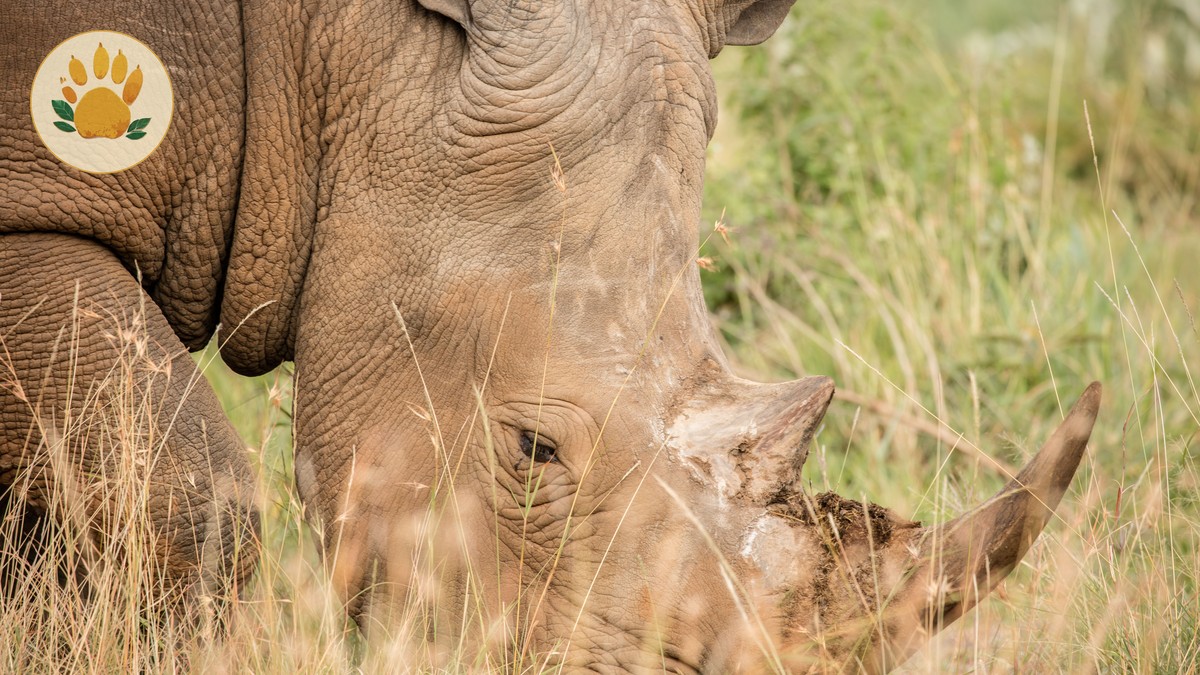
Lake Nakuru National Park is fenced, which concentrates wildlife and makes sightings more predictable. It holds both black and white rhino, along with lion, leopard, buffalo, giraffe, and waterbuck. If rhinos matter to you, read your odds of spotting lions at Lake Nakuru before you go, since lion sightings here are less guaranteed than rhino ones.
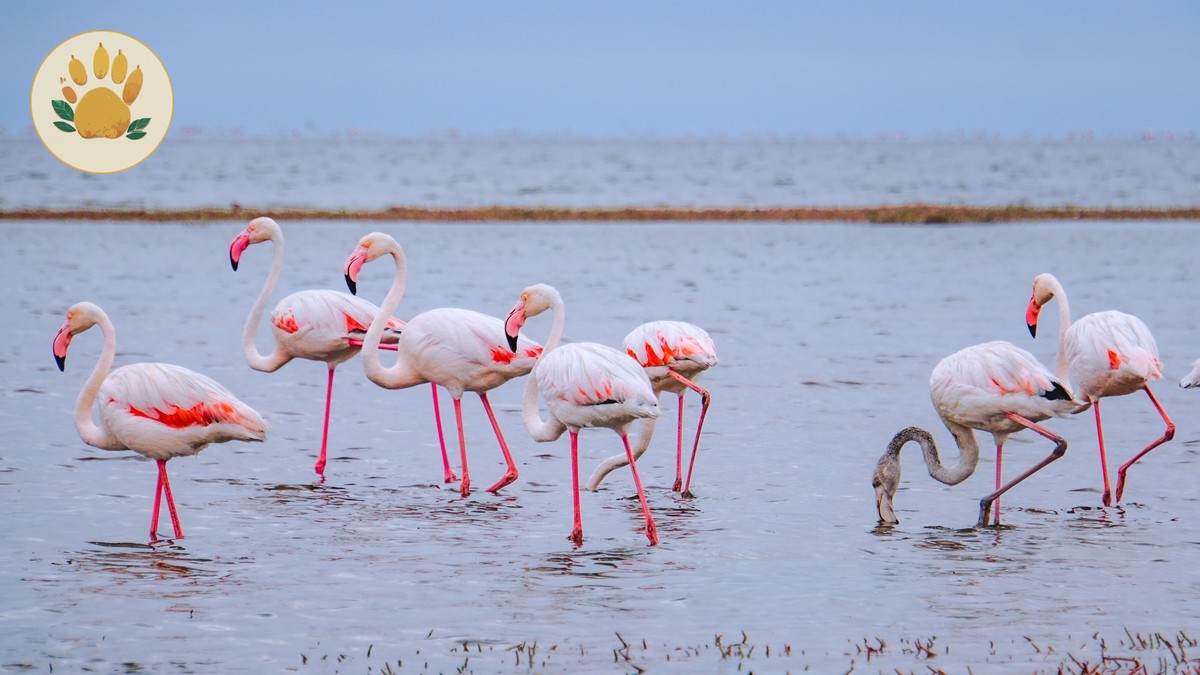
Many visitors still expect pink flamingos to line the shore. That flock has largely moved on. We cover why the flamingos left Lake Nakuru in more detail, but in short, water level changes pushed most birds to Lake Bogoria and Lake Elementaita. Do not book Nakuru for flamingos alone in 2026.
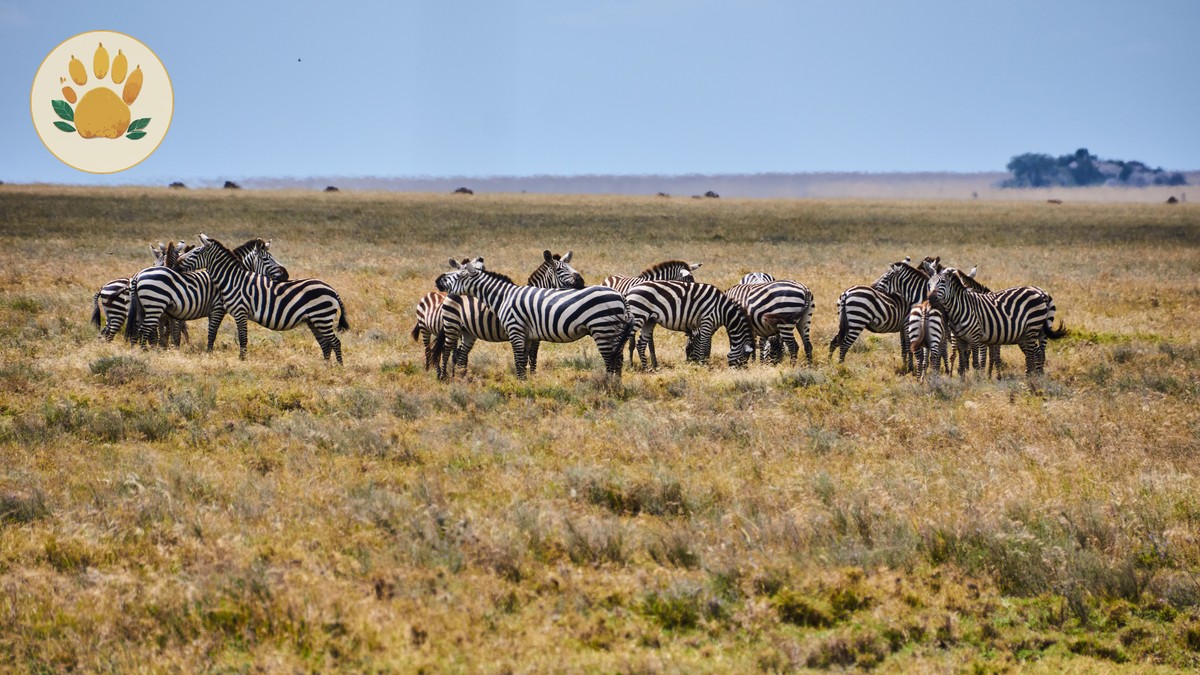
Lake Naivasha is not fenced, so its wildlife centers on the water and shoreline. Expect large hippo pods, over 400 recorded bird species, giraffe and zebra on Crescent Island, and colobus monkeys around Green Crater Lake. It does not offer predator sightings on the level of Nakuru.
Activities
Lake Nakuru is built for game drives. Most visitors do a morning and afternoon circuit by vehicle, with stops at Baboon Cliff and Out of Africa viewpoint for lake panoramas. Walking outside the vehicle is not permitted except at designated points.
Lake Naivasha offers a different pace. Boat rides run close to the hippos and papyrus edges, usually 1 to 2 hours, and cost roughly USD 20 to 30 per person as an indicative range. Crescent Island Game Sanctuary, reached by boat, allows walking safaris among giraffe, zebra, and antelope with no predators present, for an indicative USD 60 per person including boat transfer.
Nearby, cycling through Hell’s Gate near Naivasha is one of the few places in Kenya where you can bike past wildlife and dramatic gorge scenery on foot or by bicycle.
Cost and park entry fees
Lake Nakuru charges a standard KWS park fee. Lake Naivasha itself has no single entry fee, since it is not a national park, but nearby attractions each charge separately.
| Site | Fee type | Non-resident rate | Notes |
|---|---|---|---|
| Lake Nakuru National Park (KWS) | Daily park entry | USD 90/adult/day | Vehicle and camping fees extra |
| Hell’s Gate National Park | Daily park entry | Indicative USD 30/adult/day (confirm before travel) | Near Naivasha, cycling allowed |
| Crescent Island Game Sanctuary | Private sanctuary entry | Indicative USD 60/person | Includes boat transfer |
| Lake Naivasha boat ride | Per boat or per person | Indicative USD 20 to 30/person | Price varies by operator and group size |
Vehicle entry fees at KWS parks typically add a small charge per car, and camping fees apply separately if you are not staying at a lodge. Confirm current rates with your operator before travel, since KWS updates fees periodically.
Accommodation and facilities
Lake Nakuru’s lodges sit inside or just outside the park fence. Sarova Lion Hill Game Lodge and Lake Nakuru Lodge both overlook the park, with indicative rates from USD 200 to 350 per person per night, full board. Flamingo Hill Tented Camp offers a simpler tented option in a similar price band.
Lake Naivasha has a wider spread. Lake Naivasha Sopa Resort and Great Rift Valley Lodge sit on the escarpment or lakeshore with indicative rates from USD 150 to 300 per person per night. Loldia House, a working farm and conservancy property, and Chui Lodge offer smaller, more personal settings in a similar range. Budget campsites along the lakeshore run far cheaper, often under USD 20 per person for a basic pitch.
Best time to visit and climate
Both lakes sit at elevations that keep daytime temperatures mild, generally 22 to 27°C. The dry seasons, January to March and June to October, give the clearest game viewing at Nakuru and the calmest water for boat rides at Naivasha. The long rains fall roughly March to May, and short rains in November, when Naivasha’s lake level can rise and shrink shoreline access.
Combining both lakes in one Rift Valley trip
Given the roughly 90 km gap between them, many first-time travelers do both on a two or three day loop from Nairobi. A typical plan spends one night at Naivasha for a boat ride and Crescent Island walk, then continues to Nakuru for a full day of game drives before returning to Nairobi. This avoids the wishy-washy “just do both” advice without a plan behind it. It works because the drive between the two lakes is short enough to leave a full afternoon free at either end.
Lake Nakuru vs Lake Naivasha: Which One to Choose
If you are traveling with children, want a guaranteed rhino sighting, or have one day only, choose Lake Nakuru. The fenced park makes wildlife predictable and the drive from Nairobi, while longer, delivers a complete game drive experience.
If you want a slower pace, a honeymoon setting, or activities outside a vehicle, choose Lake Naivasha. Boat rides, walking on Crescent Island, and cycling at Hell’s Gate suit travelers who want to move at their own speed rather than follow a game drive schedule.
Families with young children often do better at Naivasha, where boat rides and walking safaris keep kids engaged without long stretches in a vehicle. Couples on a short honeymoon often prefer the same, paired with a lakeside lodge dinner.
The SafariPure Difference
We do not send every client to both lakes by default. We ask what you actually want first: rhinos and a tight game drive schedule, or hippos, boats, and a slower two days. Our guides know which lodges at each lake deliver on comfort and which overpromise on their brochure photos. We also track real conditions, like water levels at Naivasha and where the flamingo flocks have moved that season, so you are not planning around outdated information.
Plan Your Rift Valley Lakes Trip
Ready to see both lakes, or decide which one fits your time and budget? Talk to SafariPure about a Rift Valley itinerary built around what you want to do, not a generic checklist. Visit our contact page to start planning.