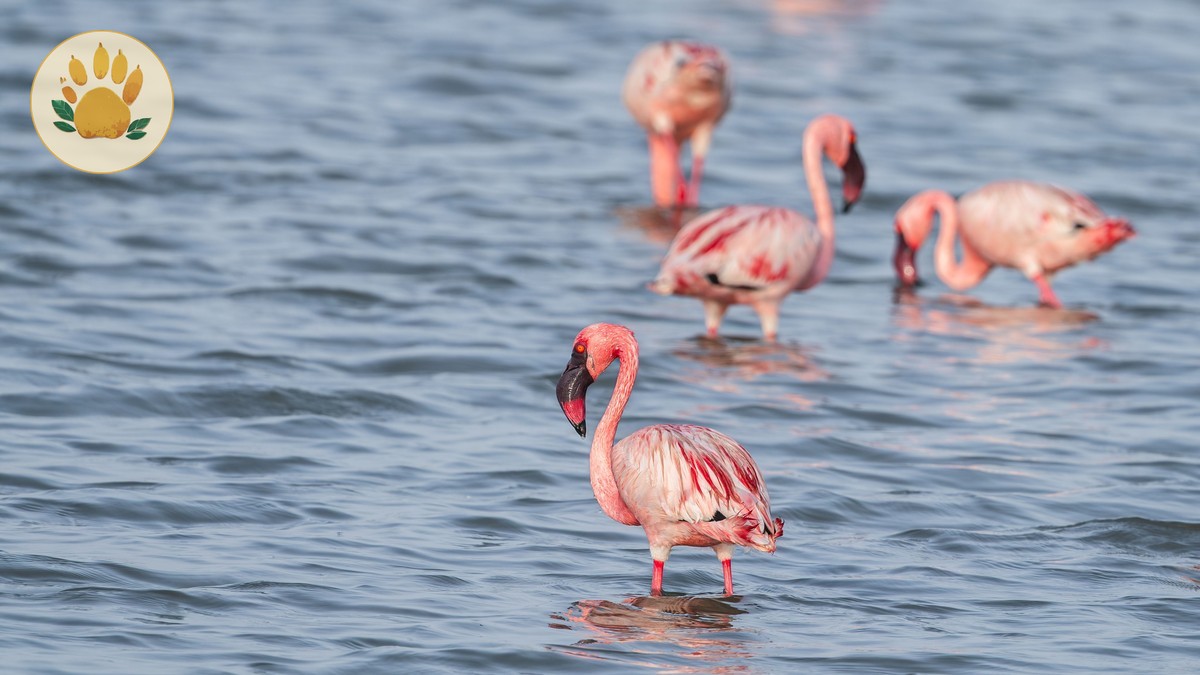
If you have seen an old photograph of Lake Nakuru, pink from shore to shore with a million flamingos, you may be planning a trip expecting the same view. You will not find it. The flamingos left years ago, and the reason is simple chemistry, not bad luck.
This is the real story explaining why flamingos left Lake Nakuru, where they went, and whether Lake Nakuru National Park is still worth the entry fee in 2026.
Why Flamingos Left Lake Nakuru
Lesser and greater flamingos do not eat fish or plants. They filter blue-green algae, mostly a species called Arthrospira fusiformis, out of shallow, highly alkaline water. That algae only thrives when the lake is salty and soda-rich, the way Nakuru has been for most of recorded history.
Starting around 2013, and accelerating through the following decade, Lake Nakuru’s water level rose sharply. More fresh water poured in than left through evaporation. Fresh water dilutes alkalinity. Diluted water cannot support the same algae bloom. No algae means no food, and flamingos are not sentimental about geography. They fly to wherever the food is.
By 2020, the rising water had submerged the old Lion Hill Camp site, flooded sections of the main park road, and pushed the shoreline close to the park gates. Kenya Wildlife Service rangers and researchers monitoring the Rift Valley lakes have tracked this same pattern for years, linking flamingo movement to shifts in water level and alkalinity rather than random chance.
What actually caused the die-off
Three forces combined to change Nakuru’s water chemistry, and none of them are new problems.
Mau Forest deforestation. The Mau Forest Complex is the main water catchment feeding rivers that run into Lake Nakuru, including the Njoro and Makalia. Decades of logging and encroachment for farmland reduced the forest’s ability to regulate water flow. Instead of steady seepage, rainfall now runs off fast and heavy, carrying more volume and more silt into the lake.
Climate change and heavier rainfall. East Africa has seen more intense, less predictable rainy seasons over the past fifteen years. Sudden heavy rains push large volumes of fresh water into closed basin lakes like Nakuru, which have no river outlet to drain the excess.
Pollution and sewage runoff. Nakuru town’s growth added sewage and industrial runoff to the water entering the park, mostly via the Njoro River. This does not just dilute the lake, it changes its nutrient balance in ways that further disrupt algae growth.
None of these three causes acted alone. Together they turned Nakuru from a shallow soda lake into a deeper, fresher one, and the flamingos responded the only way they know how.
Where the flamingos went
Flamingos are not gone from Kenya. They moved to lakes that kept their alkaline chemistry intact.
Lake Bogoria, about 65 km north of Nakuru, has become the most reliable flamingo lake in Kenya. Its geothermal springs keep the water hot, salty, and algae-rich, and large flocks now gather there most of the year.
Lake Elementaita, closer to Nairobi than Nakuru itself, still draws flamingos in smaller, inconsistent numbers depending on season and water levels.
Lake Natron, across the border in Tanzania, is the primary breeding site for East Africa’s lesser flamingos. It is remote, harsh, and the single most important nesting ground on the continent.
The Rift Valley lake network
It helps to think of Nakuru, Bogoria, Elementaita, Naivasha, and Natron as one connected system rather than separate destinations. Flamingos move between them constantly, tracking algae blooms that shift with rainfall and temperature. A lake that is empty in June can fill with birds by September. This is why no website can promise a guaranteed sighting on a fixed date. It also means a trip built around one single lake is a gamble. A trip built around the network is not.
Are the flamingos coming back to Lake Nakuru in 2026
Some are, in modest numbers, when conditions align. Water levels at Nakuru have stabilized somewhat since their 2020 peak, and smaller flocks have been reported feeding along the shallower margins in recent seasons. But nothing close to the historic million-bird spectacle has returned, and there is no strong evidence the lake’s chemistry will revert soon. Treat any 2026 Nakuru flamingo sighting as a possible bonus, not the reason to book the trip.
Best time and best lake to see flamingos in 2026
If flamingos are the priority, plan around Bogoria first and treat Nakuru as a secondary stop.
| Lake | Distance from Nairobi | Drive time | Entry fee (indicative, non-resident) | Flamingo odds in 2026 |
|---|---|---|---|---|
| Lake Nakuru NP | 160 km | 2.5 to 3 hours | USD 60 adult / USD 35 child per day | Low to moderate, small flocks only |
| Lake Bogoria NR | 230 km | 3.5 to 4 hours | USD 20 to 25 adult per day | High, most reliable in Kenya |
| Lake Elementaita | 120 km | 2 hours | Free public viewpoints, no gated fee | Moderate, inconsistent |
| Lake Natron (Tanzania) | 380 km via Namanga border | 7 to 9 hours including border crossing | USD 60 to 80 area fees, varies by operator | High for breeding flocks, hard to access |
Fees change and vary by season, so confirm against the current KWS park fee categories before you budget the trip. The best months for flamingo numbers across the Rift Valley lakes tend to be the drier stretches, from January to March and again from July to September, when algae blooms concentrate in shrinking shallows.
Is Lake Nakuru still worth visiting without the flamingos
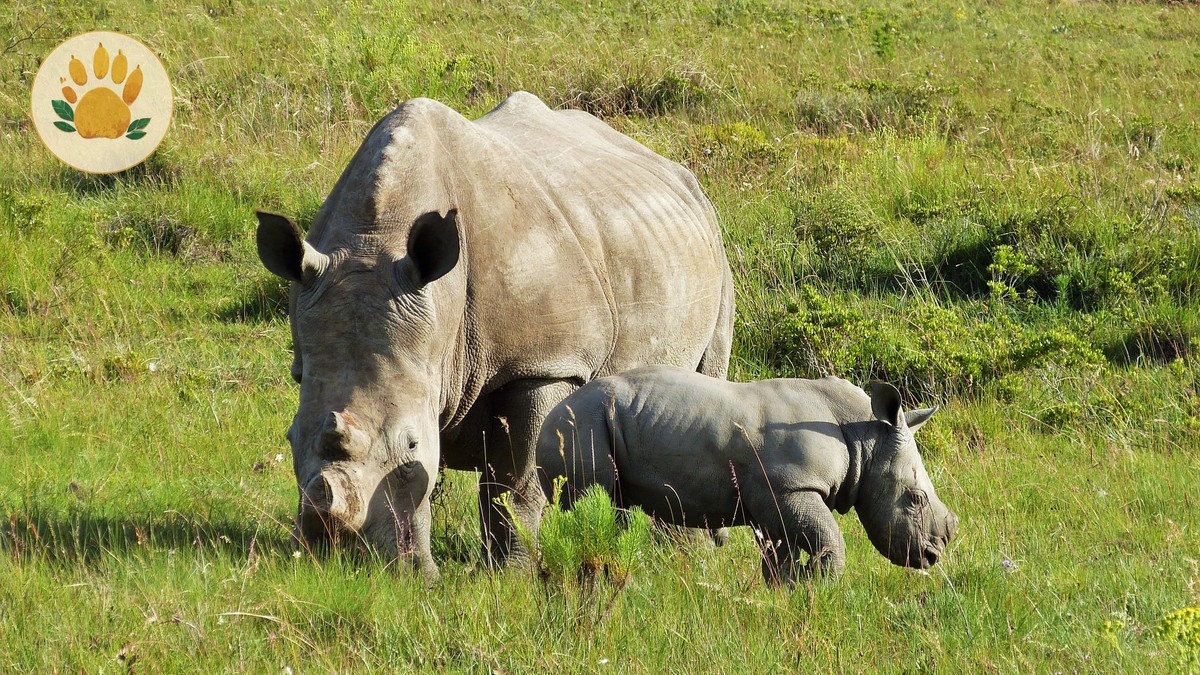
Yes, and this is where most explainer articles stop short. Lake Nakuru National Park was Kenya’s first rhino sanctuary and still protects one of the country’s most concentrated black and white rhino populations. If you want to understand the difference between the species before you go, Lake Nakuru’s rhino sanctuary is a good place to see both in one park.
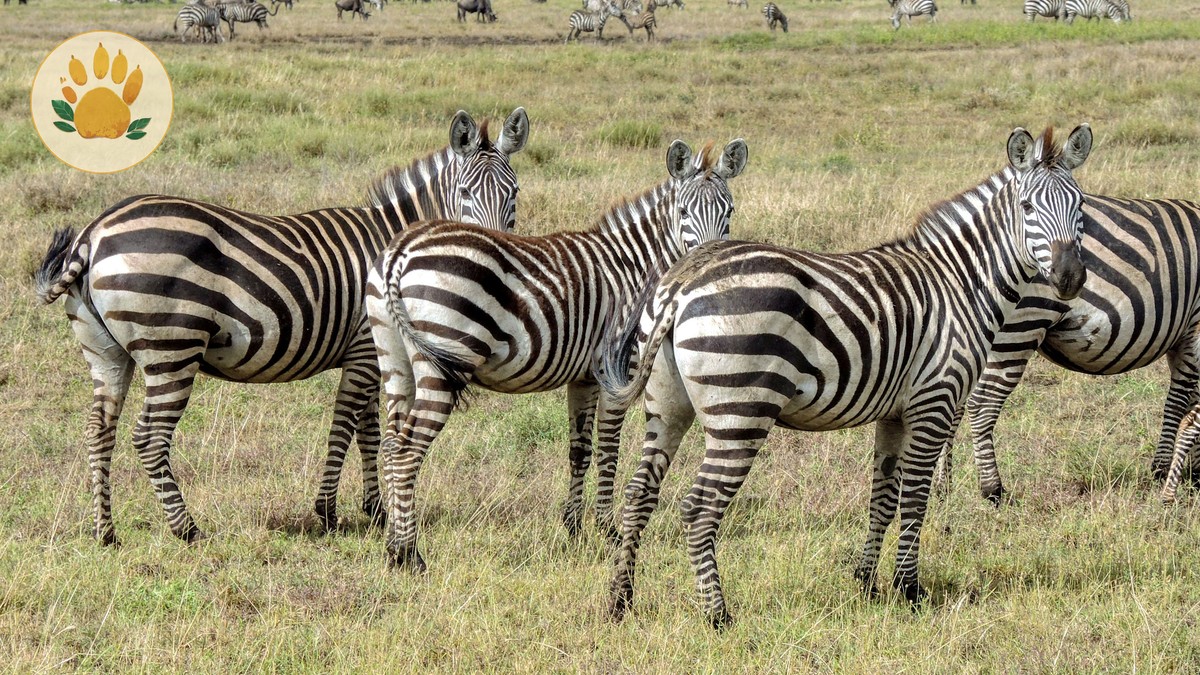
The park also holds a healthy lion population, tree-climbing lions among them, plus Rothschild’s giraffe and over 450 recorded bird species beyond flamingos. We covered the lion question honestly in our piece on Lake Nakuru’s honest lion sighting odds, and the same honest approach applies here. Nakuru without flamingos is still a strong half-day or full-day park, just not for the reason it became famous.
The SafariPure Difference
Most sites selling a Nakuru trip still show that old photo of a pink lake, because it gets clicks. We would rather tell you what you will actually see this year, lake by lake, with real drive times and current odds. That means sometimes recommending Bogoria over Nakuru, or pairing both in one itinerary so you are not relying on a single lake’s mood. Our guides track which Rift Valley lakes are holding flamingo numbers each month, so your route reflects current conditions, not a decade-old brochure.
Plan your Rift Valley trip with SafariPure
If you want an honest, current read on which lakes to include this year, we can build the route around it rather than around outdated expectations. Get in touch through our contact page to start planning your Rift Valley itinerary.