You know Kenya. You grew up in Kericho, Eldoret, Iten, or Kapsabet. The highlands are your home. These Kenya safari safety tips Kalenjin speakers need most cover a different trip, a safari in the Maasai Mara or Amboseli. The altitude drops, the malaria risk changes, the roads are longer, and the wildlife rules are strict.
This guide is written for Kalenjin speakers who are Kenyan nationals or diaspora. It covers safety basics that most foreign-focused guides miss: lowland malaria, gate fees for residents, and which roads to take from the highlands to the parks.
Kenya Safari Safety Tips Kalenjin Speakers Need First
Focus on four things: malaria prevention, the right road route, resident park fees, and wildlife safety rules. The sections below cover each one, plus vaccination, insurance, and etiquette advice.
Game Drive Rules: Stay in the Vehicle
The number one rule in any Kenyan park is simple: stay inside the vehicle. Lions, elephants, and buffalo do not see you as a person, they see a shape, and standing up, opening a door, or stepping out triggers their instinct to defend.
Your guide will tell you when it is safe to take photos. Even at a designated picnic site, do not walk away from the vehicle without permission.
In the Maasai Mara, vehicles may leave the road to track wildlife, but that does not mean you can open the roof hatch and stand. Keep arms inside, children seated, and voices low.
Camp Safety at Night
Tented camps are safe, but canvas walls are not a hotel room. They keep out wind and rain, not curious animals.
Never keep food in your tent, since the scent attracts hyenas and baboons. Zip your flap fully closed, since even a small gap lets in insects and, rarely, snakes. If you need the toilet at night, call the camp guard rather than wandering alone. Most camps have askari on patrol who will walk you over.
Lodges with permanent walls are safer for families. If this is your first safari, consider a lodge in the Mara instead of a mobile camp.
Malaria Prevention: The Highlands Are Not the Mara
This is the most important tip for Kalenjin speakers. Kericho, Eldoret, and Iten sit at high altitude, where malaria transmission is low. The Maasai Mara sits at about 1,500 meters above sea level, and Amboseli is lower. Both carry malaria risk, especially during and after the rainy season. Do not assume you have immunity because you grew up in the highlands. Your body lacks the same exposure to the parasite as someone from a lowland area, so you need prophylaxis.
Malaria drugs that work well include atovaquone-proguanil (brand name Malarone), doxycycline, and mefloquine. Speak to a doctor before your trip, start the drugs as directed, and continue the full course after you return. Also wear DEET insect repellent in the evening and sleep under a mosquito net if your camp provides one.
If you get a fever within a month of returning home, see a doctor immediately and mention that you visited the Mara or Amboseli.
Vaccinations and Health Preparation
You do not need yellow fever vaccination to move within Kenya, but check whether your next destination requires it if you travel onward. Typhoid, hepatitis A, and hepatitis B vaccines are recommended for all safari travelers. Kenyan nationals may have had these as a child, so check your health booklet or ask your nearest clinic.
Carry a basic first aid kit with oral rehydration salts, paracetamol, and antiseptic cream. If you take daily medication, pack enough for the whole trip plus one extra week. Pharmacies in Narok are limited, and a small town like Sekenani Gate may not stock your prescription.
Travel Insurance and Medical Evacuation
Many Kenyan residents assume they do not need travel insurance for a domestic safari. That is a mistake. A road ambulance from the Mara to Nairobi Hospital or Aga Khan Hospital costs KES 50,000 to KES 150,000, and a helicopter evacuation costs more.
A week’s policy under KES 3,000 covers medical evacuation, hospital admission, and trip cancellation. Buy it before you go, or check whether an employer or bank policy already covers it.
Choosing a Licensed Operator
SafariPure uses licensed KPSGA-certified guides. KPSGA stands for Kenya Professional Safari Guides Association, and a certified guide has passed exams on wildlife, safety, and first aid. Ask for the guide’s KPSGA number, and confirm a Kenyan operator is registered with the Tourism Regulatory Authority before you book.
Road Travel: Eldoret to the Mara
If you are driving from Eldoret or Kericho, plan your route carefully. The fastest route runs via Nakuru and Narok. The full drive takes about 5 to 7 hours, depending on your start point and road conditions.
From Eldoret, take the A104 highway south through Timboroa and Molo to Nakuru, about 155 kilometers and 2.5 to 3 hours on tarmac. From Nakuru, take the B3 highway to Narok, about 137 kilometers of good tarmac. After Narok, join the C12 road to the Mara, tarmac for about 25 kilometers, then well-maintained gravel. A sedan is fine in the dry season, but use a 4×4 in the rains.
From Kericho, take the B1 road to Mau Summit, then cross to Nakuru and follow the same route, about 4.5 to 5.5 hours total. From Nakuru itself, the drive to the Mara is about 3.5 to 4 hours.
Do not drive at night. Elephants, buffalo, and livestock cross these roads freely, so start at sunrise and arrive before dusk.
Self-Drive vs. Guided Transfer
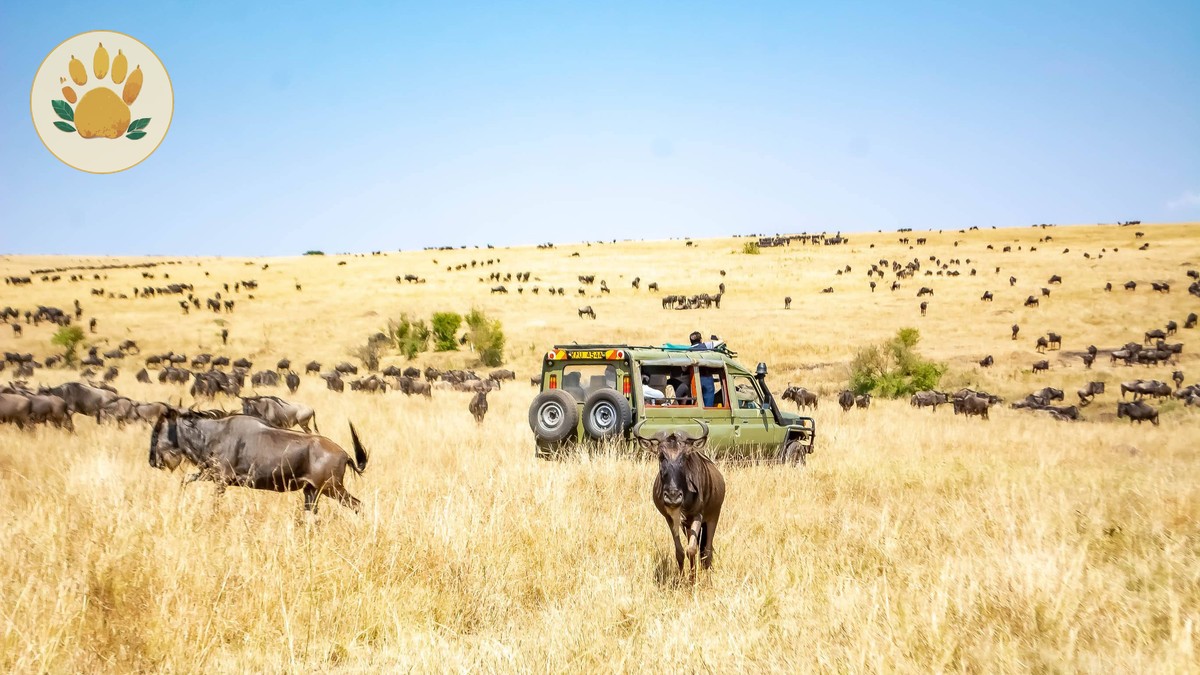
Self-driving is possible in parks like Amboseli and Tsavo, where roads are well marked. The Maasai Mara is different, since the reserve is large and some tracks are confusing, so a self-drive visitor risks getting lost or missing the best wildlife areas.
For your first safari, book a guided transfer with a driver-guide who knows the terrain and safety protocols. A shared vehicle costs KES 8,000 to KES 15,000 per person per day. A private vehicle with a guide costs KES 15,000 to KES 25,000 per day, indicative 2026 ranges.
Areas and Border Regions to Avoid
Kenya is safe for safari travel in the designated tourism circuits. Avoid the northeastern border regions near Mandera and Garissa, which do not affect the Mara or Amboseli.
Avoid walking alone in Narok town at night, since it is a transit town, fine by day for fuel and supplies. In Nairobi, use licensed taxis from Uber or Bolt and avoid walking alone after dark.
Resident vs. Non-Resident Park Fees
Park fees differ by citizenship and residency status. Kenya Wildlife Service raised non-resident fees at the parks it manages in October 2025. Narok County sets its own fees for the Masai Mara, separate from KWS. Here is a comparison of published day rates:
| Park or Reserve | Non-Resident Fee (per adult per day) | Resident Fee (approximate) |
|---|---|---|
| Masai Mara National Reserve (Narok County) | USD 100 (Jan-Jun), USD 200 (Jul-Dec) | KES 1,000 (low season), KES 2,000 (high season) |
| Amboseli National Park (KWS) | USD 90 | KES 500 (citizen), KES 1,000 (resident) |
| Lake Nakuru National Park (KWS) | USD 90 | KES 500 (citizen), KES 1,000 (resident) |
| Tsavo East / Tsavo West (KWS) | USD 80 | KES 500 (citizen), KES 1,000 (resident) |
| Nairobi National Park (KWS) | USD 80 | KES 500 (citizen), KES 1,000 (resident) |
| Chyulu Hills National Park (KWS) | USD 40 | KES 500 (citizen), KES 1,000 (resident) |
The resident rates are indicative for 2026. Confirm the exact figures at the gate.
To use the resident rate, Kenyan citizens must show a national ID, and residents who are not citizens must show a work permit or a residence certificate. A passport alone is charged the non-resident rate. The Maasai Mara is run by Narok County, not KWS, and its resident rates differ from the KWS table above, so carry your ID either way.
Can You Use a National ID for a Domestic Safari?
Yes. Kenyan citizens can use their national ID for domestic safaris and do not need a passport. If you hold dual citizenship, use your Kenyan ID at the gate to secure the resident rate.
For diaspora Kenyans who only carry a foreign passport, the process is less standard. Requirements vary by park and county, and no single national program covers every gate. Some gates accept a Kenyan ID as a photocopy or phone scan, others ask for a residence document instead.
Contact the specific park before you travel to confirm what proof of citizenship they accept. Carrying your original Kenyan ID is the simplest way to avoid a dispute at the gate.
Cultural Etiquette in the Mara
The Kalenjin and Maasai communities share a deep connection to land and cattle. Greet your guides in Swahili, and ask permission before photographing Maasai villages or people.
Tipping guides and camp staff is standard: KES 500 to KES 1,000 per day per traveler, or 10% to 15% of the cost for a private guide.
Common Safari Safety Mistakes
First-time safari travelers make predictable mistakes:
- Packing dark clothing instead of neutral colors like khaki or olive. Bright and dark colors attract tsetse flies.
- Leaning too far out of the vehicle instead of watching from your seat.
- Snacking on the road, which attracts baboons. Eat inside the vehicle and never drop litter.
- Skipping sun protection. The Mara’s altitude makes sunburn easy, so wear SPF 50 and a hat.
- Exiting the vehicle without the guide’s approval, outside marked picnic sites.
The SafariPure Difference
SafariPure builds safaris for people who already know Kenya. We skip the lecture on “Africa is safe” and give you a guide who understands the Rift Valley roads, the resident gate fees, and the altitude-based malaria risks.
We use KPSGA-certified guides who are born and raised in Kenya. They know the short grass plains of the Mara, the best time to see predator action, and when to push on versus stop for tea. We also handle logistics: booking your resident rate correctly, choosing the right vehicle for the season, and arranging a tented camp that is safe for your family.
See our resident safari pricing guide for a full cost breakdown, or our safari planning guide for Luganda speakers for the same structure written for another East African community. If you want to avoid the crowds, our lesser-visited parks worth exploring safely covers Chyulu Hills and Tsavo West.
Frequently Asked Questions
Is Kenya safe for safari tourists? Yes, in the tourism areas. The Mara, Amboseli, and Nakuru are safe if you follow your guide.
Do I still need malaria pills if I live in Kenya’s highlands? Yes. Lowland parks have higher malaria transmission than Kericho or Eldoret.
Which areas of Kenya should safari travelers avoid? The northeastern border regions, including Mandera, Garissa, and Wajir.
Plan Your Safari With SafariPure
Your first safari should be calm and safe. Let us handle the route, the guide, and the bookings.
Reach out to SafariPure through our contact page or see our Mara safari packages. We will help you plan a trip that respects your time, your budget, and the wild places you love.