Webale okulaba omutindo gwaffe. If you are reading this in Luganda, you already know one thing: East Africa is home. But planning your first safari in Kenya from Uganda still comes with questions. This Kenya safari planning guide Luganda speakers can trust is written for you, whether you are in Kampala, Entebbe, or Jinja.
The internet is full of safari advice for people flying in from London or New York. That advice often ignores your reality. You have shorter flights, cheaper park fees, and a shared border. You also have questions about visas, money, and language. Let us answer them clearly.
We cover costs in Ugandan shillings, the best routes, how many days you need, and which parks deserve your time. No filler. Just field knowledge.
The Kenya Safari Planning Guide Luganda Speakers Actually Need
You leave Entebbe in the morning and have lunch in Nairobi. The flight takes about one hour and twenty minutes. Compare that to a fifteen hour journey from Europe, and you see the advantage.
The East African Community (EAC) also gives you a special status. Kenyan parks charge EAC residents a different rate than other international visitors. As a Ugandan citizen, you qualify for these resident rates. This is not a small detail. It can cut your park entry fees by more than half.
This is the first thing most generic guides get wrong. They quote non-resident prices. We will give you both numbers where they matter, so you know exactly what to budget.
Do Ugandans Need a Visa for Kenya?
No. Under the EAC protocol, Ugandan citizens can enter Kenya without a visa. You need a valid passport with at least six months of validity. You also need a return ticket or proof of onward travel.
At the border, immigration officers may ask for proof of accommodation. Have your booking confirmations printed or saved on your phone. The process is straightforward for EAC citizens.
How to Get from Kampala to Kenya
You have two main options: fly or go overland.
Flying: The fastest route is Entebbe to Nairobi. Several airlines operate this route daily. The flight takes about one hour and twenty minutes. From Nairobi, you can connect to a domestic flight to the Maasai Mara or Amboseli. Many operators include these small aircraft transfers in your safari package.
Overland: You can take a bus from Kampala to Nairobi via Malaba or Busia. The journey takes between 12 and 14 hours depending on border traffic. Buses leave from Kampala’s main terminals in the evening and arrive in Nairobi the next morning. Fares range from USD 30 to USD 50 one way. This is the budget choice, but it is tiring.
Another overland option is driving yourself. From Kampala to Nairobi is about 660 kilometers. The road is paved and well maintained. But you must factor in border crossing time and Nairobi’s traffic.
From Nairobi, the Maasai Mara is about 270 kilometers by road. It takes four to five hours. Many travelers fly from Wilson Airport in Nairobi to the Mara’s main airstrips. That flight takes about 45 minutes.
How Many Days Do You Need?
We recommend a minimum of five days for a first Kenya safari. This gives you three full days of game drives plus travel time. A shorter trip feels rushed.
A typical five day itinerary looks like this:
- Day 1: Arrive Nairobi, drive or fly to the Maasai Mara.
- Day 2: Full day in the Maasai Mara.
- Day 3: Full day in the Maasai Mara.
- Day 4: Drive to Lake Nakuru or fly back to Nairobi.
- Day 5: Depart.
You could also do a four day version with only two days in the Mara. But three days gives you a better chance of seeing the big cats and the wildebeest migration.
Best Time to Visit Kenya
Kenya has two dry seasons and two wet seasons. The long dry season runs from July to October. This is also the peak season for the wildebeest migration in the Maasai Mara. Expect higher prices and more crowds.
The short dry season from January to February is another good window. Grass is shorter, so animals are easier to spot. Weather is pleasant.
Rainy seasons run from March to May and again in November to December. Rates are lower. The landscape is greener. But some roads become muddy, and certain camps close during the long rains.
For a Uganda traveler, the best balance of price and wildlife viewing is often January to February. You avoid the peak migration crowds, but you still get good game viewing.
Top Parks for First-Timers
Maasai Mara National Reserve
The Maasai Mara is the crown jewel. It is not a KWS park. It is managed by Narok County Government. This matters for fees.
Non-resident entry is USD 100 per adult per day from January to June. From July to December, it rises to USD 200 per adult per day. This is the peak migration season.
As an EAC resident, your rate is much lower. The exact figure varies by season. Ask your booking agent for the current EAC resident rate before you confirm.
The Mara is famous for the wildebeest migration, the big cats, and open savannah. It is roughly 270 kilometers from Nairobi.
Amboseli National Park
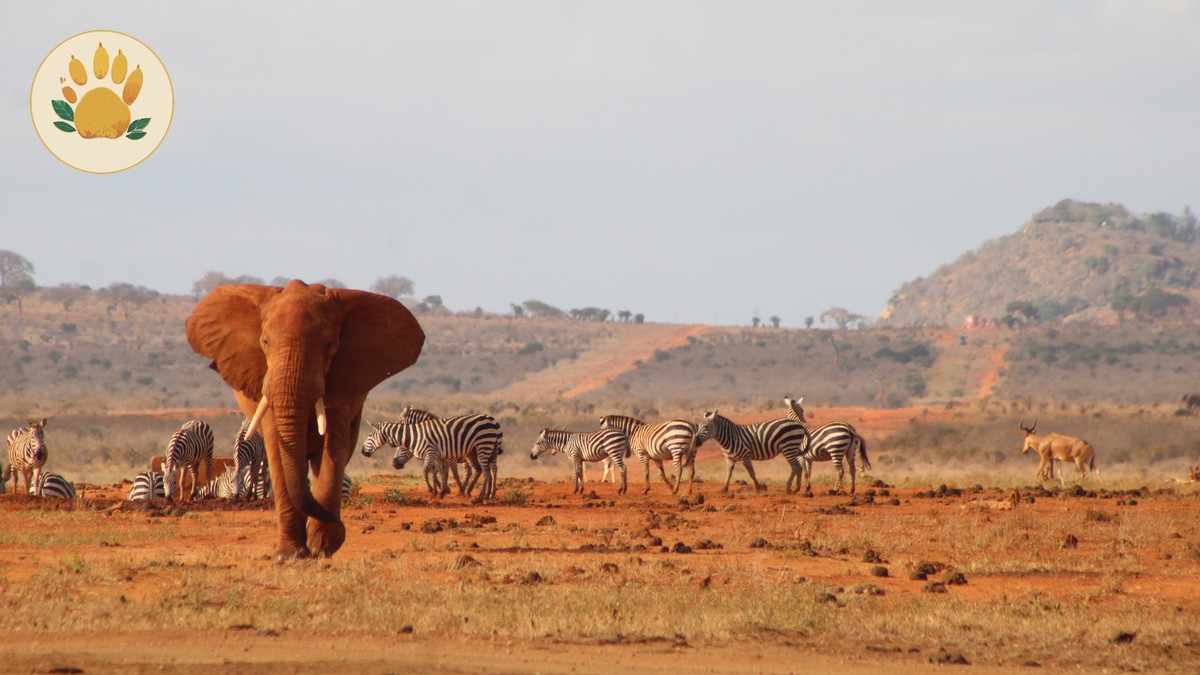
Amboseli sits at the foot of Mount Kilimanjaro. You see elephants against the mountain backdrop. It is one of the best places in Africa for elephant viewing.
The park is a KWS property. Non-resident entry is USD 90 per adult per day. EAC residents pay a reduced rate. The park is about 240 kilometers southeast of Nairobi.
Lake Nakuru National Park
Lake Nakuru is famous for flamingos and rhinos. The lake is a soda lake, and its water level has changed over the years. Flamingos come and go depending on conditions. But the rhino sanctuary is reliable.
This is a compact park, easy to cover in a half day. Non-resident entry is USD 90 per adult per day. EAC rates apply. The park is about 160 kilometers from Nairobi.
Samburu National Reserve
Samburu is drier and more remote. It is home to species you do not see in the Mara: the reticulated giraffe, Grevy’s zebra, and the Somali ostrich. This is a good choice if you want a less crowded experience.
Samburu is about 350 kilometers north of Nairobi. Entry fees follow a similar structure to the Mara, with EAC resident discounts.
Cost Breakdown for Uganda Travelers
Safari costs vary wildly. We give you the real number ranges for 2026. Your final price depends on season, camp grade, and whether you share a vehicle.
| Item | Budget Option | Mid-Range Option |
|---|---|---|
| Park fees (Amboseli, per day, non-resident) | USD 90 | USD 90 |
| EAC resident park fee (Amboseli, indicative) | USD 20-30 | USD 20-30 |
| Camp accommodation per night | USD 80-150 | USD 250-450 |
| Main park vehicle per day (shared) | USD 100-150 | USD 180-250 |
| Domestic flight (Nairobi to Mara, round trip) | USD 200-300 | USD 200-300 |
| Overland bus (Kampala to Nairobi, one way) | USD 30-50 | USD 30-50 |
| Full 5-day safari total (per person) | USD 800-1,200 | USD 1,500-2,500 |
In Ugandan shillings, a budget safari can start around UGX 3 million per person. A mid-range safari typically runs from UGX 5 million to UGX 9 million. Luxury, with private guides and conservancy stays, starts beyond UGX 12 million.
Your EAC resident status lowers the park fee portion significantly. This is why a safari from Uganda costs less than the same trip for a traveler from Europe.
Group vs Private Safari
A group safari puts you in a shared vehicle with up to six other travelers. This is much cheaper. You share the costs of the vehicle, driver, and guide.
A private safari gives you your own vehicle and guide. You decide the pace. You stop when you want. You do not wait for other people. This costs more, often double the group price.
For first timers, we usually suggest a small group. It keeps costs low and you learn from other travelers. If you have special photography needs or mobility issues, go private.
Booking Independently vs Through an Agency
You can book a Kenya safari yourself. Book your flights, pick a camp, and arrange a local driver. This is possible, but it takes time.
The risks are hidden costs and miscommunication. Park fees change. Road conditions change. A good agency handles these details.
Agencies that specialize in East African travel for Ugandans know the EAC resident rate system. They book camps that accept these rates. They also arrange the overland or flight connections from Entebbe.
For a first trip, an agency saves you stress. You pay a small margin for their knowledge.
What Language Will You Hear at Camps?
This is a practical question, so let us answer it directly. Kenyan guides speak English and Swahili. Many speak several local languages.
You will not find Luganda-speaking guides as standard. But you will find Swahili, which is closely related to Luganda. If you speak Swahili, you will get along well.
For Luganda speakers, the practical mix is this: the guide speaks English, sometimes with a Swahili accent. You reply in English. If you know some Swahili, use it. It breaks the ice.
At most camps, staff are used to guests from across East Africa. They are patient and helpful. Do not worry about a language barrier. Just be clear and ask questions.
We have written more about this in our guide on how guides and camps communicate with non-English speakers.
Safety and Health
Kenya is safe for travelers from Uganda. The tourism areas are well guarded. Petty crime is possible in Nairobi, so keep your valuables hidden.
For vaccinations, you should have yellow fever if coming from Uganda. Kenya requires a yellow fever certificate if you arrive from a country with risk of yellow fever. Uganda is such a country. Carry your certificate.
Malaria is present in most safari areas. Take prophylaxis. Use repellent in the evenings.
Drink bottled water. Do not drink tap water.
The SafariPure Difference
We are not a call center far away. SafariPure is based in East Africa, and we know the roads, the camps, and the park rangers. We understand the EAC system because we live in it.
When you book with us, we do three simple things. First, we confirm the correct park fee for your citizenship on the day you book. We do not guess. Second, we choose camps that offer real value for your shilling. Third, we build your itinerary around your flight, your pace, and your budget.
We do not push luxury add ons you do not need. We give you honest advice about time in the wild. That is the promise.
If you plan a gorilla trek in Uganda and a safari in Kenya, we can combine both. The distance from the Bwindi gorillas to the Maasai Mara is about 800 kilometers. You can fly through Nairobi or take a scenic overland route. Many travelers combine these two wonders in one trip.
We also produce guides in multiple languages. If you want to compare options, read our Kenya safari planning guide for Bengali speakers. We also cover what non-English speakers should know before a Kenya safari. The core planning principles apply across languages.
What to Pack
Uganda’s climate is green and wet. Kenya’s safari areas are drier and hotter. Pack accordingly.
Essentials:
- Light, breathable clothing in neutral colors (khaki, olive, beige).
- A light jacket for early morning game drives. It gets cold at dawn in the Mara.
- Closed shoes for walking safaris.
- Sun hat, sunglasses, and high SPF sunscreen.
- Insect repellent with DEET.
- Binoculars. A good pair changes your experience.
- A camera with extra batteries and memory cards.
- A small daypack for game drives.
- Personal medications and a basic first aid kit.
Leave bright colors and camouflage at home. Camouflage is not allowed for civilians in Kenya.
Final Thoughts
A Kenya safari is one of the best decisions you can make from Uganda. The travel is short. The costs are fair, especially with EAC rates. The wildlife is world class.
The Maasai Mara alone is worth the trip. Add Amboseli for elephants, Lake Nakuru for rhinos, or Samburu for rare species. A five day trip is enough to fall in love with the region.
Plan ahead. Book with people who know the ground. Keep your documents ready.
Ready to Plan Your Safari?
We would love to help you plan this trip. Tell us when you want to go, who is coming, and your rough budget. We will find you the best camps and the right pace. Start by contacting SafariPure through our contact page, or browse our Kenya safari tours to see what fits you.
More safari planning resources
- Masai Mara Great Migration guide from Trunktrails Safaris
- Interactive Maasai Mara map from Valley Safaris
- Best safaris in Kenya on Touring Insights
- Masai Mara destination guide on FindMySafari
Related guides: Genet and Civet Night Sightings in Kenya: A Field Guide, Kenya Safari Planning Guide for Bengali Speakers (2026), Kenya Safari Planning Guide for Italian Speakers (2026).