You have decided to see the Big Five, sleep under canvas, and watch a lioness hunt at dawn. Now you face a wall of options. Which parks? Which season? What does it really cost? And can you find a guide who speaks your language?
This Kenya safari planning guide French speakers trust answers those questions with real numbers, real distances, and an honest look at what a safari costs in 2026. You will finish with a clear plan, a realistic budget, and the confidence to book.
Kenya Safari Planning Guide French Speakers Need: Choosing a Guide
Kenya has thousands of registered safari guides, but only a small share speak native French. The Kenya Professional Safari Guides Association (KPSGA) certifies guides through a rigorous exam, though it does not publish figures by language. Fluent francophone guides are rare and mostly work for high-end lodges or specialized agencies.
A French-speaking guide is not just a translator. They explain animal behavior, local culture, and conservation history in your language. Expect a premium of 15 to 25 percent above an English-only safari, and book six to eight months ahead for peak season.
Read avis de voyageurs francophones sur SafariPure to see what other French speakers experienced.
Best Time to Visit: Dry Season, Green Season, and the Migration
Kenya has two dry seasons and two rainy seasons that affect wildlife viewing, prices, and comfort.
July to October (peak): Migration crosses the Mara River, and short grass makes animals easy to spot, but prices peak too.
January to February: Good weather, fewer crowds, calves are born. A smart compromise.
Green season, Nov-Dec and Mar-May: Lush, quiet, and cheaper, but rain can close dirt roads and some lodges close in April and May.
Best for first-timers: July to October for the migration, or January to February for calmer conditions. Use the wildebeest migration timing tracker to plan around river crossings.
Visa, Health, and Safety for French Speakers
Visa: Kenya uses an electronic Travel Authorization (eTA). Apply online before you fly. The cost is USD 30 for a single entry, all fees included. Processing takes 3 to 7 days, and your passport must be valid for six months.
Vaccinations: Yellow fever vaccination is required if you arrive from a yellow fever risk country, and recommended for travelers from France. Carry the certificate. Hepatitis A and B and typhoid shots are also advised, ideally 6 to 8 weeks out.
Malaria: Risk exists below 2,500 meters, including the Masai Mara and Amboseli. Take antimalarial tablets, use DEET, and sleep under treated nets.
Safety: Kenya is safe on organized safaris. Violent crime targets cities, not parks. Use hotel safes, avoid night walks, and follow your guide’s advice.
Safari Budget: Daily Cost Breakdown (EUR and USD)
These are indicative ranges for a 7-day safari, per person per day, all inclusive. Airfare, drinks, and tips are extra.
| Tier | Example Camp or Lodge | Park Fees (USD/day) | Accommodation and Guide (USD/day) | Total USD/day | Total EUR/day |
|---|---|---|---|---|---|
| Budget | Jambo Mara Safari Lodge (Mara) | 100 to 200 | 150 to 220 | 250 to 420 | 230 to 390 |
| Mid-range | Olare Mara Kempinski (Mara) or Kibo Safari Camp (Amboseli) | 90 to 200 | 320 to 480 | 410 to 680 | 380 to 630 |
| Luxury | Angama Mara (Mara) or Ol Donyo Lodge (Chyulu Hills) | 100 to 200 | 800 to 1,400 | 900 to 1,600 | 830 to 1,480 |
Reality check: A 7-day safari starts around USD 1,750 (EUR 1,600) on a tight budget. Mid-range runs USD 2,900 to 4,800 (EUR 2,700 to 4,400). Luxury starts at USD 6,500 (EUR 6,000).
Park fees are the biggest fixed cost, paid in USD, cash or card at the gate:
- Masai Mara: USD 100 per adult per day (Jan-Jun), USD 200 (Jul-Dec).
- Amboseli, Lake Nakuru: USD 90 per adult per day.
- Tsavo East/West, Nairobi National Park: USD 80 per adult per day.
- Chyulu Hills: USD 40 per adult per day.
- Private conservancies like Naboisho or Mara North: roughly USD 80 to 150 per person per night, on top of lodge rates.
Ask your agency for fees on any park not listed here.
How Many Days Do You Need? A 7-Day Itinerary
For a first safari, 7 days covers three parks without rushing.
Day 1: Arrive in Nairobi, overnight at a city hotel. Day 2: Drive to Amboseli, 240 km, 4 hours. Afternoon game drive with Kilimanjaro as a backdrop. Stay at Kibo Safari Camp or Amboseli Serena Safari Lodge. Day 3: Full day in Amboseli: elephants, lions, buffalo around the swamps. Day 4: Drive to Tsavo West, 160 km, 3 hours. Visit the Shetani lava flow and Mzima Springs. Stay at Kilaguni Serena Safari Lodge. Day 5: Fly to Mara’s Olkiombo or Serena airstrip, 90 minutes, on Safarilink or AirKenya. Stay at Olare Mara Kempinski or a Mara North Conservancy tented camp. Day 6: Full day in the Masai Mara, focused on river crossings in July to October. A hot air balloon ride costs about USD 450 per person. Day 7: Morning drive, then fly or drive back to Nairobi.
This route covers three habitats and maximizes Big Five odds.
Key Parks Compared: Which One to Choose
| Park | Drive from Nairobi | Main Attractions | Big Five Odds | Entrance Fee (USD/adult/day) |
|---|---|---|---|---|
| Masai Mara | 270 km, 5 to 6 hours | Migration, big cats, open plains | High | 100 (Jan-Jun), 200 (Jul-Dec) |
| Amboseli | 240 km, 4 hours | Elephants, Kilimanjaro views, swamps | Medium to high | 90 |
| Tsavo East/West | 320 km, 5 to 6 hours | Huge wilderness, red elephants, Mzima Springs | Medium | 80 |
| Lake Nakuru | 160 km, 3 hours | Rhinos, flamingos, birds | Medium (rhinos) | 90 |
| Samburu | 350 km, 6 hours | Rare northern species, dry scenery | Medium | 60 to 80 (indicative) |
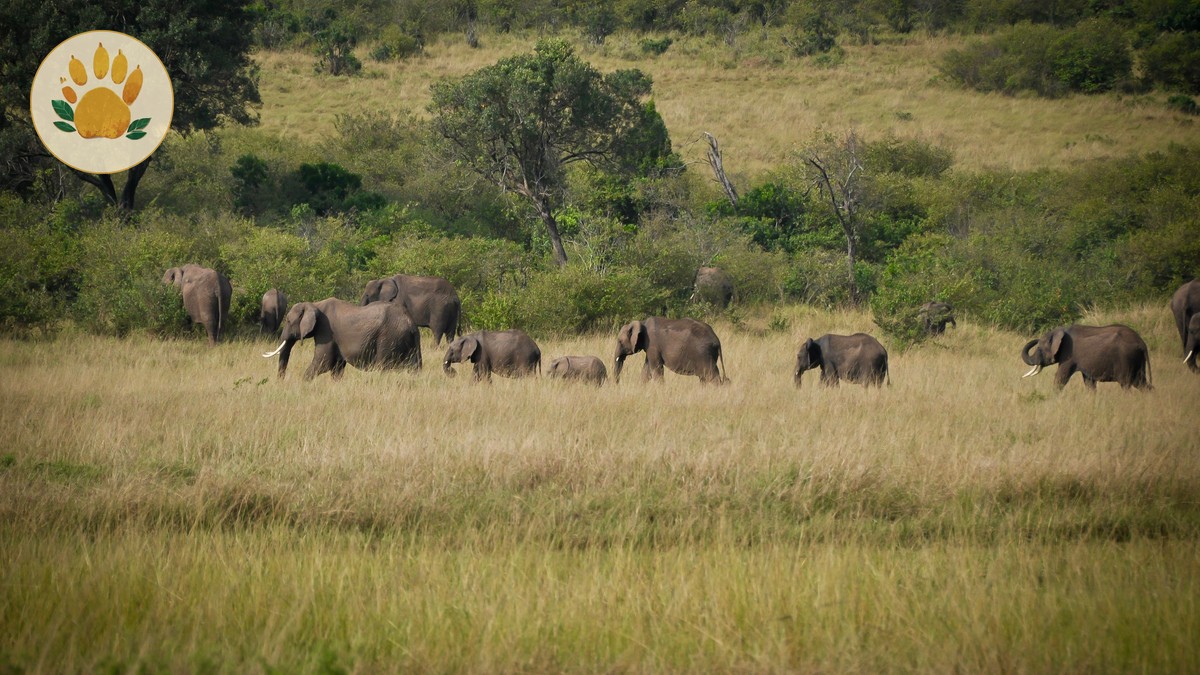
Masai Mara leads for Big Five odds, Amboseli for elephants, Lake Nakuru for rhinos, Tsavo for solitude. The Mara and Amboseli are the classic first-timer pair.
Private Safari Versus Group Safari Versus Self-Drive
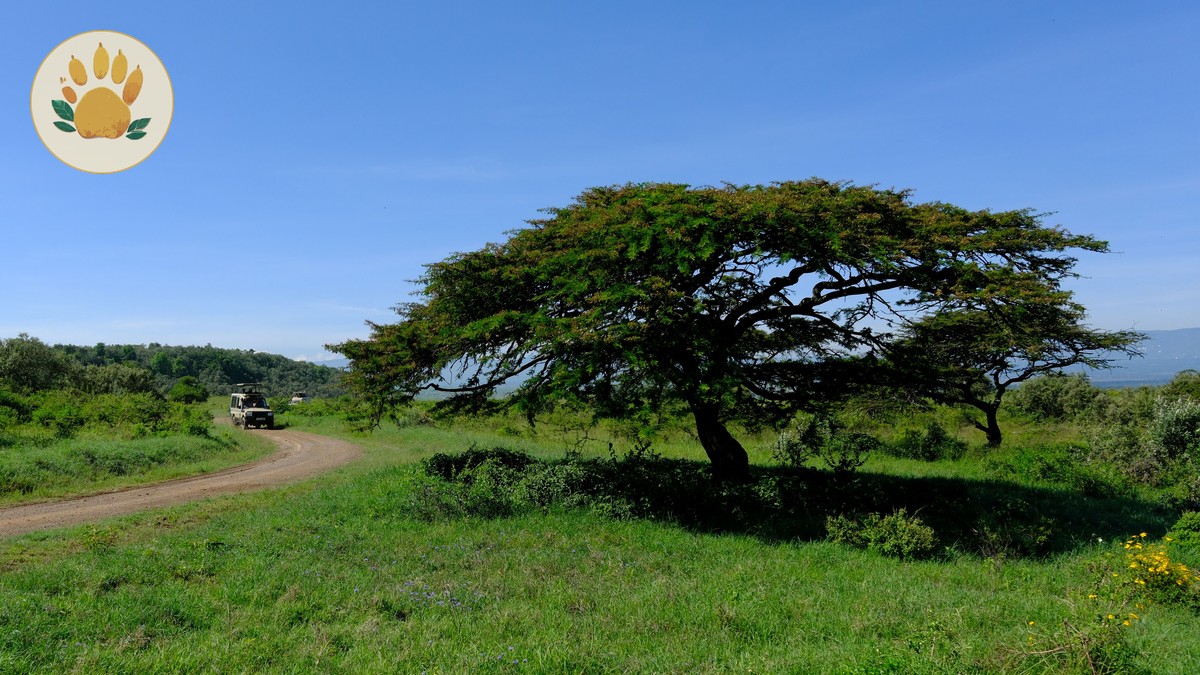
Private safari: A dedicated vehicle and guide, at a higher price, lets you request a francophone guide for the whole trip.
Group safari: Shared vehicle, fixed itinerary, lower cost, usually 6 to 8 travelers. Francophone availability is not guaranteed unless booked through a French agency.
Self-drive: Not recommended for a first safari. Mara roads are rough, and rental plus fuel often costs as much as a driver-guide.
For francophones, a private safari with a native French-speaking guide is worth the premium. Book early and confirm the guide’s name in writing.
Booking With a Local Kenyan Agency Versus a French Tour Operator
French tour operator: You speak your language from the first call, with flights, insurance, and legal support handled, but costs run 10 to 30 percent higher for the added margin.
Local Kenyan agency: You pay less, and the money stays in Kenya. Communication is in English or basic French unless the agency employs francophone staff. Read reviews and request a video call with your actual guide.
A hybrid works well: a French agency for flight and insurance, a local agency with francophone guides for the ground safari. SafariPure works this way.
Combining a Safari With a Beach Extension
After a week of dusty game drives, two or three days on the Indian Ocean is a good way to unwind. Diani Beach has white sand, coral reefs, and calm water; Mombasa is busier and more historic. Fly from the Mara to Mombasa or Diani Airport (UKA), about 90 minutes, then transfer 30 minutes to Diani. Budget USD 150 to 400 per person per day for full board, plus about USD 50 for snorkeling or a boat trip to Wasini Island.
Practical Logistics: Currency, Tipping, Voltage, Driving Side
- Currency: Kenyan shilling (KES). USD is accepted for park fees; carry small bills (2006 or newer).
- Tipping: Driver-guide USD 10 to 15 per person per day, camp staff USD 5 to 10 per day.
- Voltage: 240V, 50Hz, British three-pin sockets (Type G).
- Driving side: Left side of the road.
- Time zone: UTC+3 year-round. Paris is CEST (UTC+2) in summer, one hour behind Kenya, and CET (UTC+1) in winter, two hours behind.
Travel Insurance and Emergency Medical Evacuation
Never skip insurance. A medical evacuation from the Masai Mara to Nairobi costs USD 2,000 to 5,000, much more to Europe. Choose a policy covering air evacuation. AMREF Flying Doctors is Kenya’s main service; some agencies include membership in premium packages.
Packing List and Photography Equipment
Mornings in the Mara are around 10°C, afternoons can hit 30°C, so pack layers.
- Neutral clothing (khaki, olive, beige), no camouflage.
- Fleece jacket, light rain jacket, layers for cool evenings.
- Sturdy closed-toe shoes, sun hat, SPF 50.
- Binoculars (8×42 or 10×42) and a camera with at least a 200mm lens, ideally 400mm.
- Antimalarials, first aid, British power adapter, portable charger.
Family Safari Considerations
Kenya is family friendly. Most lodges welcome children over 6, and some conservancy camps allow children over 4. A private safari is best with kids, since you can adjust game drive times. Many parks offer child discounts; confirm rates with your agency. A lodge with a pool, like Olare Mara Kempinski, keeps everyone happy after a morning drive.
The SafariPure Difference
At SafariPure, we do not sell a generic itinerary. We match you with a local Kenyan guide who speaks fluent French, often from the Maasai or Kamba communities, and confirm your guide by name before you fly. You get one point of contact from your first email to your return flight.
We publish transparent costs. The price we quote includes park fees, taxes, and conservancy fees, with no surprise charges at the gate. We also handle your eTA application, recommend a proven insurance plan, and brief your guide on your interests, whether that is birding, photography, or simply watching the light change over the plains.
Our clients tell us the difference: you stop translating and start noticing, from the oxpecker cleaning a buffalo’s ear to the lioness teaching her cub to stalk. That is the safari you came for.
Final Checklist Before You Book
- Apply for your eTA two weeks out.
- Get vaccinations and antimalarial prescriptions 8 weeks out.
- Book 6 to 8 months ahead for peak season.
- Request a native French-speaking guide and confirm in writing.
- Buy travel insurance with air evacuation coverage.
- Pack light layers, binoculars, and a long lens.
Ready to Plan Your Trip?
You have the numbers. You know the parks. You know what to expect. A Kenya safari is a big decision, but with the right guide and a clear plan, it is one of the safest and most rewarding trips you can make.
Let us plan your safari with a guide who speaks your language and a route that matches your pace and budget. Contact SafariPure to start the conversation, and we will send you a detailed day by day itinerary within 48 hours.