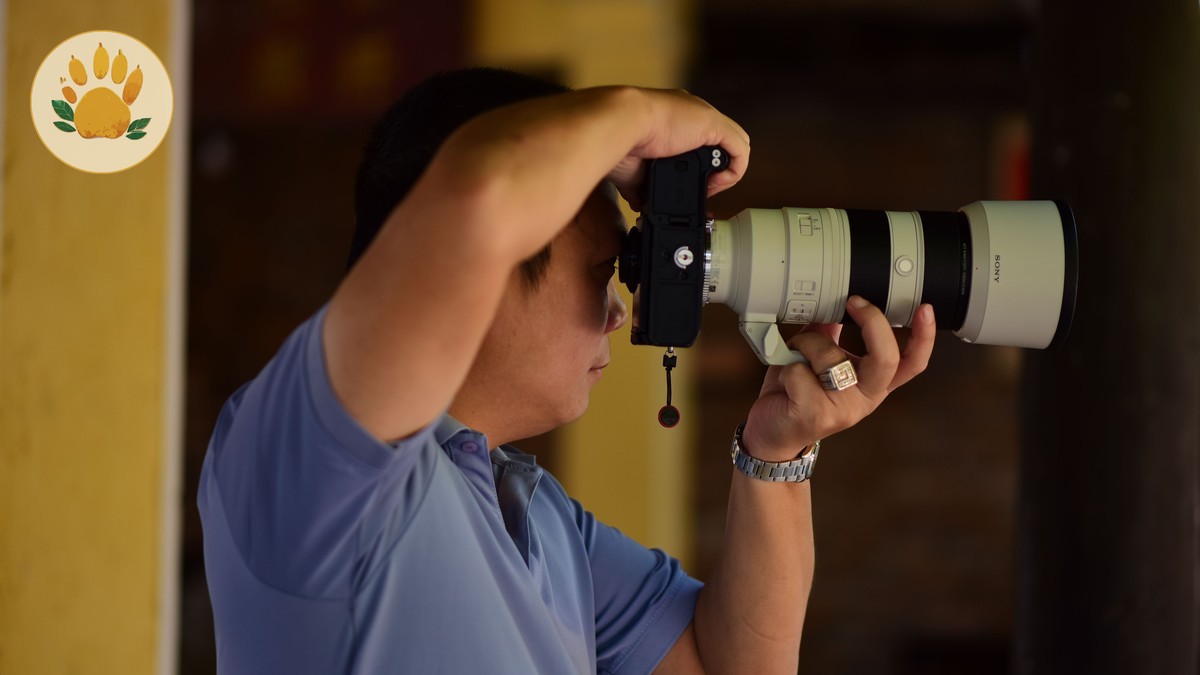
The vehicle is the first piece of camera support you use in Kenya. Many photographers spend months choosing lenses and then accept whatever van or Land Cruiser appears at the airport. That is the wrong order. A quiet engine, a clear side window, and a low roof ledge do more for sharp wildlife images than one extra stop of lens speed. This guide covers the Kenya safari photography vehicle setup decisions that matter before you book.
Vehicle Types for Kenya Photography
In most of Kenya you choose among three basic platforms. The standard Toyota Land Cruiser, the safari van, and the open-sided photographic Land Cruiser. Not all are equal.
| Vehicle option | Typical layout | Seat access for photographers | Best use | Indicative daily hire, vehicle only |
|---|---|---|---|---|
| Shared pop-top safari van | 6 to 8 seats, raised roof, narrow side windows | Only 4 or 5 people can reach a side opening at once; middle bench is poor | Budget safaris, light gear | KES 15,000 to 25,000 |
| Private Land Cruiser | 5 to 7 seats in three rows, pop-up roof | 3 photographers comfortable, 4 workable | Most Kenya routes, open plains | KES 25,000 to 45,000 |
| Open-sided photographic vehicle | Based on Land Cruiser, no rear doors or roll-down canvas sides | 3 to 4 only; low side angles | Mara North, Naboisho, private conservancies | KES 35,000 to 60,000, often through camps |
These are indicative ranges, not fixed quotes. They exclude park fees, guide fees, and lodge packages. Prices shift by season and operator.
Distances matter too. A vehicle with poor seat access feels worse after five hours of dust and corrugated roads.
| Route from Nairobi | Distance | Typical drive time | Park or reserve fee, non-resident adult |
|---|---|---|---|
| Nairobi to Lake Nakuru National Park | 160 km | 3 to 3.5 hours | USD 90, KWS |
| Nairobi to Amboseli National Park | 240 km | 4 to 5 hours | USD 90, KWS |
| Nairobi to Masai Mara | 270 km | 5 to 6 hours, or 45 minutes by flight | USD 100 Jan to Jun, USD 200 Jul to Dec, Narok County |
| Nairobi to Tsavo East National Park | 320 km | 5 to 6 hours | USD 80, KWS |
Do not attribute the Masai Mara fee to KWS. That reserve is run by Narok County, and its fee changes by season.
Seats, Passengers, and Visibility
The best seat in a Land Cruiser is usually not the front passenger seat. The middle row sits between the axles and bounces less. The front seat has good forward vision but may not swivel or stand. The third row is bouncy and can be noisy.
If you share a vehicle, rotate seats every game drive. Do not let one person hold the best window all day. On a private vehicle, two photographers per row is ideal. Three works if the middle person uses the roof opening. Four photographers in a five-seat Land Cruiser is still reasonable. Five or six means someone sits on a middle seat with no clean angle.
Shared pop-top vans are worse for photography. Six or seven passengers may fit, but only four or five can reach a side window at the same time. The middle bench has poor visibility and little room for a long lens. Vans are acceptable for a general safari, not for a serious photography trip.
Open-sided vehicles change this. With no glass and low sides, every photographer can shoot near ground level. The trade-off is dust, rain, and less luggage space. Open-sided vehicles are common in private conservancies like Mara North, Naboisho, and Ol Kinyei. They are rare in national parks.
Before you choose a row, think about how much luggage safari vehicles can accommodate. A packed vehicle with bags on the roof or behind the third row can reduce shoulder space and make lens changes harder.
Beanbags, Window Mounts, and Monopods
A beanbag is the default camera support in Kenya. It spreads pressure on the vehicle edge and absorbs small vibrations. Fill an empty beanbag with rice or beans in Nairobi. A filled beanbag weighs about 3 to 5 kg and costs little. Some photographers carry a small empty beanbag and ask a supermarket to fill it before departure.
Ask the operator whether they supply beanbags. Some camps in Mara North and Naboisho do, but many do not. Never assume one will be in the vehicle.
A window clamp or fluid head can work on a Land Cruiser door frame. It gives stable support for long, heavy lenses. But it is slower to move from one side to the other. Most guides prefer a beanbag because you can lift and reposition it in seconds.
A monopod works poorly inside a moving vehicle. At roof height, a short monopod can help steady a lens while standing. But it is not a replacement for a beanbag on a vehicle sill.
Low-Angle Photography and Vehicle Positioning
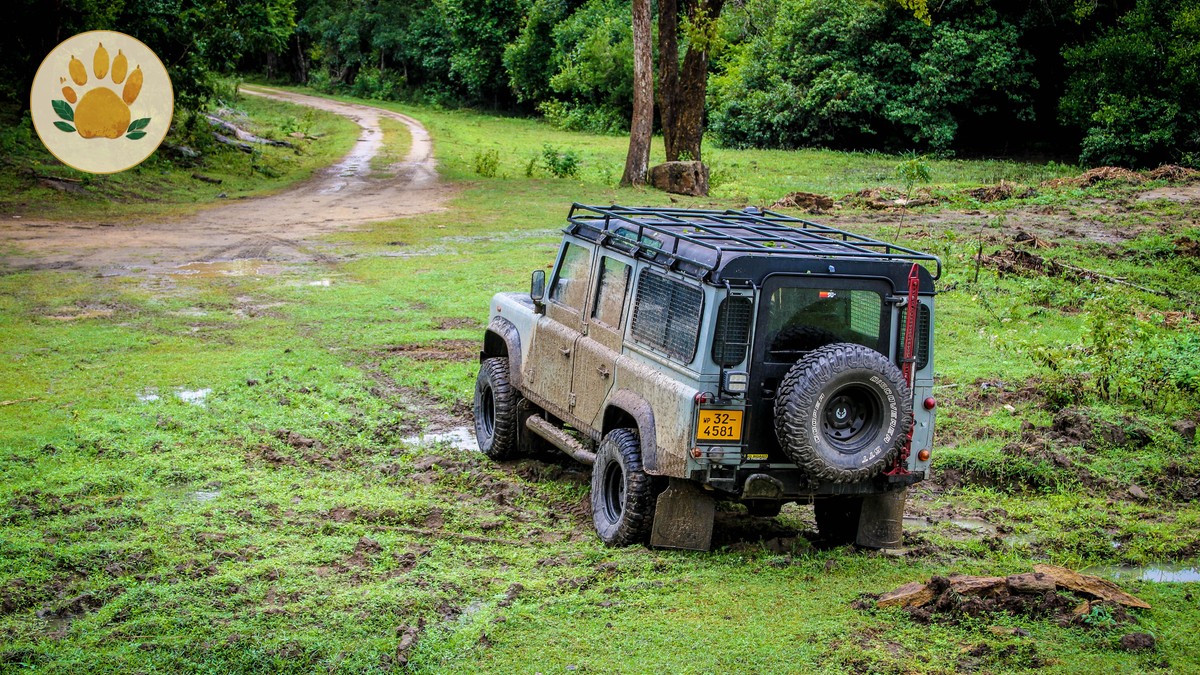
Low-angle images put the viewer at the animal’s eye level. That angle is hard to get from a high seat or through glass. An open-sided vehicle solves most of it.
Ask the driver to switch off the engine before you shoot. Idling creates vibration. Approaching slowly, parking side-on, and keeping a respectful distance all help. The driver should position for front light in the early morning and use side light in the middle of the day where possible.
In private conservancies, guides can often leave the designated track in controlled areas. That allows cleaner backgrounds and better angles. In national reserves, off-road driving is not allowed. This is where how private conservancies affect safari vehicle access can change your photo plan.
Private Vehicle or Shared Vehicle
A private vehicle is the single best upgrade for a wildlife photographer. A shared vehicle works only if everyone agrees to the same stops and light schedule. One person wanting lunch early can end a good sighting.
A private Land Cruiser means you set the departure time. You can stay at a cheetah sighting for two hours. You can wait for clouds to clear without a debate. You can also spread out camera bags and use every window.
Indicative daily hire for a private Land Cruiser in Kenya is KES 25,000 to 45,000, excluding park fees and guide. Some open-sided vehicles in conservancies cost more. Shared seats cost less, but you give up seat rotation, access, and schedule control.
For photographers, the daily upgrade is usually worth it. A private vehicle is not a luxury if your primary goal is images.
Reserve Rules and Conservancy Access
Rules differ between national reserves and private conservancies, and so do fees.
Masai Mara National Reserve charges USD 100 per adult per day from January to June and USD 200 per adult per day from July to December. The fee is set by Narok County, not KWS. Driving is restricted to tracks. Amboseli National Park charges USD 90 per adult per day through KWS. Tsavo East costs USD 80. These parks do not allow off-road driving.
In a private conservancy like Mara North or Naboisho, a nightly conservation fee of roughly USD 80 to 150 per person is usually bundled into the lodge rate. That fee supports controlled off-road access in designated areas, night drives, walking, and lower vehicle density. What private conservancy fees can buy is worth reading before you compare prices.
The main benefit for photographers is access. A conservancy vehicle can approach a sighting slowly from a better angle without sharing the track with dozens of other vehicles. That access changes the kind of frame you can make.
Camera Bodies, Lenses, and Protection
You do not need a lens roundup to plan a vehicle. But a few gear choices matter for vehicle work.
Two camera bodies help. One can hold a long lens while the other holds a wider zoom. Common choices are a 100 to 400 mm or 70 to 200 mm on one body and a 24 to 70 mm on the other. The shorter lens helps when animals come close or when you want habitat and scale.
Dust and vibration are constant. Keep cameras in a closed bag until the vehicle stops. Use a rain cover on open-sided vehicles. In Amboseli and Tsavo, the dust is fine and alkaline. It gets into every seam. At night, wipe gear with a dry cloth and blow out the sensor area carefully.
Do not rest a long lens directly on a metal roof edge without padding. A small towel or beanbag protects the collar and reduces vibration. Keep lens changes to a minimum while moving.
Questions to Ask an Operator Before Booking
Confirm these points before you pay a deposit. Several are easy to check in writing.
- Is the vehicle exclusive-use or shared?
- Is it a Land Cruiser or a van?
- How many window seats are available per row?
- Can every photographer reach a side opening or roof space?
- Are beanbags or foam resting pads supplied?
- Does the guide understand photography and reposition for light?
- Are early departures before first light allowed?
- Is controlled off-road access included in a private conservancy?
- What is the luggage allowance for the vehicle?
- Are side openings weatherproof, or will rain and dust enter?
If an operator cannot answer these clearly, keep looking. A vehicle setup that looks good on a brochure can fail in the field.
The SafariPure Difference
We plan photographic vehicles around how you work. We match you with conservancies that allow low-angle access and reserve guides who wait instead of rushing. We set the day’s schedule around light, not meal times. We tell you before booking whether a shared van, a private Land Cruiser, or an open-sided vehicle is realistic for your route and budget.
No one should arrive in Kenya hoping the vehicle works out. The vehicle setup is part of the safari design, not an afterthought.
Plan Your Kenya Safari Photography Vehicle Setup
A good vehicle has room for your lens, a beanbag on the sill, and a guide who understands side light and patience. Share your dates and preferred parks or conservancies, and SafariPure can help you choose a private Land Cruiser or open-sided vehicle with the right seats and schedule. Plan your safari with SafariPure or view photography-focused safari tours.