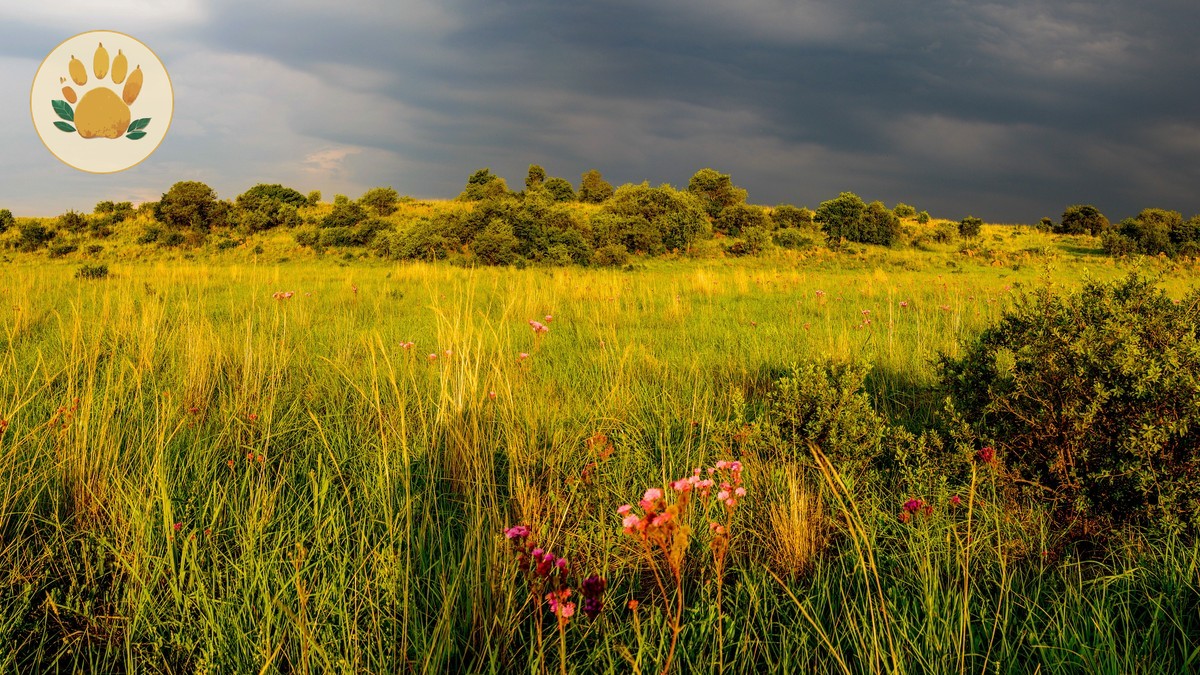
May sits at the quiet end of Kenya’s calendar. The long rains are still falling, the tour buses have thinned out, and camps that charge premium rates in August cut them hard to keep beds full. That combination is exactly what a Kenya safari May green season deals search turns up, and for a traveler watching every dollar, it is worth taking seriously. It is also worth understanding before you book, because the rain does shape your days on safari.
Why go on safari in May
May is the last month of what operators call the green season, running roughly from mid-March through May. Grass is tall, rivers are full, and the plains of the Masai Mara, Amboseli, and Tsavo turn a deep green that photographs beautifully and rarely shows up in brochure shots taken in the dry months. Fewer vehicles means fewer crowds at sightings. A leopard in a tree in May might have two vehicles watching, not fifteen.
The trade-off is real. Some roads become difficult after heavy rain, a handful of remote camps close for maintenance, and afternoon game drives can get cut short by a downpour. Any guide that tells you green season is simply cheap and easy is skipping half the story.
Weather and rain patterns in May
Kenya’s long rains typically peak in April and taper through May. Expect rain most days, usually as a strong afternoon or evening downpour rather than an all-day soak. Mornings are often clear, which matters because dawn is when predators are most active anyway. Temperatures stay mild, with the Masai Mara averaging highs around 25°C and cooler nights near 12°C.
Does it rain every day in May? Not quite, but plan for it most days. Roads inside conservancies and reserves can turn to thick black cotton soil mud, which slows vehicles and occasionally strands them. Guides know the terrain and reroute around the worst sections, but a 45-minute drive can stretch to 90 minutes after a hard storm.
Kenya Safari May Green Season Deals by Accommodation Tier
This is where May earns its reputation. Camps and lodges across the Masai Mara, Amboseli, and Tsavo drop rates by roughly 30 to 45 percent compared to the July to October peak. The table below gives indicative per-person, per-night ranges by tier, based on typical published rates for well-known properties. Treat these as planning ranges, not quotes, since operators adjust pricing seasonally.
| Tier | Example property | Peak season (Jul-Oct), indicative pp/night | May green season, indicative pp/night | Approx. discount |
|---|---|---|---|---|
| Budget camping | Public campsite, Sekenani Gate, Masai Mara | $30-$50 (camping fee + vehicle) | $25-$40 | 15-20% |
| Group-joining mid-range | Mara Fig Tree Camp / Mara Serena Safari Lodge style tented camp | $250-$350 | $150-$220 | 30-40% |
| Luxury tented camp | Governors’ Camp or Angama Mara style property, Masai Mara | $700-$900 | $400-$550 | 35-45% |
Budget backpackers doing a group-joining safari, where you share a vehicle and guide with other travelers rather than booking a private trip, will find the biggest relative savings in May. A joining safari that runs $180 to $220 per person per day in peak months often drops to $120 to $150 in May, camping included.
On top of any camp rate, budget for park entry. The Masai Mara National Reserve charges $100 per adult per day from January through June, since it is administered by Narok County Government rather than Kenya Wildlife Service. Amboseli and Lake Nakuru run $90 per day, Tsavo East and Tsavo West are $80, and Chyulu Hills is $40. Check the current park entry fees before you finalize a budget, since these apply on top of whatever the camp or joining safari quotes you.
Best parks and conservancies for May
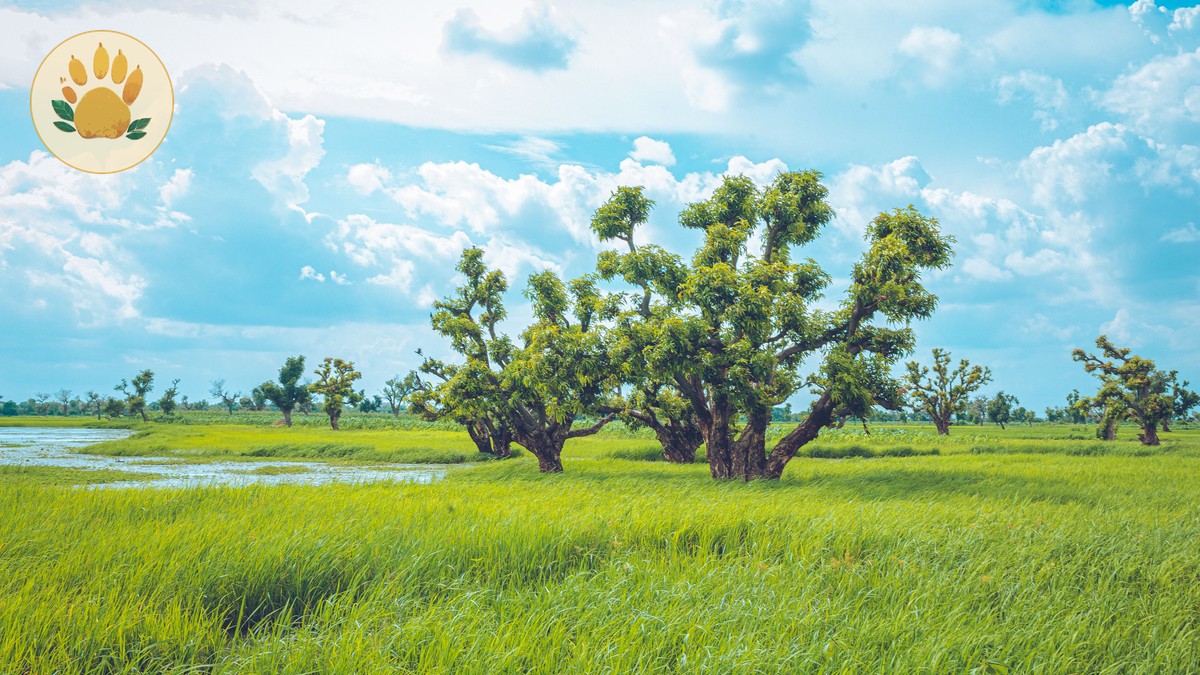
Not every park handles the rains equally well. The Masai Mara stays reliably open and accessible in May, with well-maintained main routes even when side tracks turn soft. Amboseli, with its flatter terrain and views of Mount Kilimanjaro, drains faster after rain and rarely closes roads. Tsavo East, with its wide open plains, is one of the more dependable green season options for budget travelers reaching it by public transport from Mombasa or Nairobi.
Tsavo West and some conservancy camps in the Mara ecosystem, particularly smaller tented operations in Naboisho Conservancy and Mara North Conservancy, do close for a few weeks in April and May for annual maintenance. Always confirm a specific camp’s dates before booking, since closures vary property to property rather than following a fixed park-wide schedule. Conservancy fees bundled into lodge rates in Naboisho and Mara North typically run $80 to $150 per person per night on top of accommodation.
Wildlife, birding, and migration timing caveats
The wildebeest migration is not in Kenya in May. Herds are still in the southern Serengeti in Tanzania through April and May, calving season having wrapped up in February and March. Anyone booking a May Kenya safari expecting river crossings will be disappointed. What you get instead is resident wildlife: lions, elephants, giraffes, and healthy numbers of plains game that never leave the Mara ecosystem, all set against green grass rather than dust.
Birding is genuinely strong in May. Migratory birds from Europe are still present before their northward return, and resident species are in breeding plumage. If the migration itself is the priority, if you can wait until June for migration arrivals, the first herds typically start crossing into the Mara from the Serengeti’s Lamai Wedge.
Mosquito activity increases with the rains, particularly in lower-elevation areas like Tsavo and the Mara’s river valleys. Pack repellent and consider antimalarials, a point every packing list should state plainly rather than bury in a footnote.
How to find and book the best deals
Direct camp websites often list green season rates outright in April and May. For budget travelers, group-joining safaris booked through a local operator in Nairobi tend to offer the sharpest per-person savings, since costs split across four to six travelers in one vehicle. Booking two to four weeks ahead, rather than same-week, still gets reasonable availability in May since it is genuinely low season.
Watch for the hidden extra costs to budget for that rarely appear in a headline deal price: park entry fees, conservancy fees, community fees at some gates, laundry, drinks, and tips for guides and camp staff. A camp rate that looks like a steep discount can still add up once these are included, so ask for an all-in quote before comparing two operators.
Packing and logistics for the rains
Pack a rain jacket, waterproof daypack cover, and closed shoes rather than sandals for muddy camp walkways. Layers matter more than heavy jackets, since mornings are cool and afternoons warm up before the rain arrives. A dry bag for cameras and phones is worth the small extra weight.
For budget travelers relying on public transport, Nairobi to Narok by matatu takes about two and a half hours and costs roughly KES 500 to 700, with onward transport to Talek or Sekenani Gate arranged locally, often by the camp or joining safari operator. Roads on this final stretch are unpaved and slower in the rains, so build in extra time rather than cutting a connection close.
The SafariPure Difference
We do not sell green season as an easy bargain, because that is not the full picture. Our guides tell you plainly which camps stay open through May, which conservancies close for maintenance, and where the mud will slow a game drive down. We build quotes that show park fees and conservancy fees separately from the camp rate, so the number you see is the number you pay. For budget and group travelers, we match you with joining safaris that keep costs honest without cutting corners on guiding quality or vehicle condition.
FAQs
Is May a good time for a Kenya safari? Yes, for travelers who want lower prices, fewer crowds, and green scenery, and who accept that some afternoon drives may be shortened by rain.
How much does a Kenya safari cost in May? Budget camping and group-joining safaris run roughly $120 to $220 per person per day including park fees. Luxury camps drop to roughly $400 to $550 per person per night before fees.
Is the wildebeest migration in Kenya in May? No. The migration is in Tanzania’s southern Serengeti through May, before moving north later in the year.
Do camps and lodges close during the green season? Some do, mainly smaller conservancy camps taking annual maintenance breaks. The Masai Mara, Amboseli, and Tsavo East stay reliably open.
What is the cheapest month to go on safari in Kenya? April and May are consistently the cheapest, with November close behind after the short rains.
Plan Your May Safari with SafariPure
If a green season safari fits your budget and your appetite for a little rain, we can help you weigh the right park, camp tier, and route. Visit our safari tours page or get in touch to start planning.